

Flavonoid
Discover what a flavonoid does in cannabis, from aroma and colour to health benefits.
What Is a Flavonoid?
A flavonoid is a class of naturally occurring plant compound found throughout the botanical world, from blueberries and kale to green tea and, of course, cannabis. These molecules belong to a broad family of phytonutrients called polyphenols, and they serve plants in countless ways: protecting against ultraviolet radiation, deterring pests, and producing the vivid pigments that color flowers, leaves, and fruit. In cannabis specifically, the flavonoid contributes far more than most consumers realize, quietly shaping the plant's appearance, flavor, and therapeutic profile.
The word itself comes from the Latin "flavus," meaning yellow, a nod to the pigmentation many of these compounds produce. To date, scientists have identified more than 6,000 distinct flavonoids across the plant kingdom, and roughly 20 of them appear in cannabis. While cannabinoids like THC and CBD dominate the conversation, flavonoids represent an underexplored but increasingly studied piece of the puzzle.
Understanding flavonoids matters because they help explain why two cannabis cultivars with similar cannabinoid percentages can feel and taste so different. These compounds are part of the plant's full chemical signature, working in concert with terpenes and cannabinoids to define each strain's unique character.
How Flavonoids Work in Cannabis
Flavonoids are produced in the same glandular structures, the trichomes, that generate cannabinoids and terpenes. As the plant matures, these tiny resin factories synthesize flavonoids through complex biochemical pathways that begin with amino acids and simple sugars. The end products accumulate in the flower, leaves, and stems, where they perform protective and structural roles for the living plant.
Genetics and environment both shape flavonoid expression. A cultivar's DNA sets the baseline potential for which flavonoids it can produce and in what quantities, but growing conditions fine-tune the outcome. Light intensity, temperature swings, soil composition, and nutrient availability all influence how much of each compound a plant ultimately develops. This is why the same genetics grown indoors versus outdoors can yield subtly different chemical profiles.
Once consumed, flavonoids interact with the human body through several mechanisms unrelated to the endocannabinoid system. They modulate enzyme activity, scavenge free radicals, and influence inflammatory signaling pathways, contributing to the overall physiological experience in ways researchers are still mapping.
Types of Cannabis Flavonoids
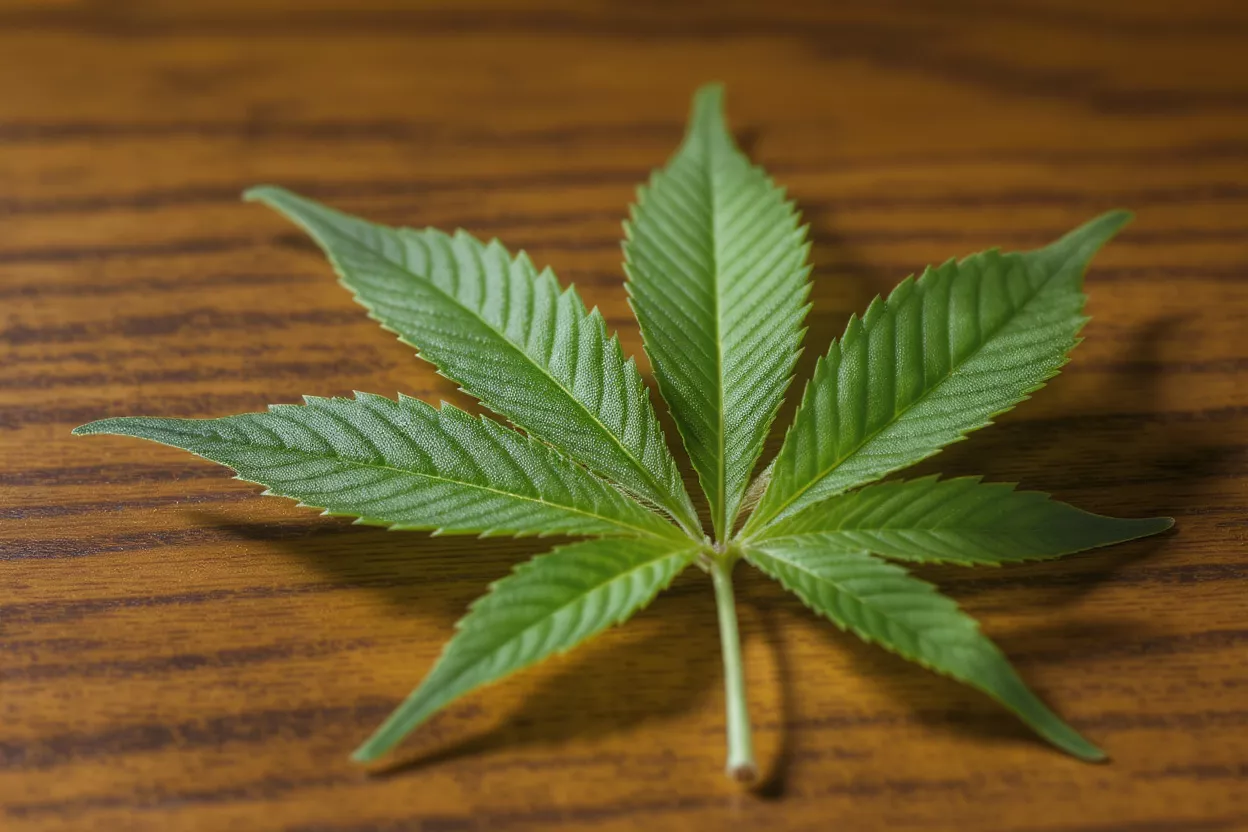
Cannabis contains a mix of flavonoids that also appear in other plants, alongside a small group found nowhere else in nature. The shared flavonoids include compounds you may already consume daily through fruits, vegetables, and beverages, while the cannabis-exclusive ones carry the plant's name in their designation.
The most commonly cited flavonoids in cannabis include the following:
- 🫐 Quercetin: A widely studied antioxidant also abundant in onions, apples, and berries, valued for its anti-inflammatory potential.
- 🌿 Kaempferol: Found in leafy greens and broccoli, associated with cardiovascular and antioxidant research.
- 🍵 Apigenin: Present in chamomile and parsley, often discussed for its calming and anti-anxiety properties.
- 🌸 Luteolin: A pigment flavonoid found in celery and peppers, studied for neuroprotective effects.
- ✨ Cannflavins A, B, and C: The flavonoids unique to cannabis, of growing interest for anti-inflammatory research.
Each of these compounds appears in varying concentrations depending on the cultivar, contributing collectively to the plant's color, mouthfeel, and subtle physiological effects. The presence and ratio of these flavonoids form part of what gives a strain its distinctive identity.
What Are Cannflavins?
Cannflavins are the flavonoids found exclusively in cannabis, first identified in the early 1980s when researchers began isolating the plant's lesser-known compounds. Designated cannflavin A, B, and C, these molecules have captured scientific attention precisely because they appear nowhere else in nature, making them a botanical signature of the cannabis plant.
What makes cannflavins particularly compelling is their documented anti-inflammatory activity. Early research suggested that cannflavin A and B could inhibit inflammation through pathways distinct from common over-the-counter medications, with some studies indicating a potency far exceeding that of aspirin on a molecule-for-molecule basis. This unique mechanism has driven ongoing investigation into their therapeutic potential.
Despite their promise, cannflavins exist in cannabis at very low concentrations, which historically made them difficult to study or extract in meaningful quantities. Recent advances in biosynthesis and genetic engineering have opened new doors, allowing scientists to produce these compounds outside the plant for more focused research into their pharmacological applications.
Flavonoid Benefits and Health Effects
The health interest surrounding flavonoids stems largely from their antioxidant and anti-inflammatory properties, which have been documented across decades of nutritional and pharmacological research. As antioxidants, flavonoids neutralize free radicals, the reactive molecules implicated in cellular aging and a range of chronic conditions. This protective activity is one reason diets rich in flavonoid-containing foods are consistently associated with better long-term health outcomes.
Anti-inflammatory effects represent another major area of study. Chronic inflammation underlies many modern ailments, from arthritis to cardiovascular disease, and flavonoids appear to dampen inflammatory signaling in measurable ways. The cannflavins in particular have drawn researchers seeking alternatives to conventional anti-inflammatory drugs that carry gastrointestinal and cardiovascular risks.
Beyond these headline properties, certain flavonoids show promise in neuroprotection, supporting mood regulation, and modulating how the body processes other compounds. Apigenin's calming reputation and luteolin's neuroprotective profile illustrate the diversity of effects this single compound class can deliver, though much of this work remains in early or preclinical stages.
Flavonoids and the Entourage Effect
The entourage effect describes the theory that cannabis compounds work better together than in isolation, and flavonoids are an increasingly recognized part of this synergy. While early entourage discussions focused almost entirely on cannabinoids and terpenes, mounting evidence suggests flavonoids contribute their own modulating influence on the overall experience.
Synergy may amplify or temper individual effects. A flavonoid's anti-inflammatory action could complement a cannabinoid's analgesic properties, while its antioxidant activity might support the body's response to the broader chemical mix. These interactions are difficult to isolate in research, but they help explain why full-spectrum cannabis products are often reported to feel more rounded than isolated compounds.
For consumers, this reinforces the value of products that preserve the plant's complete chemical profile. Full-spectrum extracts retain flavonoids alongside cannabinoids and terpenes, whereas heavily refined isolates strip them away, potentially diminishing the synergistic experience the plant naturally offers.
Flavonoids vs Terpenes in Cannabis
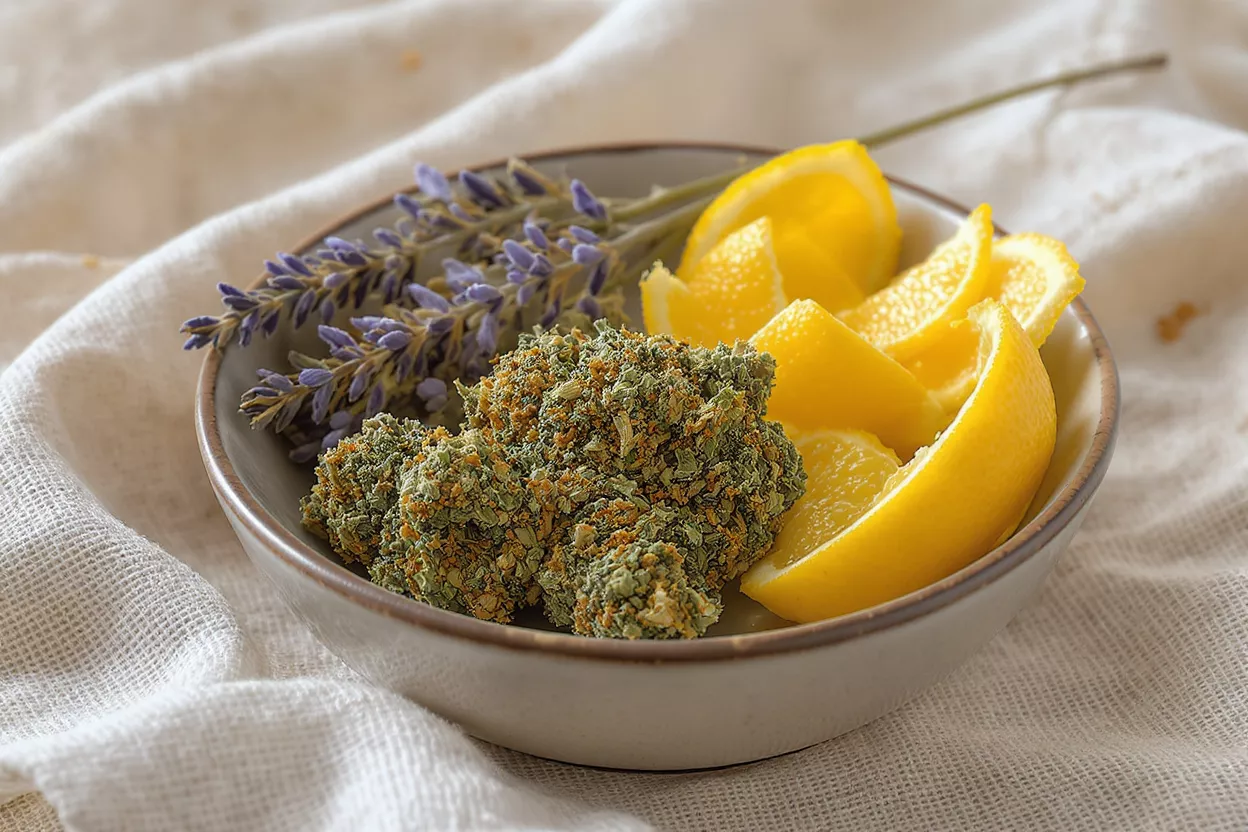
Flavonoids and terpenes are often mentioned together because both contribute to cannabis aroma and effects, but they are chemically distinct categories with different roles. Terpenes are volatile aromatic compounds responsible for the bulk of a strain's smell, evaporating readily and carrying scents from citrus to pine. Flavonoids are larger, non-volatile molecules that influence color and contribute more subtly to flavor and physiological effects.
Here is how the two compound classes compare at a glance:
- 🎨 Primary role: Terpenes drive aroma; flavonoids drive pigmentation and color.
- 💨 Volatility: Terpenes evaporate easily; flavonoids remain stable and non-volatile.
- 🔬 Concentration: Terpenes are typically more abundant; flavonoids appear in smaller amounts.
- 🌍 Distribution: Both appear across many plants, but cannflavins are unique to cannabis.
- ⚕️ Effects: Both offer therapeutic potential, often through complementary mechanisms.
Rather than competing, these compound families work in tandem. A strain's full sensory and therapeutic identity emerges from the interplay of cannabinoids, terpenes, and flavonoids together, each contributing its own layer to the experience.
How Flavonoids Affect Color and Aroma
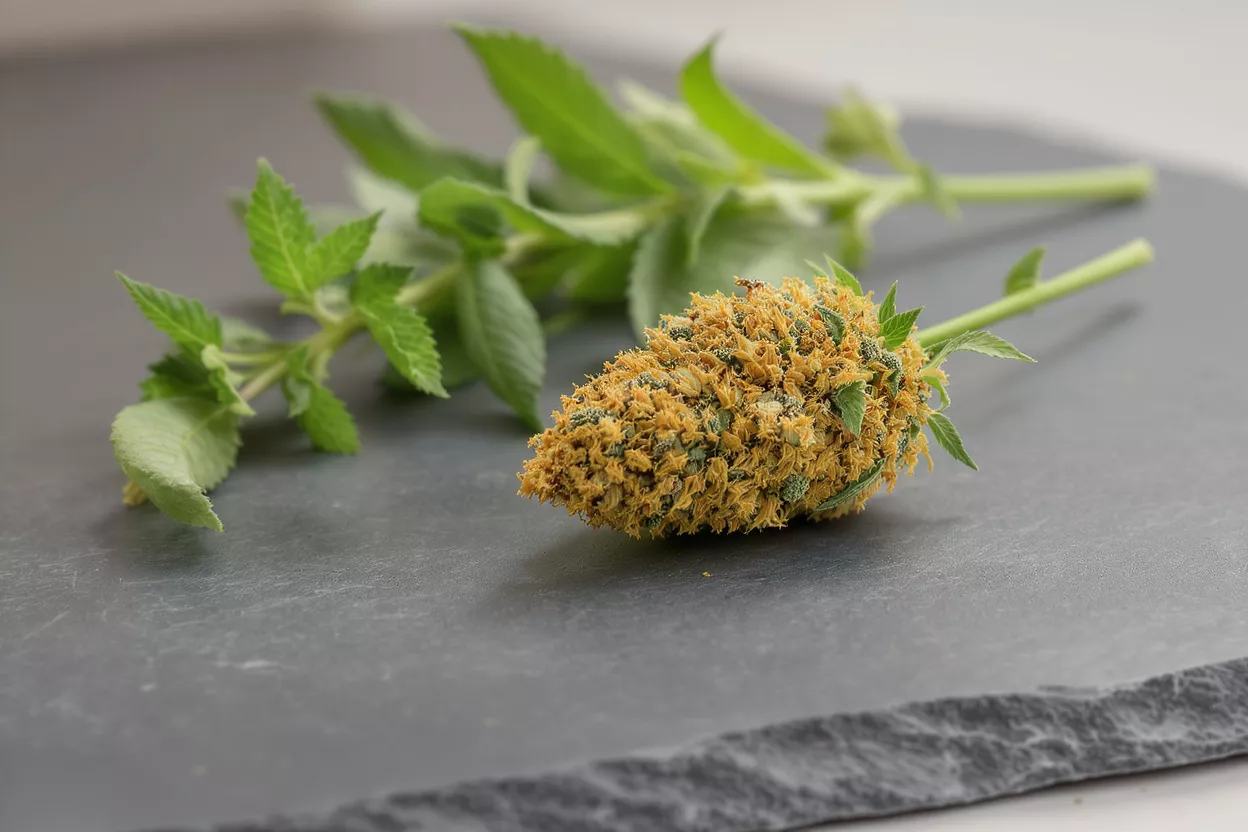
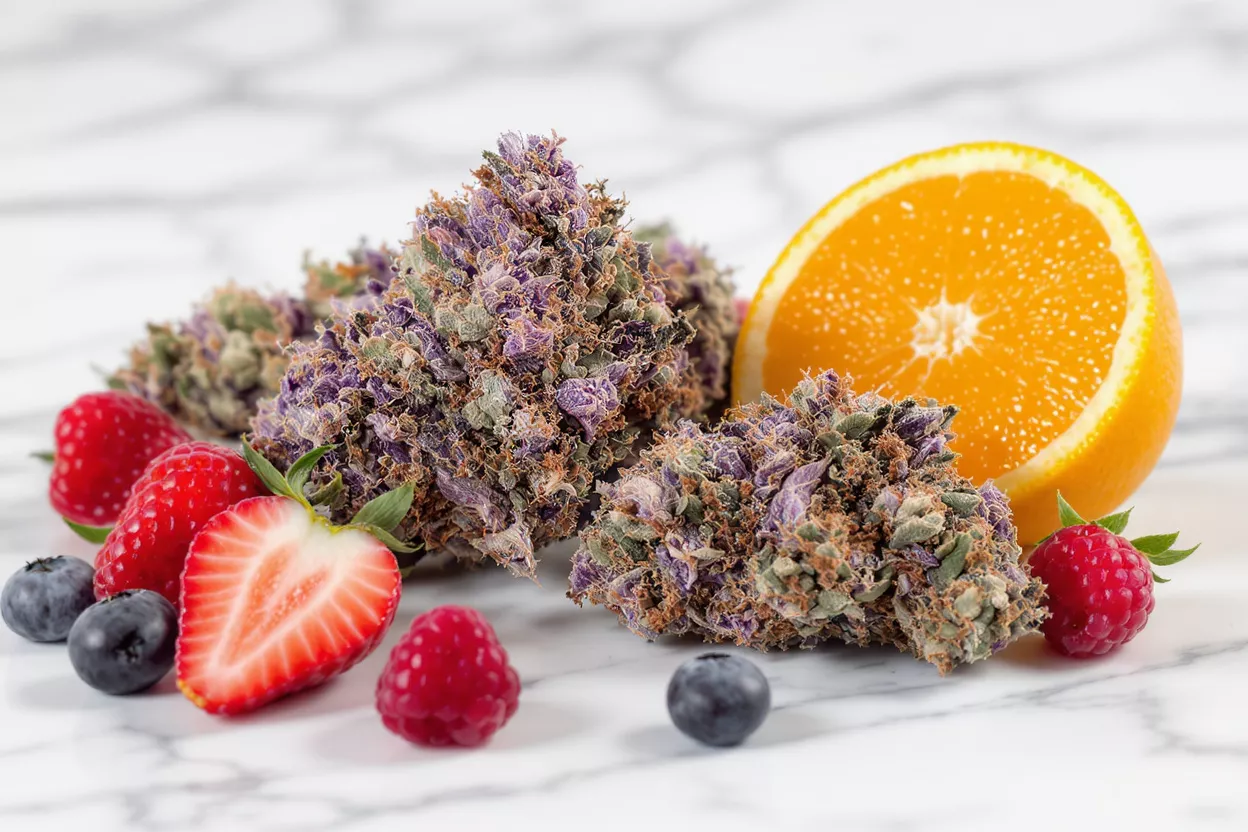
Color is the most visible contribution flavonoids make to cannabis. A subgroup called anthoxanthins produces yellow and white pigments, while anthocyanins generate the striking purples, blues, and reds seen in certain cultivars. Those famous purple strains owe their deep coloring largely to anthocyanin flavonoids, which intensify under cooler growing temperatures that influence pigment expression.
While terpenes handle most of the aromatic heavy lifting, flavonoids contribute to flavor in more nuanced ways. They add depth, bitterness, and subtle taste notes that round out the overall sensory profile, much as flavonoids in wine and tea shape those beverages' complexity. The result is a fuller, more layered tasting experience than terpenes alone could provide.
This visual and sensory contribution is part of why experienced consumers pay attention to a flower's appearance and full flavor. A vibrant, richly colored bud often signals a robust flavonoid profile, hinting at the complete chemical expression the plant achieved during cultivation.
Flavonoids in Food and Everyday Diet
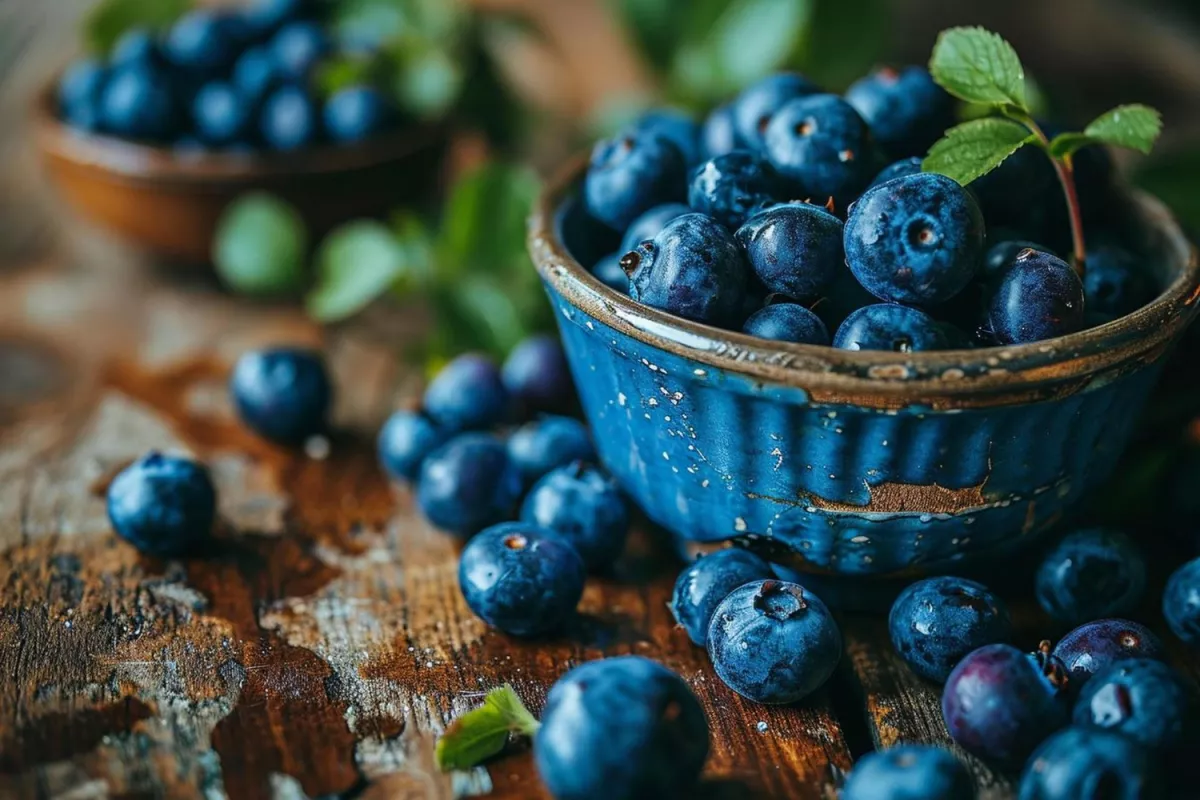
Most people consume flavonoids every day without realizing it, since these compounds permeate the plant-based foods that anchor a healthy diet. Berries, citrus fruits, dark chocolate, green tea, red wine, onions, and leafy greens all deliver substantial flavonoid content, and dietary research consistently links higher intake to cardiovascular and metabolic benefits.
The same compounds in cannabis appear in your kitchen. Quercetin in your morning apple, apigenin in chamomile tea, kaempferol in your dinner salad, these are the very flavonoids that also accumulate in cannabis trichomes. This overlap underscores that flavonoids are not exotic cannabis-specific chemicals but familiar nutrients found throughout a varied, plant-rich diet.
Recognizing this connection helps frame cannabis flavonoids within the broader context of nutritional science. The decades of research on dietary flavonoids provide a strong foundation for understanding how these compounds behave in the body, even as the cannabis-specific cannflavins continue to reveal their own distinct properties.
Are Cannabis Flavonoids Safe?
Flavonoids enjoy a strong safety reputation, having been part of the human diet for as long as people have eaten plants. The flavonoids in cannabis are largely the same molecules consumed safely in everyday foods, and at the low concentrations present in cannabis, they pose no known risk to healthy adults. Their long history of dietary consumption offers considerable reassurance.
Potential interactions deserve modest awareness. Because some flavonoids can influence the enzymes that metabolize medications, individuals taking pharmaceuticals, particularly those affected by grapefruit-style enzyme interactions, may wish to consult a healthcare provider. This caution applies broadly to concentrated flavonoid supplements rather than the trace amounts found in cannabis flower.
As cannabis research expands, flavonoids stand out as a compound class with genuine therapeutic promise and an excellent safety profile. From the antioxidant power of quercetin to the unique anti-inflammatory potential of the cannflavins, these molecules add meaningful depth to the cannabis experience. Understanding the flavonoid completes a fuller picture of how this remarkable plant works, reminding us that cannabinoids and terpenes tell only part of the story. As science continues to map these compounds, flavonoids are earning the recognition they have long deserved.




Comments