Sublingual Absorption
Learn how sublingual absorption works for cannabis, its benefits, onset times & bioavailability.
What Is Sublingual Absorption in Cannabis?
Sublingual absorption in cannabis refers to the process by which cannabinoids enter the bloodstream through the thin mucous membranes beneath the tongue, bypassing the digestive system entirely. The term "sublingual" literally means "under the tongue," and this delivery route has become a cornerstone of modern cannabis formulation because of its speed and efficiency. When a tincture, oil, or dissolvable strip is held under the tongue, the active compounds diffuse directly into a dense network of capillaries.
This method occupies a middle ground between inhalation and traditional edibles. It offers faster onset than swallowing a capsule while avoiding the harshness of smoking or vaping. For patients and consumers seeking precise, repeatable dosing, sublingual administration provides a level of control that is difficult to achieve with other formats.
Understanding sublingual absorption matters because it directly shapes how a product feels, how quickly it works, and how much of the active compound your body actually uses. These factors influence everything from dosing strategy to product selection.
How Sublingual Absorption Works Physiologically
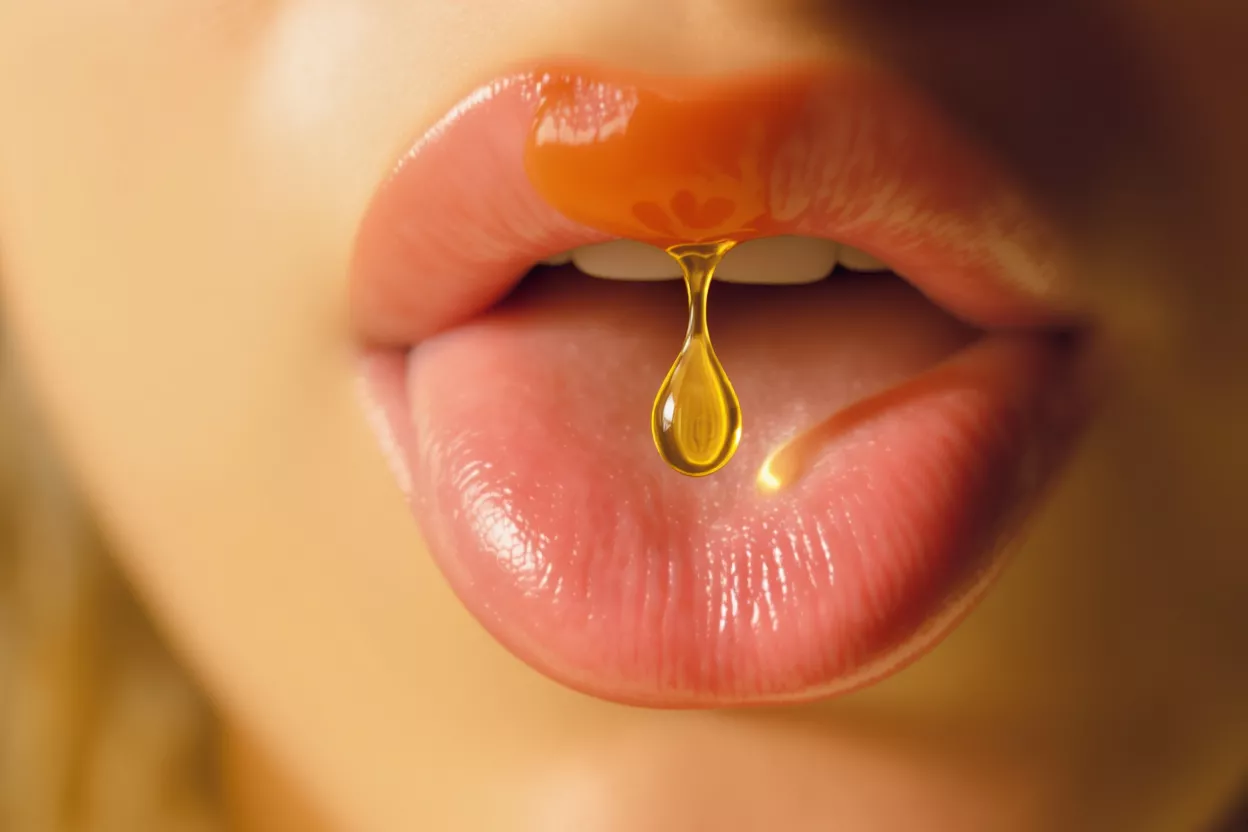
The floor of the mouth and the area beneath the tongue are lined with a thin, permeable epithelium that sits directly atop a rich vascular bed. When cannabinoids are placed here, they dissolve into the mucosal tissue and pass through these membranes into the sublingual and lingual veins. From there, the compounds travel to the superior vena cava and into systemic circulation without first passing through the liver.
The first-pass metabolism bypass is the key physiological advantage. When you swallow a cannabis product, it travels through the gut and into the liver, where enzymes break down a substantial portion of the cannabinoids before they ever reach the bloodstream. Sublingual delivery sidesteps much of this loss, allowing a greater fraction of the active compound to circulate intact.
The role of lipid solubility cannot be overstated. Cannabinoids like THC and CBD are fat-loving molecules, which means they do not naturally cross watery mucosal surfaces with ease. This is why formulation, including carrier oils and emulsifiers, plays such a large part in determining how effectively a sublingual product performs.
Sublingual vs Oral Cannabis Absorption
The distinction between sublingual and oral absorption is one of the most practically important concepts for anyone using cannabis products. Although a tincture and an edible may contain identical amounts of the same cannabinoid, the way each enters your body produces strikingly different experiences. Oral products must survive digestion and liver metabolism, while sublingual products take a more direct path.
With oral consumption, THC is converted in the liver into 11-hydroxy-THC, a metabolite that is more potent and longer lasting but slower to appear. Sublingual absorption produces a faster, often gentler onset because more of the parent compound reaches circulation before metabolism. In practice, most people who use a tincture swallow a portion of it anyway, creating a hybrid effect.
- ⚡ Onset speed: Sublingual acts in 15–45 minutes; oral edibles can take 1–2 hours.
- 🎯 Dose control: Tinctures allow drop-by-drop titration that capsules cannot match.
- ⏳ Duration: Oral effects last longer, while sublingual effects are shorter and more predictable.
- 🧪 Metabolism: Oral routes generate more 11-hydroxy-THC; sublingual delivers more intact cannabinoid.
Types of Sublingual Cannabis Products
The sublingual category has expanded well beyond the simple alcohol tinctures of decades past. Today, manufacturers offer a range of formats engineered specifically to maximize contact time and absorption through the oral mucosa. Each format suits a slightly different lifestyle and dosing preference.
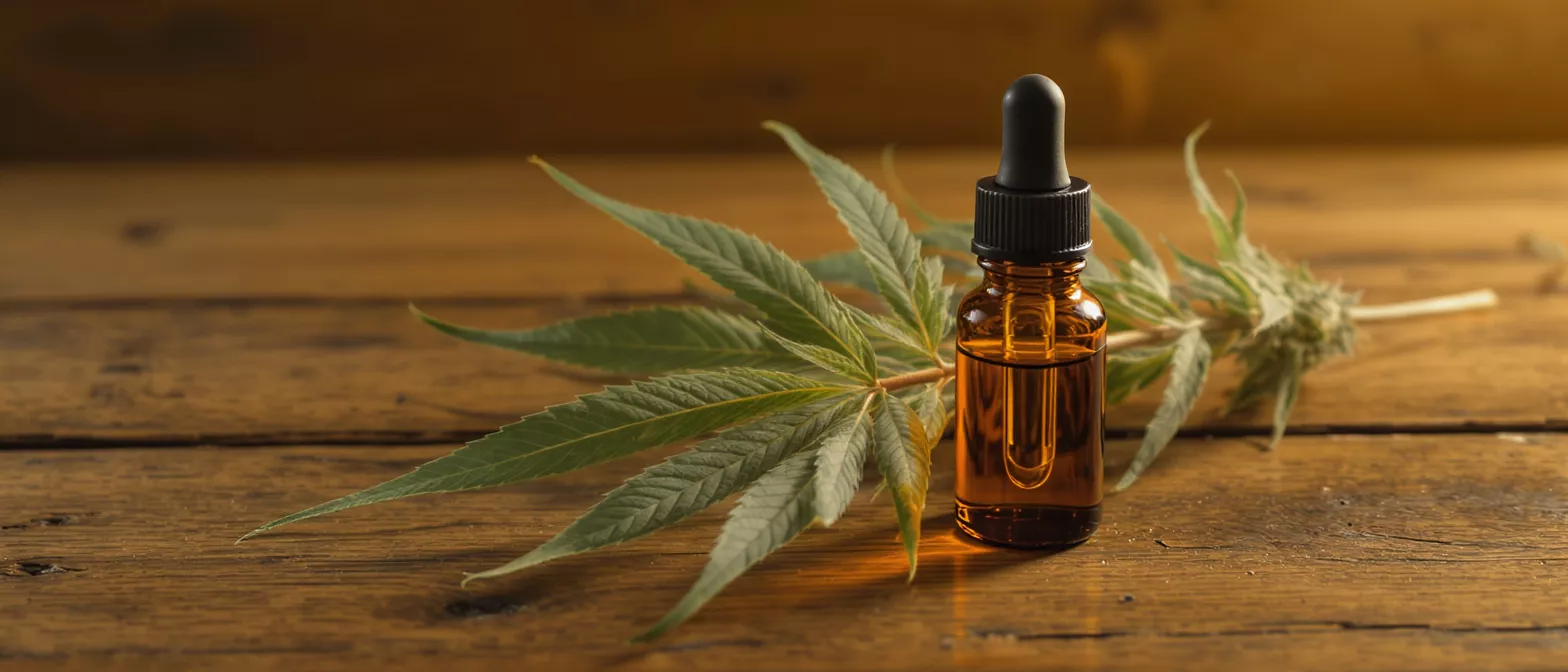
Oil-based tinctures remain the most common option, typically combining a cannabis extract with a carrier such as MCT or hemp seed oil. These are versatile, easy to dose with a calibrated dropper, and can be flavored to improve palatability. Dissolvable strips and lozenges represent a newer wave, designed to adhere to mucosal surfaces and release cannabinoids gradually over several minutes for extended contact.
Spray formulations occupy a third niche, delivering metered doses as a fine mist directed under the tongue or against the cheek. The choice among these often comes down to convenience, taste, and how much control a person wants over each individual dose.
- 💧 Tinctures: Flexible dosing via dropper, ideal for fine-tuning your intake.
- 🍬 Lozenges and strips: Discreet, portable, and engineered for prolonged mucosal contact.
- 🌫️ Sprays: Metered mist delivery for consistent, repeatable doses on the go.
Sublingual Absorption Onset Time and Duration
One of the chief reasons people choose sublingual products is the predictable timeline. Onset typically falls between 15 and 45 minutes, considerably faster than the one-to-two-hour wait associated with traditional edibles. This window makes sublingual delivery a practical choice for those who want noticeable effects without the lingering uncertainty of gut-dependent absorption.
Duration with sublingual products generally spans four to six hours, though this varies with dose, individual metabolism, and the specific formulation. Because a portion of any tincture is inevitably swallowed, many users experience a layered effect: an earlier sublingual onset followed by a slower, longer oral contribution.
Factors that influence timing include how long you hold the product under your tongue, the quality of the emulsion, and whether you have recently eaten. Holding a tincture for 60 to 90 seconds before swallowing maximizes the sublingual fraction and tightens the onset window considerably.
Sublingual Absorption Benefits for Patients
For medical cannabis patients, sublingual absorption offers a combination of advantages that few other routes match. The speed of onset allows for responsive symptom management, while the smoke-free format protects respiratory health. This makes sublingual delivery especially attractive for individuals with chronic conditions who require daily, sustainable administration.
Precision dosing for sensitive patients is a defining benefit. Because tinctures can be measured in single drops, users can titrate upward slowly until they identify their optimal dose, an approach that reduces the risk of overconsumption common with edibles. This is particularly valuable for older adults and those new to cannabis.
The discreet, odorless nature of sublingual products adds practical convenience for people who need relief throughout the day without drawing attention. There is no equipment, no smoke, and no waiting an hour to know whether a dose was effective.
- 🩺 Responsive relief: Faster onset supports timely symptom management.
- 🌬️ Lung-friendly: No combustion means no respiratory irritation.
- 📏 Fine titration: Drop-level dosing reduces the chance of taking too much.
How to Use Sublingual Cannabis Correctly
Getting the most from a sublingual product depends heavily on technique. Many people undermine their results simply by swallowing too quickly, which converts what should be a fast-acting sublingual dose into a slow oral one. A few deliberate habits dramatically improve consistency and effect.
Begin by shaking your tincture to ensure an even distribution of cannabinoids throughout the carrier oil. Dispense your measured dose beneath the tongue and resist the urge to swallow immediately. Hold the liquid in place for at least 60 seconds, allowing the mucosal tissue time to absorb the compounds before the remainder travels to the stomach.
Timing around meals also matters. Taking a sublingual product on a relatively empty mouth, free from competing flavors or food residue, can improve contact with the mucosa. Avoid drinking water immediately afterward, as this washes the product down before absorption can complete.
Bioavailability of Sublingual Cannabis
Bioavailability describes the fraction of a dose that reaches systemic circulation in active form, and it is central to understanding why sublingual delivery is valued. Oral cannabis bioavailability is notoriously low, often estimated at just 4 to 12 percent due to extensive first-pass metabolism. Sublingual routes can improve on this, though real-world figures vary widely with formulation.
Why estimates differ comes down to the practical reality that no sublingual dose is purely sublingual. Some of the product is always swallowed, blending two absorption pathways. Studies on standardized sprays have reported sublingual bioavailability in the range of 13 to 35 percent, a meaningful improvement over swallowing alone.
The takeaway for consumers is that formulation quality directly affects how much value you extract from each dose. Products built with proper emulsification and high-quality carriers consistently outperform crude oils when it comes to mucosal uptake.
Formulation Considerations for Sublingual Products
Behind every effective sublingual product lies careful formulation science. Because cannabinoids are lipophilic and the oral mucosa is aqueous, formulators must bridge this gap to achieve meaningful absorption. The strategies they employ determine how quickly and completely a product works.
Carrier oil selection shapes both absorption and taste. MCT oil is favored for its thin viscosity and rapid mucosal spread, while heavier oils may linger and feel coarse. Nanoemulsion technology represents the cutting edge, breaking cannabinoids into microscopic droplets that interact far more readily with watery membranes and dramatically improve uptake.
Flavoring and pH balance also play supporting roles. A slightly alkaline environment can enhance the absorption of certain cannabinoids, while pleasant flavoring encourages users to hold the product under the tongue for the full recommended duration rather than swallowing early to escape an unpleasant taste.
Is Sublingual Cannabis Right for You?
Sublingual absorption suits a broad spectrum of users, but it shines brightest for those who prioritize control, discretion, and a predictable timeline. If you have found edibles too slow or too unpredictable, or if smoking does not appeal to you, a quality tincture may bridge the gap perfectly. The format rewards patience and proper technique with reliable, repeatable results.
Newcomers benefit from starting with a low dose and a calibrated dropper, increasing gradually over several sessions until the ideal amount becomes clear. Experienced users often appreciate the ability to layer a fast sublingual onset with a longer oral tail, customizing their experience in a way few other formats allow.
Ultimately, sublingual cannabis represents one of the most thoughtful intersections of science and practicality in the modern cannabis landscape. By understanding how absorption works, choosing a well-formulated product, and applying good technique, you can transform an ordinary dose into a precise, dependable tool for wellness.