Glycerin
Learn how glycerin cannabis products work, from tinctures to topicals.
What Is Glycerin in Cannabis Products
Glycerin is a clear, odorless, syrupy liquid that appears in a surprising number of cannabis products, from tinctures and topicals to certain edibles and vape formulations. Chemically known as glycerol, it is a sugar alcohol with a naturally sweet taste and a remarkable ability to dissolve and carry active compounds. In the cannabis world, glycerin earns its keep as a gentle, food-safe solvent and carrier that makes cannabinoids easier to deliver, more palatable, and shelf-stable.
Understanding glycerin matters because it directly influences how a product feels, tastes, and behaves. Unlike high-proof alcohol, glycerin is non-volatile and non-intoxicating on its own, which makes it appealing to consumers who want the effects of cannabis without the harsh bite of an ethanol base. Its versatility explains why formulators reach for it across so many categories.
The term traces back to the Greek word for sweet, and that sweetness is central to its appeal. When you see a smooth, slightly viscous tincture that goes down easily, glycerin is often the reason. It bridges the gap between raw plant chemistry and a finished product that ordinary people actually enjoy using.
How Glycerin Cannabis Extraction Works
Glycerin as a solvent: Glycerin can pull cannabinoids and other plant compounds out of cannabis flower, though it does so less aggressively than alcohol. Because glycerol molecules are polar and hold onto water, the extraction process tends to be gentler and slower. Many makers first decarboxylate their flower to activate THC and CBD, then steep it in warm glycerin for several weeks.
Why heat and time matter: Glycerin's thickness limits how readily it penetrates plant material, so low, steady heat and a long infusion window help coax compounds into solution. This is why glycerin tinctures are often less potent than their alcohol counterparts, a tradeoff makers accept in exchange for a smoother, sweeter final product.
Some producers use glycerin as a carrier rather than a primary solvent, dissolving a concentrated cannabis extract into a glycerin base after the heavy lifting of extraction is already done. This hybrid method captures the best of both worlds: efficient cannabinoid recovery from a stronger solvent, paired with the gentle mouthfeel and stability that glycerin provides.
Types of Glycerin Cannabis Products
Glycerin shows up across a wide spectrum of cannabis formats, each leaning on a different property of the molecule. In tinctures it acts as the carrier liquid; in topicals it draws moisture into the skin; and in some edibles it serves as a humectant that keeps textures soft and pleasant.
Here is a quick breakdown of where you are most likely to encounter glycerin in cannabis products:
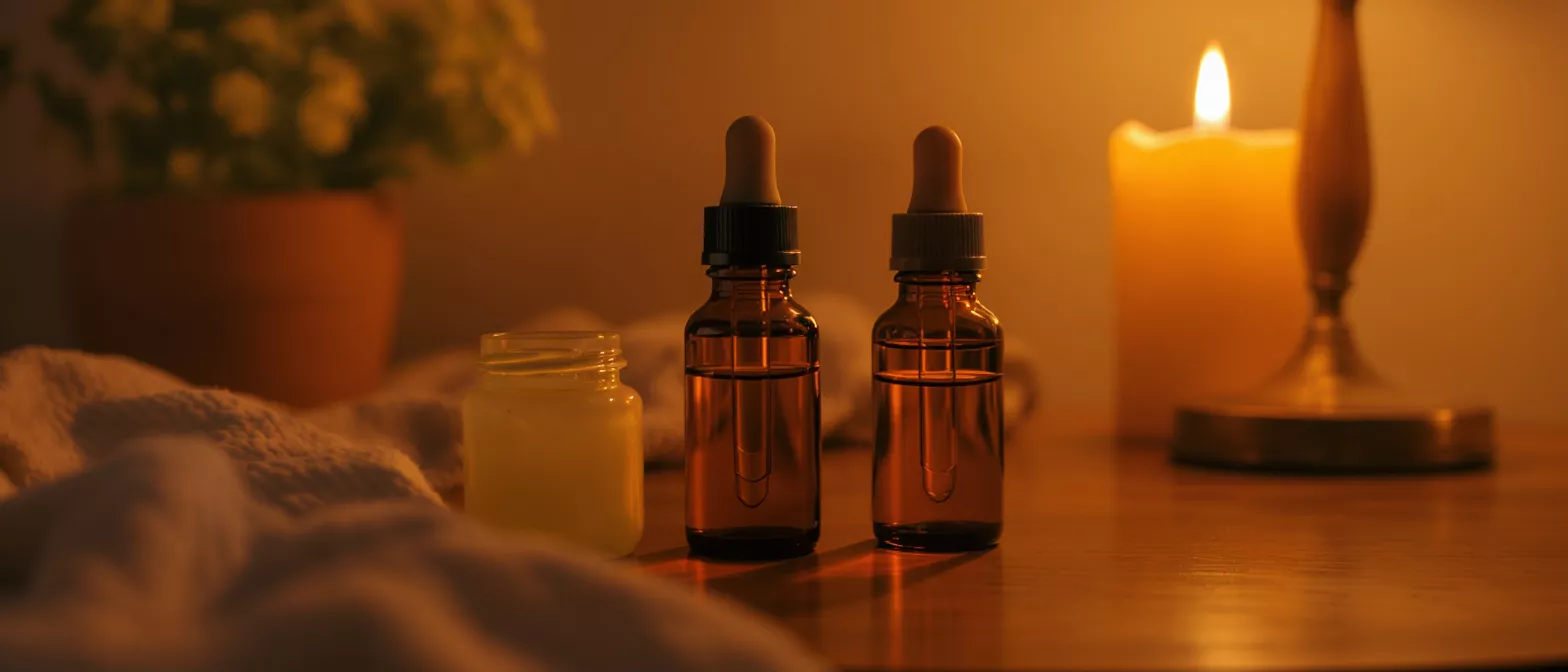
- 💧 Tinctures: Sweet, alcohol-free drops designed for sublingual or oral use, ideal for those sensitive to ethanol.
- 🧴 Topicals: Lotions and balms where glycerin pulls hydration into the skin while delivering cannabinoids locally.
- 🍬 Gummies and chews: Acts as a humectant to prevent edibles from drying out or crystallizing.
- 💨 Vape liquids: Sometimes blended with other carriers to influence vapor density and smoothness.
- 🥤 Beverages: Improves mouthfeel and helps disperse cannabinoids in liquids.
This range demonstrates why glycerin is considered a workhorse ingredient. The same molecule that sweetens a tincture also conditions skin in a balm, adapting its role to suit each product category without changing its fundamental chemistry.
Making Glycerin Cannabis Tinctures at Home
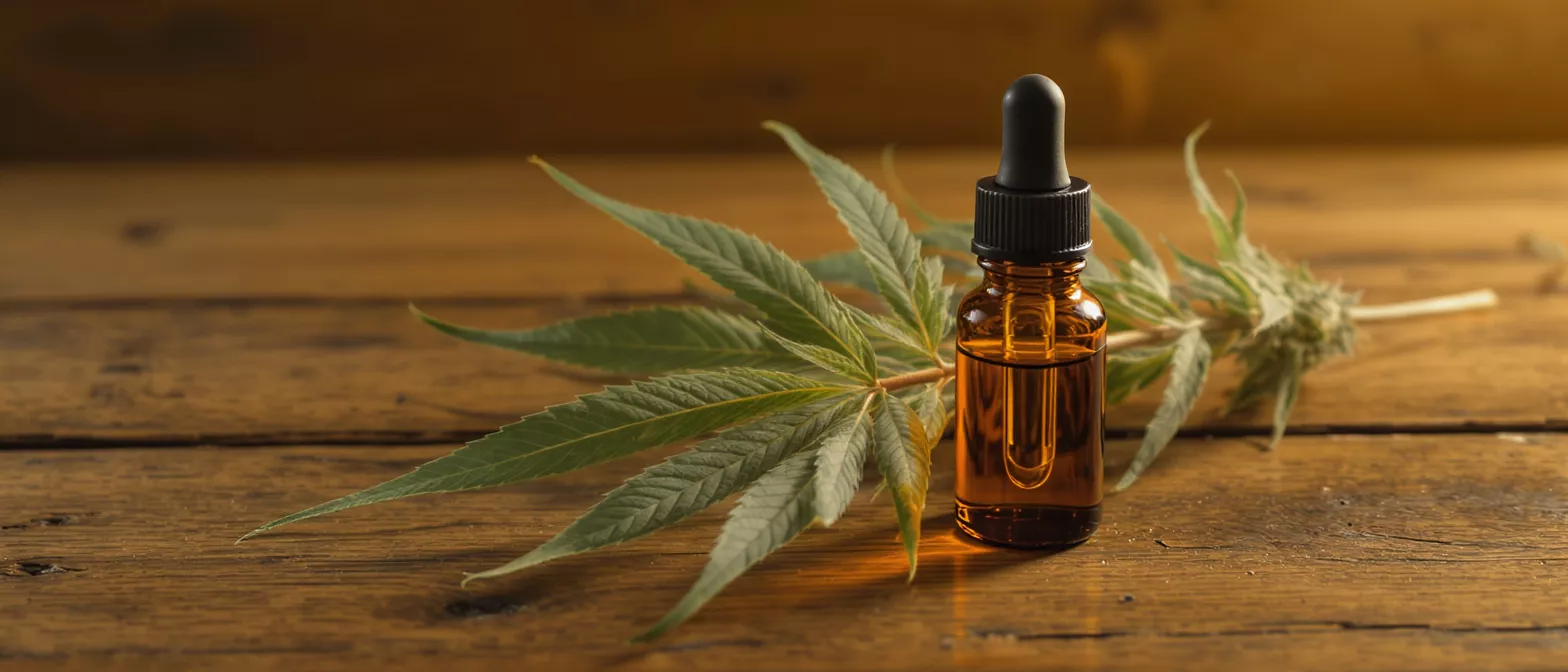
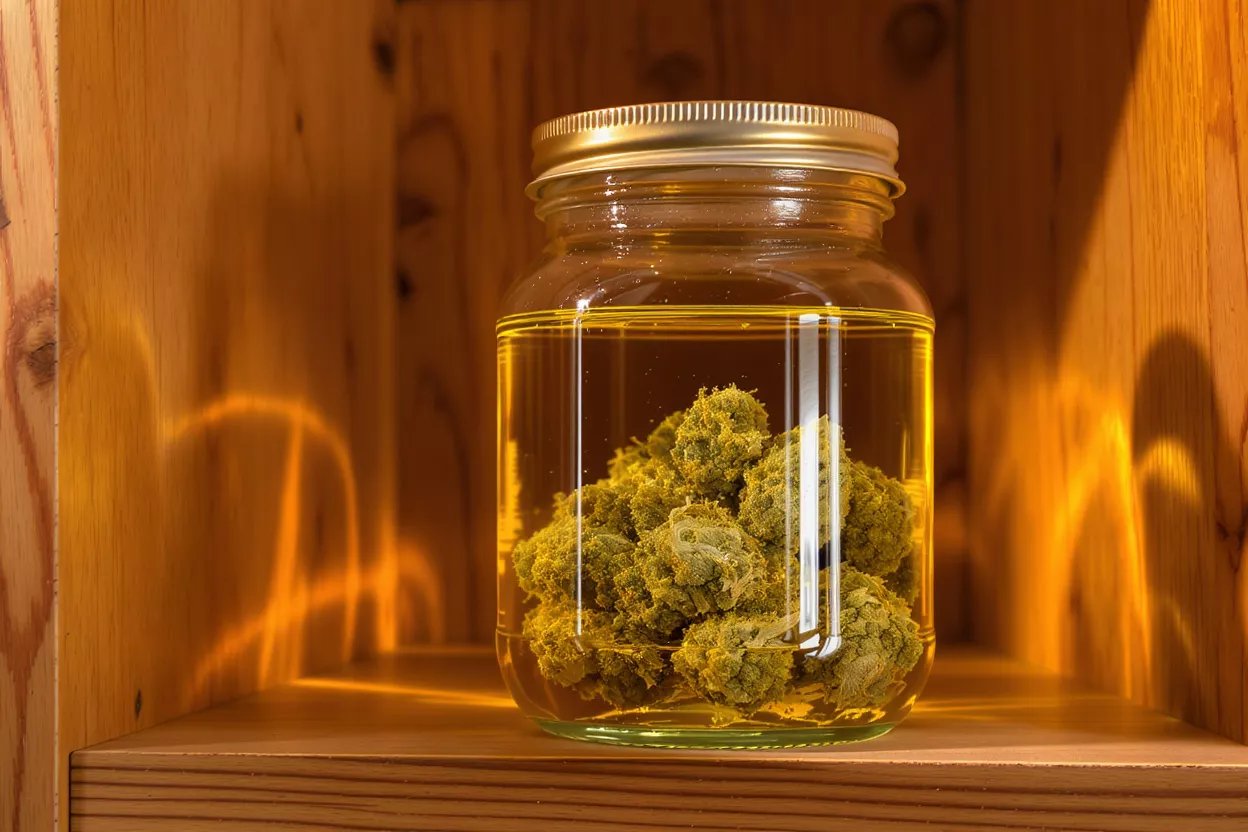
The basic method: Crafting a glycerin cannabis tincture at home starts with decarboxylating your flower, typically by baking it at a low temperature to convert raw acids into active cannabinoids. The decarbed material is then submerged in food-grade vegetable glycerin and held at a gentle warmth, either in a slow cooker or a sealed jar in a warm water bath, for anywhere from a few weeks to a couple of months.
Patience pays off: Because glycerin extracts slowly, the longer infusion times generally yield a more potent result. Stirring or shaking the mixture periodically keeps the plant material in contact with fresh glycerin and improves the transfer of cannabinoids. After steeping, the mixture is strained through cheesecloth to remove plant solids, leaving a smooth, amber liquid.
Home tinctures made this way are forgiving and approachable, but they are also less consistent than commercial products tested in a lab. Without analytical equipment, potency is an estimate, so starting with small servings is the sensible approach until you understand how a particular batch affects you.
Glycerin Cannabis Benefits for Edibles and Topicals
Palatability and comfort: The most immediate benefit of glycerin is taste. Its natural sweetness softens the grassy, bitter notes of cannabis extract, making tinctures far easier to take than harsh alcohol-based alternatives. For people who use cannabis daily or medicinally, that difference in comfort is meaningful.
Skin conditioning: In topicals, glycerin functions as a humectant, meaning it attracts and holds water against the skin. This keeps formulations moisturizing and helps deliver cannabinoids like CBD to the area of application while leaving skin feeling soft rather than dry.
Glycerin also offers a practical advantage for those avoiding alcohol for personal, religious, or health reasons. A glycerin tincture provides a non-volatile, non-intoxicating base that still delivers the active compounds you want, broadening access to cannabis for a wider audience.
Vegetable vs Synthetic Glycerin in Cannabis
Not all glycerin is created equal, and the source matters in cannabis formulation. Vegetable glycerin, often abbreviated VG, is derived from plant oils such as soybean, coconut, or palm. It is the standard choice for edibles, tinctures, and quality vape products because it is food-grade and plant-based, aligning with the preferences of most cannabis consumers.
Synthetic or industrial glycerin, by contrast, can be produced from petroleum-derived feedstocks and is not intended for consumption. The distinction is critical for anyone making or buying cannabis products:
- 🌱 Vegetable glycerin: Plant-derived, food-grade, USP or pharmaceutical grade, safe for ingestion and inhalation.
- ⚗️ Synthetic glycerin: May contain industrial impurities, not certified for consumption, avoid in cannabis products.
- 🔍 Certification check: Always confirm USP or food-grade labeling before using glycerin in anything you will consume.
For cannabis applications, the safe rule is simple: use only USP-grade vegetable glycerin. The cost difference is negligible, and the peace of mind around purity and safety is well worth it.
Is Glycerin in Cannabis Products Safe
Oral and topical safety: Food-grade vegetable glycerin has a long history of safe use in food, pharmaceuticals, and cosmetics. When ingested in tinctures or applied in topicals, USP-grade glycerin is widely regarded as safe and is even recognized as such by major food safety authorities. For most people it causes no irritation and integrates smoothly into a cannabis routine.
Inhalation considerations: The safety conversation grows more nuanced with vaping. When glycerin is heated to high temperatures, it can break down into compounds that some researchers flag as potential respiratory irritants. While glycerin is far gentler than many cutting agents, anyone vaping glycerin-based products should favor reputable formulations and avoid overheating their device.
As with any ingredient, individual sensitivity varies. A small number of people experience mild digestive effects from large amounts of glycerin because it is a sugar alcohol. Sticking to recommended servings keeps this a non-issue for the vast majority of users.
Glycerin Cannabis Tincture Dosing Guide
Dosing a glycerin cannabis tincture follows the same cautious principles as any cannabis product: start low and go slow. Because home-infused glycerin tinctures are often less potent than alcohol versions, you may need a slightly larger volume to feel comparable effects, but that does not mean dosing should be careless.
A sensible approach for newcomers to glycerin tinctures looks like this:
- 🌿 Start small: Begin with a quarter to half a dropper and wait at least an hour before considering more.
- ⏱️ Mind the onset: Sublingual use acts faster than swallowing, while glycerin tinctures held under the tongue offer a middle ground.
- 📓 Track your servings: Note volume and effects so you can fine-tune your personal dose over time.
- 🔁 Stay consistent: Use the same batch when calibrating, since potency varies between homemade infusions.
The interaction between glycerin and your body's absorption is gentle, which makes these tinctures a forgiving entry point. Holding the liquid under the tongue for a minute or two before swallowing can improve uptake of cannabinoids like THC, giving you a more predictable experience.
Glycerin Cannabis Quality Standards
What quality looks like: High-quality glycerin used in cannabis products should be clear, free of odor, and certified to USP or food-grade standards. Reputable manufacturers source vegetable glycerin with documented purity and verify that it contains no harmful contaminants such as diethylene glycol, an industrial adulterant that has caused safety incidents in poorly regulated supply chains.
Lab testing and transparency: Commercial cannabis brands that take quality seriously will pair clean glycerin with full-panel lab testing of the finished product. A certificate of analysis confirms cannabinoid potency and screens for residual solvents, pesticides, and microbial contamination, giving consumers confidence in what they are putting into their bodies.
When evaluating a glycerin-based tincture or topical, the source of the glycerin is just one piece of the puzzle. The overall manufacturing practices, ingredient sourcing, and testing transparency together determine whether a product meets a standard worth trusting.
Storing Glycerin Cannabis Products
Proper storage preserves both potency and quality in glycerin cannabis products. Glycerin itself is remarkably stable and resists spoilage thanks to its humectant nature, which makes glycerin tinctures and topicals comparatively long-lasting. Still, the cannabinoids suspended within them are sensitive to light, heat, and air, so smart storage focuses on protecting those active compounds.
Keep glycerin-based products in a cool, dark place such as a cupboard or drawer, away from direct sunlight and heat sources. Amber or opaque glass containers help block light degradation, and tightly sealed lids limit oxygen exposure that can slowly diminish cannabinoid content over time. Refrigeration is optional but can extend shelf life, though glycerin's viscosity increases when chilled.
In summary, glycerin is one of the cannabis industry's most versatile and approachable ingredients, lending sweetness to tinctures, hydration to topicals, and stability across countless formats. By choosing USP-grade vegetable glycerin, respecting careful dosing, and storing products thoughtfully, you can take full advantage of everything this humble molecule offers. Whether you are crafting a homemade tincture or evaluating a commercial product, understanding glycerin empowers you to make smarter, more confident cannabis choices.