Polyethylene
Discover how polyethylene protects cannabis freshness, meets safety rules, and shapes modern packaging.
What Is Polyethylene in Cannabis Packaging
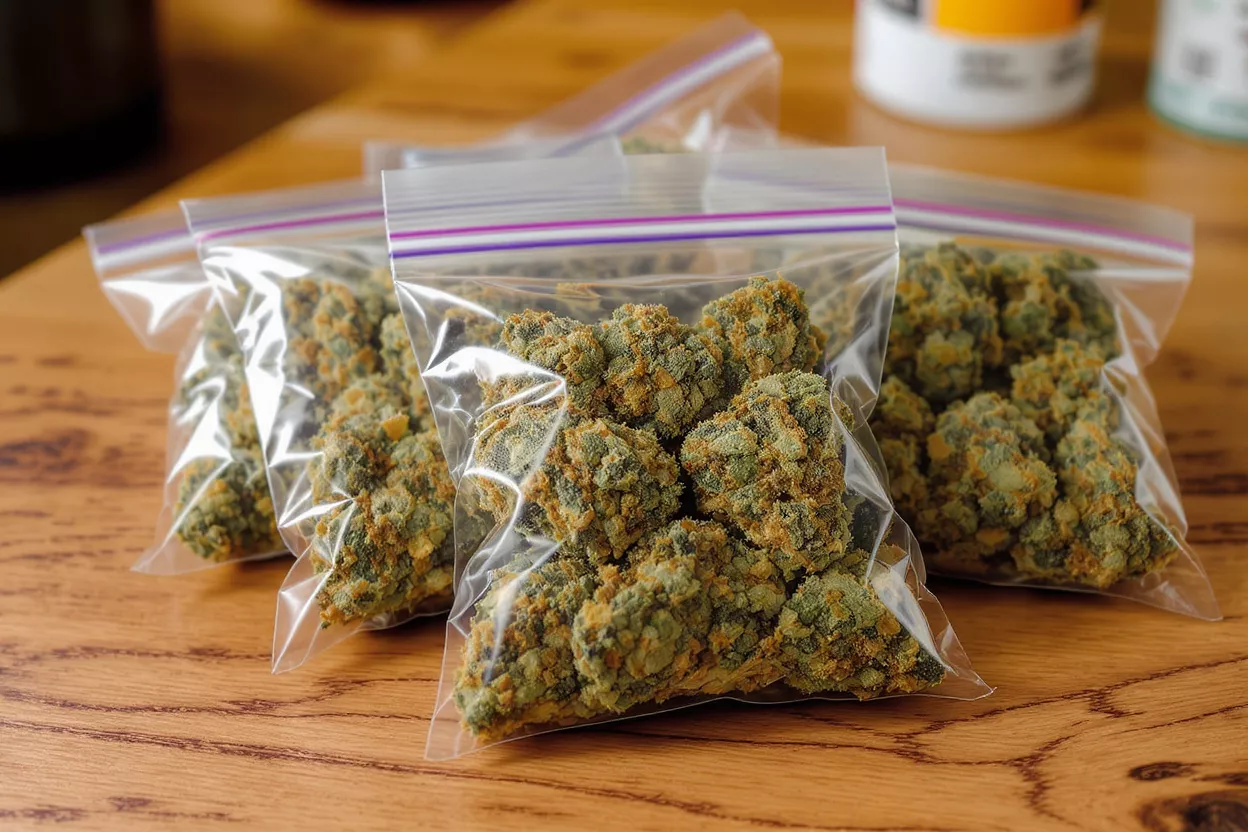
Polyethylene cannabis packaging is so ubiquitous that most consumers handle it daily without a second thought. From the resealable pouch holding your dried flower to the squeeze tube cradling a topical, polyethylene is the quiet workhorse of the modern dispensary shelf. It is the most widely produced plastic on earth, and the cannabis industry leans on it heavily for reasons that go well beyond simple cost.
Chemically, polyethylene is a polymer built from repeating ethylene units. Those long carbon chains link together to form a material that is flexible, moisture-resistant, and chemically inert. That inertness matters enormously when you are packaging a product whose value lives in fragile compounds like cannabinoids and terpenes.
Why the cannabis sector adopted polyethylene so quickly comes down to a rare combination of traits: it is food-safe, easy to mould into nearly any form, and inexpensive at scale. As legal markets expanded across North America, brands needed packaging that could meet strict regulatory requirements while staying affordable. Polyethylene checked every box, which is why it now dominates everything from jar liners to mylar-style bags.
How Polyethylene Packaging Protects Cannabis
The core job of any cannabis container is to defend the product against three enemies: oxygen, moisture, and light. Polyethylene addresses the first two with quiet efficiency. Its dense molecular structure creates a barrier that slows the migration of water vapour and air, which is precisely what keeps flower from drying into dust or, conversely, absorbing enough humidity to invite mould.
Oxygen is the slow saboteur of cannabis quality. When THC is exposed to air over time, it gradually oxidizes into CBN, dulling potency and altering effects. A well-sealed polyethylene barrier slows that reaction, extending the window during which a product tastes and performs the way the producer intended.
Multi-layer laminates push performance further. Pure polyethylene alone is a modest oxygen barrier, so many premium cannabis pouches sandwich it with metallized films or other polymers. The polyethylene layer typically forms the heat-sealable inner surface and the moisture shield, while an aluminum or EVOH layer blocks oxygen and light. This layered approach is how a flexible pouch can rival a glass jar for shelf stability.
Types of Polyethylene Used in Cannabis Products
Not all polyethylene is the same. The material comes in several grades distinguished by their molecular density and branching, and each grade brings different properties to a cannabis package. Understanding the differences helps explain why a stiff jar and a soft squeeze tube can both be made from the same base polymer.
- 🧪 HDPE (High-Density Polyethylene): Rigid and tough, used for opaque jars, lids, and concentrate containers where structure and chemical resistance matter.
- 💧 LDPE (Low-Density Polyethylene): Soft and flexible, ideal for squeeze tubes, film liners, and pliable pouches.
- 🔗 LLDPE (Linear Low-Density Polyethylene): A stretchy, puncture-resistant variant often blended into pouch films for added strength.
- ♻️ Recycled PE: Post-consumer resin increasingly used by sustainability-focused brands to lower environmental footprint.
HDPE tends to dominate hard containers because its tightly packed chains resist dents and chemical leaching, making it a safe home for everything from gummies to concentrates. LDPE and LLDPE, by contrast, give engineers the flexibility to design pouches that fold flat, reseal cleanly, and survive shipping abuse.
The choice of grade is rarely arbitrary. A producer packaging a sticky live resin will reach for HDPE or specialized films, while a brand selling pre-rolls in a soft bag may favour an LDPE-lined laminate. Matching the polymer to the product is a small engineering decision with a big impact on shelf life.
Polyethylene vs Other Cannabis Packaging Materials
Polyethylene rarely competes alone. Glass, polypropylene, and aluminum all share the dispensary shelf, and each has trade-offs that influence which products they wrap. Comparing them honestly reveals why polyethylene wins some battles and concedes others.
Glass remains the premium benchmark for flower jars. It is impermeable, completely inert, and infinitely recyclable, but it is also heavy, breakable, and expensive to ship. Polyethylene cannot match glass for absolute barrier perfection, yet it crushes glass on weight, cost, and shatter resistance, which is why budget and travel-friendly formats lean plastic.
- 🫙 Glass: Best inertness and barrier, but heavy and fragile.
- 📦 Polyethylene: Lightweight, cheap, flexible, and shatterproof.
- 🧴 Polypropylene: Stiffer and more heat-tolerant, common for caps and dab containers.
- 🥫 Aluminum: Excellent light and oxygen barrier, often paired with PE liners.
In practice, the smartest packaging often combines materials rather than choosing one outright. An aluminum tin with a polyethylene-lined lid, or a laminated pouch marrying metallized film to a PE seal layer, captures the strengths of each component. Polyethylene's real superpower is how gracefully it partners with other materials.
Is Polyethylene Safe for Cannabis Storage
Safety is the first question any thoughtful consumer should ask about the material touching their cannabis, and the news here is reassuring. Food-grade polyethylene is approved for direct food contact by regulators worldwide, and it contains no BPA, a compound associated with certain plastics that polyethylene simply does not use in its chemistry.
Chemical inertness is polyethylene's strongest safety credential. The polymer does not readily react with the oils, acids, or solvents present in cannabis products, which means it is unlikely to leach unwanted compounds into your flower or extract under normal storage conditions. This stability is exactly why it is trusted for milk jugs, water pipes, and medical packaging.
There are sensible limits worth respecting. Polyethylene has a relatively low melting point, so it should never be exposed to high heat, and oily concentrates stored long-term are usually better served by glass or specialized silicone. For dried flower, edibles, and most everyday formats, food-grade polyethylene offers a clean, stable, and well-tested storage environment.
Polyethylene and Child-Resistant Packaging Rules
Across legal markets, cannabis packaging must be child-resistant, and polyethylene plays a starring role in meeting that mandate. Regulators in Canada and most U.S. states require that containers be difficult for young children to open while remaining accessible to adults, a balance that demands clever engineering.
Push-and-turn closures and zip-lock pouches both rely on polyethylene. The flexible PE film in a resealable bag can be paired with a child-resistant slider mechanism, while rigid HDPE supports the threaded caps that snap into locking positions. These designs must pass standardized protocols testing whether children can defeat them within a set time.
Compliance is not optional, and the consequences of failure are steep, ranging from product recalls to lost licences. Because polyethylene can be moulded into precise, repeatable closures at scale, it has become a default choice for brands navigating the patchwork of regional packaging laws while keeping costs manageable.
Polyethylene Benefits for Cannabis Freshness
The freshness payoff of good polyethylene packaging shows up in the details a consumer actually notices: vivid aroma, sticky resinous flower, and effects that match the label. Each of those qualities depends on protecting the volatile compounds that degrade the moment a product meets too much air, light, or humidity.
Terpenes are the most fragile cargo of all. These aromatic molecules evaporate easily and give each strain its signature smell and character. A tight polyethylene seal slows that evaporation, helping a jar of flower keep the pungent bouquet it had on packaging day rather than fading into flat, hay-like notes.
Humidity control rounds out the freshness story. Polyethylene's resistance to water vapour helps maintain the narrow moisture window, roughly 55 to 65 percent relative humidity, where flower stays supple without risking mould. Many producers pair a PE container with a two-way humidity pack, letting the plastic hold the line while the pack fine-tunes the interior climate.
- 🌿 Aroma retention: Slows terpene loss for a fuller scent profile.
- ⏳ Extended shelf life: Limits oxidation that degrades cannabinoids.
- 💧 Moisture balance: Keeps flower from drying out or over-humidifying.
- 🔒 Resealability: Protects the product across multiple uses.
Recycling Polyethylene Cannabis Packaging
Polyethylene's environmental story is more nuanced than a simple thumbs up or down. On the positive side, both HDPE and LDPE are technically recyclable and carry the familiar resin codes 2 and 4, respectively. HDPE in particular is one of the most readily recycled plastics in municipal programs.
Multi-layer laminates complicate the recycling picture. The very layering that makes cannabis pouches so effective at preserving freshness also makes them hard to recycle, because separating a metallized film from a polyethylene seal layer is rarely feasible in standard facilities. As a result, many high-barrier pouches still end up in landfill despite being made partly of recyclable polymer.
The industry is responding with mono-material pouches designed from a single polyethylene family so they can flow through existing recycling streams. Some brands also run take-back programs, collecting used containers for proper processing. Choosing rigid HDPE jars or recyclable mono-PE formats is one practical way consumers can lower the footprint of their habit.
Polyethylene Storage Tips for Cannabis Consumers
Owning the right container is only half the equation; how you use it determines whether your cannabis actually stays fresh. A few mindful habits turn ordinary polyethylene packaging into a genuinely effective preservation system, no special equipment required.
Keep it cool, dark, and sealed. Polyethylene shields against moisture and air, but it is only a modest barrier to light and heat. Store your container in a cupboard or drawer away from windows and appliances, and your flower will hold its potency and aroma far longer than it would on a sunny counter.
Burping and pressing out excess air also help. Each time you open a resealable PE pouch, squeeze out the air before sealing it again to minimize the oxygen trapped inside. For edibles and gummies, keep the original child-resistant closure functional so the package continues to protect both the product and any curious household members.
Finally, resist the urge to decant everything into one giant container. Repackaging breaks the controlled environment the producer engineered and exposes the whole batch to air every time you reach in. Keeping cannabis in its original polyethylene packaging, or dividing it into smaller sealed portions, preserves freshness across the life of your supply.
The Future of Polyethylene in Cannabis Sustainability
Polyethylene is not going anywhere, but its form is evolving fast under pressure from regulators and conscientious consumers. The next decade of cannabis packaging will likely keep the polymer's protective strengths while shedding much of its environmental baggage through smarter design and better materials science.
Bio-based and recycled polyethylene are gaining ground. Producers can now source PE made from plant feedstocks like sugarcane, chemically identical to conventional polyethylene but with a lower carbon footprint. Combined with rising post-consumer recycled content, these options let brands keep familiar packaging performance while answering sustainability demands.
Mono-material design is the other major frontier. By engineering pouches entirely from the polyethylene family rather than mixed laminates, manufacturers are creating high-barrier packaging that recycling facilities can actually process. As these formats mature, the trade-off between freshness and recyclability that defined early legal markets should steadily narrow.
Polyethylene earned its place in the cannabis industry by being safe, affordable, flexible, and protective, and those fundamentals remain rock solid. The material keeps your flower fragrant, your edibles secure, and your concentrates stable, all while meeting strict child-resistance laws. As bio-based resins and mono-material designs take hold, polyethylene is poised to stay the backbone of cannabis packaging while finally making peace with the planet, a fitting evolution for the most versatile plastic on the shelf.