Cannabis Delta
Find a dispensary near me in Delta with tested cannabis, daily deals, and expert staff.
What Is a Dispensary Near Me in Delta
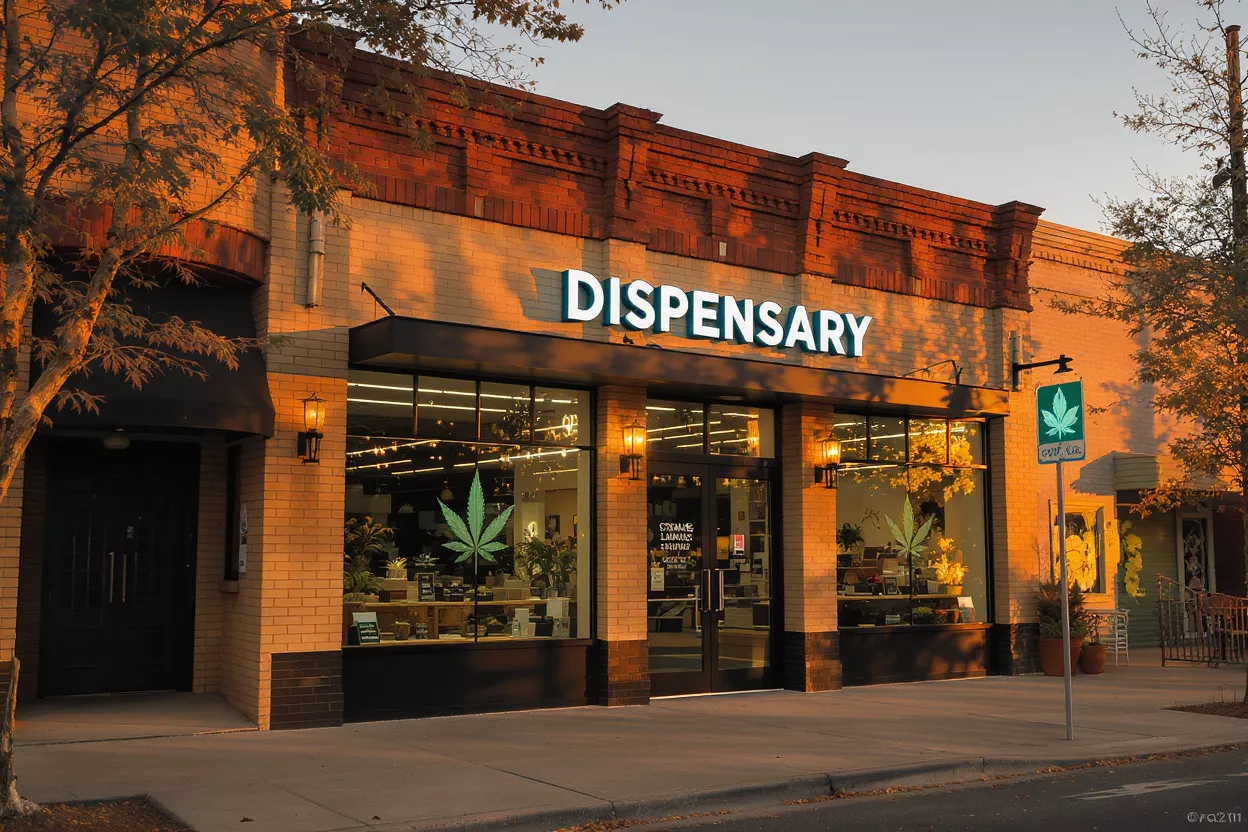
Searching for a dispensary near me in Delta connects you to a regulated retail space where legal cannabis is sold to adults of legal age. Unlike the informal market of years past, a modern dispensary operates under provincial and federal licensing, offering tested products, clear labelling, and knowledgeable staff. Whether you are a seasoned consumer or someone exploring cannabis for the first time, the local dispensary has become a community fixture in Delta, blending convenience with consumer protection.
The appeal of shopping locally goes beyond proximity. A nearby dispensary means you can browse a curated menu, ask questions face-to-face, and walk out with products you understand. Many people who try a wake and bake routine on weekends, or who simply want a reliable evening unwind, appreciate having a trusted store minutes from home rather than relying on guesswork or distant retailers.
Why location matters more than you think: Choosing a dispensary close to home reduces the friction of restocking and lets you build a relationship with staff who learn your preferences. Over time, this familiarity translates into better recommendations, faster service, and access to in-store promotions that online-only shoppers often miss. The 420 culture that grew up around cannabis has matured into a retail experience that rewards regulars with loyalty perks and personalized guidance.
How Dispensaries in Delta Work
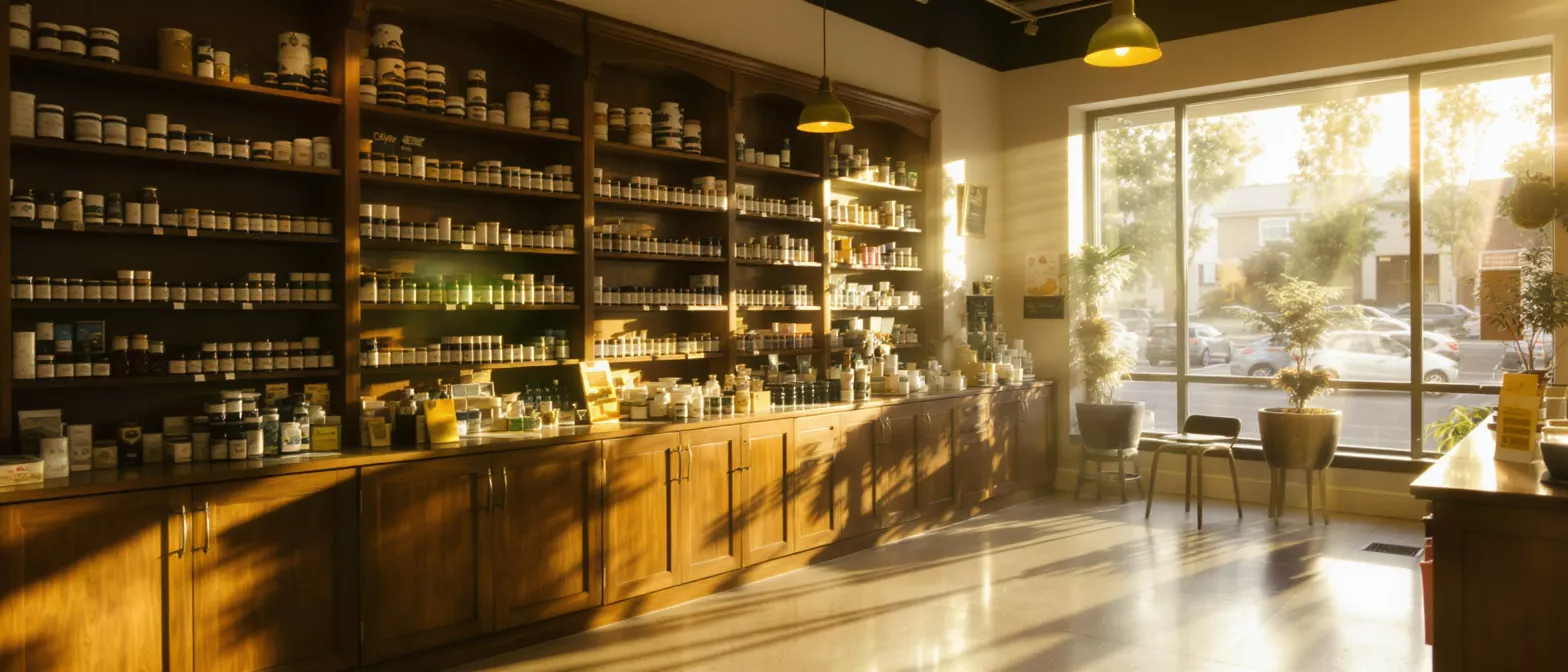
A dispensary functions much like any specialized retail store, but with an added layer of compliance designed to keep consumers safe. When you walk in, you are typically greeted by a budtender—a trained staff member whose job is to help you navigate the menu. Products are stored securely behind counters or in display cases, and every item carries a label detailing its cannabinoid content, batch number, and packaging date.
The transaction itself is straightforward. You select your products, the budtender retrieves them, and you pay at a point-of-sale system that records the sale for regulatory tracking. Research published by Frontiers highlights how standardized labelling and testing have improved consumer confidence in legal markets, reducing the uncertainty that once defined cannabis purchasing.
The role of the budtender: Think of a budtender as a sommelier for cannabis. They can explain the difference between a spliff and a pre-roll, walk you through dosing for edibles, or suggest a strain based on the experience you are seeking. Their guidance is especially valuable when you encounter unfamiliar terms like terpene profiles or extraction methods. A good budtender never pressures you—they educate, and that education is part of what makes the in-store experience worth the trip.
Types of Products at a Delta Dispensary
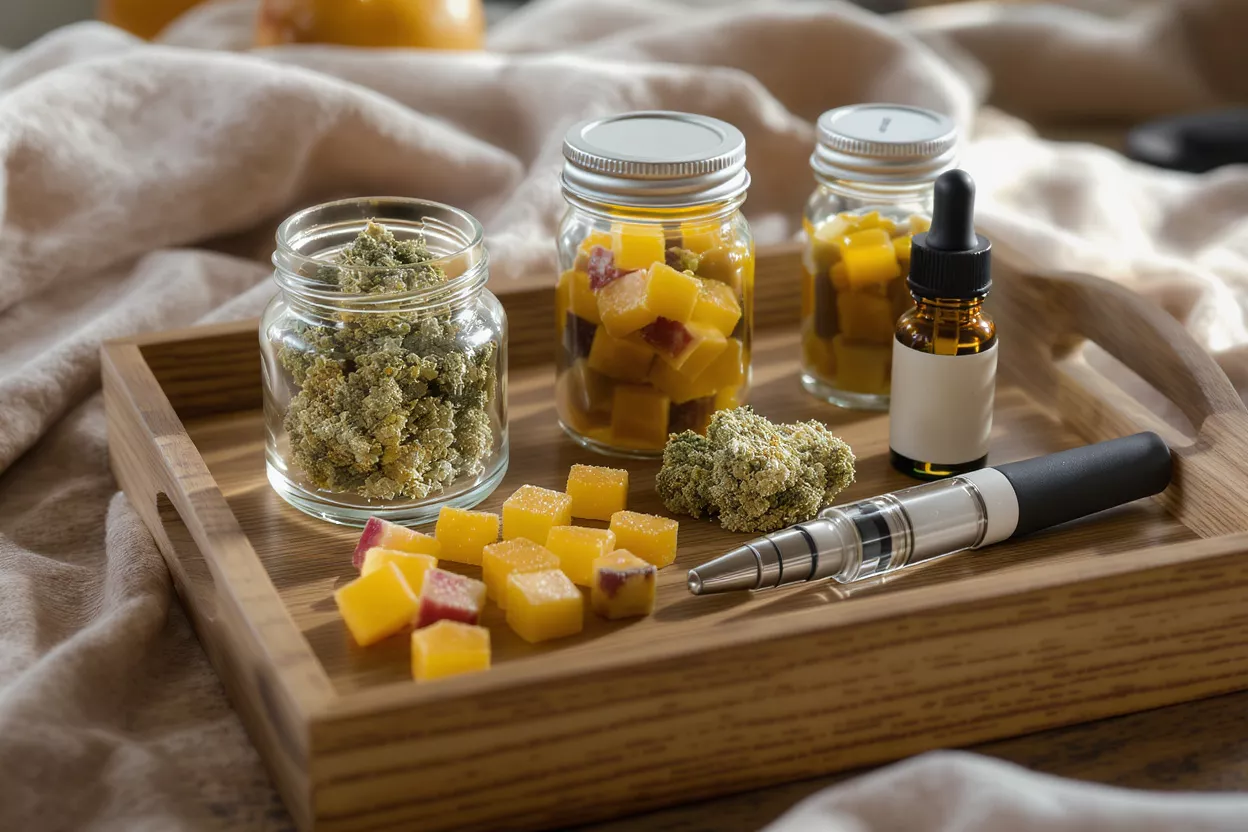
The variety on a modern dispensary menu can surprise newcomers. Gone are the days when cannabis meant only dried flower. Today's Delta dispensaries stock an array of formats designed for different preferences, tolerances, and lifestyles. Understanding these categories helps you shop with intention rather than wandering the menu unsure of what suits you.
Here is a quick overview of the most common product types you will encounter:
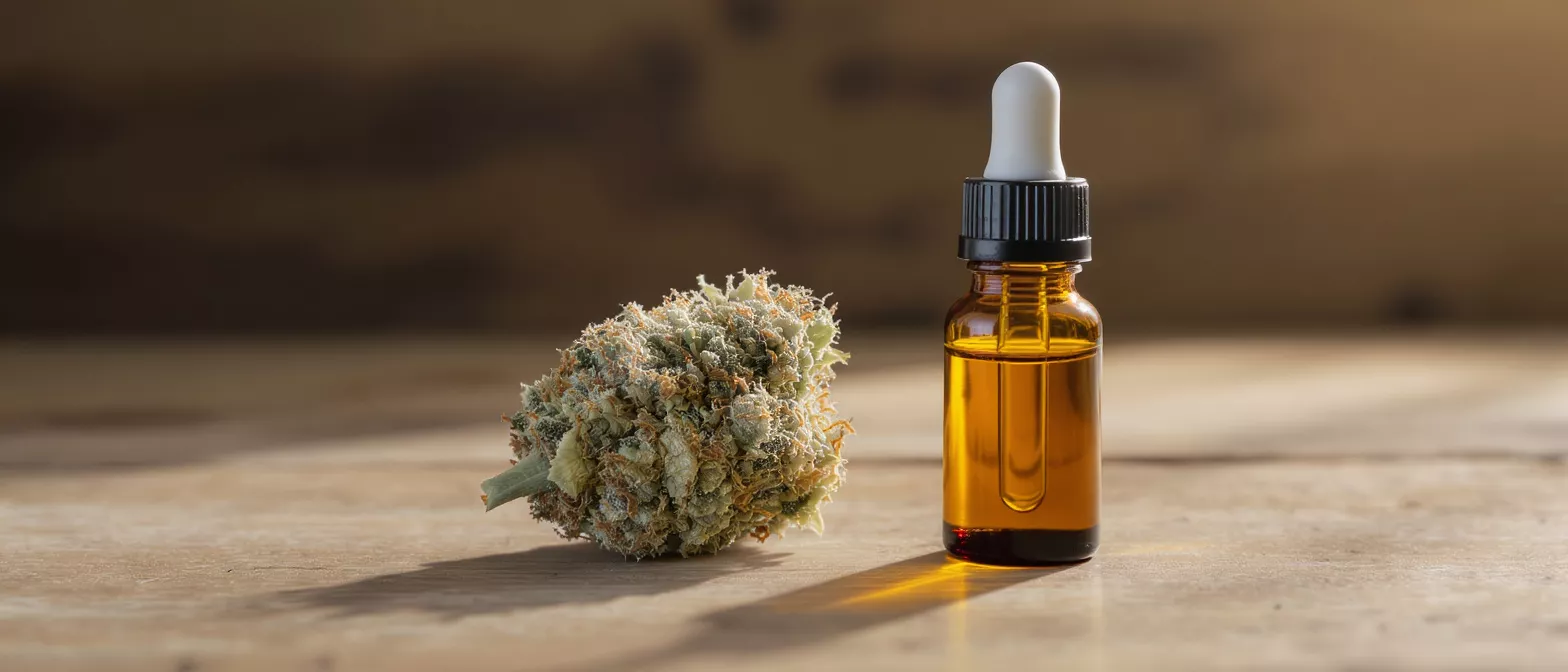
- 🌿 Dried flower: The classic format, sold by the gram and ideal for those who enjoy rolling their own or using a dry-herb device.
- 🍬 Edibles: Gummies, chocolates, and beverages offering discreet, smoke-free dosing with a slower, longer-lasting effect.
- 💧 Concentrates: Potent extracts like a thc shatter bar, rosin, or live resin for experienced consumers seeking strength.
- 🖊️ Vapes: 510 thread cartridges and disposable pens offering convenience and controlled inhalation.
- 🧴 Topicals: Creams and balms—a popular Topical 2025 category—for localized comfort without intoxication.
For those who appreciate variety, exploring a curated edibles sampler is a smart way to discover which formats and dosages work best without committing to a single large purchase. The 710 community, devoted to concentrates, gravitates toward the higher-potency end of the menu, while wellness-focused shoppers often start with topicals or low-dose edibles.
How to Find the Best Dispensary Near Me in Delta
Not all dispensaries are created equal, and finding the best dispensary near me in Delta involves weighing a few key factors. Location is the obvious starting point, but selection, staff knowledge, pricing, and atmosphere all play a role in whether a store earns your repeat business. A little research up front saves time and money down the road.
Online menus and reviews are your most powerful tools. Most reputable dispensaries publish their inventory online, letting you check stock and prices before you leave home. Customer reviews reveal patterns—consistent praise for friendly staff or complaints about long wait times tell you what to expect. Pay attention to how a store responds to feedback, as that often reflects its overall service philosophy.
What separates a great dispensary from an average one: The best shops combine a deep, well-organized menu with budtenders who genuinely know their products. They keep their displays clean, their labelling clear, and their pricing transparent. When you visit, gauge whether staff take time to answer questions about things like winterization in extract production or the meaning of a particular terpene like valencene. A store that welcomes curiosity is one worth returning to, and many shoppers find a beginner-friendly starter kit makes that first visit far less intimidating.
Delta Dispensary Daily Deals and Savings
One of the underrated perks of shopping at a local dispensary is access to recurring promotions. Many Delta stores run daily deals—discounts that rotate by day of the week or product category. Knowing the schedule can stretch your budget considerably, especially if you are a regular consumer who purchases consistently.
Common savings opportunities include weekday specials, bulk pricing on flower, and loyalty programs that reward repeat visits with points or member-only discounts. Signing up for a dispensary's newsletter or app often unlocks early access to sales and exclusive offers that walk-in customers never see.
- 📅 Theme days: Discounts tied to a weekday, such as edibles savings on one day and concentrate deals on another.
- 💰 Bulk pricing: Lower per-gram rates when you buy larger quantities of flower.
- ⭐ Loyalty rewards: Points-based programs that accumulate toward future discounts.
- 🎉 Holiday events: Special pricing around cannabis-culture dates like 420 and 710.
Smart shoppers plan their visits around these promotions. If you know your favourite store discounts vape cartridges every Tuesday, timing your restock saves real money over the course of a year. A quality reusable storage container also helps you buy in bulk during sales without sacrificing freshness.
What to Bring to a Dispensary Near Me in Delta
Preparing for your first dispensary visit removes any anxiety about the process. The single most important item is valid government-issued photo identification proving you are of legal age. Dispensaries are legally required to verify age at the door or point of sale, and they will turn away anyone without proper ID—no exceptions.
Payment is the next consideration. While many dispensaries accept debit and credit cards, some still operate on a cash-preferred basis, so carrying cash can save you from surprises. ATMs are often available on-site, but they may charge fees, so plan accordingly. Bringing a clear idea of your budget also helps you shop intentionally rather than impulse-buying.
A short checklist before you go: Beyond ID and payment, it helps to come with a few questions in mind. Knowing whether you want flower, edibles, or a vape narrows the conversation and makes the budtender's job easier. If you have preferences around effects—energetic versus relaxing, or a particular cannabinoid ratio—jot them down. This small bit of preparation transforms a confusing menu into a focused, efficient shopping trip.
Understanding Cannabis Extraction and Quality
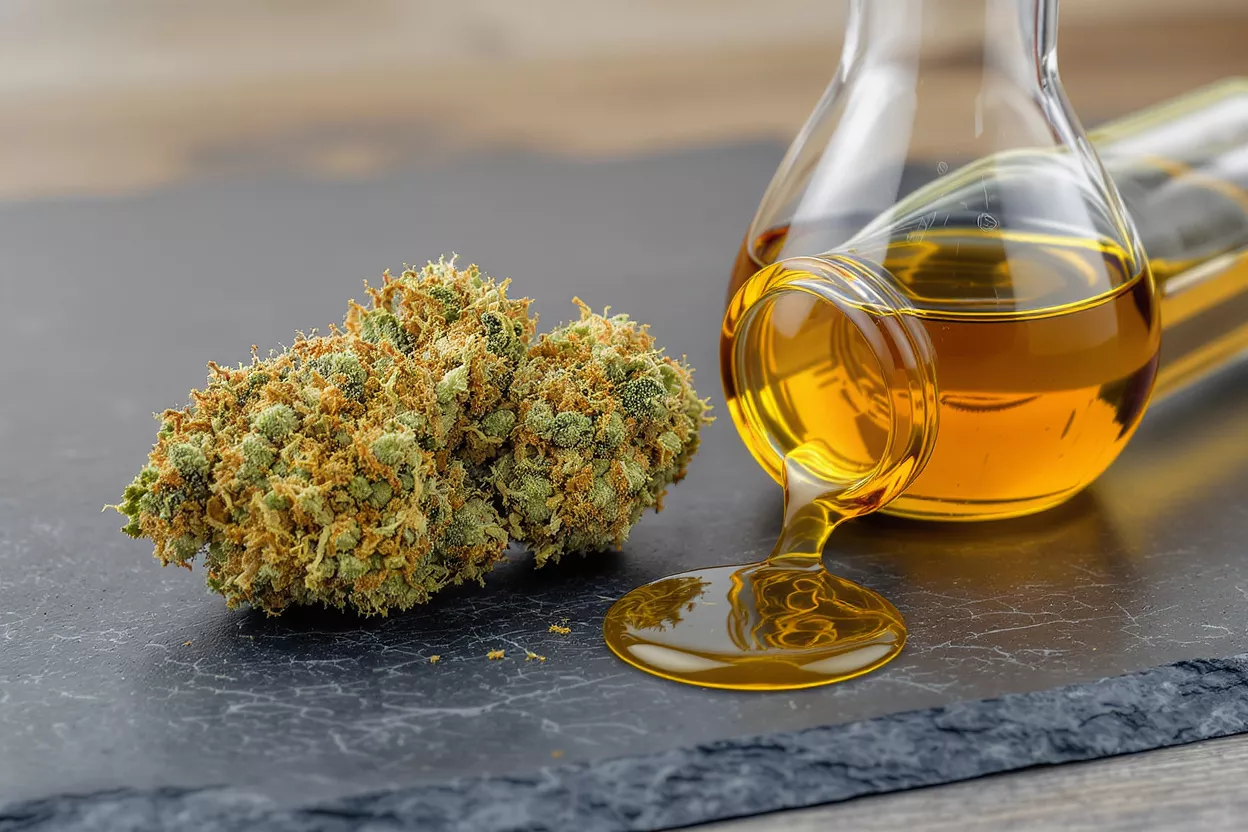
The quality of cannabis products depends heavily on how they are made, and dispensaries increasingly cater to consumers who want to understand the process. Extraction is the method used to pull cannabinoids and terpenes from the plant, and different techniques yield different results. Alcohol extraction, for instance, is a common and efficient method, while solventless approaches like rosin pressing appeal to purists.
Refinement steps further shape the final product. Winterization removes fats and waxes for a cleaner concentrate, while additives like xanthan gum may stabilize certain edibles and beverages. Even plant biology matters—compounds like xanthophyll pigments and terpenes such as valencene contribute to the colour, aroma, and character of what you consume. Knowing these terms helps you read labels with a critical eye.
How extraction affects your experience: The method behind a concentrate influences its potency, flavour, and purity. A well-made live resin preserves more of the plant's original terpene profile, delivering a richer aroma than a heavily processed distillate. When budtenders discuss tree perc or waffle perc filtration in glass pieces, they are describing how smoke is cooled and diffused for a smoother draw. These details matter most to enthusiasts, but even casual consumers benefit from grasping the basics of what they are buying.
Dispensary Near Me in Delta for Beginners
If you are new to cannabis, a dispensary near me in Delta is the safest place to start your journey. Unlike unregulated sources, a licensed store guarantees tested products with accurate dosing information, which is critical when you are still learning your tolerance. The golden rule for beginners is simple: start low and go slow, especially with edibles, where effects can take up to two hours to appear.
Beginners often feel overwhelmed by terminology, but you do not need to master everything at once. You will hear words like agonist—referring to how cannabinoids interact with your body's receptors—or zaza, slang for premium flower. There is no shame in asking what these mean. Budtenders expect questions from newcomers and genuinely enjoy helping people get started on the right foot.
Beginner-friendly product suggestions: Low-dose edibles, balanced flower with moderate potency, and pre-rolls are forgiving entry points. Avoid jumping straight into high-strength concentrates favoured by the 710 crowd. Take notes on what you try and how it affects you, building a personal record that guides future purchases. This methodical approach turns experimentation into informed, comfortable consumption.
Are Delta Dispensaries Safe and Regulated
Safety is built into the foundation of every licensed dispensary in Delta. Legal stores operate under strict provincial and federal oversight, which mandates lab testing for potency, pesticides, mould, and other contaminants. This regulatory framework is the single biggest advantage of buying from a licensed retailer rather than an unregulated source—you know exactly what you are consuming.
Product labelling reinforces this transparency. Every legal package lists THC and CBD content, batch information, and packaging dates, allowing you to make informed decisions. Childproof packaging and clear warning labels further protect households. These measures may seem like bureaucratic details, but they represent a meaningful leap in consumer safety compared to the pre-legalization era.
How to verify a dispensary is legitimate: A licensed dispensary displays its provincial authorization clearly, often near the entrance or at the register. If you are unsure, provincial cannabis authorities maintain public lists of approved retailers. Avoid any store that cannot demonstrate licensing, sells untested products, or pressures you toward purchases. Legitimate dispensaries welcome scrutiny because compliance is their competitive advantage, and it protects both the business and its customers.
Delta Dispensary Tips for a Better Visit
A few practical habits make every dispensary trip smoother and more rewarding. Timing your visit to avoid peak hours—typically evenings and weekends—means shorter waits and more one-on-one time with staff. Mid-afternoon on a weekday is often the quietest window, giving you space to browse and ask questions without feeling rushed.
Building a rapport with budtenders pays dividends over time. When staff recognize you and recall your preferences, recommendations become sharper and more personal. Do not hesitate to share feedback on past purchases—whether a strain delivered the relaxation you wanted or an edible's dose was perfect. This dialogue helps staff guide you toward products you will genuinely enjoy.
Finally, stay curious and keep learning. The cannabis world is rich with terminology and innovation, from the structure of a stamen on the plant to advanced filtration like a Swiss perc in glassware. Whether you are exploring aeroponics-grown flower or simply refining your weekend wake and bake ritual, treating each visit as a chance to learn deepens your appreciation. A dispensary near me in Delta is more than a store—it is a gateway to a thoughtful, informed relationship with cannabis that grows richer with every visit.