


CBD Anxiety Relief 2026: What You Need to Know About Effectiveness
Discover how CBD anxiety relief works, what research says, and how to find your ideal dose.
If you have been searching for a calmer baseline without the foggy aftermath of stronger sedatives, CBD anxiety relief has likely crossed your radar more than once. Cannabidiol has moved from niche wellness shelves into mainstream conversation, and for good reason: a growing body of research suggests it may help take the edge off everyday stress, racing thoughts, and the physical tension that anxiety brings. This guide cuts through the marketing noise to explain what cannabidiol actually does, how to dose it sensibly, and where it fits alongside the rest of your wellness routine.
Anxiety is not a single experience. For some it shows up as a tight chest before a meeting; for others it is the 3 a.m. spiral that refuses to quiet. CBD is not a cure, and anyone promising instant transformation is overselling it. What the evidence does support is a meaningful role for cannabidiol as one tool among several, particularly when paired with sleep hygiene, movement, and professional care. Let's walk through the practical details that actually matter.
What Is CBD Anxiety Relief and How Does It Work
The endocannabinoid system connection: CBD anxiety relief works largely through your endocannabinoid system, a network of receptors that helps regulate mood, sleep, stress response, and more. Unlike THC, cannabidiol does not bind strongly to CB1 receptors, which is why it does not produce a high. Instead, it appears to influence how your body uses its own natural cannabinoids and interacts with serotonin pathways tied to mood regulation.
The serotonin angle is where things get interesting for anxiety specifically. Early research points to CBD interacting with the 5-HT1A receptor, the same broad target many conventional anti-anxiety medications aim for. This does not make cannabidiol a pharmaceutical equivalent, but it offers a plausible mechanism for the calming effects so many users report. The result for most people is a gentle softening of stress rather than sedation, which is part of why it has become so popular among those who want to stay functional.
It helps to separate CBD from its better-known cousin THCV and the broader cannabis conversation. Cannabidiol is one of more than a hundred compounds in the plant, and it is the one most consistently associated with calm rather than intoxication. When people talk about a non-impairing path to relaxation, this is usually the molecule they mean.
Does CBD Help Anxiety? What the Research Says
What clinical studies have found: The question of whether CBD helps anxiety has drawn serious scientific attention. A frequently cited study found that a single dose significantly reduced anxiety in people facing a simulated public speaking test, a classic anxiety trigger. Other reviews of preclinical and human data suggest cannabidiol shows promise for generalized anxiety, social anxiety, and stress-related symptoms. As outlined by Prevention, the early evidence is encouraging even as larger trials are still needed.
It is worth being honest about the limits here. Much of the strongest data comes from short-term studies, animal models, or small human samples. That does not mean the effects are imaginary; it means we are still building the full picture. Anecdotally, the volume of positive reports is hard to ignore, and many people find real value in cannabidiol even where the formal literature remains cautious.
For anyone exploring CBD for anxiety and depression together, the overlap matters. Anxiety and low mood frequently travel as a pair, and some of the same serotonin pathways are implicated in both. While CBD is not a substitute for treatment of clinical depression, its potential to ease the anxious component may indirectly support overall wellbeing.
CBD Oil for Anxiety: How It Compares to Other Forms
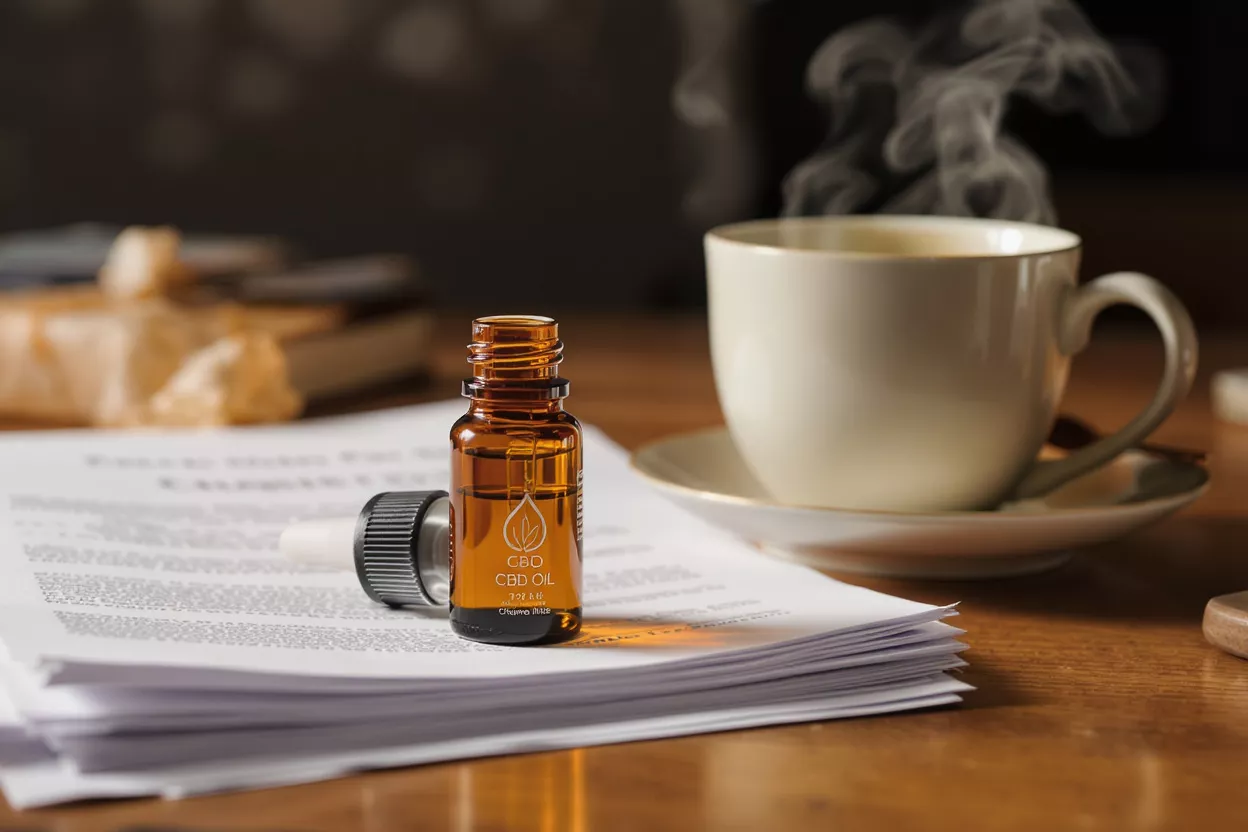
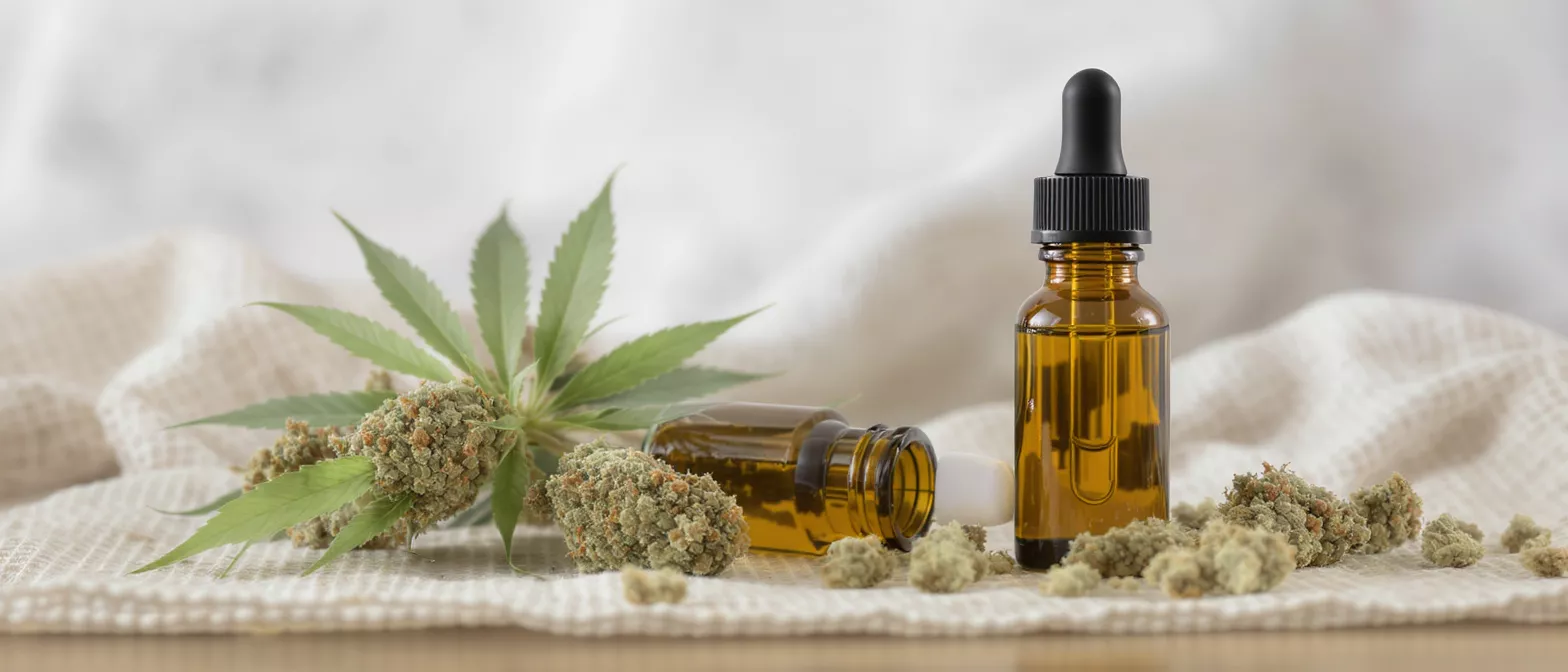
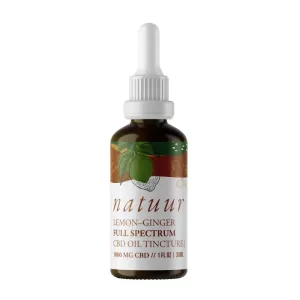
Why oil remains the most popular format: CBD oil for anxiety is the format most people picture first, and for good reason. Tinctures placed under the tongue absorb through the mucous membranes, delivering noticeable effects within fifteen to thirty minutes. That speed makes oil a practical choice for situational anxiety, like calming nerves before an event. A quality full-spectrum tincture is one of the most flexible tools you can keep on hand, and a well-made full-spectrum CBD oil tincture lets you dial your dose drop by drop.
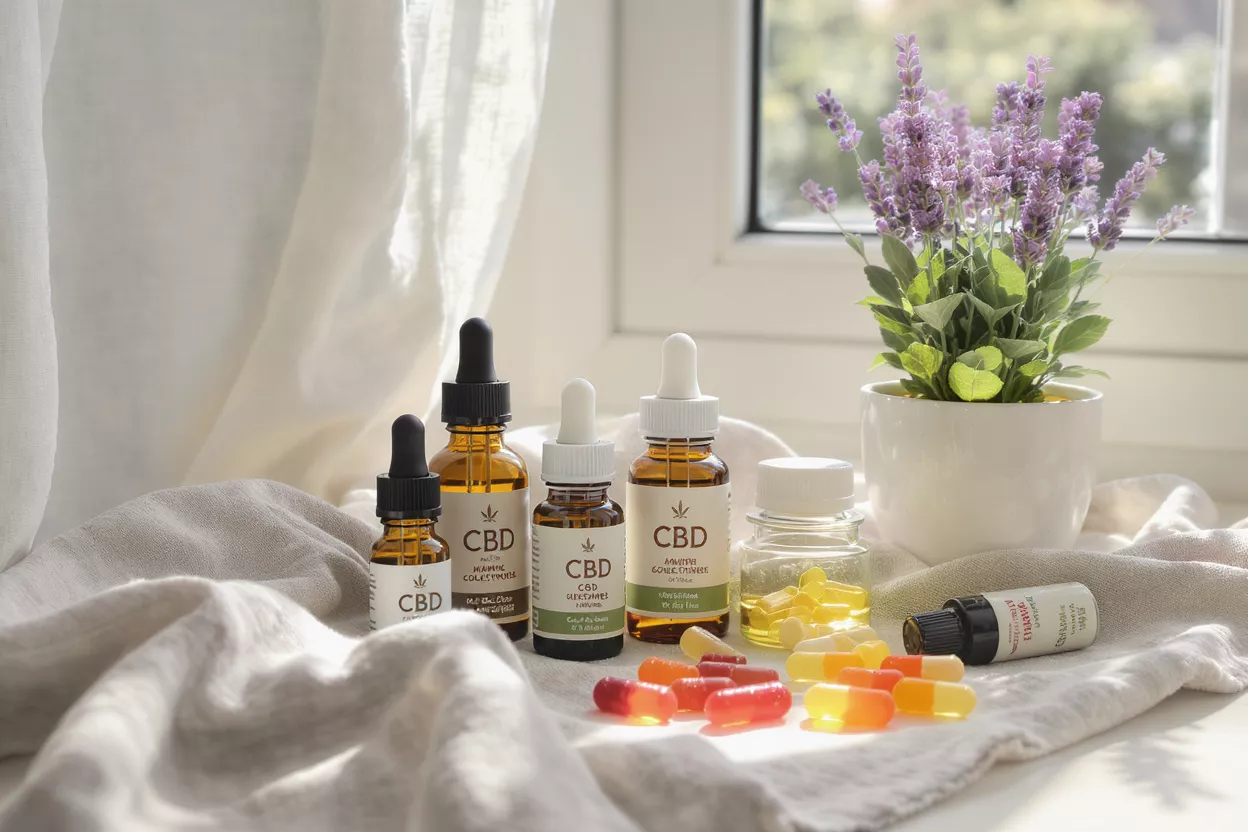
Oil is not your only option, though. Capsules offer predictable dosing and convenience but take longer to kick in because they pass through digestion. Gummies and other edibles work similarly, trading speed for a pleasant, measured experience. A thc beverage or CBD-infused drink occupies a middle ground, and even novelty items like thc lipstick show how broad this category has become, though for anxiety specifically the classics tend to win.
The right format ultimately depends on your lifestyle. If you value precision and speed, oil leads the pack. If discretion and simplicity rank higher, a capsule or gummy may suit you better. Many people keep both: oil for acute moments and a longer-acting form for steady daily support.
CBD Dosage for Anxiety: Finding Your Starting Point
Start low and go slow: The single most important rule for CBD dosage for anxiety is to begin with a modest amount and increase gradually. Many people start somewhere between 10 and 25 milligrams per day and adjust over a week or two based on how they feel. There is no universal correct number because body weight, metabolism, and the severity of your symptoms all shape the response.
Patience is the part most beginners skip. Cannabidiol often works subtly, and chasing a dramatic effect by taking too much too fast usually leads to wasted product and occasionally to grogginess. Give each dose level several days before deciding whether to nudge it upward. Keeping a simple journal of dose, timing, and mood makes the whole process far less guesswork.
Here is a general framework many people use as a starting reference:
- 🌱 Low (10–15 mg): A gentle entry point for mild, everyday stress or first-time users.
- ⚖️ Moderate (15–30 mg): A common range for noticeable daily anxiety support.
- 🌙 Higher (30–50 mg): Sometimes used for stronger symptoms or evening wind-down, ideally with guidance.
- 📓 Track and adjust: Note your response at each level before increasing.
How to Use CBD Oil for Anxiety Day to Day
Sublingual timing and technique: Knowing how to use CBD oil for anxiety properly improves your results considerably. Place your measured dose under the tongue and hold it there for sixty to ninety seconds before swallowing. This sublingual hold lets the cannabidiol absorb through the tissue under your tongue rather than relying entirely on slower digestion, which speeds onset and improves consistency.
Timing matters as much as technique. Some people prefer a morning dose to set a calmer tone for the day, while others save it for the evening to ease into rest. If your anxiety is predictable, such as before a recurring meeting, dosing thirty minutes ahead gives the compound time to take effect. Consistency tends to outperform sporadic use, so building it into an existing habit helps.
Pairing cannabidiol with supportive ingredients can round out the experience. Compounds like Theanine, often found alongside CBD in calming blends, are known for promoting relaxed focus, and many users appreciate a daily calming CBD and L-theanine blend for steady support. Adaptogens and a touch of Lion's Mane appear in some wellness stacks too, reflecting how cannabidiol increasingly sits within a broader calm-and-focus toolkit.
Best CBD for Anxiety and Depression
What to look for in a quality product: Identifying the best CBD for anxiety and depression comes down to quality markers more than marketing claims. Look for third-party lab testing, a clear certificate of analysis, transparent sourcing, and accurate milligram labeling. A reputable brand will make these documents easy to find rather than burying them.
Full-spectrum products, which include a range of plant compounds and trace cannabinoids, are often favored for mood support because of the so-called entourage effect, where compounds may work better together than in isolation. The presence of antioxidants like Tocopherol and a richer terpene profile can contribute to the overall character of the product. For those who want to avoid even trace THC, broad-spectrum offers a middle path.
Top shelf 2025 formulations increasingly pair cannabidiol with complementary botanicals, and many shoppers gravitate toward a thoughtfully formulated broad-spectrum CBD wellness formula when mood support is the goal. Whatever you choose, consistency and quality outrank chasing the trendiest blend on the shelf.
Can CBD Cause Anxiety in Some People
When the calm backfires: It sounds contradictory, but the question of whether CBD can cause anxiety is worth taking seriously. For the vast majority of users, cannabidiol is calming. In rare cases, however, some people report feeling more on edge, often due to product quality issues, mislabeled THC content, or simply an individual sensitivity to the compound.
One common culprit is unintended THC. A poorly tested full-spectrum product may contain more THC than the label suggests, and THC at higher levels can heighten anxiety in sensitive individuals. This is exactly why third-party testing matters so much. If you are particularly THC-sensitive, a broad-spectrum or isolate product removes that variable entirely.
Dosage can also play a role. Counterintuitively, very high doses do not always mean more calm, and some people feel best in a moderate window rather than at the top of the range. If cannabidiol ever leaves you feeling wired rather than relaxed, scale back, verify your product's lab results, and consider switching formats before giving up on it altogether.
Types of CBD for Anxiety Compared
Full-spectrum, broad-spectrum, and isolate: Understanding the three main types of CBD helps you match a product to your needs. Each has a distinct profile, and none is universally best; the right choice depends on your goals and your sensitivity to THC.
Here is a quick comparison to keep the differences straight:
- 🌿 Full-spectrum: Contains all plant compounds including trace THC (under legal limits) for the fullest entourage effect.
- 🍃 Broad-spectrum: Keeps the supporting cannabinoids and terpenes but removes THC, a popular middle ground.
- 💧 Isolate: Pure cannabidiol only, with no other compounds, ideal for those who want zero THC and a neutral taste.
- 🧪 Lab-verified: Whichever type you choose, a current certificate of analysis should confirm the contents.
Beyond these categories, format variety keeps expanding. From a discreet thc vape pen to gummies, capsules, and even a soothing thc tea, the delivery method shapes onset and duration as much as the spectrum type does. Terpenes like Terpinolene contribute their own subtle character, and the documented terpinolene effects lean toward an uplifting, mellow quality that complements a calm-focused routine.
CBD and Anxiety: Safety, Side Effects, and Interactions
What the safety profile looks like: The relationship between CBD and anxiety is generally favorable on the safety front. Cannabidiol is well tolerated by most people, and serious adverse effects are uncommon at typical doses. The most frequently reported side effects are mild and include drowsiness, dry mouth, changes in appetite, and occasional digestive upset.
The bigger consideration is drug interactions. Cannabidiol can affect how your liver metabolizes certain medications through the same enzyme pathways that process many prescription drugs, including some blood thinners and seizure medications. This is the famous grapefruit warning territory, and it is the single most important reason to talk with a healthcare provider before starting, especially if you take daily medication.
Practical safety habits go a long way. Buy from brands that publish lab results, store products properly, and avoid combining high doses of CBD with alcohol or sedatives until you know how you respond. Pregnant and breastfeeding individuals should avoid cannabidiol, and anyone with a serious medical condition should treat professional guidance as non-negotiable rather than optional.


Pain Capsules 60mg CBD : CBG x 30caps – NOW+THEN
Comprehensive comfort, capsuled. NOW+THEN's Pain Capsules pair 30mg of CBD with 30mg of CBG in each of 30 doses — two cannabinoids working together for everyday aches, in a no-flavour, swallow-and-go format. No high, just steady, reliable relief. The dependable daily capsule for managing discomfort cleanly.
- Dual-Action Anxiety Relief : CBD and CBG work synergistically for comprehensive stress management
- Mood Stabilization : Reduces emotional volatility and promotes mental balance
- Stress Response Regulation : Helps manage cortisol levels and fight-or-flight reactions
- No Psychoactive Effects : THC-free formula maintains mental clarity
- Consistent Calming : Predictable anxiety support every day

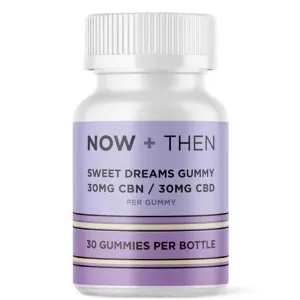
Sleep Gummies 60mg CBD : CBN x 30 pcs (1800mg) – NOW+THEN
Bedtime, redefined. NOW+THEN's Sleep gummies pair 30mg of CBD with 30mg of CBN in each of 30 pieces — a balanced, sleep-supporting duo in a delicious, non-habit-forming chew. One before bed to quiet the mind and ease into rest. A full month of sweeter nights, no high required.
- Comprehensive Sleep Support : Dual cannabinoids address all sleep issues
- Natural Drowsiness : CBN promotes genuine sleepiness
- Anxiety Relief : CBD calms mental chatter
- Pattern Building : Consistent use improves sleep cycles
- Gentle Formula : A natural, easygoing option
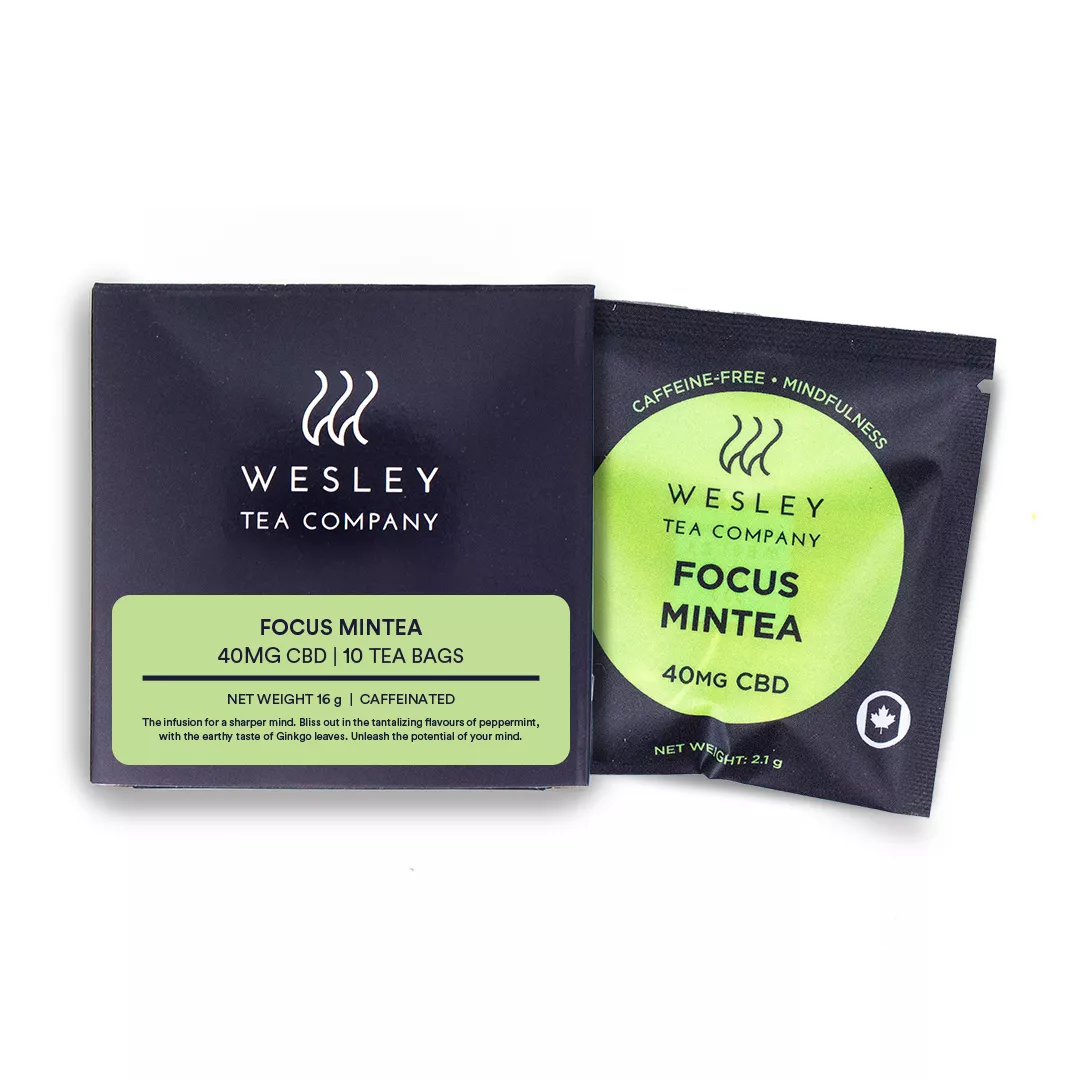
FOCUS CBD Mint Tea 40mg / 1 Tea Bag – Wesley
A calmer kind of tea break. Wesley's FOCUS steeps 40mg of CBD into cooling peppermint, memory-friendly ginkgo, and warming turmeric, so a single bag turns an ordinary cup into a clear-headed reset. Bright, herbal, and naturally caffeine-light, it's made for the mid-afternoon slump or a frazzled morning — wellness you can sip slowly while the day settles back into focus.
- Anxiety Relief: 40mg therapeutic CBD reduces stress hormones and calms racing thoughts
- Mental Clarity: Ginkgo leaves enhance focus, memory, and cognitive performance
- Digestive Comfort: Peppermint soothes stomach tension commonly caused by anxiety
- Anti-Inflammatory Support: Turmeric reduces physical inflammation linked to chronic stress
- Antioxidant Protection: Orange pieces provide vitamin C for immune and mood support
CBD Anxiety Relief: Common Questions Answered
How long does it take to work? The timeline for CBD anxiety relief depends heavily on format. Sublingual oil typically takes effect within fifteen to thirty minutes, while capsules and edibles can take one to two hours as they move through digestion. For ongoing anxiety, many people find that consistent daily use over a couple of weeks produces steadier results than occasional dosing.
A few quick answers to the questions readers ask most:
- ❓ Will it make me high? No. Properly labeled CBD products contain little to no THC and are non-impairing.
- ⏱️ How fast does oil work? Usually fifteen to thirty minutes when held under the tongue.
- 🔁 Daily or as needed? Both work; consistency tends to help most for chronic anxiety.
- 💊 Can I take it with medication? Check with your doctor first due to possible interactions.
CBD is not a miracle cure, but for many people it earns a genuine place in a thoughtful wellness routine. The strongest results come from combining quality, lab-verified products with sensible dosing, patience, and the broader habits that support mental health: good sleep, movement, connection, and professional care when needed. Start low, pay attention to how you respond, and let your own experience guide the way. Used wisely, cannabidiol can be a calm, reliable ally in managing the everyday weight of anxiety.



Comments