CBD for Anxiety: How It Works and How to Use It
Discover how CBD anxiety relief works in your body, the best formats to use, and dosing tips.
What Is CBD for Anxiety
CBD for anxiety has moved from fringe wellness trend to mainstream conversation, and for good reason. Cannabidiol, the non-intoxicating compound found in hemp, has become one of the most-researched natural options for people who want to take the edge off stress without the high associated with THC. If you have ever scrolled through tinctures and gummies wondering whether any of it actually helps, you are not alone — and the science is finally catching up to the hype.
At its core, CBD is one of more than a hundred cannabinoids produced by the cannabis plant. Unlike its cousin THC, it does not bind strongly to the receptors that produce euphoria, which is precisely why it appeals to anxious people who want clarity rather than intoxication. Hemp-derived CBD products contain less than 0.3% THC by law, keeping them firmly on the calming side of the spectrum.
Why anxiety drives so much CBD interest: Anxiety disorders are the most common mental health condition in the United States, affecting tens of millions of adults each year according to GoodRx. Conventional treatments work well for many, but side effects and dependency concerns push people toward gentler, plant-based alternatives. CBD slots neatly into that gap as a daily wellness tool rather than a pharmaceutical replacement.
How CBD for Anxiety Works in the Body
The reason CBD may ease anxiety comes down to a system most people have never heard of: the endocannabinoid system, or ECS. This network of receptors, enzymes, and naturally produced cannabinoids helps regulate mood, sleep, appetite, and stress response. When you feel chronically wound up, your ECS may be struggling to keep these signals balanced, and CBD appears to lend it a hand.
The serotonin connection: Much of CBD's anti-anxiety potential is tied to its interaction with the 5-HT1A serotonin receptor — the same target many conventional anti-anxiety medications aim for. By influencing serotonin signaling, CBD may help dial down the racing thoughts and physical tension that define an anxious moment. It does this indirectly, modulating rather than flooding the system, which is part of why it tends to feel subtle rather than sedating.
Beyond serotonin, CBD also influences GABA activity, the brain's primary calming neurotransmitter, and may reduce activity in the amygdala, the region that fires up during fear and worry. Minor cannabinoids like CBN and CBG, along with their acidic precursors CBDA and CBGA, are being studied for complementary calming effects, suggesting the whole plant may offer more than CBD alone.
Types of CBD for Anxiety Products
Walk into any wellness shop and the sheer variety of CBD can feel overwhelming. Understanding the three core extract types makes the choice far simpler, because each delivers cannabidiol in a different chemical package suited to different goals.
Full-spectrum, broad-spectrum, and isolate explained: Full-spectrum products retain the complete profile of hemp compounds, including trace THC, terpenes, and minor cannabinoids that work together in what researchers call the entourage effect. Broad-spectrum keeps most of those compounds but removes THC entirely. Isolate is pure CBD with nothing else — ideal if you want zero THC exposure or a neutral flavor.
- 🌿 Full-spectrum: The richest entourage effect, including terpenes like cedrene and the full cannabinoid family — best for those wanting maximum plant synergy.
- 💧 Broad-spectrum: Entourage benefits without THC, a smart middle ground for the THC-sensitive or drug-tested.
- ✨ Isolate: Crystalline pure CBD, flavorless and predictable, ideal for precise dosing and beginners.
The format you choose layers on top of the extract type. Tinctures, gummies, capsules, vapes, and topicals each have a place. A fast-acting CBD vape pen suits acute moments, while a steady capsule routine suits baseline anxiety. Even a CBD tea before bed has its devotees for winding down.
Best CBD for Anxiety Formats by Situation
The "best" CBD format depends entirely on when and how your anxiety shows up. Someone with anticipatory panic before a presentation needs something different from a person fighting low-grade daily tension. Matching the delivery method to the moment dramatically improves your results.
For sudden, acute anxiety, speed matters most. Inhalable formats like a cbd vape pen reach the bloodstream within minutes, making them the fastest option when a wave of worry hits. Sublingual tinctures held under the tongue follow close behind, kicking in within fifteen to thirty minutes — a reliable choice for racing thoughts that build gradually.
For all-day baseline relief, slow and steady wins. Capsules and gummies pass through digestion, so they take longer to start but last far longer, often six to eight hours. This makes edibles excellent for people whose anxiety simmers throughout the day rather than spiking. Physical tension responds well to a cbd topical roll-on or a cbd stick for pain relief massaged into tight shoulders and neck.
- ⚡ Vape pen: Onset in 2–5 minutes, lasts 1–3 hours — for acute spikes.
- 💛 Tincture: Onset 15–30 minutes, lasts 4–6 hours — flexible everyday use.
- 🍬 Gummies/capsules: Onset 45–90 minutes, lasts 6–8 hours — sustained calm.
- 🌙 CBD tea: Gentle, ritual-driven onset — perfect for evening wind-down.
CBD for Anxiety Dosing Guide
Dosing CBD for anxiety is more art than exact science, because individual body chemistry, weight, and the severity of symptoms all shift the ideal amount. The golden rule shared by clinicians and experienced users alike is to start low and go slow, giving your system time to reveal what it needs.
A practical starting framework: Most people begin somewhere between 10 and 25 milligrams per day, then increase gradually every few days until they notice meaningful relief. Studies on social anxiety have used much higher single doses, but everyday wellness use rarely requires that much. According to GoodRx, finding your effective dose is typically a matter of patient self-titration rather than a one-size-fits-all number.
Keep a simple journal during your first few weeks. Note the dose, the format, the time, and how you felt an hour or two later. This turns guesswork into a personalized roadmap and helps you spot whether a morning tincture or an evening gummy serves you better. Consistency matters more than chasing a perfect number — CBD often performs best when levels stay steady over days and weeks.
CBD for Anxiety Benefits Backed by Research
The case for CBD as an anxiety aid rests on a growing body of preclinical and human research. While the field is young and large-scale trials are still ongoing, the existing evidence points consistently in a promising direction across several anxiety types.
What the studies actually show: A frequently cited 2011 study found that CBD reduced anxiety in people with social anxiety disorder during a simulated public speaking test. Later reviews have reinforced this, noting potential benefits for generalized anxiety, panic, and post-traumatic stress symptoms. Importantly, these benefits showed up without the dependency risks associated with some conventional anti-anxiety drugs.
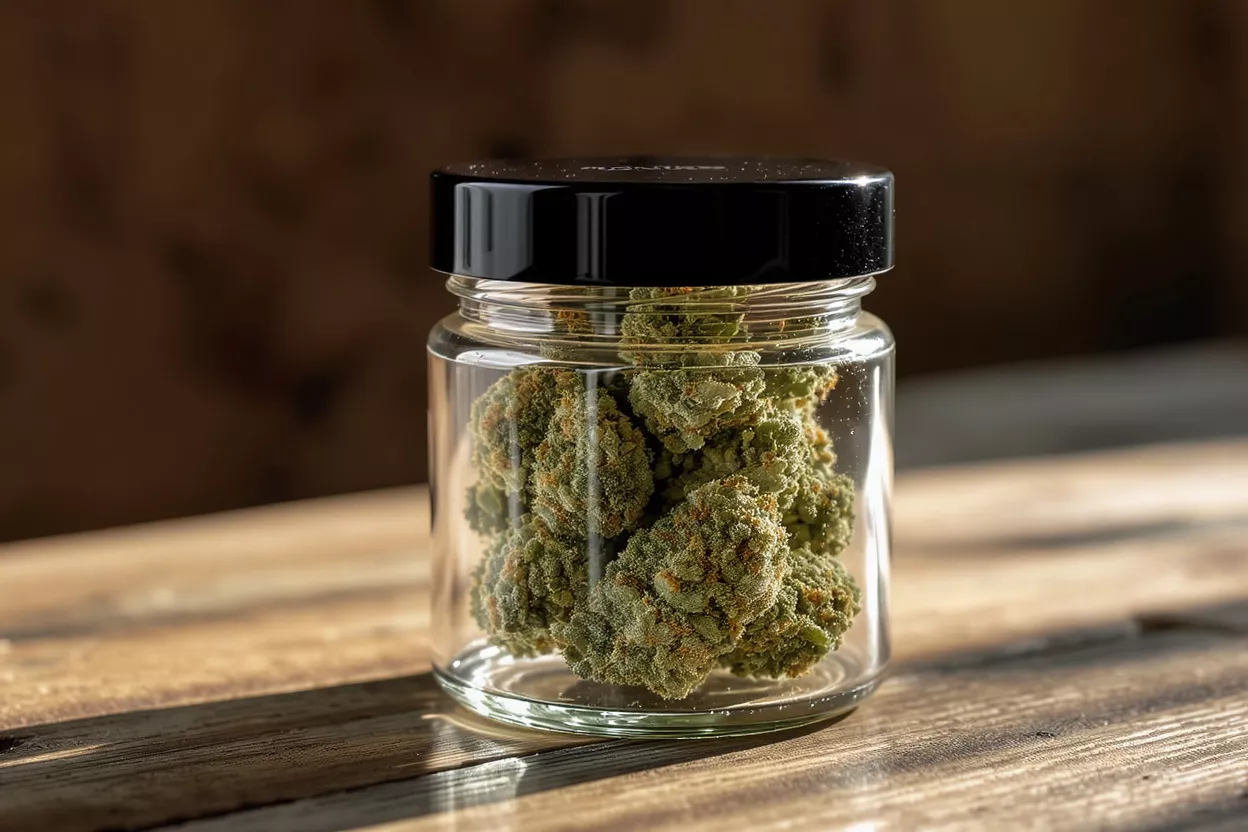
Beyond mood, many users report better sleep, which feeds back into lower daytime anxiety — a virtuous cycle, since poor rest and worry tend to amplify one another. Some reach for a calming CBD tincture for sleep precisely for this dual benefit. The takeaway is not that CBD cures anxiety, but that it offers a gentle, well-tolerated tool that many find genuinely helpful as part of a broader routine.
Is CBD for Anxiety Safe
Safety is the first question most newcomers ask, and the reassuring news is that CBD has a strong tolerability profile. The World Health Organization has noted that CBD is generally well tolerated with a good safety record, and serious side effects are rare even at relatively high doses.
Side effects to know about: The most common complaints are mild — dry mouth, drowsiness, changes in appetite, and occasional digestive upset. These usually fade as your body adjusts or when you lower the dose. CBD will not get you high, and it carries no risk of the kind of overdose associated with many pharmaceuticals, as GoodRx notes in its safety overviews.
The drug-interaction caveat: CBD is processed by the same liver enzymes that metabolize many prescription medications, which means it can raise or lower their levels in your blood. If you take blood thinners, seizure medication, or anything with a "grapefruit warning," talk to your doctor before adding CBD. This single conversation prevents the vast majority of avoidable problems.
CBD vs THC for Anxiety Relief
People often lump CBD and THC together, but for anxiety specifically they behave very differently — sometimes in opposite directions. Understanding this contrast helps you avoid the common mistake of reaching for the wrong cannabinoid.
Why THC can backfire on anxiety: THC binds directly to CB1 receptors in the brain, producing the high but also, in higher doses, sometimes triggering paranoia and racing thoughts — the very feelings an anxious person wants to avoid. CBD, by contrast, does not produce intoxication and may even blunt some of THC's more anxious edges, which is why the two are often paired in balanced ratios.
For pure anxiety management without impairment, CBD-dominant products are the safer bet, especially for daytime use when you need to function. That said, micro-doses of THC alongside CBD work well for some people in the evening. Exploring a low-THC balanced CBD oil lets you test that balance carefully. Minor cannabinoids like CBN are also gaining attention for layering calm without the head-change of THC.
How to Use CBD for Anxiety Every Day
Turning CBD from an occasional rescue tool into a consistent ally is where many people see the biggest difference. Anxiety rarely respects a schedule, so building CBD into a predictable daily rhythm helps your endocannabinoid system maintain a steadier baseline rather than scrambling to catch up during a crisis.
Building a routine that sticks: Anchor your dose to an existing habit — alongside morning coffee, after brushing your teeth, or as part of a bedtime ritual with a warm cbd tea. Pairing it with something you already do every day removes the friction that derails most new wellness habits. Some people split their dose, taking a smaller amount in the morning and another in the evening for around-the-clock coverage.
CBD works best as one pillar among several. Layer it with breathwork, regular movement, decent sleep hygiene, and limited caffeine, and the combined effect tends to outshine any single intervention. A cbd topical roll-on on tense muscles, a tincture for the mind, and good lifestyle habits together form a far stronger defense against anxiety than CBD alone could ever provide.


Sleep Gummies 60mg CBD : CBN x 30 pcs (1800mg) – NOW+THEN
Bedtime, redefined. NOW+THEN's Sleep gummies pair 30mg of CBD with 30mg of CBN in each of 30 pieces — a balanced, sleep-supporting duo in a delicious, non-habit-forming chew. One before bed to quiet the mind and ease into rest. A full month of sweeter nights, no high required.
- Comprehensive Sleep Support : Dual cannabinoids address all sleep issues
- Natural Drowsiness : CBN promotes genuine sleepiness
- Anxiety Relief : CBD calms mental chatter
- Pattern Building : Consistent use improves sleep cycles
- Gentle Formula : A natural, easygoing option

Pain Capsules 60mg CBD : CBG x 30caps – NOW+THEN
Comprehensive comfort, capsuled. NOW+THEN's Pain Capsules pair 30mg of CBD with 30mg of CBG in each of 30 doses — two cannabinoids working together for everyday aches, in a no-flavour, swallow-and-go format. No high, just steady, reliable relief. The dependable daily capsule for managing discomfort cleanly.
- Dual-Action Anxiety Relief : CBD and CBG work synergistically for comprehensive stress management
- Mood Stabilization : Reduces emotional volatility and promotes mental balance
- Stress Response Regulation : Helps manage cortisol levels and fight-or-flight reactions
- No Psychoactive Effects : THC-free formula maintains mental clarity
- Consistent Calming : Predictable anxiety support every day
Choosing Quality CBD for Anxiety Products
The CBD market is crowded and unevenly regulated, which means the difference between a great product and a worthless one often comes down to a few verifiable details. Learning to read a label saves money and protects your health.
The non-negotiable: third-party testing. Reputable brands publish a certificate of analysis, or COA, from an independent lab confirming the CBD content and screening for pesticides, heavy metals, and residual solvents. If a company hides or lacks this, walk away. The COA should match the milligram count on the label and show non-detectable contaminants.
Look also at the source hemp, the extraction method, and ingredient transparency. Organically grown hemp and clean CO2 extraction signal a company that cares about quality, while a tidy ingredient list free of mystery fillers reflects honesty. As GoodRx highlights in its consumer guidance, scrutinizing these markers is the surest way to separate trustworthy products from hype.
CBD for anxiety is not a magic cure, but for many people it is a genuinely useful, well-tolerated tool that takes the sharp edges off daily stress. By understanding how it interacts with your endocannabinoid system, matching the right format to your symptoms, starting with a modest dose, and choosing lab-verified products, you set yourself up for the best possible experience. Pair it with healthy habits and a conversation with your doctor, and you have a thoughtful, evidence-informed approach to calmer days and easier nights.