

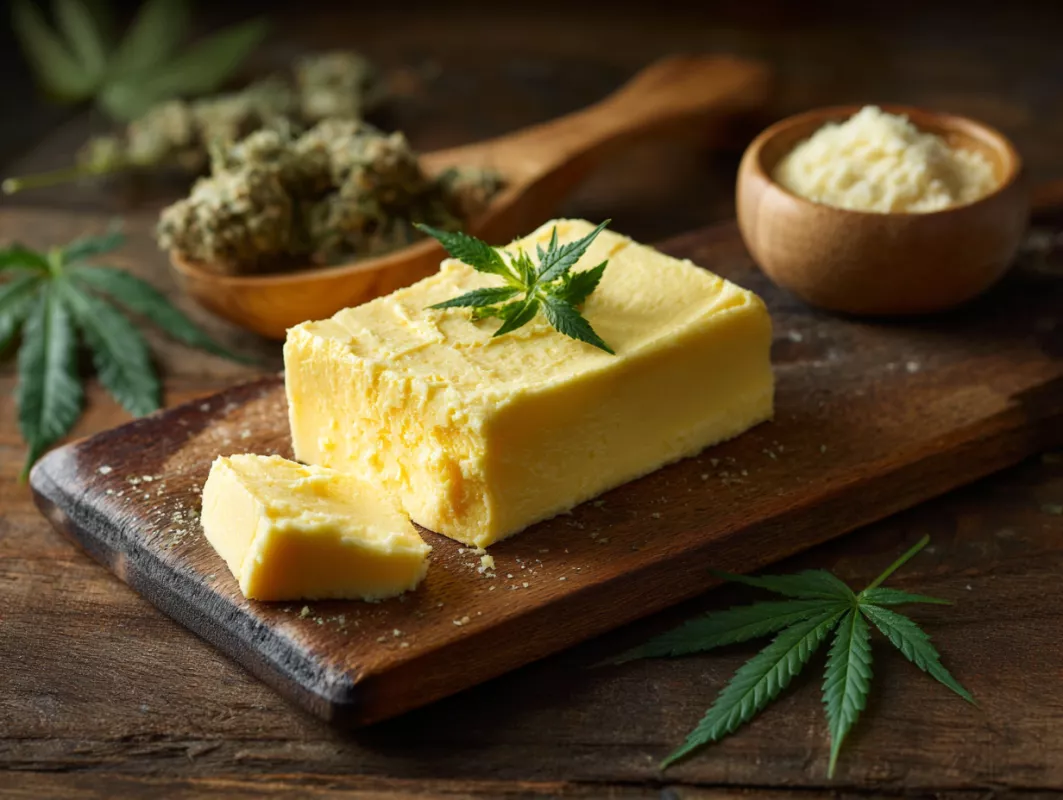
How to Make Cannabutter for Edibles: Complete Recipe Guide
Learn how to make cannabutter for edibles with our complete recipe guide.
What Is Cannabutter and Why It Matters for Edibles
Cannabutter is exactly what it sounds like: butter infused with cannabis. It serves as the foundational fat that carries cannabinoids into baked goods, sauces, and countless other recipes. Because THC and other cannabinoids are fat-soluble rather than water-soluble, butter makes an ideal delivery vehicle. The fat molecules bind to the active compounds during infusion, allowing them to be absorbed by your digestive system once eaten. Understanding this chemistry is the difference between a batch of edibles that work and a tray of expensive disappointment.
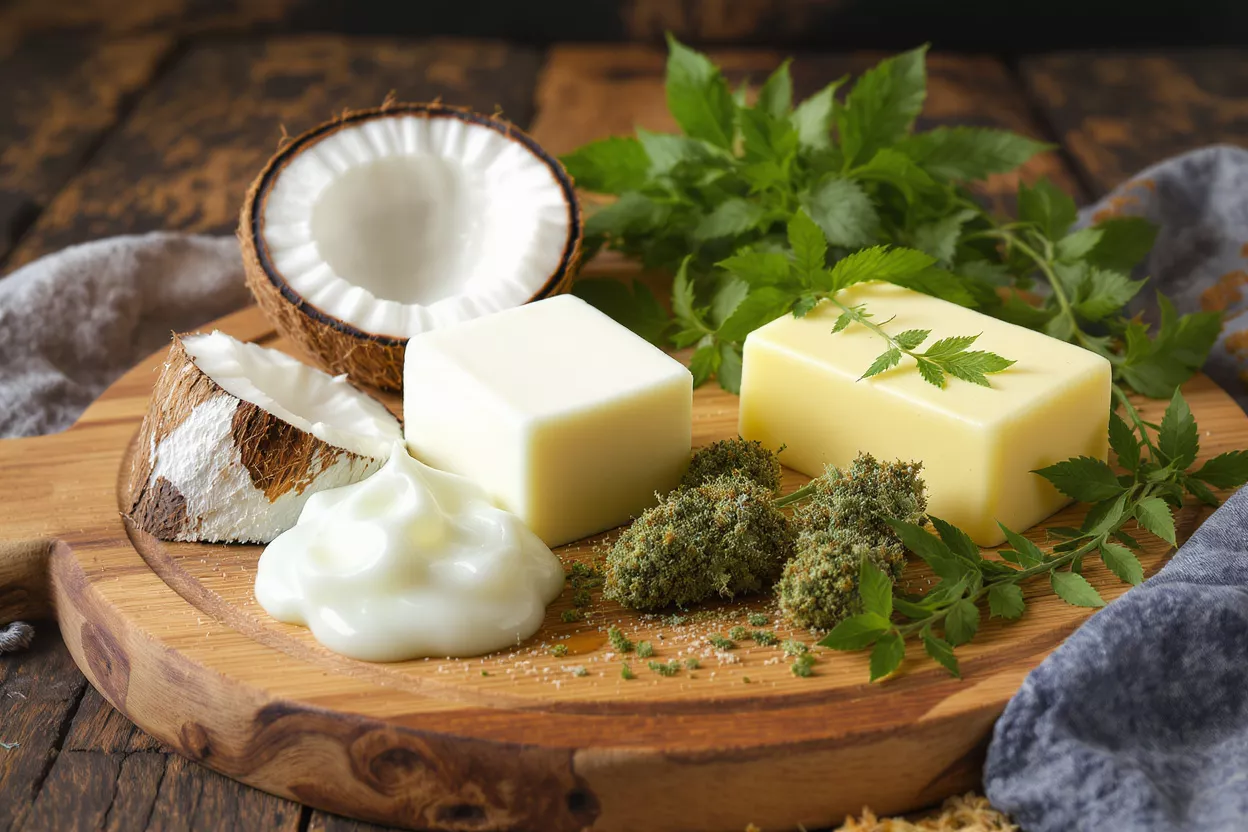
Why butter over oil? Butter brings flavor, versatility, and a generous fat content that holds cannabinoids well. That said, the same principles apply to coconut oil or olive oil if you prefer them. The pharmacokinetics of eaten cannabis differ sharply from smoking or vaping. When you eat cannabutter, your liver metabolizes THC into 11-hydroxy-THC, a more potent and longer-lasting compound. This is why edibles feel stronger and last for hours rather than minutes.
Learning how to make cannabutter for edibles unlocks an entire kitchen of possibilities, from brownies and cookies to savory dishes and morning toast. The process is forgiving once you understand the fundamentals, but it rewards attention to detail. According to the National Center for Complementary and Integrative Health, the way cannabis is prepared and consumed significantly affects how the body processes it, which is precisely why technique matters so much here.
How to Make Cannabutter for Edibles Step by Step
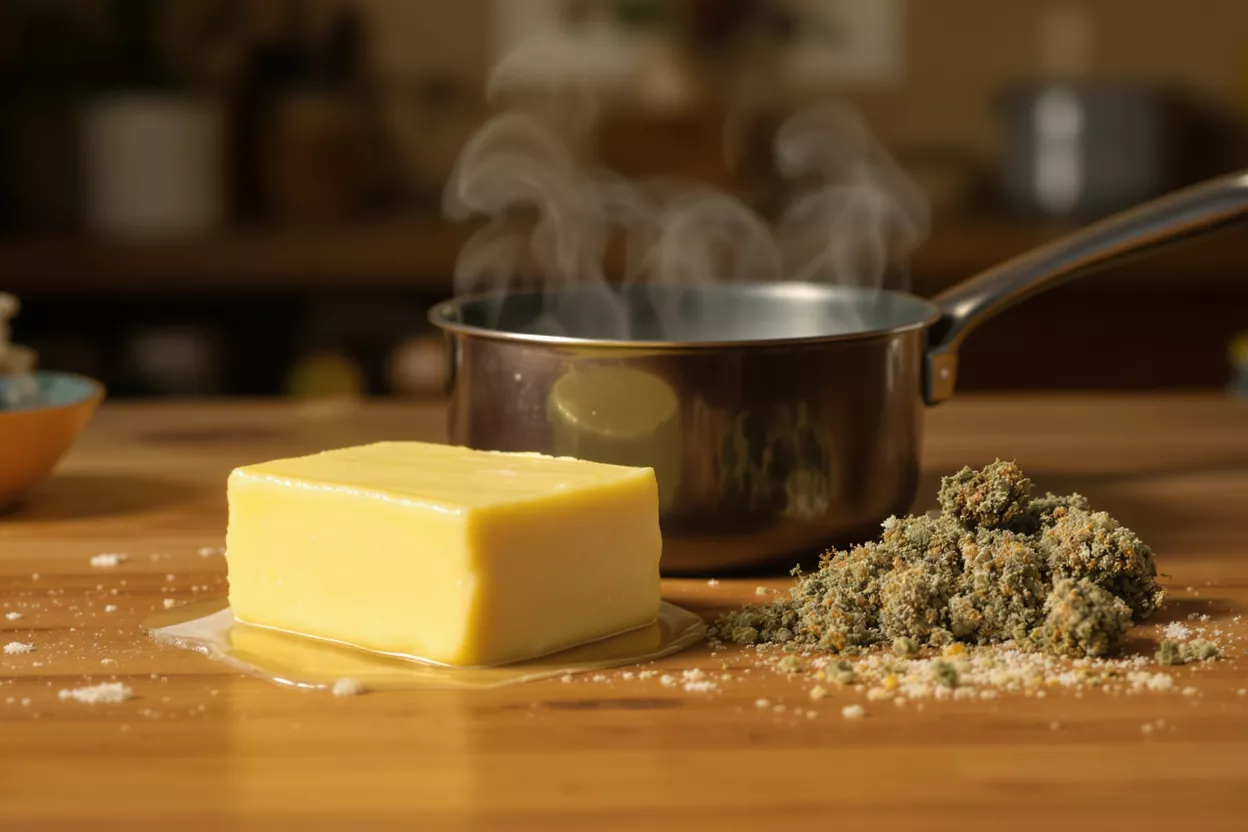
The core method for how to make cannabutter for edibles is straightforward, though each stage deserves care. You will need decarboxylated cannabis, unsalted butter, water, and a few basic kitchen tools. Water added to the simmering process helps regulate temperature and prevents the butter from scorching, which protects both flavor and cannabinoid integrity.
The basic workflow breaks down into a handful of manageable stages. Follow them in order and you will produce consistent, usable cannabutter every time.
- 🌿 Decarboxylate: Heat your ground flower in the oven to activate the cannabinoids before infusion.
- 🧈 Melt the butter: Combine butter and water in a saucepan over low heat until fully melted.
- 🌡️ Simmer: Add decarbed cannabis and keep the temperature between 160°F and 200°F for two to three hours.
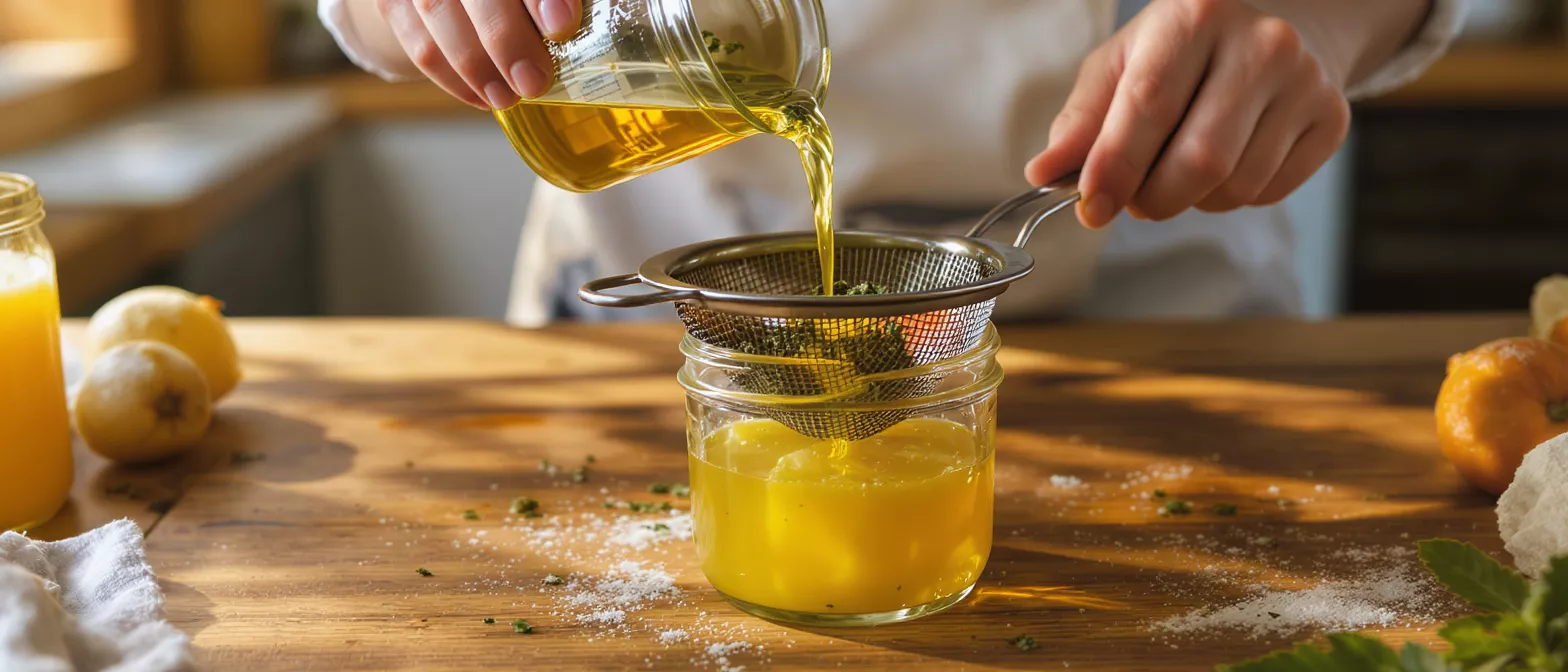
- 🥣 Strain: Pour the mixture through cheesecloth to separate plant material from the infused butter.
- ❄️ Chill: Refrigerate until the butter solidifies and separates from the water layer beneath.
Once chilled, the hardened butter lifts cleanly off the water, and you discard the liquid below. A reliable cannabis infusion machine can automate this entire process if you make edibles frequently, but a saucepan and patience work just as well for occasional batches.
Decarboxylation: The Step Most People Skip
Decarboxylation is the single most important step, and skipping it is the most common reason homemade edibles fail. Raw cannabis contains THCA, an acidic precursor that does not produce a high. Heat converts THCA into THC through a process that removes a carboxyl group, hence the name. Without this conversion, your beautifully simmered butter will be largely inactive no matter how much flower you use.
The ideal decarb temperature sits around 240°F for 30 to 40 minutes. Spread your ground flower evenly on a parchment-lined baking sheet and stir once halfway through for even heating. Too hot and you risk degrading the very cannabinoids and terpenes you want to preserve, including aromatic phenolic compounds and terpenes like phellandrene that shape flavor and effect. Too cool and conversion stays incomplete.
The principles of pharmacodynamics explain why this matters beyond simple potency. Different cannabinoids interact with your endocannabinoid system in distinct ways, and decarboxylation determines which compounds are present and active. Phytocannabinoid content shifts with temperature, so gentle, controlled heat preserves the full spectrum rather than burning it away. A good oven thermometer is worth the small investment because most home ovens run hotter or cooler than their dials suggest.
Best Cannabis-to-Butter Ratios for Potency
Getting the ratio right is where dosing precision begins. A common starting point is one ounce of cannabis per pound of butter, but this can be adjusted dramatically based on the potency of your flower and your tolerance. Higher-THC strains produce stronger butter at the same ratio, so always factor in the percentage listed on your product.
Calculating potency takes a little math but pays off in predictable edibles. If your flower tests at 15% THC, one gram contains roughly 150mg of THC. Multiply by your total grams, account for some loss during infusion, and divide across your recipe's servings to estimate per-portion dosing.
- 🔢 Mild butter: Half an ounce of moderate flower per pound of butter for gentle, everyday edibles.
- ⚖️ Standard butter: One ounce per pound delivers a balanced potency suitable for most users.
- 🔥 Strong butter: One and a half ounces of high-THC flower per pound for experienced consumers.
Quality flower matters as much as quantity. Some makers swear by using a nug run rather than trim because the dense, resinous buds carry more cannabinoids per gram. Whether you choose premium OG flower or budget-friendly trim, consistency in your source makes your dosing math far more reliable batch to batch.
Straining Cannabutter: Methods That Actually Work
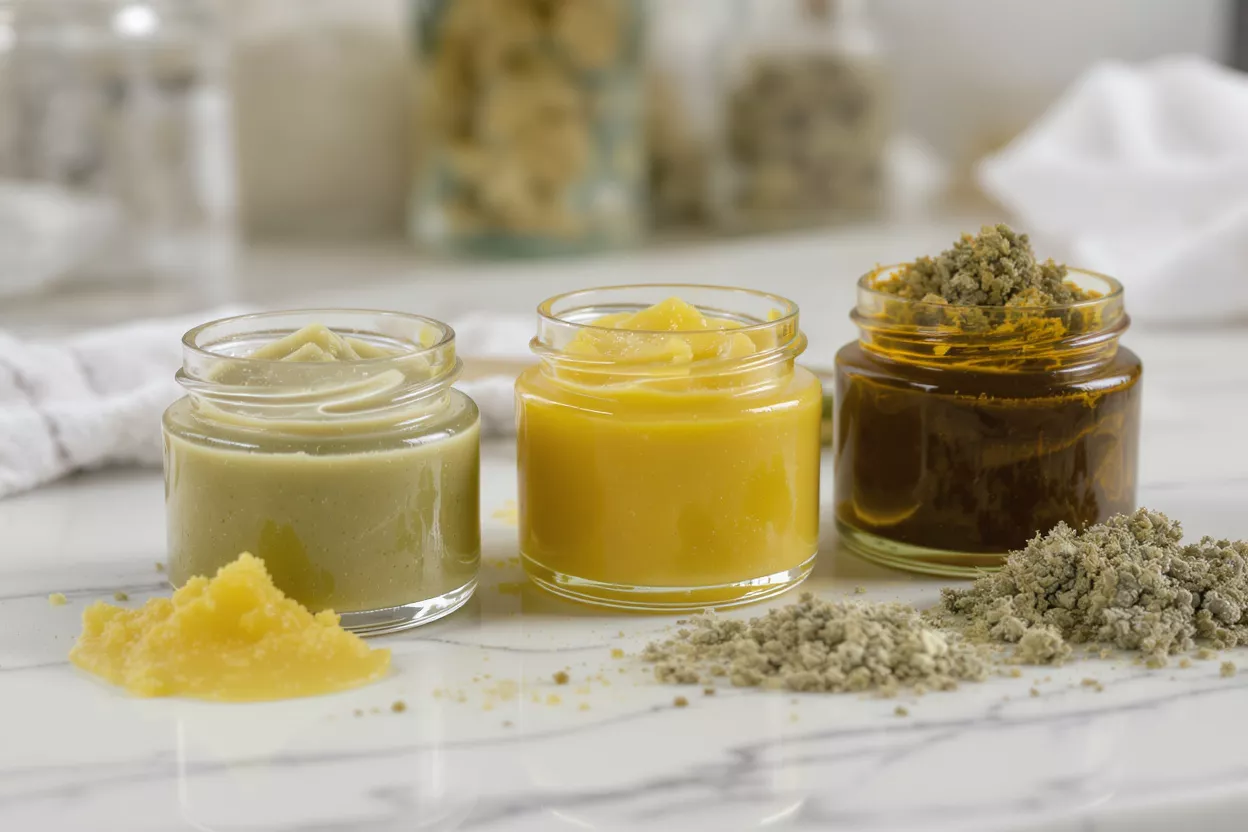
Straining separates the spent plant material from your finished butter, and how you do it affects both clarity and flavor. The goal is to capture every drop of infused fat while leaving behind the gritty, chlorophyll-heavy plant matter that can make edibles taste bitter and green.
Cheesecloth is the classic choice for good reason. Layer two or three sheets over a fine-mesh strainer set atop a bowl, then pour slowly. Resist the urge to squeeze hard, because aggressive pressing forces chlorophyll and bitter compounds into your butter. A gentle squeeze captures most of the fat without dragging unwanted flavor along with it.
For exceptionally clean results, some cooks use a fine metal strainer alone, accepting slightly lower yield in exchange for clarity. A quality fine-mesh straining kit makes this step far less messy and gives you a smoother final product. Whatever method you choose, work over a wide bowl and expect a little mess, since warm infused butter has a way of finding its way onto the counter.
How to Dose Cannabutter Edibles Safely
Dosing is where most beginners stumble, and patience is your greatest ally. Edibles take 30 minutes to two hours to take effect because they must pass through your digestive system and liver before reaching your bloodstream. This delay leads many people to eat more too soon, then find themselves far higher than intended.
Start low and go slow is not a cliché but the single best rule for edibles. A standard beginner dose is 5mg of THC or less. Wait at least two hours before considering more. Because the pharmacokinetics of edibles produce a stronger, longer experience, respecting the timeline prevents the kind of overwhelming high that turns people off edibles entirely.
Testing a small amount of your finished butter is the smartest way to gauge potency before baking an entire batch. Spread a quarter teaspoon on a cracker, wait the full two hours, and note the effect. From there you can scale your recipes with confidence. Keep in mind that products like Marinol exist as pharmaceutical THC precisely because dosing matters so much, and homemade edibles demand the same respect for measurement.
Storing Cannabutter for Maximum Shelf Life
Proper storage protects both the potency and the safety of your hard-won cannabutter. Cannabinoids degrade with exposure to light, heat, and air, so the right container and environment make a real difference in how long your butter stays effective and fresh.
Refrigeration versus freezing comes down to how soon you plan to use it. In the fridge, cannabutter keeps for about two to three weeks in an airtight container. For longer storage, the freezer extends usable life to six months or more. Portion it into usable amounts before freezing so you can thaw only what a recipe needs.
- 🧊 Airtight containers: Limit air exposure to slow cannabinoid degradation and prevent off-flavors.
- 🌑 Dark storage: Keep butter away from light, which breaks down THC over time.
- 🏷️ Label clearly: Mark the date and estimated potency so nobody mistakes it for ordinary butter.
Clear labeling deserves special emphasis for households with children, roommates, or guests. Infused butter looks identical to regular butter, and a careful storage habit prevents accidental consumption. An airtight glass storage jar with a tight seal keeps your butter fresh while making it obvious which container holds the infused product.
Common Cannabutter Mistakes and How to Fix Them
Even experienced cooks make mistakes with cannabutter, and most are easy to avoid once you know what to watch for. The most frequent errors involve temperature, which can either waste your cannabis or produce harsh, weak butter.
Overheating tops the list of cannabutter mistakes. Boiling the mixture vaporizes cannabinoids and scorches the butter, leaving you with reduced potency and a burnt taste. Keep your simmer gentle and never let the temperature climb above 200°F. A double boiler offers excellent temperature control if your stovetop runs hot.
Another common slip is rushing the infusion time. Cannabinoids need a couple of hours of gentle heat to fully bind to the fat, and cutting this short leaves potency on the table. On the other end, some people grind their flower too finely, which forces more plant matter through the strainer and muddies the flavor. A coarse grind, roughly the texture you would use for a moon rocks crumble, strikes the right balance between surface area and clean straining.
Cannabutter Recipe Variations Worth Trying
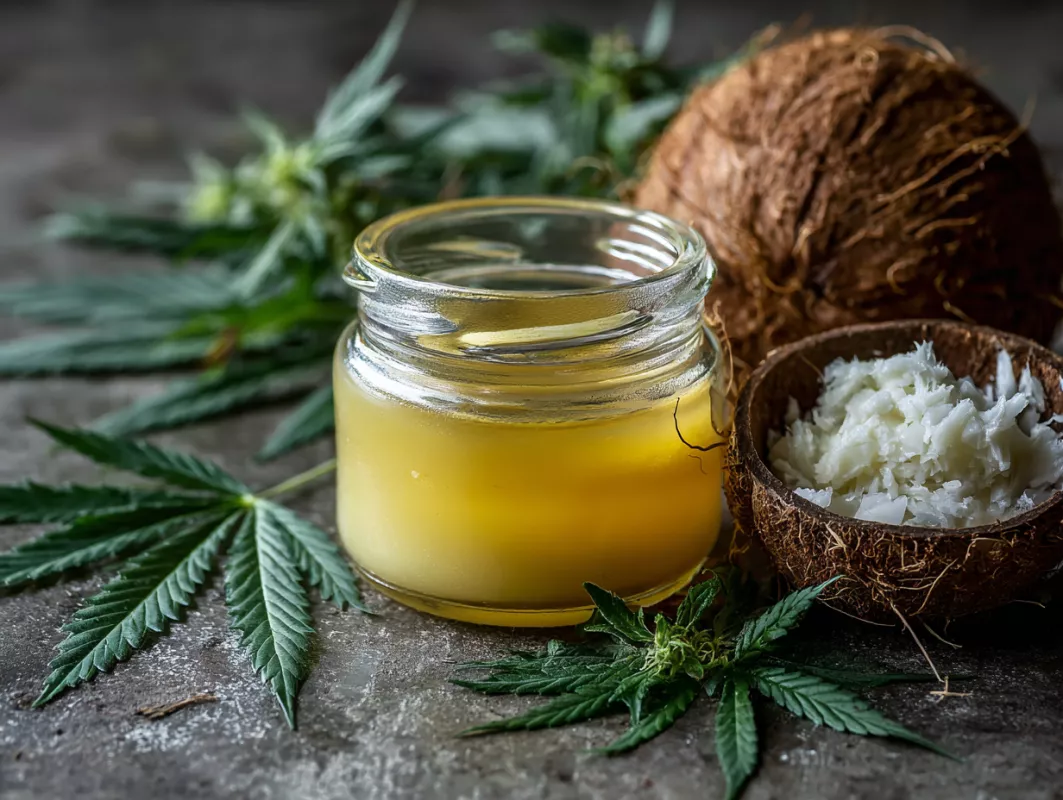
Once you master the basic recipe, variations open up new flavors and applications. The same infusion principles apply across different fats, so you can tailor your base to whatever you plan to cook. Coconut oil shines in vegan baking, while olive oil suits savory dishes and dressings beautifully.
Adding terpenes back is an advanced trick worth knowing. Gentle infusion preserves much of the natural terpene profile, but you can enhance aroma by adding a pinch of complementary herbs during the simmer. Compounds like phytol and piperine occur naturally in many foods and can subtly round out the experience, though the science here is still developing.
For those exploring functional ingredients, some cooks blend their cannabutter with adaptogenic additions. A small amount of Lion's Mane mushroom powder is a popular pairing for those who want to combine culinary cannabis with other wellness ingredients. Whatever direction you take, document your variations so you can repeat the successes and skip the experiments that fall flat.
Are Cannabutter Edibles Safe for Beginners
Cannabutter edibles are safe when made and consumed responsibly, but they demand more caution than smoking because of their delayed, intense effects. The biggest risk is not danger to your body but overconsumption, which produces an uncomfortable but not life-threatening experience. Understanding the timeline and respecting dosing all but eliminates this problem.
Who should be extra cautious includes anyone taking medications, pregnant or nursing individuals, and those with cardiovascular conditions. Cannabis interacts with various medications, so consulting a healthcare provider before incorporating edibles is wise. For people using cannabis medically, working with a knowledgeable provider helps align homemade edibles with broader treatment goals.
The most important safety practice is simply knowing your dose and waiting for effects before consuming more. Keep infused products clearly separated and labeled, store them out of reach of children and pets, and never drive after consuming. With those precautions in place, learning how to make cannabutter for edibles becomes a rewarding skill that puts you in full control of your ingredients, potency, and experience. Start with a small, well-measured batch, take careful notes, and you will quickly develop the confidence to make consistently excellent edibles at home.

Comments