


Cannabis Pizza Edibles Recipe: THC-Infused Pizza Dough and Sauce
Make cannabis pizza edibles at home with THC-infused dough and sauce.
What Makes a Cannabis Pizza Edibles Recipe Work
A cannabis pizza edibles recipe takes the comfort food everyone already loves and turns it into a deliberate, dosed experience. Unlike sweet edibles that mask cannabis flavor with sugar, savory pizza leans into herbal, earthy notes that actually complement the natural terpenes in your infusion. The result is a dish that feels like dinner rather than dessert, which is exactly why so many home cooks gravitate toward it when they grow tired of gummies and brownies.
The magic of a good savory infusion lives in fat. Cannabis compounds like THC are fat-soluble, meaning they bond to oils and butter rather than dissolving in water. Pizza happens to be a fat-rich canvas: olive oil in the dough, butter or oil in the sauce, and cheese laced throughout the toppings. Each of these elements offers a vehicle for your infusion, and understanding where to place that fat is what separates a reliable recipe from an unpredictable one.
Why pizza beats most savory edibles: Pizza is forgiving. The dough proofs slowly, the sauce simmers low, and the bake temperature stays moderate enough to preserve cannabinoids without scorching them. That low-and-slow rhythm protects your investment. According to Harvard Health, the way cannabinoids are processed through the digestive system produces a longer, stronger effect than inhalation, which is why dosing precision matters far more in food than it does with a quick wake and bake session.
How THC-Infused Pizza Dough Comes Together
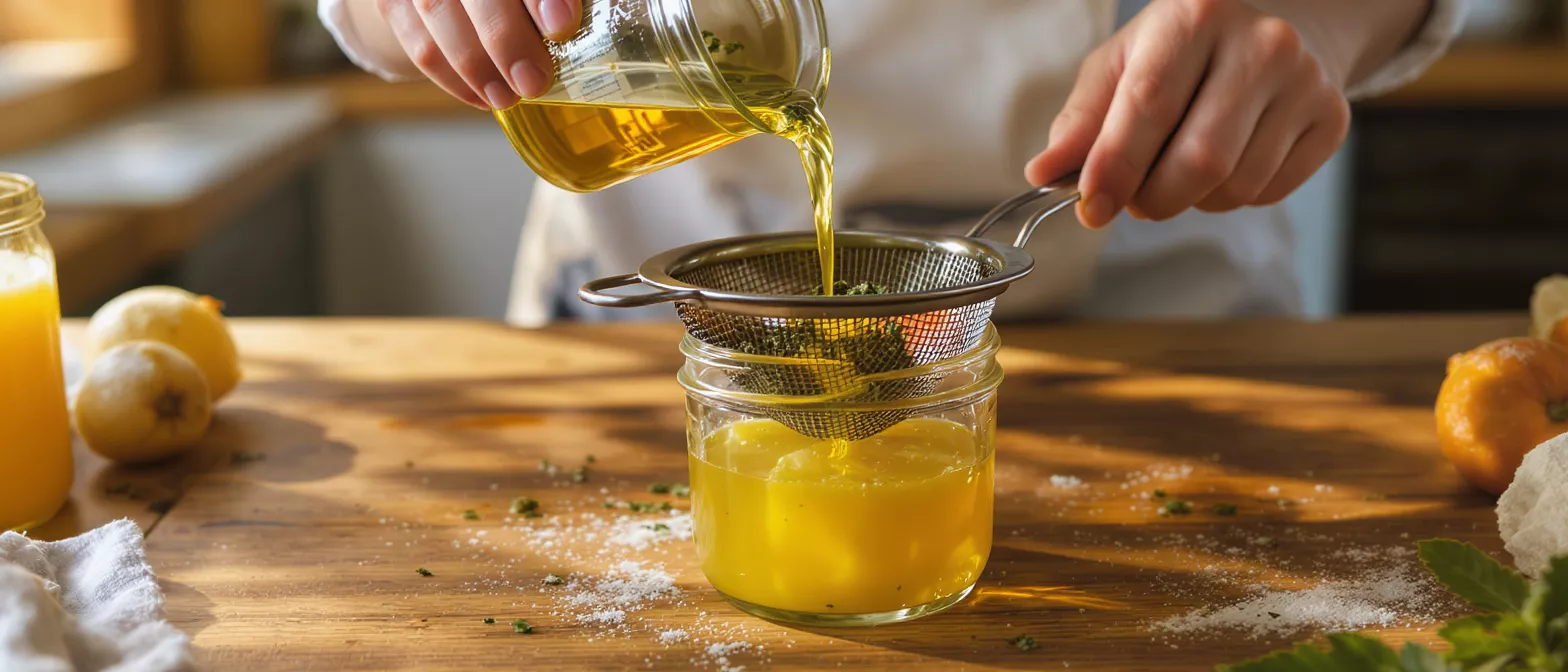
Infusing the dough itself is the most even way to distribute THC across a whole pizza. You replace some or all of the standard olive oil in your dough recipe with cannabis-infused olive oil, then knead, proof, and stretch as usual. Because the oil is woven into the gluten structure, every slice carries a comparable dose rather than concentrating the effect in one hot spot.
Building the base: Start with bread flour for chew, instant yeast for reliability, warm water, salt, and your infused oil. A classic ratio is roughly 500 grams flour, 325 grams water, 10 grams salt, 7 grams yeast, and 25 to 30 grams of infused oil. Mix until shaggy, rest for twenty minutes, then knead until smooth. The autolyse rest hydrates the flour and makes the dough easier to handle without adding extra flour that would dilute your texture.
Proofing for flavor: A slow cold ferment in the refrigerator for 24 to 72 hours develops deep, complex flavor that hides any grassy notes from the infusion. This long rest is your friend. It mellows the cannabis taste, builds the kind of blistered crust you find in a good Neapolitan pie, and gives you flexibility to bake when you are ready. For cooks who want a head start, a quality pre-made infused olive oil removes the most error-prone step from the whole process.
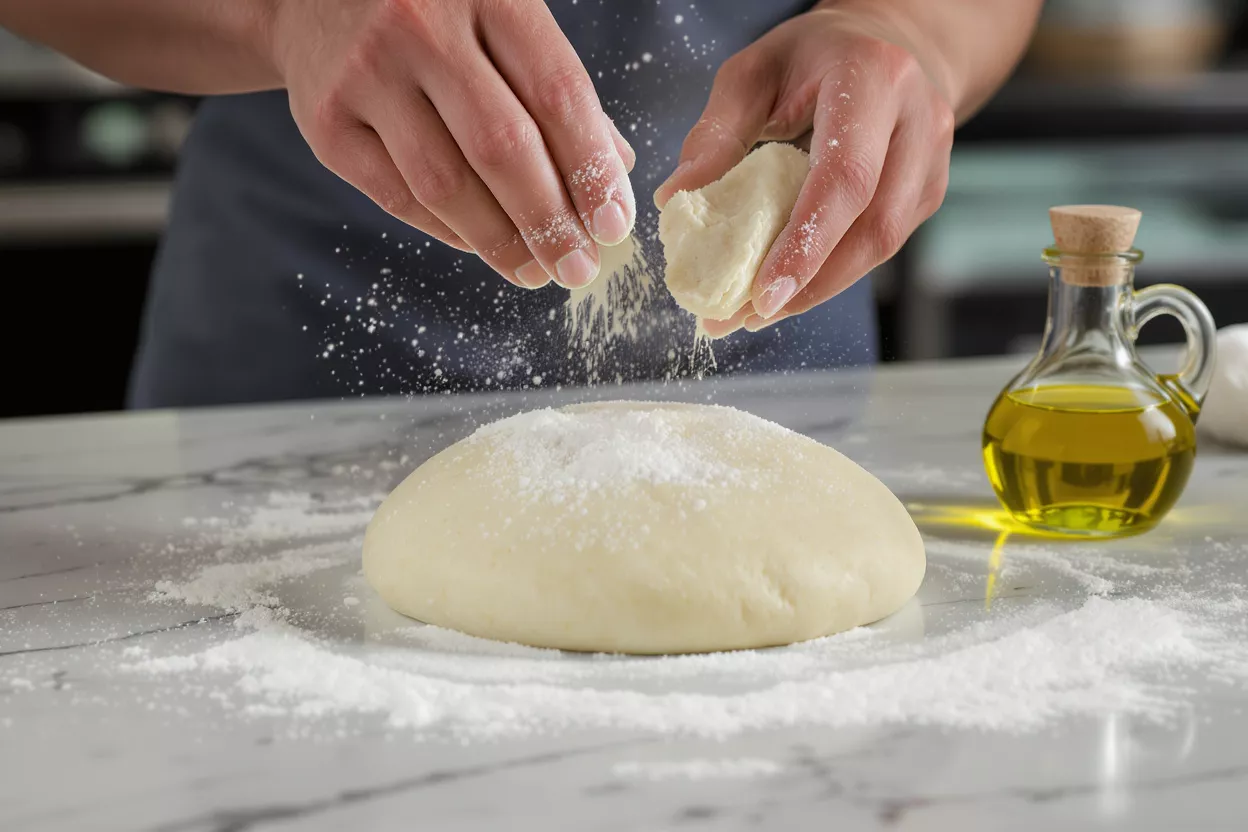
If you prefer a thinner, crispier base, drop the hydration slightly and roll the dough thin. Thin crust bakes faster, so keep an eye on the clock to avoid overheating your cannabinoids. The dough is the structural backbone of your cannabis pizza edibles recipe, and treating it with the same care a pizzaiolo would gives you both better flavor and a more predictable effect.
Building a Cannabis-Infused Pizza Sauce
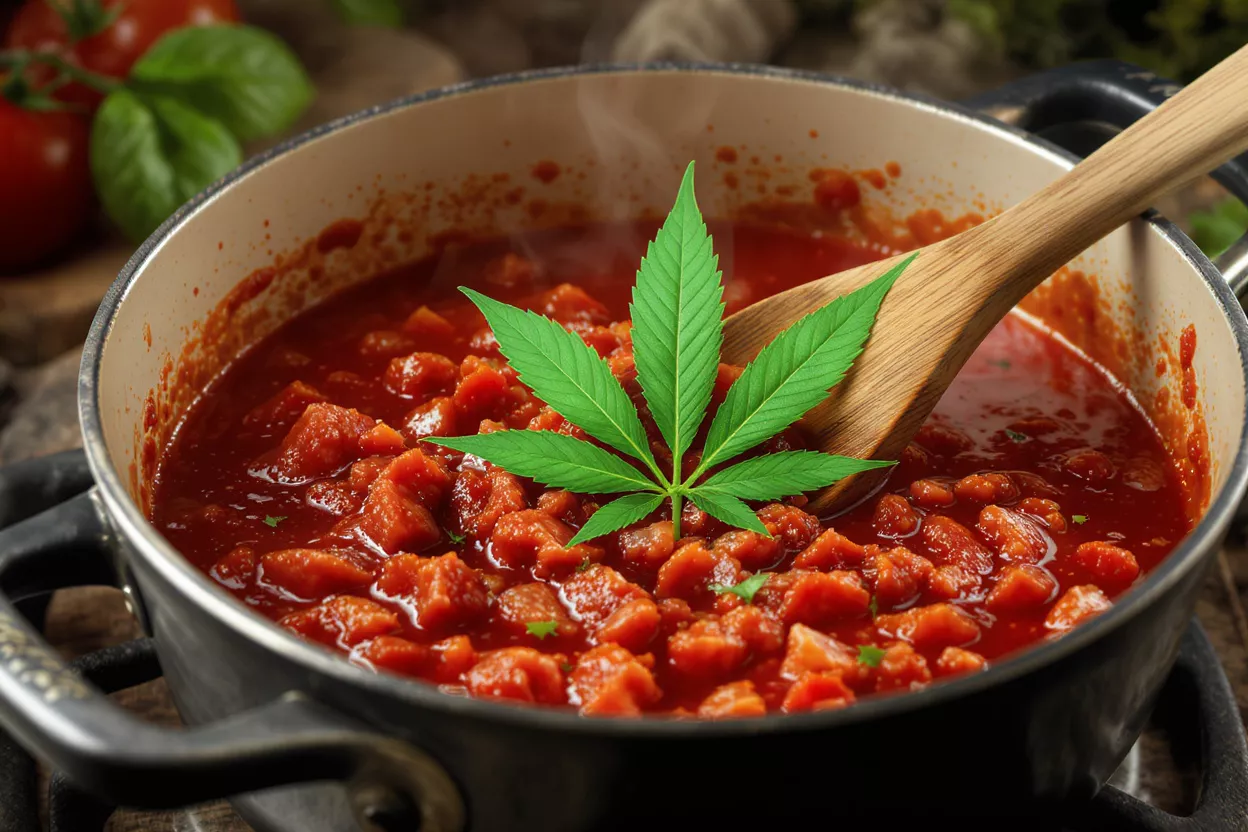
The sauce is the second place to introduce your infusion, and many cooks prefer it because tomato acidity and herbs do a remarkable job of masking cannabis flavor. A simple uncooked San Marzano sauce blended with infused olive oil, garlic, salt, and fresh basil takes minutes and tastes bright and fresh on the finished pie.
Cooked versus raw sauce: A raw sauce keeps your infused oil out of prolonged heat, which protects delicate terpenes like valencene that contribute citrus and herbal aroma. A cooked sauce, simmered gently for thirty minutes, deepens the tomato flavor and integrates the oil more thoroughly. Both work; the choice comes down to whether you value freshness or richness. Keep any simmer below a hard boil to protect your cannabinoids.
Spreading the infusion between dough and sauce gives you a safety margin. If you slightly miscalculate one component, the other balances it out, and the overall dose stays in a comfortable range. A well-balanced sauce also lets the natural xanthophyll pigments and herbal notes of fresh basil shine, rounding out the savory profile. For consistency batch to batch, a tested infused cooking oil gives you a known potency to build your recipe around.
Decarboxylation: The Step You Cannot Skip
Decarboxylation is the chemical step that activates THC, and skipping it is the single most common reason home edibles fail to work. Raw cannabis contains THCA, an acidic precursor that does not produce a noticeable effect until heat converts it to THC. Without decarbing, you can build a beautiful pizza and feel almost nothing.
How to decarb properly: Spread coarsely broken flower on a parchment-lined tray and bake at around 240°F (115°C) for 30 to 40 minutes, stirring once halfway. Low temperature matters; too hot and you burn off the very compounds you want to keep, along with valuable terpenes. The flower should turn a toasted, light-brown color and smell distinctly aromatic when it is done.
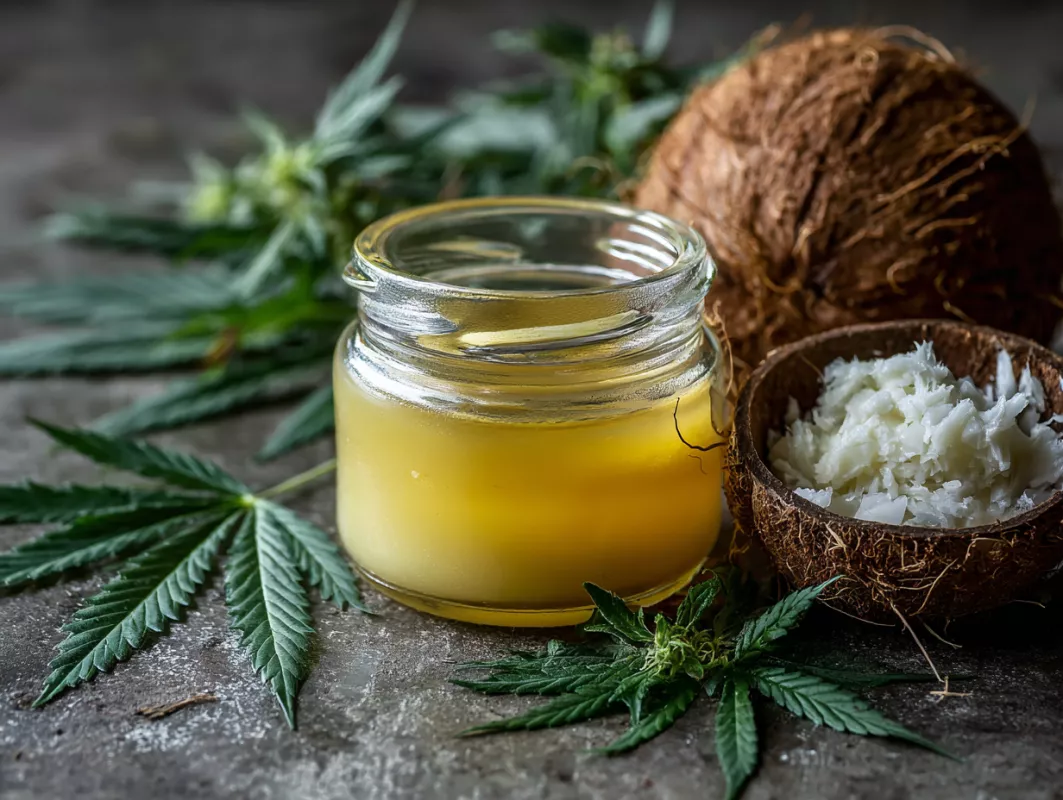
Once decarbed, the flower is ready to be infused into oil through gentle heat or an alcohol extraction method, though oil is far more practical for pizza. The infused oil can then go into your dough, your sauce, or both. This single step, often overlooked by first-timers, is the foundation that the entire cannabis pizza edibles recipe stands on.
Dosing Your Cannabis Pizza Edibles Recipe Safely
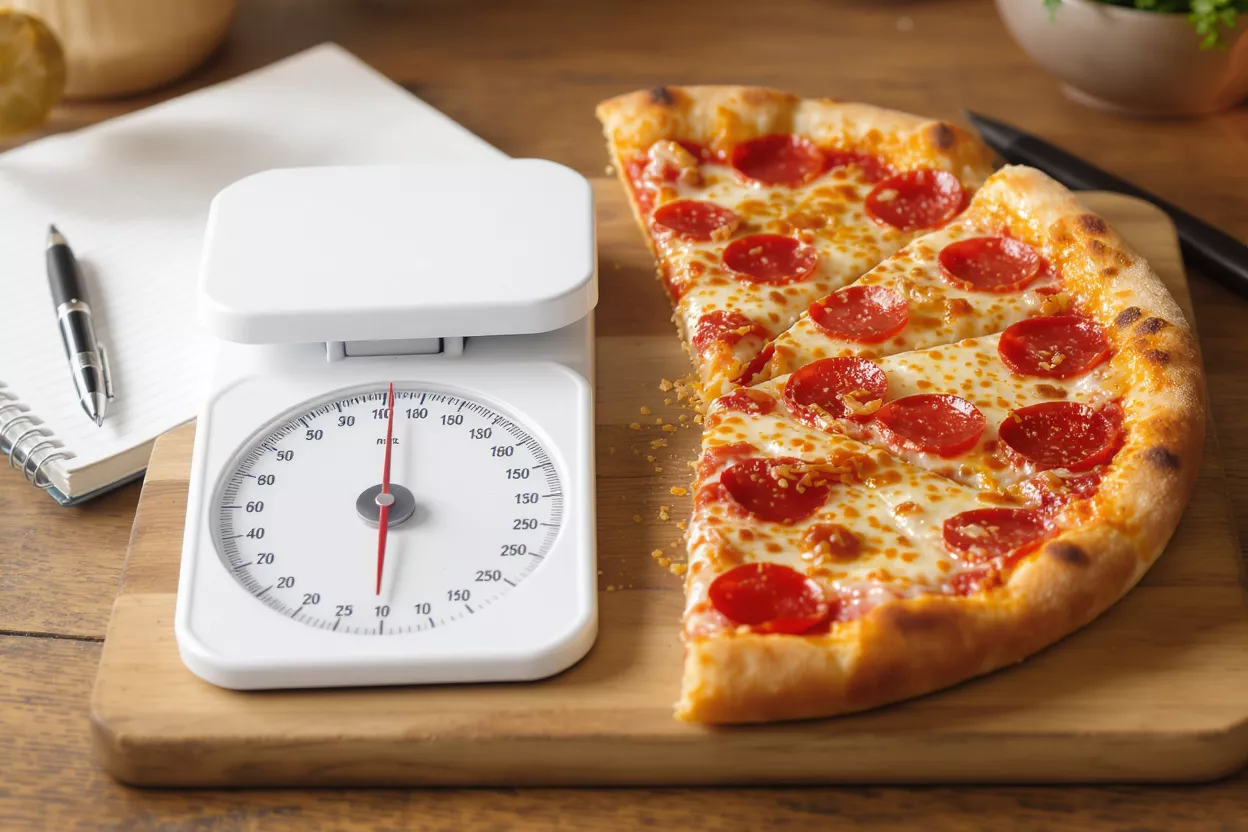
Dosing is where most home cooks feel uncertain, and a methodical approach removes the guesswork. The key is to know roughly how much THC went into your oil, then divide that total across the number of servings your pizza yields. A pizza cut into eight slices means dividing the whole batch's THC by eight to estimate per-slice strength.
A simple dosing framework: Use the steps below as a starting point and adjust to your own tolerance.
- 🧮 Estimate total THC: Multiply the flower's THC percentage by its weight in milligrams, then assume a realistic infusion efficiency of around 60 to 70 percent.
- 🍕 Divide by slices: Take your estimated total and split it evenly across every slice the pizza yields.
- ⏳ Start low and wait: Eat one slice and wait a full two hours before deciding whether to have more.
- 📓 Keep notes: Record potency, servings, and effect so your next batch is easier to dial in.
For newcomers, a beginner-friendly target sits around 5 milligrams of THC per slice. Experienced consumers may comfortably go higher, but starting conservatively prevents the overwhelming experience that gives homemade edibles a bad reputation. Remember that food-based cannabis hits slower and lasts longer, so patience after that first slice is the most important rule in the entire process.
Best Toppings and Flavor Combinations
Toppings are where your pizza becomes personal, and the right choices can either complement or fight the herbal undertones of your infusion. Earthy, rich, and umami-forward ingredients tend to harmonize beautifully with cannabis, while overly delicate flavors can get lost.
Pairings that flatter cannabis flavor: Think bold and savory. The combinations below tend to mask any residual grassiness while building a genuinely crave-worthy pie.
- 🍄 Mushroom and truffle: Deep earthiness mirrors cannabis terpenes and creates a seamless savory base.
- 🧀 Aged cheeses: Sharp parmesan, gorgonzola, and pecorino bring funk and salt that cover herbal notes.
- 🌶️ Spicy soppressata: Heat and cured fat distract the palate and pair naturally with infused oil.
- 🧄 Roasted garlic and caramelized onion: Sweet-savory depth that rounds out the whole pizza.
Fresh herbs added after baking, like basil or oregano, brighten the finished pie and reinforce the aromatic quality of well-preserved terpenes. A drizzle of plain olive oil on top, rather than more infused oil, lets you boost flavor without nudging the dose upward. This is also where a finishing terpene-rich infused honey can add a sweet-heat counterpoint to a spicy pie if you want to experiment beyond the savory lane.
How Fat and Onset Time Affect Savory Edibles
Because cannabinoids bind to fat, the fat content of your meal influences both absorption and onset. A pizza eaten on an empty stomach may hit faster but less predictably, while a full meal slows and smooths the experience. Understanding this helps you plan when to eat and how much.
Onset for savory edibles typically lands somewhere between 45 minutes and two hours, depending on metabolism, recent food intake, and individual chemistry. This is dramatically different from the near-instant feedback of smoking, and it is precisely why patience prevents accidental overconsumption. The longer onset is a feature, not a flaw, delivering an effect that can last four to eight hours.
The richness of pizza, loaded with cheese and oil, actually aids cannabinoid absorption compared to a low-fat food. That fat acts as a carrier, helping your body take up more of the available THC. It is one more reason pizza makes such a natural edible vehicle: the dish's inherent structure works with the chemistry rather than against it.
Common Mistakes When Making THC Pizza
Even experienced cooks stumble on a few predictable pitfalls, and knowing them in advance saves a wasted batch. The most damaging errors usually involve heat, measurement, or impatience rather than technique with the dough itself.
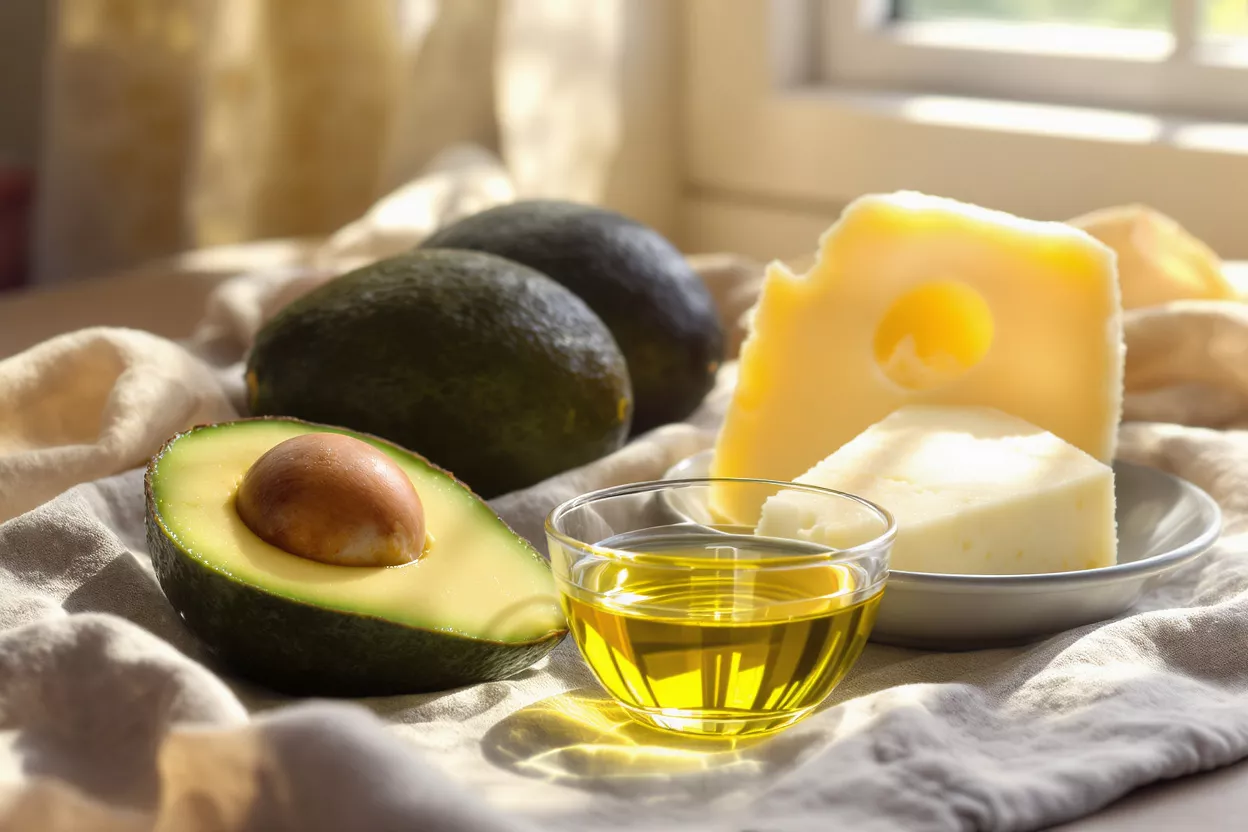
Overheating your infusion: Baking a pizza at 700°F sounds authentic, but extreme heat can degrade cannabinoids that sit exposed on the surface. Infusing the oil into the dough and sauce protects it, since those compounds are buffered inside the food rather than blasted directly. Aim for a home-oven temperature around 475 to 500°F and you preserve potency while still getting a great crust.
Guessing at potency: Eyeballing how much flower to use is a recipe for either a dud or an overwhelming experience. Calculating your dose, even roughly, is the difference between a pleasant evening and an uncomfortable one. The same logic applies to evenly mixing your infused oil through the dough so no single slice becomes a surprise. Treat the math as seriously as you treat the cooking, and your cannabis pizza edibles recipe will reward you with consistency.
Storing and Reheating Cannabis Pizza Edibles
Leftover infused pizza stores much like regular pizza, with a couple of cannabis-specific considerations. THC is reasonably stable once cooked into food, so a slice in the fridge keeps its potency for several days without meaningful loss.
Store cooled slices in an airtight container in the refrigerator for up to four days, or wrap individual slices tightly and freeze them for up to two months. Freezing is excellent for portion control, since each frozen slice carries a known dose you can reheat one at a time. Label everything clearly so an infused slice is never mistaken for an ordinary one, especially in a shared household.
Reheating without losing potency: Gentle reheating in an oven or skillet at moderate temperature restores crispness without harming the cannabinoids. Avoid blasting slices in a microwave at full power for too long, which can make the crust rubbery, though it will not significantly affect the dose. A quick warm-up at 350°F for a few minutes brings a stored slice back to life beautifully.
Are Cannabis Pizza Edibles Safe to Make at Home
Making cannabis pizza at home is safe when you respect dosing, storage, and the slow onset that defines all edibles. The risks are rarely about the food itself and almost always about consuming too much too quickly before the effect has had time to register.
The cardinal rule is to wait. Because savory edibles can take up to two hours to take hold, eating a second slice too soon is the most common way people overconsume. Keep infused pizza clearly labeled and well out of reach of children, pets, and unsuspecting guests, since a slice of pizza looks entirely ordinary and gives no warning of its contents.
Made thoughtfully, a cannabis pizza edibles recipe is one of the most satisfying ways to enjoy infused food: a familiar comfort meal that rewards careful technique with reliable, long-lasting effects. Decarb properly, infuse your fat with intention, calculate your dose, and give the experience time to unfold. Do those four things, and you will have a savory edible worth making again and again, no 420 holiday required to justify it.


Comments