How to Make Edibles: A Beginner’s Cannabis Cooking Guide
Learn how to make edibles step by step — from decarboxylation to dosing.
What You Need to Know Before You Make Edibles
Learning how to make edibles at home is one of the most rewarding ways to enjoy cannabis, and it gives you a level of control over potency, flavor, and ingredients that no store-bought product can match. Whether you want a gentle, low-dose treat or a robust dessert, the fundamentals are the same: convert the raw plant material into an active form, infuse it into a fat, and incorporate that fat into your recipe. Once you understand these three steps, the rest is just cooking.
Before you touch a stove, it helps to understand what is actually happening at the chemical level. Cannabis flower contains cannabinoid acids that are not very active until heat transforms them. The fats in butter and oil act as carriers because cannabinoids are fat-soluble rather than water-soluble. This is why you rarely see recipes that try to infuse cannabis directly into water-based liquids without an intermediary fat or emulsifier.
Choosing your starting material: Most home cooks begin with dried flower, but you can also use kief, trim, or concentrates such as BHO (Butane hash oil) for a cleaner, more potent infusion. Flower is forgiving and inexpensive, while concentrates skip several steps because they are often already decarboxylated. If you are brand new, start with flower of a known potency so you can calculate doses with confidence.
Why Decarboxylation Is the First Step
What decarboxylation actually does: Raw cannabis is rich in THCA and CBDA, the acidic precursors to THC and CBD. Eating raw flower will not get you high because your body cannot efficiently convert those acids on its own. Decarboxylation, often shortened to "decarbing," uses gentle, sustained heat to drop a carboxyl group from the molecule and unlock the psychoactive and therapeutic compounds you are after. Skip this step and your edibles will be disappointingly weak no matter how much flower you use.
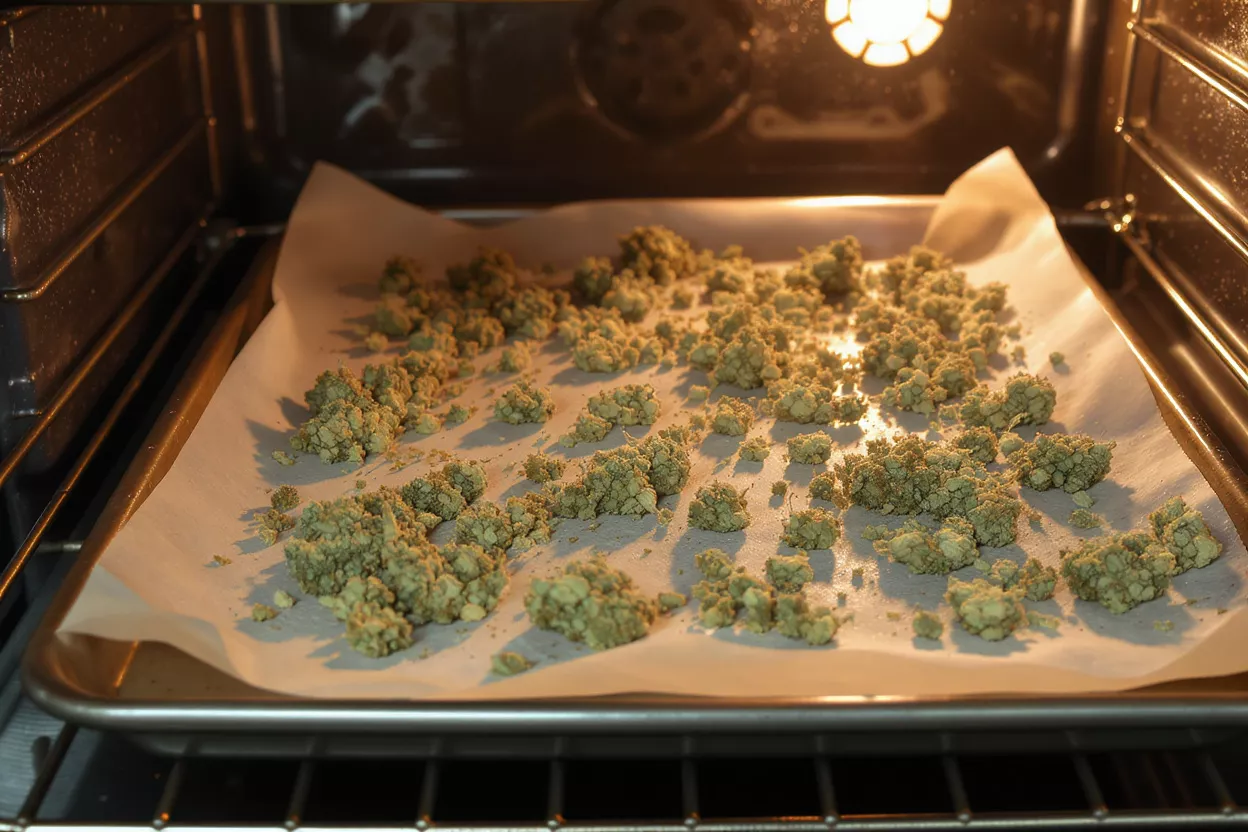
The standard method is simple: spread ground flower on a parchment-lined baking sheet and heat it in the oven around 240°F (115°C) for 30 to 45 minutes, stirring once. Lower temperatures preserve more of the volatile terpenes like borneol and carene that contribute flavor and aroma, while excessive heat burns off cannabinoids and leaves a harsh taste. Researchers who study these reactions, including teams featured by Analytical Cannabis, emphasize that time and temperature work together, so a slightly cooler, longer bake is usually safer than a hot, fast one.
You will know decarbing is working when the flower turns from bright green to a toasty light brown and your kitchen fills with a strong aroma. Don't grind your flower too finely, since a powdery consistency can scorch and pass through strainers later. A coarse, rice-grain texture is ideal for even heating and easy filtering once you move on to infusion.
How to Make Cannabis-Infused Oil and Butter
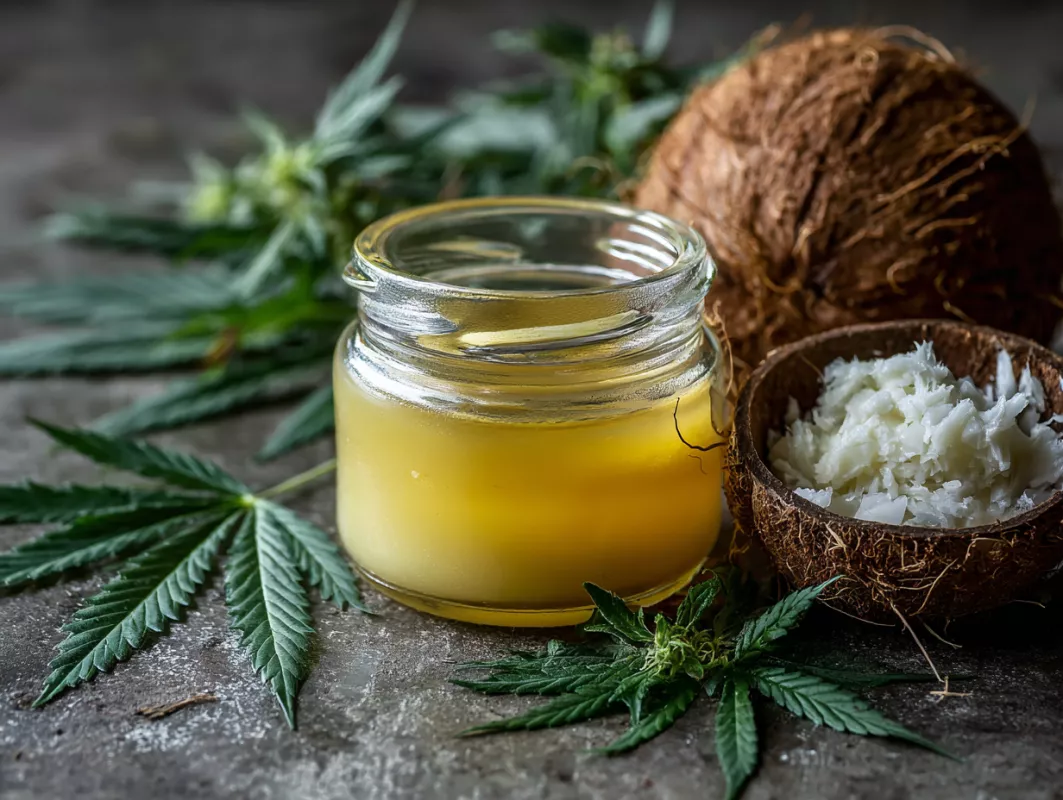
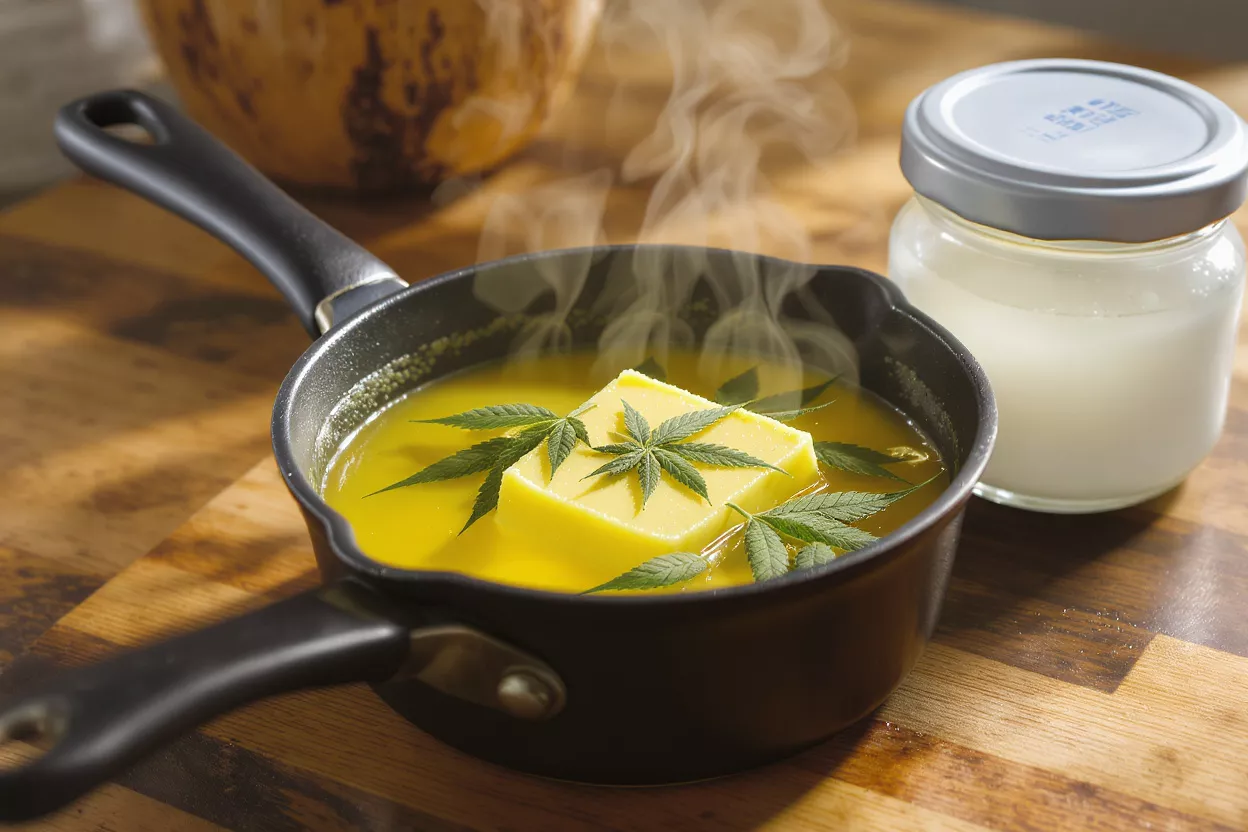
Once your flower is decarbed, the next step is making Cannabis-infused oil or butter, the backbone of nearly every edible recipe. The process is essentially a low-temperature steep: you combine your decarbed cannabis with a fat and hold it at a gentle heat for several hours so the cannabinoids dissolve into the oil. Coconut oil and butter are the most popular choices because of their high fat content, but olive oil works beautifully for savory dishes.
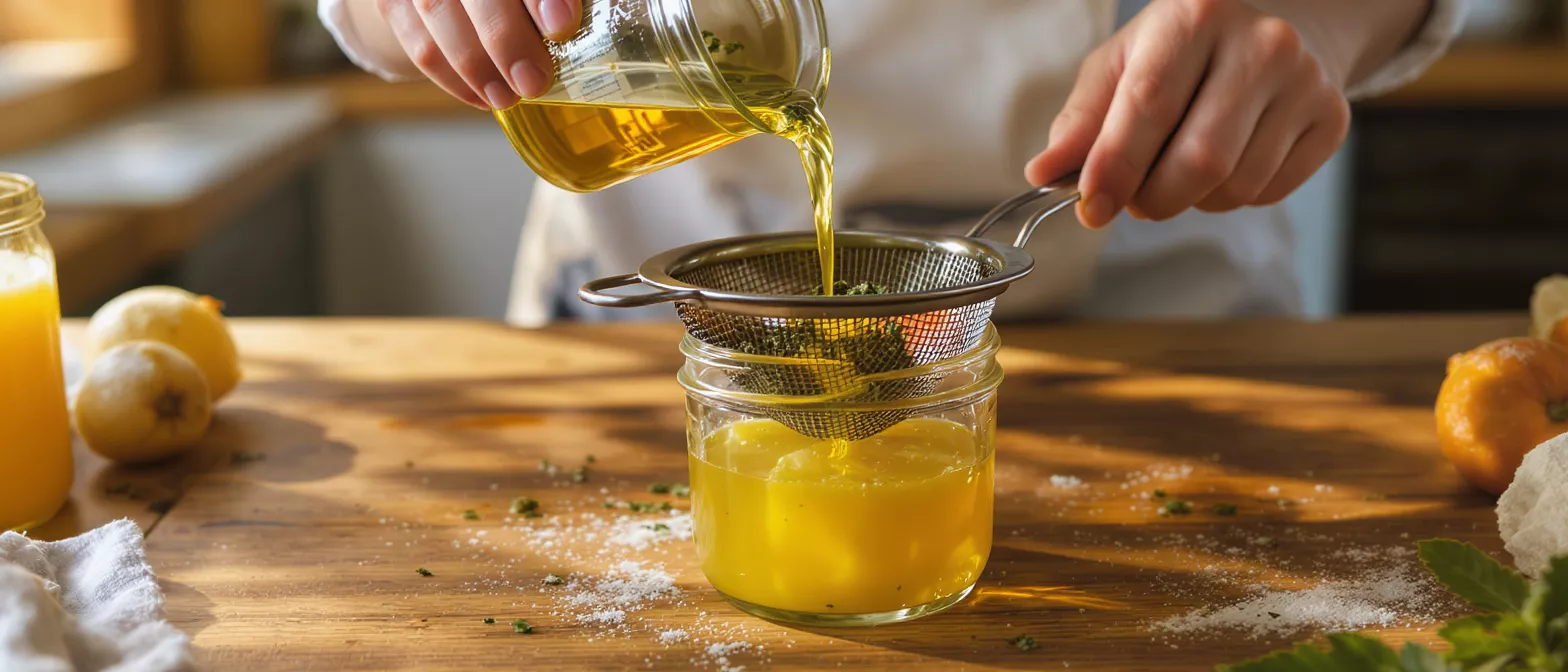
The basic infusion method: Combine one cup of fat with about a quarter to a half ounce of decarbed flower in a double boiler, slow cooker, or saucepan over the lowest possible heat. Maintain a temperature between 160°F and 200°F for two to three hours, stirring occasionally and never letting it simmer or boil. When finished, strain through cheesecloth into a clean jar, pressing gently to release the infused fat without forcing through fine plant particles.
For anyone who wants to skip the guesswork, a quality countertop infusion machine automates the temperature control and straining that trip up beginners. These devices keep the fat in the precise range needed to activate cannabinoids without degrading them, which makes your results far more consistent batch to batch. A jar of well-made infused oil keeps for weeks and becomes the foundation for everything from a simple cannabis baked good to a more ambitious dessert.
How to Make Edibles Stronger or Milder
The single biggest variable in how to make edibles that suit you is potency, and it is entirely within your control once you understand the math. Potency depends on three things: the THC percentage of your starting flower, how much flower you use per batch of fat, and how that fat is divided across the finished portions. Adjust any one of these and you change the strength of every bite.
Calculating a rough dose: Suppose you use 7 grams of flower testing at 20% THC. That is roughly 1,400 milligrams of THC before any losses from decarbing and infusion, which typically run 30 to 40 percent. Assume around 900 to 1,000 mg of usable THC, then divide by the number of servings. Spread across 100 portions, each serving lands near 9 to 10 mg, a comfortable middle dose for many people.
To make milder edibles, simply use less flower per batch of fat, or cut your infused oil with plain oil before baking. To make stronger ones, increase the flower ratio or choose higher-potency material such as kief. Many beginners overshoot on their first attempt, so it is always smarter to aim low. You can eat a second piece, but you cannot un-eat the first.
- 🌿 Flower potency: Higher THC percentages mean stronger infusions from the same amount of plant material.
- ⚖️ Flower-to-fat ratio: More flower per cup of fat increases concentration directly.
- 🍽️ Portion size: Cutting a batch into more servings lowers the dose in each one.
- 💧 Dilution: Blending infused oil with plain oil is the easiest way to dial potency down.
How to Dose Homemade Edibles Accurately
Accurate dosing is what separates a pleasant experience from an uncomfortable one. Unlike inhaled cannabis, which takes effect within minutes, edibles must pass through your digestive system and liver, where THC is converted into a more potent compound. This is why effects can take 45 minutes to two hours to arrive and why patience is essential. Eating more before the first dose kicks in is the most common rookie mistake.
Why homemade dosing is harder than store-bought: Commercial products are lab-tested and labeled to the milligram, while your kitchen batch relies on even distribution and honest math. The key to consistency is thorough mixing. If your infused fat is not blended evenly into the batter, one brownie might be mild and the next overwhelming. Stir well, and for liquids, consider an emulsifier so the fat does not pool.
Start with a low dose of 2.5 to 5 mg if you are new, wait a full two hours, and only then decide whether to take more. Keep a simple log of how much you ate and how you felt, which makes future batches easier to dial in. A reliable low-dose gummy starter kit can also help newcomers practice portion control before graduating to homemade baked goods.
Best Recipes to Make Edibles at Home
Once you have a jar of infused oil or butter, the recipe possibilities open up dramatically. The best beginner recipes are forgiving ones where fat is a primary ingredient, since that is where your cannabinoids live. Brownies, cookies, and savory sauces all fit the bill, and you can scale the infused fat up or down to match your target dose.
Beyond baked goods: Edibles are not limited to desserts. You can stir infused oil into salad dressings, drizzle it over pasta, or whisk it into a warm cannabis milk for an evening drink. Adventurous cooks experiment with a cannabis lollipop, homemade cannabis cough drops, or even a cannabis jelly set with carrageenan for a vegan-friendly texture. Each of these requires its own technique, but they all start from the same infused base.
For the gummy lovers, a homemade cannabis bath bomb might seem out of place in a cooking guide, but it illustrates how versatile an infusion can be once you understand the fundamentals. If you prefer a no-bake option, blend infused oil into nut butter, honey, or chocolate. A simple chocolate mold and a steady hand can turn a single jar of infusion into dozens of precisely portioned treats.
- 🍫 Chocolate: Melt and mix with infused oil, then pour into molds for easy, even portions.
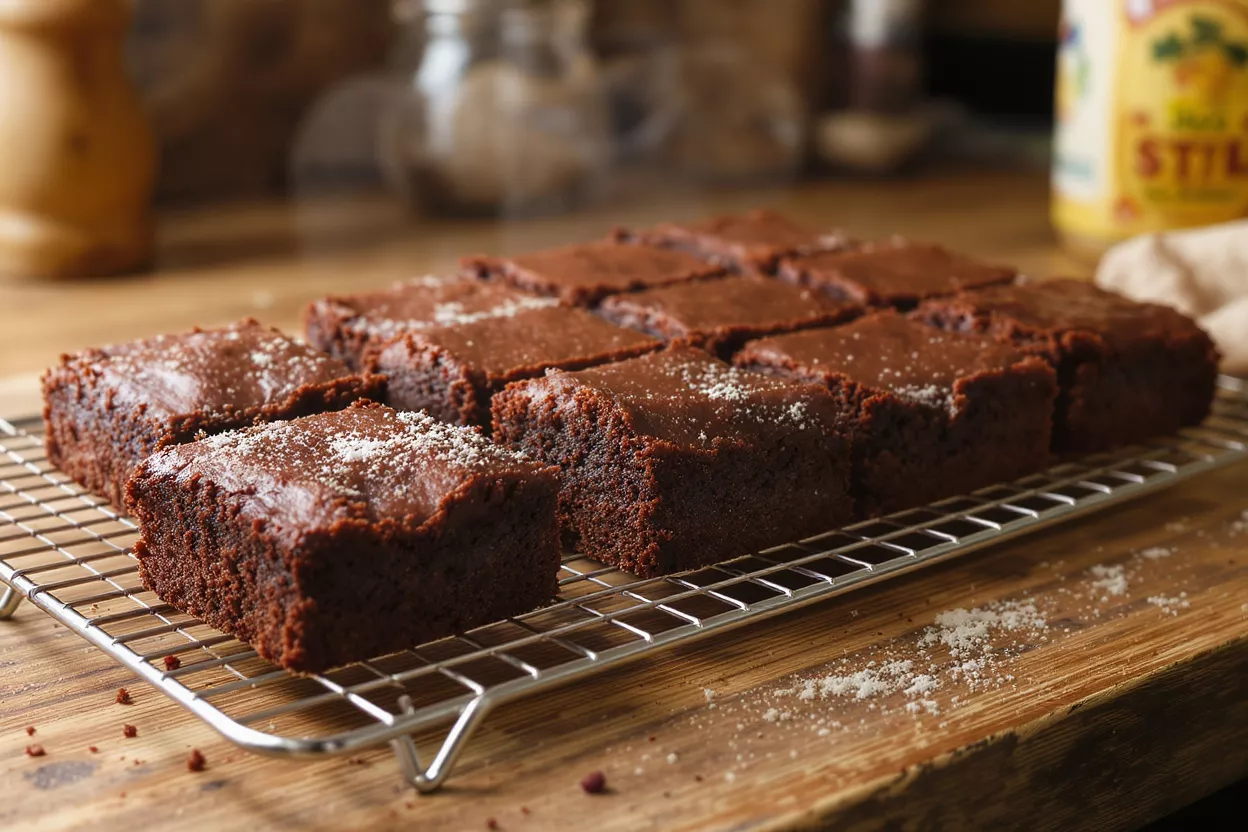
- 🍪 Brownies and cookies: Swap regular butter for cannabutter at a one-to-one ratio.
- 🥛 Infused beverages: Warm cannabis milk or tea using an emulsifier for smooth blending.
- 🍯 Honey and nut butter: No-bake mixes that are quick and beginner-friendly.
Common Mistakes When You Make Edibles
Skipping or rushing decarboxylation: The most frequent error is treating decarbing as optional or cranking the oven too high to save time. Both lead to weak, harsh, or wasted edibles. Give the process the gentle heat and full duration it needs, and resist the urge to peek constantly, which drops your oven temperature and slows the reaction.
Another common pitfall is overheating the infusion. When fat gets too hot, you boil off the very cannabinoids and terpenes you worked to preserve, and you can develop a bitter, grassy flavor. Keep the heat low and slow, use a thermometer, and never let the mixture reach a rolling boil. The patience pays off in both potency and taste.
Finally, many cooks underestimate how powerful homemade edibles can be and eat too much too fast. Because the onset is delayed, it is easy to assume nothing is happening and reach for a second helping, only to be hit hard later. This overconsumption can occasionally trigger unpleasant effects, and in rare cases of chronic heavy use, conditions like Cannabis Hyperemesis Syndrome have been linked to long-term overuse. Respect the delay, and dose conservatively every time.
Are Homemade Edibles Safe to Eat
Homemade edibles are safe to eat when you follow basic food-safety practices and dose responsibly. The cannabis component itself is well tolerated by most adults, but the bigger risks come from kitchen hygiene and accidental overconsumption. Treat your infused products exactly as you would any other perishable food made with butter or oil.
Keeping edibles away from others: The most serious safety concern is accidental ingestion by children or pets, because homemade treats look exactly like their non-infused counterparts. Always label your edibles clearly, store them in a locked or out-of-reach location, and never leave a tray of infused brownies cooling on the counter where anyone might grab one. A childproof container is a small investment for real peace of mind.
The second concern is your own dosing discipline. Effects are delayed and can be intense, so it pays to know the signs of having too much: dry mouth, a racing heart, dizziness, or anxiety. These symptoms are uncomfortable but generally pass with rest, hydration, and time. Keep water nearby, find a calm space, and remember that the feeling is temporary even when it is unpleasant.
How to Store Edibles for Freshness and Potency
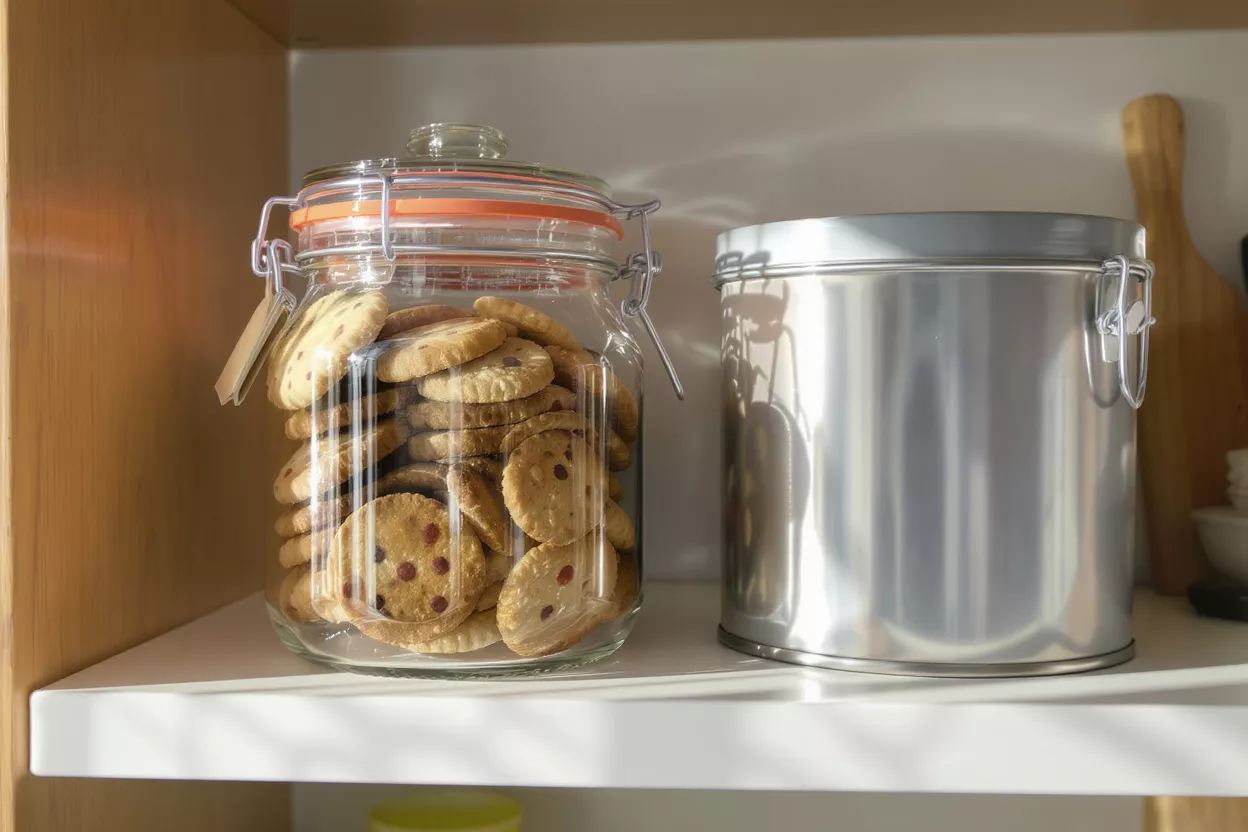
Proper storage protects both the flavor and the strength of your edibles. Cannabinoids degrade when exposed to light, heat, and air, so the same conditions that spoil ordinary food also weaken your infusions. An airtight container in a cool, dark cupboard is the baseline for short-term storage of most baked goods and infused fats.
Refrigeration and freezing: Infused butter and oil keep for several weeks in the refrigerator and for months in the freezer, where cold temperatures slow cannabinoid breakdown to a crawl. Baked goods like brownies and cookies can be wrapped individually and frozen, then thawed as needed, which also makes portion control effortless. Label everything with the date and the milligrams per piece so you never lose track.
For anyone who likes to batch-cook, an airtight stash storage jar set with opaque walls keeps light out and preserves potency longer than clear containers. Moisture is the enemy of any baked good, so add a food-safe desiccant packet if you live in a humid climate. Done right, a single afternoon of cooking can supply you with consistent, ready-to-eat portions for weeks.


Exotic Fruit High Dose THC Gummies 100mg x 30pcs (3000mg) – LIIFT
Built for seasoned tastes. LIIFT's Exotic Fruit high-dose gummies bring 100mg of THC to each piece — 3000mg across 30 — in dragon fruit, lychee, and other exotic flavours. One gummy goes a long way, with effects that settle in for the long haul. Reserved for experienced users who know exactly what they're reaching for.
- Extreme Tolerance Solution : Finally enough THC
- Efficient Dosing : One gummy = major relief
- Long-Lasting Effects : 8-12 hour duration
- Cost Effective : Less product needed
- Exotic Experience : Unique flavors enhance

Assorted Bedtime Vegan THC Gummy Bears – Indica 10mg x 30pcs (300mg) – KANDY KANDY
A month of better bedtimes. KANDY KANDY's Bedtime Bears are thirty assorted-flavour vegan indica gummies at a gentle 10mg each — a consistent nightly dose to ease tension and settle you toward sleep. Approachable, flavourful, and easy to keep by the bed. The reliable wind-down ritual, one little bear at a time.
- Sleep Consistency : Establish reliable bedtime routine
- Month-Long Support : Full supply for habit building
- Flavor Variety : Keep bedtime interesting
- Pain Relief : Nightly comfort from aches
- Anxiety Management : Calm thoughts consistently

Watermelon Vegan Indica THC Gummies Blokk 75mg x 8pcs (600mg) – KANDY KANDY
Serious relief that doesn't mess around. KANDY KANDY's Watermelon Indica Blokk gummies pack 75mg of THC into each of eight pieces — high-dose, deeply sedating calm with fresh watermelon flavour. A week-long reserve for experienced, high-tolerance users. Heavy relaxation and restful nights — start low and pace yourself.
- Week-Long Relief : 8 gummies provide extended therapeutic supply
- Strong Pain Support : A 75mg dose often chosen for chronic, persistent discomfort
- Deep Sleep Support : High dose ensures all-night rest
- Calming Support : Powerful calm for a racing mind
- Value Efficiency : More doses per package saves money
Troubleshooting Your First Batch of Edibles
Even careful cooks run into hiccups on their first attempt, and most problems trace back to one of a few familiar causes. If your edibles came out too weak, the likely culprits are incomplete decarboxylation, too little flower, or an infusion that never reached a high enough temperature for long enough. Adjust one variable at a time on your next batch so you can pinpoint what made the difference.
Why your edibles taste too grassy: A strong vegetal or "weedy" flavor usually means too much plant material made it into your fat, or you overheated the infusion. Use a finer strain through cheesecloth, reduce the flower ratio slightly, and keep your temperatures gentle. Some cooks also rinse decarbed flower briefly or use concentrates to sidestep the plant taste entirely while keeping potency high.
If the effects felt uneven from one piece to the next, your fat was probably not distributed evenly through the batter, leaving some portions strong and others nearly inert. Mix thoroughly, and for batters that separate, an emulsifier helps the infused fat stay suspended. With a little practice and patient note-taking, you will land on a reliable method that produces the exact experience you want, every single time. Homemade edibles reward the cooks who treat each batch as a small experiment worth refining.
Making your own edibles is part science, part kitchen craft, and entirely worth the effort once you master the basics. Decarboxylate properly, infuse low and slow, do the dosing math honestly, and store your finished treats with care, and you will produce edibles that rival anything on a dispensary shelf. Start conservative, keep notes, and let each batch teach you something new. With these fundamentals in hand, you have everything you need to cook with confidence and enjoy the results responsibly.