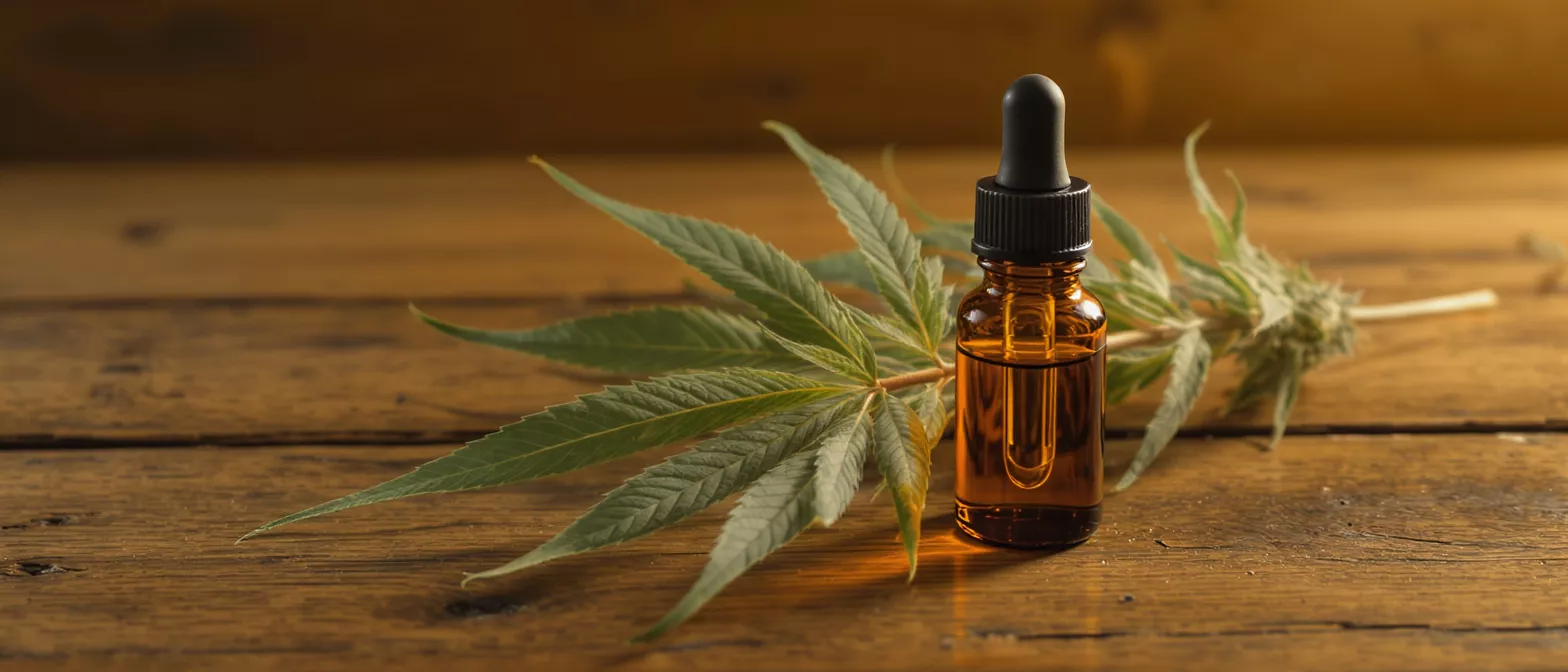
cannabis cough drops
Discover how cannabis cough drops soothe your throat with CBD, CBN & THC.
What Are Cannabis Cough Drops
Cannabis cough drops are medicated lozenges that combine the soothing, throat-coating qualities of a traditional cough drop with measured doses of cannabinoids such as CBD, CBN, or low levels of THC. They dissolve slowly in the mouth, releasing a steady trickle of active ingredients along with familiar menthol, eucalyptus, or honey notes that help calm an irritated throat. For people who want the calming reputation of cannabis without smoking or vaping, these drops offer a discreet, portable, and surprisingly approachable format.
The concept borrows heavily from the centuries-old apothecary tradition of herbal lozenges. Where a classic drop might lean on menthol alone, a cannabis version layers in plant compounds that interact with the body's endocannabinoid system. The result is a product that feels familiar in the hand and on the tongue but carries a distinctly modern wellness profile. Many users find them an easy on-ramp into cannabis-infused products precisely because the delivery method is something everyone already understands.
Why the format matters: Slow oral dissolution means cannabinoids absorb partly through the tissues of the mouth and partly through digestion, producing a gentler, more gradual onset than inhalation. This makes cannabis cough drops appealing to first-timers and to anyone who prefers predictable, low-key effects. Unlike a quick puff from a portable CBD vape pen, a lozenge encourages you to slow down and let relief build naturally.
How Cannabis Cough Drops Work
When you place a cannabis cough drop in your mouth, two things happen at once. The demulcent base — usually sugar, honey, or a glycerin blend — coats the throat and reduces the urge to cough, while the menthol or eucalyptus provides a cooling sensation that quiets nerve endings. Simultaneously, the cannabinoids begin to release as the lozenge dissolves, absorbing through the mucous membranes lining the cheeks and under the tongue.
This dual pathway is what gives lozenges their characteristic profile. Sublingual and buccal absorption lets a portion of the cannabinoids enter the bloodstream directly, bypassing the digestive tract, which typically produces effects within fifteen to forty-five minutes. The remainder is swallowed and processed by the liver, extending the experience over a longer window. According to RxList, cannabinoids like CBD are generally well tolerated, though they can interact with how the body metabolizes certain medications.
The endocannabinoid connection: Cannabinoids work by engaging CB1 and CB2 receptors that are part of the body's endocannabinoid system, a network involved in regulating mood, discomfort signaling, and inflammation. When the soothing physical action of the lozenge meets this internal signaling, users often describe a layered sense of relief — the throat feels coated and calm while a broader sense of ease settles in.

Types of Cannabis Cough Drops
Not all cannabis cough drops are built the same way, and the differences matter when you're choosing a product for a specific purpose. The most obvious distinction is the cannabinoid profile, but flavor base, sweetener, and added botanicals all shape the experience. Some brands lean into the classic menthol-and-eucalyptus medicinal feel, while others borrow from confectionery traditions, producing something closer to a flavored hard candy that happens to be functional.
Below is a quick breakdown of the common varieties you'll encounter on the shelf or online:
- 🍯 Honey-lemon CBD drops: The gentlest option, pairing a soothing demulcent base with non-intoxicating CBD for everyday throat comfort.
- 🌙 CBN nighttime lozenges: Formulated with CBN, often nicknamed the "rest" cannabinoid, for an evening wind-down ritual.
- ❄️ Menthol-eucalyptus blends: The most cough-drop-like, leaning on cooling terpenes for clear, crisp throat relief.
- 🌿 Full-spectrum botanical drops: Containing CBD alongside minor cannabinoids like CBG and CBC for a broader entourage effect.
Flavor traditions run deep here. Some artisan makers nod to old-world candy names — you might see a drop marketed as a "Cheeba" treat or flavored with warming spices reminiscent of capsaicin for a tingling finish. The point is that variety lets you match the product to both the symptom and the moment, whether you want a brisk daytime drop or a mellow nighttime one.
Cannabis Cough Drops Benefits
Throat soothing without the smoke: The headline benefit is obvious but worth stating clearly. Anyone managing an irritated or scratchy throat would rather not inhale anything harsh, and a lozenge sidesteps that entirely. The demulcent coating offers immediate physical comfort while the cannabinoids contribute their own calming layer, making this a thoughtful format for respiratory comfort.
Beyond the throat, the appeal is largely about control and discretion. A cough drop tin slips into a pocket, looks unremarkable, and requires no equipment. There's no odor, no preparation, and no cleanup. For people who value privacy or simply dislike the ritual of a chillum or a vape, the lozenge format removes every barrier. RxList notes that CBD products are commonly used for general wellness, and the convenience of a lozenge makes consistent use easy to maintain.
Here are the standout reasons people reach for cannabis cough drops:
- 🌬️ Smoke-free relief: No inhalation means no added throat irritation, ideal when your airways are already sensitive.
- ⏱️ Gradual, predictable onset: Effects build steadily rather than hitting all at once, which suits cautious dosing.
- 🎒 Travel-friendly discretion: Pocket-sized, odorless, and instantly recognizable as an ordinary lozenge.
- 😌 Layered comfort: Physical throat coating plus the calming reputation of cannabinoids in a single product.

Cannabinoids in Cannabis Cough Drops
The active heart of any cannabis cough drop is its cannabinoid blend, and understanding the cast of characters helps you shop wisely. CBD is the most common, prized for its non-intoxicating, calming profile. But the cannabinoid family is large, and minor compounds increasingly appear in premium formulations to fine-tune the effect.
The supporting cannabinoids: CBN is frequently added to evening-focused drops for its reputation as a relaxing, restful compound, while CBG — sometimes called the "mother cannabinoid" because it forms from CBGA early in the plant's life — contributes a clear-headed, focused character. Rarer compounds like CBL, which forms from CBLA (cannabicyclolic acid) through natural aging, are still being studied but occasionally appear in full-spectrum products as part of the plant's complete profile.
This is where the so-called entourage effect comes into play. Many makers believe cannabinoids and terpenes work better together than in isolation. A drop might pair CBD with the cedrene terpene effects of a woody, grounding aroma, producing a more rounded experience than CBD alone. If you're curious about exploring beyond simple isolates, a full-spectrum CBD lozenge gives you a taste of that broader synergy. According to RxList, research into these minor cannabinoids is ongoing, so it's wise to treat marketing claims with healthy curiosity.

Best Cannabis Cough Drops for Throat Relief
The "best" cannabis cough drop is genuinely a matter of context — what works for a late-night cough is not what you'd want before a busy afternoon. That said, a few qualities consistently separate excellent products from mediocre ones. Look for transparent cannabinoid labeling, a clean demulcent base, and recognizable soothing botanicals rather than vague "natural flavors."
For raw throat relief specifically, menthol and eucalyptus remain the gold standard because they actively cool and quiet the cough reflex. Pair that physical action with a moderate CBD dose and you have a versatile daytime option. For nighttime, a CBN-forward drop with honey trades the brisk cooling for warmth and sedation.
When comparing options, weigh these factors:
- 🔬 Lab transparency: Third-party testing should confirm cannabinoid content and screen for contaminants.
- 🍬 Base quality: Honey and glycerin coat better than pure sugar and feel gentler on a raw throat.
- 📊 Clear dosing: Each drop should state its milligram content so you can pace yourself confidently.
- 🌱 Botanical synergy: Added terpenes or herbs like menthol amplify the soothing effect naturally.
Many people keep more than one type on hand, much as they might rotate between a brisk daytime tea and a calming nighttime blend. There's no single winner — only the right drop for the right moment.
Cannabis Cough Drops Dosing Guide
Start low and go slow: This is the cardinal rule of any cannabis product, and lozenges make it easy to follow. Most drops contain between five and twenty-five milligrams of CBD, often with a smaller fraction of THC or minor cannabinoids. For a newcomer, a single low-dose drop is the sensible starting point — let it dissolve fully and wait at least forty-five minutes before considering another.
Because absorption happens through both the mouth and the digestive system, the experience builds over a longer arc than smoking. This makes overdoing it less likely if you're patient, but it also means impatience can backfire — taking a second drop too soon may stack effects you didn't anticipate. RxList emphasizes that individual responses to cannabinoids vary widely based on body chemistry, tolerance, and other factors.
A simple framework for finding your dose:
- 🟢 Beginner: One 5–10 mg drop, allowed to fully dissolve, with a long wait before any follow-up.
- 🟡 Intermediate: A 10–20 mg drop for those familiar with their tolerance and seeking steadier relief.
- 🔴 Experienced: 20 mg or more, reserved for seasoned users who understand how their body responds.
Remember that more is not better. The goal is the lowest dose that delivers comfort, and lozenges reward patience over enthusiasm.
Are Cannabis Cough Drops Safe
For most healthy adults, cannabis cough drops have a favorable safety profile, especially the CBD-dominant varieties. The most commonly reported side effects are mild — dry mouth, slight drowsiness, or minor digestive changes. Because they're consumed orally rather than inhaled, they avoid the respiratory irritation associated with smoking, which is a meaningful advantage for anyone already nursing a sore throat.
Who should be cautious: Cannabinoids can interact with certain prescription medications, particularly those metabolized by the liver's enzyme systems. Anyone taking regular medication, who is pregnant or nursing, or who has an underlying health condition should consult a healthcare provider before adding cannabis drops to their routine. RxList highlights that CBD may affect how the body processes drugs that carry a grapefruit warning, a useful rule of thumb worth remembering.
Quality control is the other half of the safety equation. A poorly made product could contain inaccurate dosing or residual contaminants from extraction. This is why third-party lab results matter so much — they're your assurance that what's on the label is what's in the drop. Choosing a reputable maker with published testing transforms an unknown into a predictable, trustworthy experience.
How to Use Cannabis Cough Drops
Using a cannabis cough drop correctly is mostly about resisting the urge to rush. Place the drop in your mouth and let it dissolve naturally rather than chewing or swallowing it whole. Slow dissolution maximizes the buccal and sublingual absorption that gives lozenges their gentle, sustained effect. Crunching through it sends most of the cannabinoids straight to the stomach, delaying and dulling the experience.
Timing matters too. If you want steady daytime comfort, a single low-dose drop in the morning sets a gentle baseline. For sleep support, a CBN-forward drop roughly an hour before bed gives the effects time to settle in. Keeping a small water glass nearby helps, since menthol-heavy drops can dry the mouth slightly. For broader wellness routines, some people pair a daytime lozenge with a soothing CBD-infused balm for a layered approach to comfort.
Storage and freshness: Keep your drops in a cool, dry place away from direct sunlight, which can degrade cannabinoids over time. A sealed tin preserves both potency and flavor. Stored properly, a quality lozenge holds its character for many months, ready whenever a scratchy throat or a need to unwind arises.
Choosing Quality Cannabis Cough Drops
The market for cannabis-infused products has expanded dramatically, which is wonderful for choice but demanding for the discerning shopper. The single most important habit is reading the certificate of analysis — the third-party lab report that confirms cannabinoid content and screens for pesticides, heavy metals, and residual solvents. A brand proud of its quality will make this document easy to find.
Ingredients tell their own story. Look for a short, recognizable list: a clean demulcent base, real botanical flavors, and clearly stated cannabinoids. Be wary of products that hide behind vague "proprietary blends" or that can't tell you exactly how many milligrams each drop delivers. As RxList points out, consistency and transparency are hallmarks of trustworthy supplement makers, and the same standard applies here.
Finally, consider the maker's broader reputation and the company they keep within the wider world of cannabis craft — from those who carefully baptize their extracts in precise terpene blends to small-batch artisans experimenting with carb caps and dab rigs. A brand embedded in genuine cannabis culture, transparent about sourcing, and responsive to customers tends to produce a better cough drop than one chasing a trend. Cannabis cough drops sit at a charming intersection of old-fashioned remedy and modern wellness, and the best of them honor both traditions. Choose thoughtfully, start with a low dose, keep your lab reports handy, and you'll have a discreet, soothing companion ready for whatever your throat — or your day — throws at you.