


BHO (Butane hash oil)
Learn about BHO (Butane hash oil): how butane extraction creates potent cannabis concentrates like shatter and wax.
BHO (Butane Hash Oil) in Cannabis
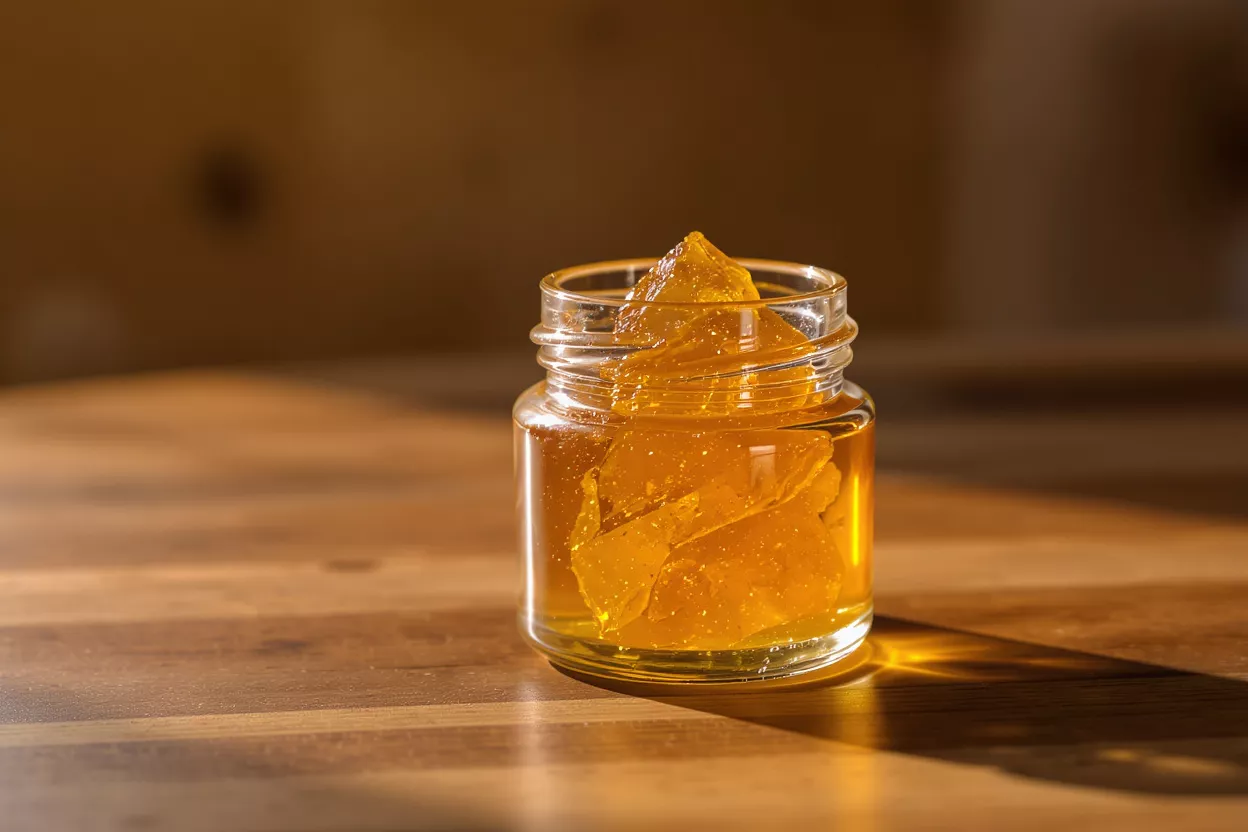
Butane Hash Oil represents both the pinnacle of cannabis extraction efficiency and a cautionary tale about the importance of safety in concentrate production. This powerful extraction method uses liquefied butane as a solvent to strip cannabinoids and terpenes from plant material, creating products ranging from glass-like shatter to creamy budder with potencies exceeding 90% THC. While BHO's ability to preserve strain-specific terpene profiles while achieving exceptional purity has made it a favorite among concentrate connoisseurs, its production requires sophisticated equipment and expertise to ensure safety and quality.
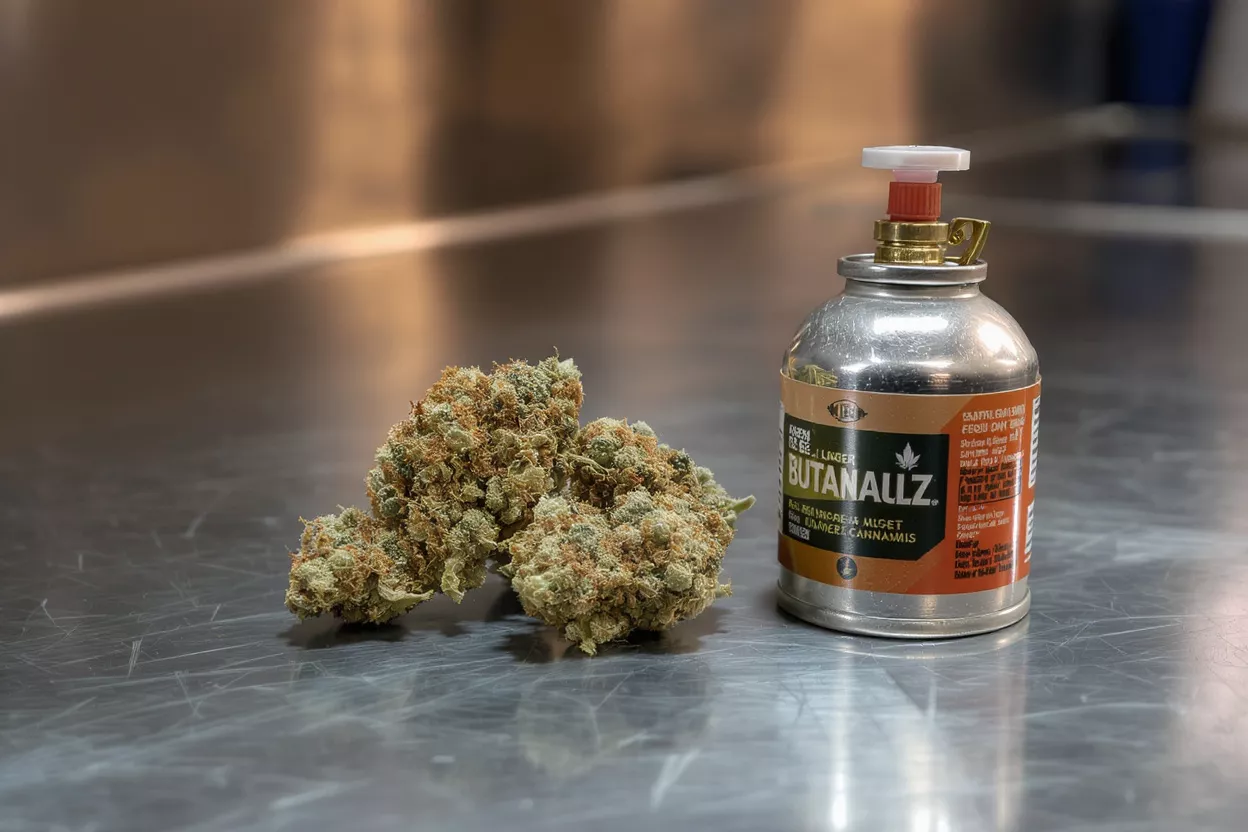
The technical elegance of BHO extraction lies in butane's selective solvency—its non-polar nature efficiently dissolves cannabinoids and terpenes while leaving behind water-soluble impurities and plant matter. This selectivity, combined with butane's low boiling point (-0.5°C), enables gentle extraction and purging processes that preserve delicate terpenes often lost in other methods. However, these same properties that make butane an excellent solvent—high volatility and flammability—also create significant safety hazards that have led to tragic accidents and stringent regulations.
Market evolution of BHO reflects the cannabis industry's broader trajectory from underground innovation to regulated production. What began as dangerous "open blasting" in backyards has transformed into sophisticated closed-loop extraction systems operated by trained professionals in licensed facilities. This progression demonstrates how proper regulation and technology can harness potentially dangerous processes for consumer benefit, creating products that define premium cannabis experiences while maintaining safety standards that protect both producers and consumers.
Understanding BHO Extraction
Safety Protocols
Closed-loop extraction systems revolutionized BHO production by containing butane throughout the entire process, eliminating atmospheric release and explosion risks. These systems operate under vacuum or pressure, cycling butane through material columns into collection vessels where extract accumulates. Recovery pumps reclaim 95-99% of butane for reuse, improving economics and safety. Pressure relief valves prevent over-pressurization while sight glasses allow process monitoring. Professional systems include multiple fail-safes: pressure switches, temperature monitoring, and emergency shutdown procedures. Investment ranges from $5,000 for basic units to $500,000+ for industrial systems.
Facility requirements for safe BHO production extend far beyond equipment to encompass comprehensive environmental controls. Class 1 Division 1 (C1D1) explosion-proof construction includes spark-proof electrical systems, specialized ventilation maintaining negative pressure, and gas detection systems triggering automatic shutdowns. Concrete blast walls, blow-out panels, and fire suppression systems using non-conductive agents provide multiple safety layers. Emergency eyewash stations, safety showers, and personal protective equipment stations ensure worker protection. These requirements typically add $200-500 per square foot to construction costs but prove essential for licensing and insurance.
Hazard mitigation strategies address risks throughout the extraction process from material preparation to final packaging. Static electricity prevention through grounding straps and conductive flooring prevents ignition sources. Nitrogen purging of systems before butane introduction eliminates oxygen. Temperature monitoring prevents thermal runaway during recovery. Hydrocarbon detectors at multiple heights catch leaks immediately. Standard operating procedures detail every process step with safety checkpoints. Regular equipment maintenance schedules prevent wear-related failures. Emergency response training prepares staff for worst-case scenarios while preventing their occurrence.
Modern BHO production is built around containing a volatile solvent:
- 🔒 Closed-loop systems that never vent butane to air
- 🏗️ C1D1 explosion-proof construction
- 💨 Nitrogen purging to remove oxygen
- ♻️ 95–99% solvent recovery
- 🚨 Gas detection wired to automatic shutdown
Product Variations
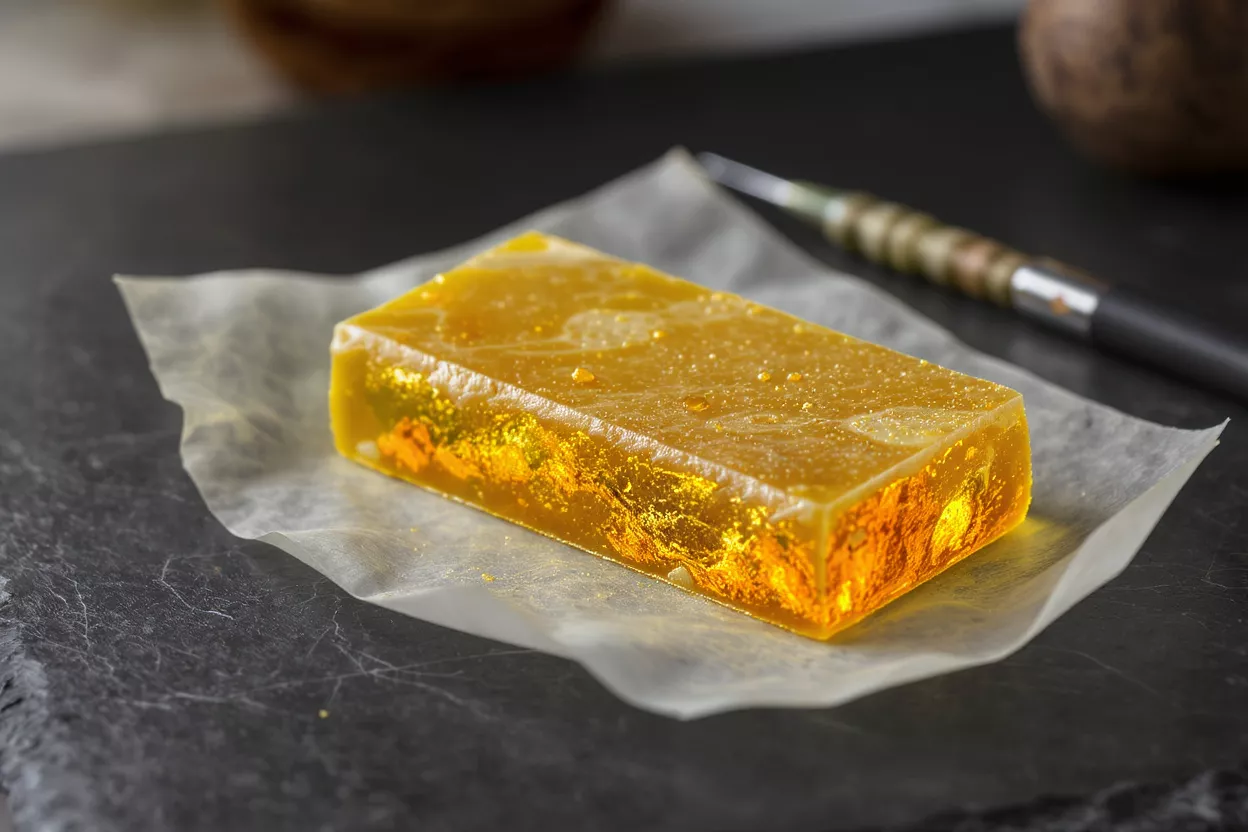
Shatter production through BHO extraction creates translucent, glass-like concentrates through careful temperature and vacuum control during purging. Initial extraction at -20 to -40°C preserves terpenes while preventing wax extraction. Thin-film spreading in vacuum ovens at 85-100°F allows gradual butane evaporation without nucleation. Maintaining stable conditions for 24-72 hours prevents auto-buddering. Flipping schedules ensure even purging throughout. Final products test below 500ppm residual butane, appearing golden to amber with complete transparency. The molecular stability creating shatter's distinctive texture requires preventing any agitation during purging.
Wax and budder creation involves deliberate agitation during purging to incorporate air and create opaque, malleable textures. Whipping partially purged extract introduces nucleation sites for crystallization. Temperature cycling between 90-110°F promotes texture development. Different whipping intensities create variations from creamy budder to drier, crumbly wax. Timing proves critical—too early and solvents get trapped, too late and texture won't develop. These products often retain more terpenes than shatter due to shorter purge times and lower temperatures. Consumer preference for easier handling drives significant demand despite identical potency to shatter.
Live resin innovation uses fresh-frozen rather than cured material, preserving monoterpenes typically lost during drying. Immediate freezing after harvest prevents terpene volatilization and degradation. Extraction at ultra-low temperatures (-40 to -80°C) maintains terpene profiles impossible with traditional methods. Specialized equipment handles the increased water content in fresh material. Shorter purge times at lower temperatures preserve volatile compounds. Results show 2-4x higher terpene content than cured-material extracts. This premium product category commands 50-100% price premiums, reflecting both production complexity and superior flavor profiles.
From one extraction, purge conditions decide the final form:
- 🟠 Shatter — an undisturbed purge for a glassy slab
- 🧈 Wax and budder — whipped at 90–110°F
- 🌿 Live resin — fresh-frozen material at −40 to −80°C
- 💎 Diamonds — controlled THCA crystallization
Quality Factors
Starting material quality fundamentally determines BHO potential regardless of extraction expertise. Trichome density, development stage, and preservation directly impact yields and quality. Fresh material under 30 days from harvest provides optimal terpene content. Proper curing at 60-65% humidity develops flavor while preventing mold. Trim runs yield 5-15% while premium flower achieves 15-25% returns. Material preparation through freezing makes trichomes brittle for easier extraction. Consistent particle size through grinding ensures even extraction. Contaminated or degraded material produces inferior extracts regardless of technique refinement.
Purging parameters critically affect both safety and quality in BHO production. Residual butane must fall below regulatory limits—typically 500-5000ppm depending on jurisdiction. Vacuum depth, temperature, and time interact to determine purge efficiency. Deeper vacuums (-29.5 inHg) allow lower temperature purging, preserving terpenes. Thin-film application maximizes surface area for efficient solvent removal. Over-purging degrades terpenes and cannabinoids, reducing quality. Under-purging leaves dangerous residuals and affects taste. Analytical testing throughout purging ensures safety while maintaining quality. Professional extractors develop product-specific purging protocols optimizing these variables.
Post-processing refinement techniques elevate BHO quality through additional purification steps. Winterization in cold ethanol removes plant waxes and lipids, creating clearer, more stable products. Filtration through various media removes particulates and color. Distillation further purifies cannabinoids but sacrifices terpenes. Reintroduction of cannabis-derived or botanical terpenes customizes flavor profiles. Diamond mining involves controlled crystallization creating THCA crystals in terpene sauce. Color remediation using filtration media lightens extracts but remains controversial. These techniques allow producers to create diverse products from single extraction runs.
Regulatory Framework
Licensing requirements for BHO production vary significantly by jurisdiction but universally emphasize safety and compliance. Application processes typically require detailed facility plans, safety protocols, and financial backing demonstration. Fire marshal approval necessitates comprehensive safety system documentation. Local zoning compliance often restricts locations away from residential areas. State cannabis licenses layer atop local permits. Insurance requirements often exceed $2 million in coverage. Application costs range from $5,000 to $50,000 with annual renewals. Timeline from application to operation typically spans 6-18 months.
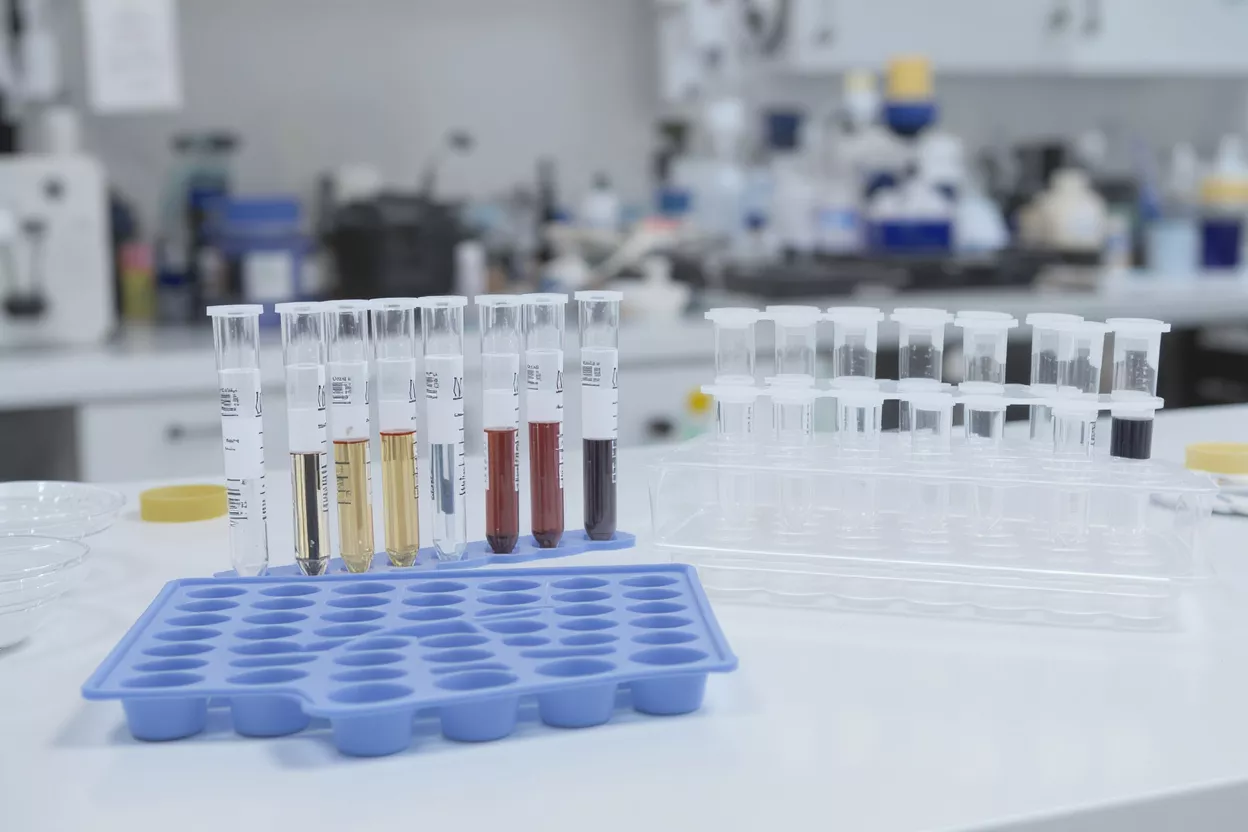
Testing mandates ensure BHO products meet safety standards before reaching consumers. Residual solvent testing confirms butane levels below regulatory limits. Microbiological screening detects potential contamination. Pesticide analysis ensures clean starting materials. Heavy metals testing addresses environmental contamination concerns. Potency verification provides accurate consumer information. Testing costs typically run $300-700 per batch. Failed tests require remediation or destruction, emphasizing prevention importance. Chain of custody documentation tracks samples from production through retail. These requirements protect consumers while legitimizing the industry.
Compliance monitoring involves regular inspections and extensive documentation requirements. Track-and-trace systems monitor every gram from extraction through sale. Standard operating procedures must be documented and followed meticulously. Employee training records demonstrate safety protocol knowledge. Waste disposal documentation ensures environmental compliance. Financial records enable tax verification. Video surveillance provides accountability. Regulatory changes require rapid adaptation. Non-compliance penalties range from fines to license revocation. This regulatory burden significantly impacts operational costs but ensures industry legitimacy.
Market Position
Consumer demand patterns for BHO products reflect evolving preferences and education levels. Shatter dominated early markets due to visual appeal and perceived purity. Live resin growth reflects consumer appreciation for terpene preservation. Sauce products combining THCA crystals with terpenes represent premium segment expansion. Medical patients often prefer consistent, high-potency options. Recreational users increasingly value flavor and experience over pure potency. Price sensitivity varies significantly across market segments. Brand loyalty develops around consistent quality and innovative products. Market education continues shifting demand toward fuller spectrum products.
Pricing dynamics in BHO markets reflect production costs, quality differentiation, and competitive pressures. Wholesale prices range from $8-15/gram for standard products to $25-40/gram for live resin. Retail markups typically double wholesale prices. Vertical integration improves margins by eliminating middlemen. Oversupply in mature markets pressures prices downward. Premium positioning requires consistent quality and brand development. Bulk purchasing provides economy of scale benefits. Seasonal fluctuations follow harvest cycles. Competition from other concentrate types influences pricing strategies.
Competition landscape includes both other extraction methods and evolving consumption preferences. Rosin offers solventless appeal at premium prices. CO2 extraction markets safety and versatility. Distillate dominates vape cartridge markets. Traditional hash appeals to purist consumers. Each method occupies distinct market niches. BHO maintains advantages in terpene preservation and product diversity. Innovation in extraction techniques and product formats drives differentiation. Market consolidation creates larger players with economy of scale advantages. International markets present growth opportunities as regulations develop.
Future Evolution
Technological advancement promises safer, more efficient BHO production through automation and improved equipment design. Automated extraction systems reduce human error and exposure. In-line analytics enable real-time process optimization. Alternative solvents like propane or butane blends offer different selectivity profiles. Continuous flow systems replace batch processing for consistency. Improved recovery systems approach 99.9% solvent recycling. Modular designs enable scalable operations. IoT integration allows remote monitoring and control. These advances reduce operational costs while improving safety and quality.
Sustainability initiatives address environmental concerns associated with hydrocarbon extraction. Solar-powered facilities reduce carbon footprints. Waste heat recovery improves energy efficiency. Biodegradable packaging alternatives reduce plastic waste. Carbon offset programs neutralize emissions. Sustainable sourcing of butane from renewable feedstocks emerges. Water recycling systems minimize usage. LED lighting reduces cultivation energy demands. Life cycle assessments guide improvement efforts. Consumer demand for sustainable products drives industry adoption of green practices.
The future of BHO likely involves continued technical refinement while addressing safety and environmental concerns. Regulatory harmonization may standardize safety requirements across jurisdictions. Pharmaceutical applications could leverage BHO's precision for medicine development. International markets adopting cannabis legalization will benefit from established safety protocols. Consumer education will continue shifting preferences toward quality over potency. Biotechnology might produce cannabinoids without extraction needs. Despite evolving alternatives, BHO's combination of efficiency, quality, and versatility ensures its continued relevance in premium cannabis markets, representing how dangerous processes can be safely harnessed through proper technology and regulation to create products that enhance consumer experiences.




Comments