


Is CBD Legal for Pets? Understanding the Law and Regulations 2026
Is CBD for pets legal in Canada?
The question of whether CBD for pets is legal sits at the intersection of evolving cannabis law, veterinary medicine, and the genuine desire of pet parents to help their animals feel better. As more Canadians reach for cannabidiol to soothe an anxious dog or an aging cat, the regulatory picture remains more complicated than most product labels would suggest. This guide untangles the law, the science, and the practical realities so you can make an informed decision rather than guessing your way through a crowded marketplace.
CBD has surged in popularity for animals just as it has for humans, but pets cannot tell us how they feel, and they metabolize compounds differently than we do. That makes accurate information essential. Below, we walk through what CBD actually is, where the legal lines fall in Canada, what research genuinely supports, and how to choose products that are safe and effective for the animals who depend on you.
What Is CBD for Pets and How Does It Work
The endocannabinoid system explained: Cannabidiol, or CBD, is one of more than a hundred compounds found in the cannabis plant. Unlike THC, CBD is non-intoxicating, meaning it does not produce the "high" associated with marijuana. What makes it relevant for animals is that dogs, cats, horses, and virtually all mammals possess an endocannabinoid system—a network of receptors that helps regulate mood, pain perception, sleep, appetite, and immune response. CBD interacts with this system, which is why the same compound shows promise across so many species.
How pets process CBD differently: Animals are not small humans. Dogs, for example, have a far greater density of cannabinoid receptors in certain regions of the brain, which is precisely why THC is dangerous for them even when CBD is well tolerated. The liver enzymes that break down cannabidiol also differ between species, affecting how long the compound stays active. This is the core reason a pet tincture 300mg formulated for a small dog is not interchangeable with a human product, and why dosing guidance must be species-specific.
Most pet CBD is derived from hemp rather than high-THC cannabis, keeping intoxicating compounds at or below trace levels. The compound is typically suspended in a carrier oil such as MCT or hemp seed oil, which improves absorption. Some owners explore companion ingredients like Theanine for calming support, though CBD remains the active star of these formulations.
Is CBD for Pets Legal in Canada Right Now
The Cannabis Act and veterinary products: Here is where many pet parents are surprised. Under Canada's Cannabis Act, CBD is regulated as a controlled substance regardless of whether it comes from hemp or marijuana. As of now, there are no CBD health products federally approved for animals, and Health Canada has not authorized any veterinary cannabis products for sale. This means the legal framework that governs human cannabis purchases also applies to anything you give your pet.
In practical terms, CBD for pets in Canada must be purchased through legal cannabis retailers—the same licensed channels used for adult-use products. Veterinarians occupy a delicate position: they can discuss cannabis with clients, but they are not currently authorized to prescribe or dispense CBD the way they would conventional medications. Research published through journals indexed by Frontiers continues to examine veterinary cannabinoid applications, but regulation has not yet caught up with the science.
What this means for buyers: Products marketed specifically as "pet CBD" exist in a gray area when sold outside licensed cannabis channels. The safest, most legally sound approach is to source cannabidiol from a federally licensed retailer and consult your veterinarian about appropriate use. Avoid unregulated products sold in pet stores or gas stations, where purity and potency claims go unverified.

CBD for Pets Benefits Backed by Research
Pain and mobility support: The most robust evidence for CBD in animals concerns osteoarthritis and joint discomfort. Controlled studies in dogs have shown measurable improvements in mobility and reductions in pain-related behavior. For aging pets struggling to climb stairs or rise from a nap, this is often the most compelling reason owners explore cannabidiol. Many pet parents pair daily CBD with a joint support supplement for senior dogs to address mobility from multiple angles.
Anxiety and behavioral calm: Separation anxiety, thunderstorm phobia, and travel stress are among the most common reasons owners turn to CBD. While research here is less conclusive than for pain, many animals show reduced restlessness and pacing. The calming potential overlaps with how compounds like Theanine work, supporting a relaxed state without sedation. Results vary considerably between individual animals, so patience and observation matter.
Other reported applications include seizure reduction, appetite stimulation, and skin condition support, though the quality of evidence varies widely across these uses. CBD for pets benefits are real but should not be oversold—it is a wellness tool, not a cure-all, and serious conditions always warrant veterinary diagnosis first.
Types of CBD Pet Products and How They Differ
The format you choose shapes how quickly CBD takes effect, how easy it is to dose, and how willingly your pet accepts it. Each delivery method has distinct strengths, and the right choice often depends on your animal's temperament and the symptom you are addressing.
- 🐾 Tinctures and oils: The gold standard for precise dosing. A pet cbd tincture lets you adjust drops to body weight and works quickly when applied directly to the gums.
- 🦴 Treats and chews: Easiest for fussy animals, though absorption is slower and dosing less exact than oils. Ideal for routine daily wellness.
- 🐕 Capsules: Tasteless and consistent, good for owners who tuck pills into food or for animals who reject flavored oils.
- 🐈 Topicals: Applied to skin for localized issues, though fur and grooming limit practicality for many pets.
Tinctures versus treats: For most owners, a quality oil offers the best balance of control and speed, while a flavored CBD chew for anxious cats wins on convenience and palatability. Many households use both—an oil for acute moments like a vet visit, and treats for steady daily support.
Full-spectrum, broad-spectrum, and isolate formulations also differ meaningfully. Full-spectrum retains trace cannabinoids and terpenes for a fuller effect, while isolates contain pure CBD only. For pets, broad-spectrum often hits the sweet spot, preserving beneficial compounds while removing detectable THC.

CBD for Pets Dosage: How Much Is Safe
Starting low and going slow: The cardinal rule of CBD dosing for animals is to begin with the lowest reasonable dose and increase gradually. A common starting point is roughly 1 to 2 milligrams of CBD per kilogram of body weight, given once or twice daily. Because every animal responds differently, the goal is to find the minimum effective dose rather than the maximum tolerated one.
Body weight is the primary variable, which is why a pet cbd tincture 300mg is sized for smaller animals while larger dogs may need a more concentrated formula. Tracking your pet's response in a simple journal—noting mobility, mood, and appetite—helps you dial in the right amount over a week or two rather than chasing immediate results.
When to consult a veterinarian: Always involve your vet before starting CBD, especially if your pet takes other medications. Cannabidiol can interact with the same liver enzymes that metabolize many common drugs, potentially altering their effectiveness. This is not a reason for alarm, but it is a reason for professional oversight rather than guesswork.
Why Organic CBD Oil for Pets Matters
Contaminants and the hemp problem: Hemp is a bioaccumulator, meaning it absorbs heavy metals, pesticides, and other contaminants from the soil it grows in. For an animal receiving daily doses, the purity of the source plant matters enormously. Organic cbd oil for pets, ideally sun-grown in clean soil, dramatically reduces the risk of exposing your companion to residual toxins that build up over time.
The case for third-party testing: A certificate of analysis from an independent lab is the single most important document in this category. It confirms CBD potency, verifies THC stays within safe limits, and screens for contaminants. Reputable brands publish these results openly. If a company cannot show you a current certificate, treat that as a reason to walk away. Choosing a lab-tested organic CBD oil protects your pet from the unverified claims that plague the unregulated market.
Carrier oil quality also influences the final product. Cold-pressed hemp seed oil and high-grade MCT both deliver cannabidiol effectively, and the presence of natural antioxidants like Tocopherol can help preserve freshness without synthetic preservatives.
Choosing CBD Pet Treats in Canada
Reading the label correctly: When evaluating cbd pet treats in Canada, the most useful number is the milligrams of CBD per individual treat—not per bag. This lets you calculate an accurate dose by body weight. Vague packaging that lists total CBD without per-piece breakdowns makes consistent dosing nearly impossible and is a red flag for product quality.
Ingredient quality separates wellness treats from glorified junk food. Look for recognizable whole-food ingredients, limited fillers, and the absence of artificial colors or excessive sugar. Some formulations add functional ingredients like Lion's Mane for cognitive support in senior animals, layering benefits beyond cannabidiol alone.
Palatability versus potency: The best treat is the one your pet will actually eat, but flavor should never come at the expense of clean formulation. Test a small quantity first to confirm your animal accepts the taste before committing to a larger purchase, and store treats properly to preserve both freshness and CBD content.
Are CBD Products Safe for Pets
Understanding the safety profile: CBD is generally well tolerated in animals, with most studies reporting mild and infrequent side effects. The most common are drowsiness, mild gastrointestinal upset, and occasional changes in appetite. Serious adverse events are rare when products are properly dosed and free of THC, which is genuinely toxic to dogs and cats even in small amounts.
The bigger safety concern is not CBD itself but product quality. Mislabeled potency, THC contamination, and undisclosed additives cause far more problems than cannabidiol ever does. This is why the legal, lab-tested supply chain matters so much—it is the difference between a controlled wellness tool and a roll of the dice.
Signs to watch for: Monitor your pet closely when starting any new supplement. Excessive lethargy, vomiting, or unusual behavior warrants stopping the product and contacting your veterinarian. Most animals adjust without incident, but attentive observation during the first weeks is the responsible approach to any new addition to your pet's routine.
How to Buy CBD for Pets Responsibly
Navigating the marketplace becomes far simpler once you know what genuinely matters. The checklist below distills the essentials into a quick reference you can use before any purchase, cutting through the marketing noise that surrounds this category.
- ✅ Source from licensed retailers: Buy through legal cannabis channels for verified potency and legal compliance.
- 🔬 Demand a certificate of analysis: No current third-party lab report means no purchase.
- 🌱 Prioritize organic, clean-grown hemp: Reduces contaminant exposure for daily-use products.
- ⚖️ Match potency to body weight: Choose a concentration appropriate to your animal's size.
- 🩺 Consult your veterinarian: Especially if your pet takes other medications.
Avoiding marketing traps: Be skeptical of products making dramatic curative claims, those priced suspiciously low, and packaging that emphasizes branding over transparency. Genuine quality shows up in documentation and sourcing, not in flashy labels or inflated promises. The best brands make their testing easy to find and explain their sourcing honestly.
Reading independent reviews and seeking out cbd for pets reviews from other owners can provide useful real-world context, though individual results always vary. Treat reviews as one input among several rather than the deciding factor, and weight veterinary guidance above anecdote.
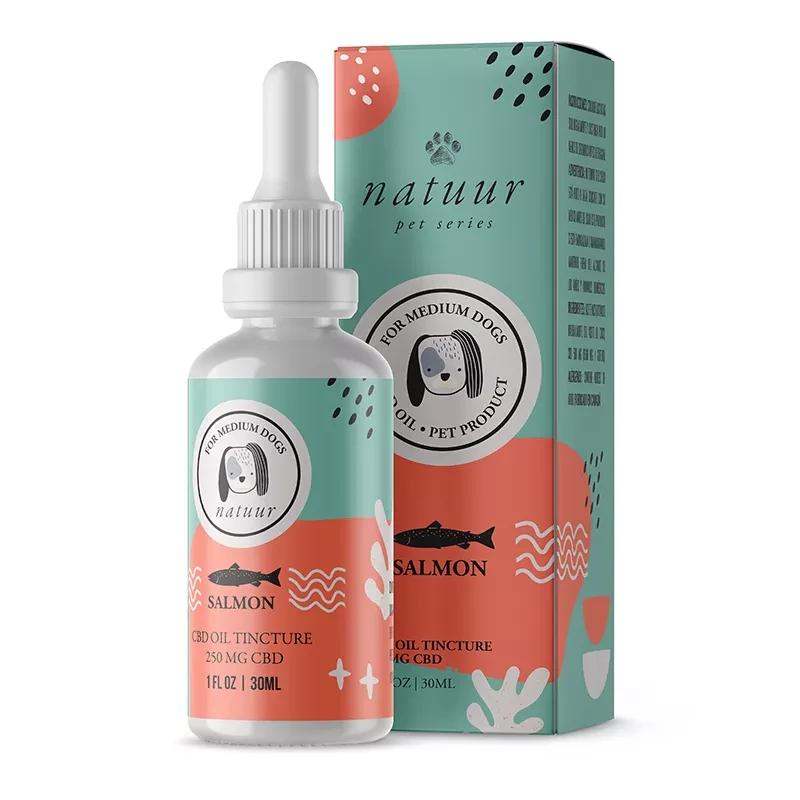

Salmon CBD Tincture for Medium Dogs 250mg – Natuur
Just-right support, in a flavour they'll come running for. Natuur's 250mg salmon oil tincture is calibrated for medium breeds, blending gentle CBD with omega-rich salmon to ease everyday worries and keep joints moving easily. A few drops on dinner make wellness feel like a treat — balanced relief, sized exactly for your dog.
- Balanced Relief : Perfect strength for medium breeds
- Anxiety Control : Calms common triggers
- Joint Support : Maintains healthy mobility
- Digestive Aid : Can improve appetite
- Recovery Helper : Speeds healing process
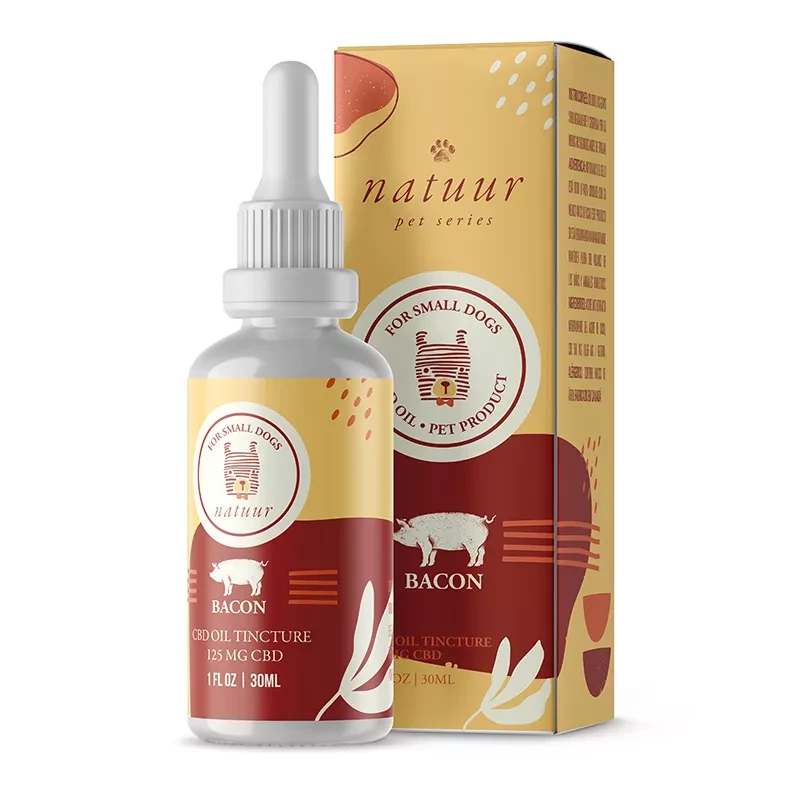
Bacon CBD Tincture for Large Dogs 750mg – Natuur
Big-dog comfort in an irresistible bacon flavour. Natuur's 750mg tincture is sized for gentle giants over 50 pounds, offering steady support for aging hips, restless nerves, and the aches of a long, active life. Drizzle it over dinner and watch the bowl disappear — calm, mobility, and mealtime joy in one easy daily ritual.
- Joint Support : Helps with hip dysplasia and arthritis
- Anxiety Management : Calms storm and separation anxiety
- Anti-Inflammatory : Reduces swelling in joints
- Pain Relief : Manages chronic discomfort
- Improved Mobility : Helps aging dogs stay active

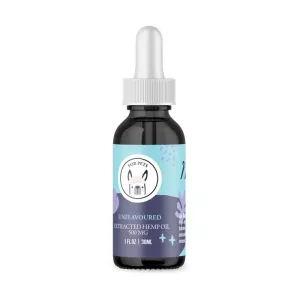
Unflavoured CBD Pet Tincture 500mg – Natuur
Pure support, no flavour fuss. Natuur's unflavoured 500mg pet tincture gives you full control — mix it into any food or treat, dose it up or down, and skip the added flavours sensitive pets react to. Versatile and clean, it's the flexible choice for picky eaters and households that want their CBD straightforward.
- Maximum Flexibility : Mix with any food or treat
- Allergy Safe : No flavor ingredients to react to
- Pure CBD Benefits : Unmasked therapeutic effects
- Custom Dosing : Easy to adjust for any pet
- Sensitive Pet Friendly : Perfect for picky eaters
CBD for Pets: Final Thoughts for Pet Parents
The legal landscape for CBD for pets in Canada remains a work in progress. While no veterinary cannabis products are federally approved and cannabidiol is regulated under the same Cannabis Act that governs human use, sourcing responsibly from licensed channels keeps you on solid legal footing. The science, meanwhile, offers genuine promise—particularly for pain and mobility—while reminding us that CBD is a wellness aid rather than a miracle.
The throughline of responsible pet CBD use is simple: prioritize quality, demand transparency, start with a low dose, and involve your veterinarian at every step. When you choose lab-tested, organic products sized appropriately for your animal and observe their response carefully, you give your companion the best chance of benefiting safely. Your pets depend entirely on the choices you make for them, and an informed, measured approach honors that trust.





Comments