

Topical 2026
Discover how a cannabis topical delivers localized relief without a high.
What Is a Cannabis Topical?
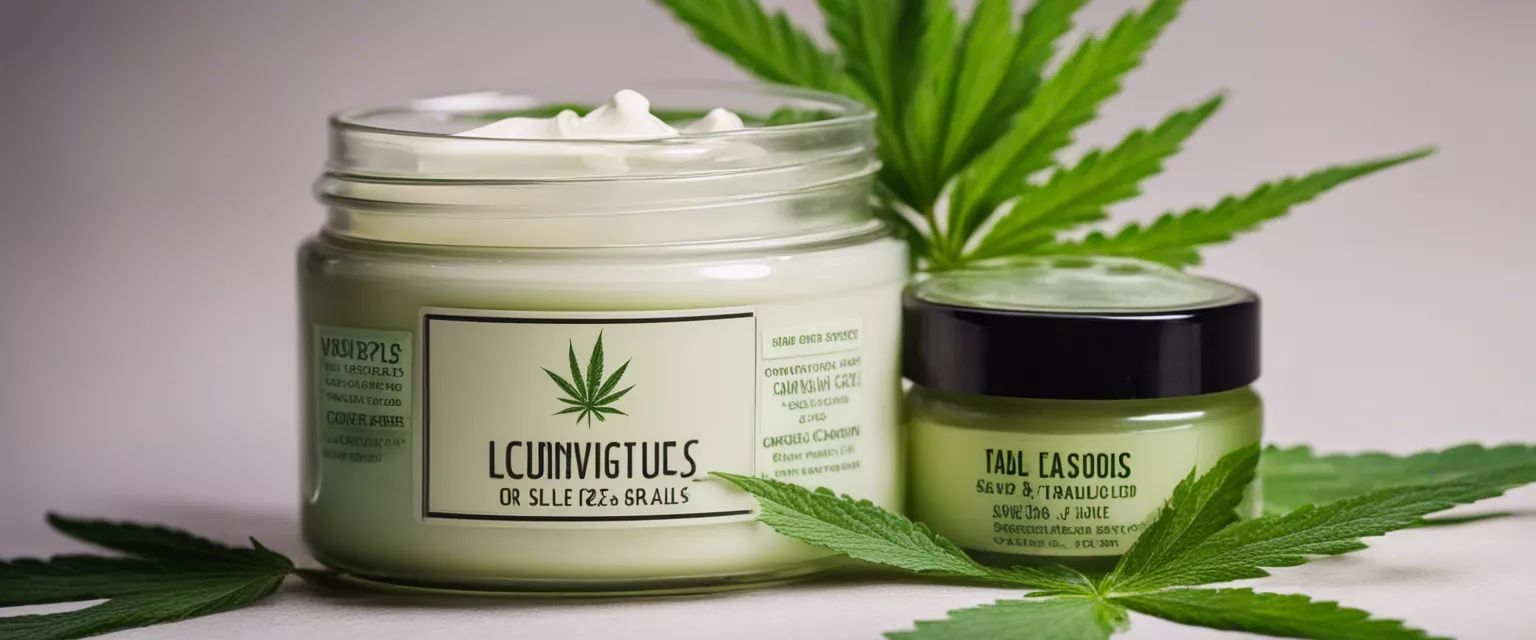
A topical is any cannabis-infused product designed to be applied directly to the skin rather than swallowed or inhaled. This broad category includes lotions, balms, salves, creams, oils, transdermal patches, and bath products, all formulated to deliver cannabinoids like CBD and THC to a localized area. Unlike edibles or vapes, a topical is engineered for targeted, surface-level interaction with the body.
The appeal of the modern topical lies in its precision. Rather than circulating cannabinoids throughout the entire system, these products concentrate active compounds exactly where they are applied, whether that is a sore shoulder, an arthritic knuckle, or a patch of irritated skin. This makes the format especially popular among people who want the therapeutic potential of cannabis without altering their mental state.
Where topicals fit in the cannabis market: As legalization has matured, the topical segment has grown from a niche curiosity into one of the fastest-expanding wellness categories. Consumers who are cautious about smoking or hesitant about the intensity of edibles often find that a skin-applied product offers a low-barrier entry point into cannabinoid therapy. By 2025, topicals sit comfortably alongside mainstream skincare and recovery products on dispensary shelves.
How Cannabis Topicals Work on the Skin
To understand how a topical functions, it helps to know that your skin is home to its own network of cannabinoid receptors. The body's endocannabinoid system extends into the epidermis, where CB1 and CB2 receptors sit in skin cells, immune cells, nerve fibers, and hair follicles. When you rub a cannabinoid-rich cream into your skin, those compounds bind to nearby receptors and influence local processes like inflammation and pain signaling.
Why most topicals stay local: A standard balm or lotion penetrates the upper layers of the skin but generally does not reach the bloodstream in meaningful amounts. The cannabinoids interact with receptors in the tissue beneath the application site and remain concentrated there. This is precisely why a topical can ease a localized ache without producing the systemic effects associated with ingesting cannabis.
Transdermal products are the notable exception. Engineered with permeation enhancers that carry cannabinoids through all skin layers and into circulation, transdermal patches and gels can produce broader, systemic effects. Recognizing this distinction is essential, because a transdermal THC patch behaves very differently from a simple THC body butter applied to the same spot.
Types of Cannabis Topicals Explained
The word topical covers an impressively diverse range of products, each suited to different needs and preferences. Texture, carrier ingredients, and cannabinoid concentration all vary widely, so understanding the main formats helps you match a product to your goal.
Here is a quick breakdown of the most common topical formats you will encounter:
- 🧴 Lotions and creams: Water-based and fast-absorbing, ideal for covering larger areas like the back, legs, or shoulders with everyday moisturizing benefits.
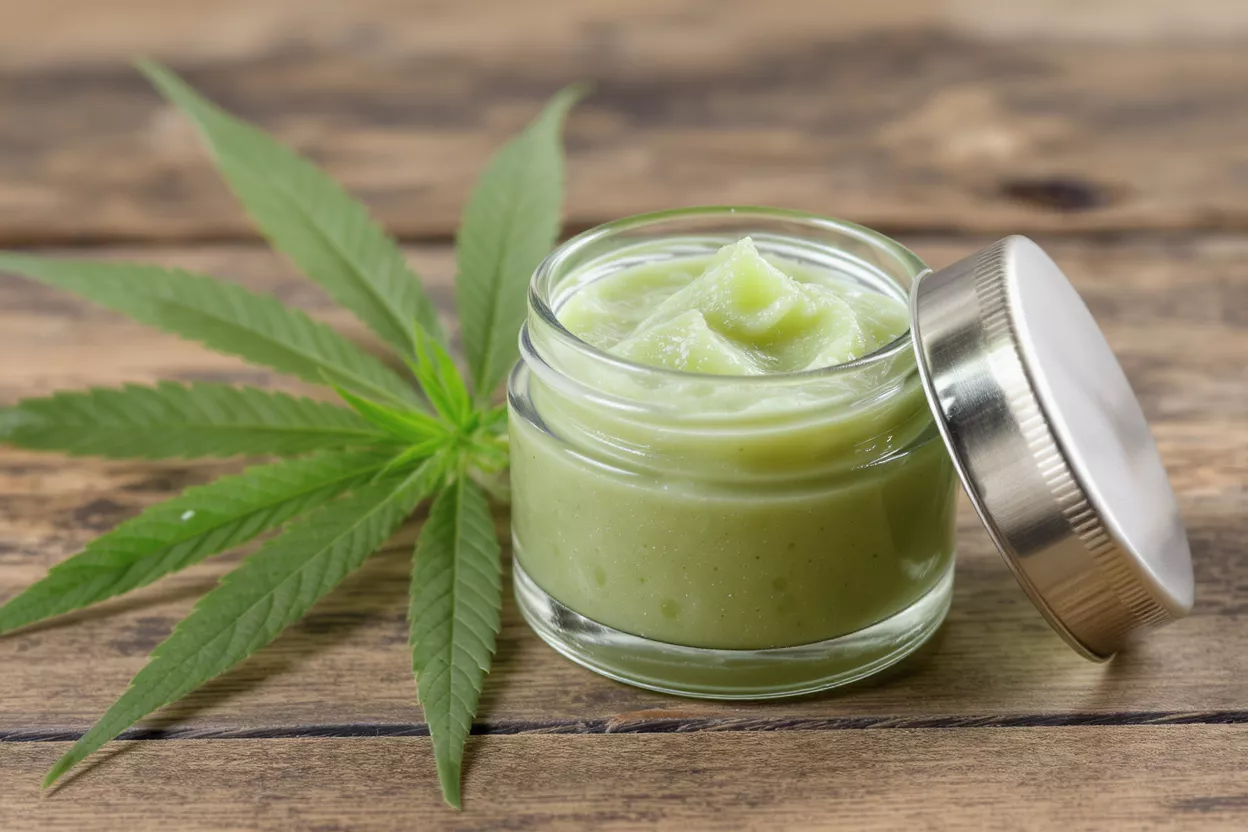
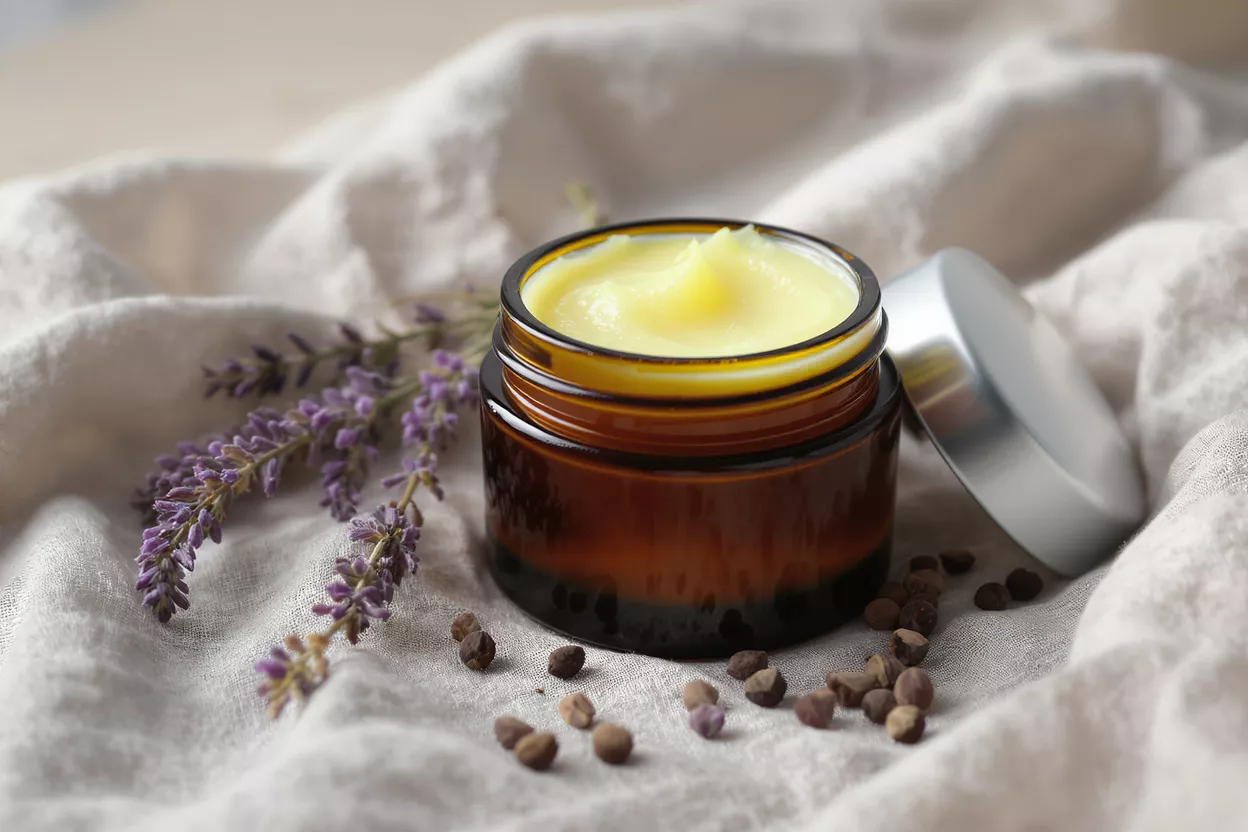
- 🪻 Balms and salves: Wax and oil bases that sit on the skin longer, making them well-suited for concentrated relief on a specific joint or muscle.
- 💧 Oils and serums: Lightweight, often paired with botanical extracts for skincare-focused routines and facial application.
- 🩹 Transdermal patches: Adhesive delivery systems that release cannabinoids steadily over hours for systemic, time-released effects.
- 🛁 Bath soaks and bombs: Infused products that disperse cannabinoids across the whole body during a warm soak.
Beyond these staples, the market continues to innovate with roll-on sticks, massage oils, and intimacy products. Each variation tweaks the base formula to suit a particular ritual, but they all share the same fundamental principle of skin-level cannabinoid delivery.
Do Topicals Get You High?
The short answer is no, for most products. A conventional topical infused with THC will not produce intoxication because the cannabinoids do not enter your bloodstream in quantities sufficient to reach the brain. You can apply a generous amount of THC balm to a painful knee and feel localized relief without any of the cerebral effects associated with smoking or eating cannabis.
This non-intoxicating quality is one of the topical's greatest strengths. It allows people who need to remain clear-headed, such as working professionals, parents, or older adults new to cannabis, to explore the plant's benefits without compromising their day. The experience is functional rather than recreational.
The one caveat, again, is transdermal products. Because patches and transdermal gels are specifically designed to push cannabinoids into circulation, a high-dose THC transdermal can produce noticeable psychoactive effects. Always read labels carefully so you know whether you are buying a surface-level topical or a systemic transdermal.
Cannabis Topical Benefits Backed by Research
The therapeutic interest in cannabis topicals is grounded in a growing body of research on how cannabinoids interact with skin and underlying tissue. While the science is still maturing, several benefits have meaningful support from both clinical observation and preliminary studies.
The most frequently cited advantages of a quality topical include:
- 🔥 Localized pain relief: Studies suggest cannabinoids applied to the skin can reduce pain signaling in conditions like arthritis and nerve-related discomfort.
- 🌿 Anti-inflammatory action: Both CBD and THC show anti-inflammatory properties that may calm swollen joints and irritated tissue.
- ✨ Skin health support: Cannabinoids and the oils that carry them can hydrate, soothe redness, and assist with conditions like eczema and acne.
- 😌 Muscle recovery: Athletes increasingly use infused balms after workouts to address soreness and tightness in worked muscles.
The role of the entourage effect: Many full-spectrum topicals retain a range of cannabinoids, terpenes, and other plant compounds. Researchers believe these ingredients work synergistically, with terpenes like beta-caryophyllene contributing their own anti-inflammatory activity. This is why a well-formulated whole-plant topical may outperform a product built around isolated cannabinoids alone.
Best Cannabis Topical for Pain and Inflammation
When pain relief is the primary goal, not every topical performs equally. The best choice depends on the location, depth, and nature of the discomfort you are trying to address. A surface skin irritation calls for a different product than a deep, aching joint.
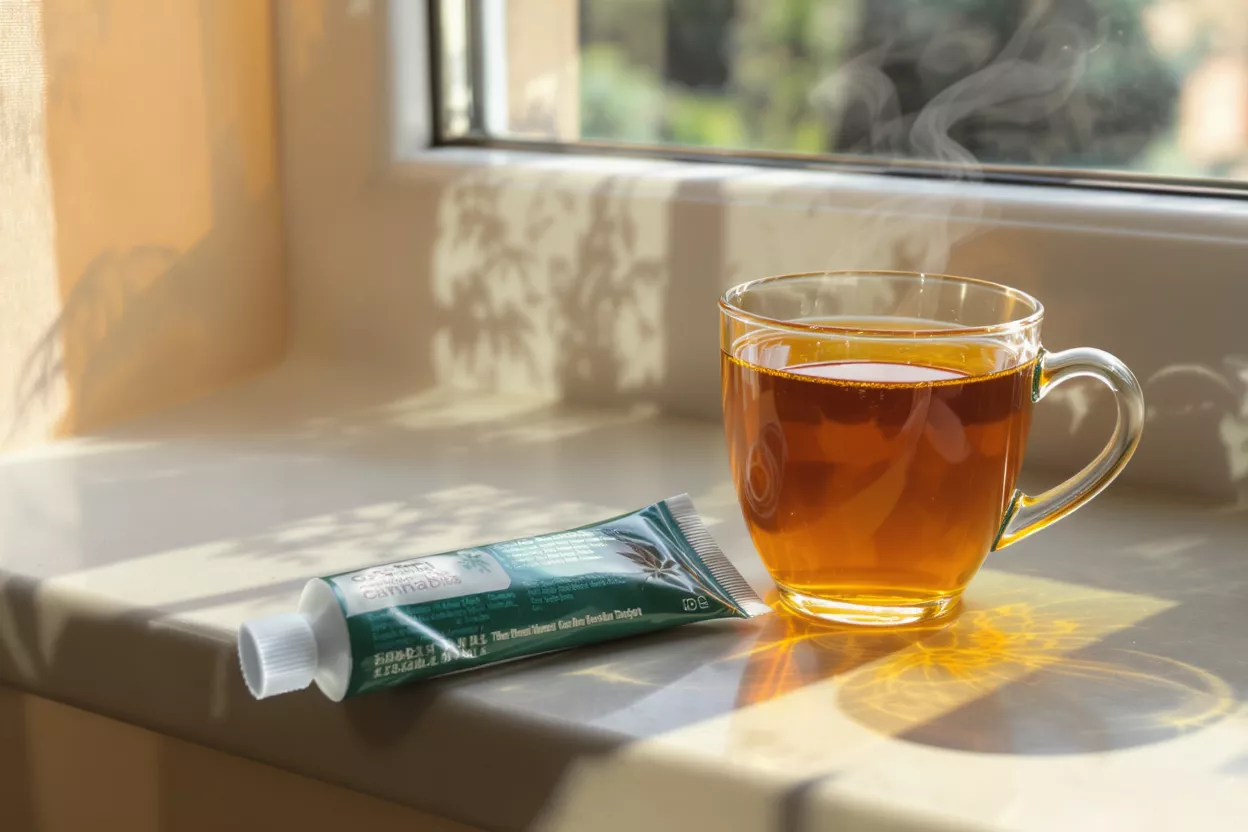
For joint and muscle pain, concentrated balms and salves tend to deliver the strongest results. Their thick, oil-based formulas keep cannabinoids in contact with the skin longer, allowing for sustained absorption into the tissue beneath. Many pain-focused balms also include supporting ingredients like menthol, camphor, or arnica that provide an immediate cooling or warming sensation alongside the cannabinoid action.
For widespread or chronic pain, a transdermal patch may be the better tool. Because it delivers a steady systemic dose over many hours, a patch can be useful for conditions that affect multiple areas or that flare throughout the day. Look for a balanced CBD-to-THC ratio if you want relief without significant intoxication, and start with a lower-dose option to gauge your response.
CBD vs THC Topicals: What's the Difference?
One of the most common questions buyers face is whether to choose a CBD topical, a THC topical, or a blend of both. Each cannabinoid brings distinct properties to a formula, and the right choice depends on your goals and your local regulations.
CBD-dominant topicals are widely available, non-intoxicating even in transdermal form, and prized for their anti-inflammatory and skin-soothing qualities. Because hemp-derived CBD is legal in many regions, these products are the easiest to find and a sensible starting point for newcomers.
THC-dominant topicals may offer stronger pain and inflammation relief for some users, as THC interacts directly with CB1 receptors in the skin. Many people find that the combination of both cannabinoids works best, which is why balanced 1:1 formulas have become so popular.
- 🌱 Choose CBD if: you want broad legal access, gentle skin support, and zero intoxication risk even with transdermals.
- 🔆 Choose THC if: you have dispensary access and want maximum localized relief for stubborn aches.
- ⚖️ Choose a 1:1 blend if: you want to harness the entourage effect and balanced benefits.
How to Use a Cannabis Topical Effectively
Getting the most from a topical comes down to technique as much as product quality. Because absorption happens at the skin level, how you apply the product directly influences how well it works.
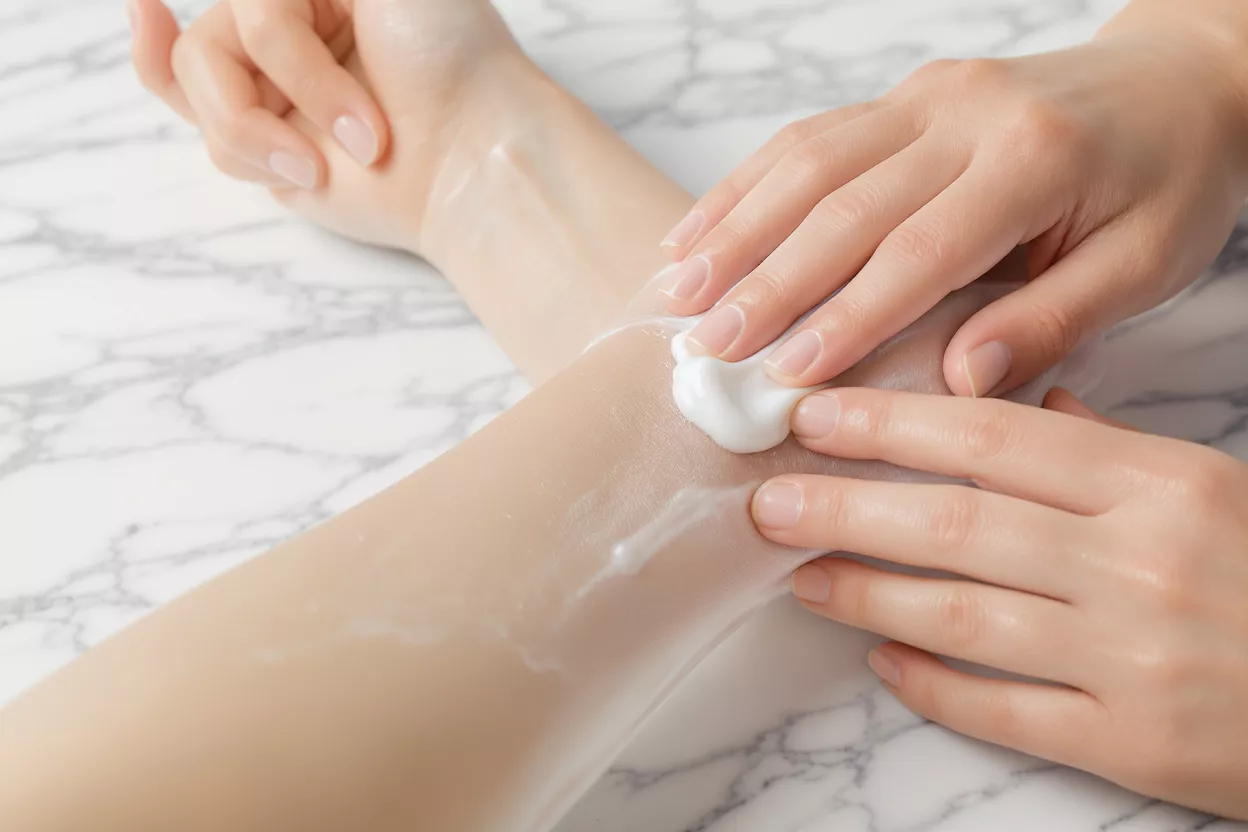
Start with clean, dry skin. Washing the application area removes oils and debris that can block absorption, allowing the cannabinoids to penetrate more effectively. Apply a generous amount and massage it in thoroughly for thirty seconds to a minute, since the friction and warmth help drive the active compounds into the tissue.
Be patient and observe how your body responds. Topical effects typically begin within fifteen to forty-five minutes and can last several hours, though this varies by formula and concentration. If you do not feel adequate relief, reapply after an hour rather than over-applying all at once, and consider stepping up to a higher-potency product if a generous dose consistently falls short.
Are Cannabis Topicals Safe?
For the vast majority of users, topicals rank among the safest ways to use cannabis. Because most formulas stay local and do not enter the bloodstream meaningfully, they carry virtually no risk of the impairment, dependency concerns, or respiratory issues associated with other consumption methods.
Watch for skin sensitivity: The main consideration is the possibility of an allergic reaction to a botanical ingredient, carrier oil, or fragrance rather than to the cannabinoids themselves. It is wise to perform a small patch test on your inner forearm before applying a new topical to a larger area, and to discontinue use if irritation appears.
Drug testing is another practical concern. While a surface topical is very unlikely to trigger a positive result, transdermal products that deliver THC into the bloodstream can. If you are subject to workplace testing, stick to clearly labeled surface topicals or CBD-isolate options, and consult the product's lab results to confirm its cannabinoid profile.
Choosing the Right Topical for 2025
With the topical category more crowded than ever, knowing how to evaluate a product helps you spend wisely and get real results. The most important markers of quality are transparency, potency clarity, and clean ingredients.
Always check for lab testing. A reputable topical comes with a certificate of analysis that verifies its cannabinoid content and confirms it is free of pesticides, heavy metals, and microbial contaminants. Products that state a clear milligram count of CBD and THC let you dose with confidence, whereas vague labeling is a red flag worth avoiding.
Beyond the cannabinoids, scrutinize the supporting ingredient list. The best topicals pair their active compounds with nourishing carriers like shea butter, coconut oil, and beneficial terpenes, while keeping synthetic fragrances and harsh additives to a minimum. Matching the format to your need, a fast lotion for broad coverage or a dense balm for a single joint, ensures the product fits seamlessly into your routine.
Ultimately, the cannabis topical has earned its place as a versatile, approachable, and genuinely useful wellness tool. Whether you are seeking targeted pain relief, healthier skin, or faster muscle recovery, there is a formula suited to your needs. By understanding how these products work, choosing well-tested formulas, and applying them correctly, you can confidently make a topical a valuable part of your self-care toolkit in 2025 and beyond.





Comments