


Valerian
Understanding Valerian Pharmacology Synergistic Mechanisms Formulation Strategies Clinical Applications Safety Considerations Market Applications Future.
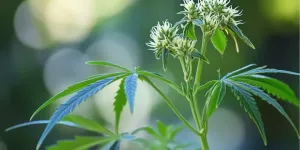
Valerian in Cannabis Products
Valerian root (Valeriana officinalis) represents a time-tested botanical sedative increasingly incorporated into cannabis formulations targeting sleep, anxiety, and relaxation. This traditional herb, used medicinally for over 2,000 years, contains a complex mixture of compounds including valerenic acid, isovaleric acid, and various iridoids that interact with GABA, serotonin, and adenosine systems in complementary ways to cannabinoids. The integration of valerian into cannabis products exemplifies the growing trend toward multi-botanical formulations that leverage synergistic interactions between traditional herbs and cannabinoids to achieve enhanced therapeutic outcomes.
The pharmacological rationale for combining valerian with cannabis rests on their complementary mechanisms affecting sleep and anxiety through different but overlapping pathways. While cannabinoids primarily work through CB1 and CB2 receptors with secondary effects on other systems, valerian's GABAergic activity provides direct sedation and anxiolysis. This orthogonal approach potentially allows lower doses of each component while achieving superior effects, particularly important for managing tolerance and side effects. Research into valerian-cannabis combinations remains limited but promising, with anecdotal reports suggesting enhanced sleep quality and reduced morning grogginess compared to either herb alone.
Commercial adoption of valerian-enhanced cannabis products reflects consumer demand for natural sleep aids that avoid the risks associated with pharmaceutical sedatives or high-dose THC products. The familiar reputation of valerian as a gentle sleep herb reduces barriers for cannabis-hesitant consumers while appealing to those seeking holistic approaches. Product formats range from tinctures combining valerian extracts with cannabinoids to edibles incorporating both herbs for nighttime use. As the cannabis industry matures beyond single-ingredient thinking, valerian serves as an exemplar of how traditional herbal medicine can enhance and refine cannabis therapeutics.
Understanding Valerian Pharmacology
Synergistic Mechanisms
GABAergic enhancement represents valerian's primary mechanism synergizing with cannabis' anxiolytic and sedative effects. Valerenic acid acts as a GABA-A receptor modulator, enhancing chloride channel opening similarly to benzodiazepines but with lower affinity and reduced dependence risk. This activity complements CBD's positive allosteric modulation of GABA receptors, potentially creating additive or synergistic anxiolysis. The combination may allow reduced doses of THC for sleep while maintaining efficacy. Valerian's additional GABA transaminase inhibition increases synaptic GABA availability, broadening GABAergic effects beyond direct receptor activation.
Adenosine system interactions provide another synergy pathway between valerian and cannabinoids for sleep promotion. Valerian extracts show adenosine A1 receptor agonist activity, promoting sleep pressure accumulation. Cannabis affects adenosine signaling indirectly through endocannabinoid system crosstalk. The combination may enhance sleep initiation through multiple adenosine-related mechanisms. This interaction particularly benefits those with racing thoughts preventing sleep onset. Timing considerations become important as adenosine effects peak differently than cannabinoid sedation.
Serotonergic modulation by valerian compounds adds mood-stabilizing effects complementing cannabis anxiolysis. Some valerian constituents act as partial 5-HT5A receptor agonists, contributing to sleep regulation and anxiety reduction. This mechanism differs from cannabis' indirect serotonergic effects, providing additional pathway coverage. The combination may benefit anxiety-related insomnia where mood dysregulation contributes to sleep disturbance. Careful formulation prevents excessive serotonergic activity when combined with other supplements or medications.
Formulation Strategies
Extract standardization challenges arise from valerian's complex chemistry and variable growing conditions affecting active constituent levels. Valerenic acid content, the primary marker compound, ranges from 0.1-0.9% in root extracts. Standardization to 0.4-0.8% valerenic acid ensures consistent effects. However, other active compounds including acetoxyvalerenic acid and valerenal contribute to effects. Full-spectrum extracts may provide superior benefits compared to isolated compounds. Analytical methods must quantify multiple markers ensuring batch consistency. This complexity parallels cannabis standardization challenges.
Combination ratios between valerian and cannabinoids require optimization for different therapeutic targets. Sleep formulations typically use 100-300mg valerian extract with 2.5-10mg THC and/or 25-50mg CBD. Anxiety applications may favor lower valerian doses (50-100mg) with CBD-dominant cannabinoid profiles. The biphasic effects of both herbs necessitate careful dosing—low doses may increase alertness while higher doses sedate. Individual variation in metabolism affects optimal ratios. Titration protocols help users find personal sweet spots.
Delivery system compatibility between hydrophilic valerian compounds and lipophilic cannabinoids presents formulation challenges. Alcohol-based tinctures dissolve both effectively but may not appeal to all users. Nanoemulsion technology enables water-compatible formulations incorporating both components. Solid dosage forms like capsules allow combination without solubility concerns. Gummies require careful pH control as valerian acids can affect cannabinoid stability. Two-phase delivery systems releasing valerian immediately and cannabinoids slowly optimize sleep architecture effects.
Clinical Applications
Sleep disorder management using valerian-cannabis combinations addresses multiple aspects of disrupted sleep patterns. Valerian's sleep latency reduction complements cannabis' sleep maintenance effects, providing comprehensive coverage. The combination may normalize sleep architecture better than either alone—valerian preserves REM sleep often suppressed by THC. Patients report more refreshing sleep with less morning sedation. The anxiolytic effects of both herbs address racing thoughts preventing sleep onset. Chronic insomnia often responds better to combinations than single agents through multiple mechanism targeting.
Anxiety reduction applications leverage the complementary anxiolytic mechanisms for daytime or nighttime use. Low-dose combinations provide calm without excessive sedation suitable for daytime anxiety management. The rapid onset of sublingual preparations combines valerian's quick GABAergic effects with cannabinoid modulation. Social anxiety may particularly benefit from the confidence-enhancing effects without paranoia risk from high THC doses. The combination allows functional anxiety management maintaining cognitive clarity. Panic disorder prophylaxis shows promise with regular low-dose administration.
Pain-related sleep disturbance represents an ideal application for valerian-cannabis synergy. Cannabis provides analgesic effects while valerian ensures restorative sleep despite pain. The muscle-relaxant properties of both herbs address tension contributing to pain. Anti-inflammatory effects may provide additional benefit for inflammatory pain conditions. The combination breaks pain-insomnia cycles where each condition exacerbates the other. Patients report needing lower cannabis doses for pain when sleep improves, suggesting bidirectional benefits.
Safety Considerations
Drug interaction potential increases when combining valerian with cannabis due to overlapping metabolic pathways and pharmacodynamic effects. Both herbs undergo cytochrome P450 metabolism, potentially affecting blood levels when combined. Additive sedation with other CNS depressants requires careful monitoring. The combination may potentiate effects of benzodiazepines, requiring dose adjustments. Serotonergic medications combined with valerian-cannabis products could theoretically cause serotonin syndrome. Medical supervision benefits patients on multiple medications considering these combinations.
Adverse effect profiles generally remain mild for valerian-cannabis combinations at appropriate doses. Excessive sedation represents the primary concern, particularly with THC-containing products. Gastrointestinal upset occasionally occurs with valerian, potentially additive with cannabis-induced nausea in sensitive individuals. Headaches reported with valerian may increase in frequency. Paradoxical excitation affects small percentages of users with either herb. Morning grogginess indicates excessive dosing requiring reduction. These effects typically resolve with dose adjustment or discontinuation.
Quality concerns for valerian sourcing impact combination product safety and efficacy. Adulteration with other sedative herbs or synthetic compounds occasionally occurs in low-quality valerian. Heavy metal contamination from growing conditions requires testing. Proper species identification ensures Valeriana officinalis rather than related species with different effects. Organic certification reduces pesticide concerns relevant for concentrated extracts. Microbial testing prevents contamination issues. These quality requirements parallel cannabis testing needs, facilitating integration into existing quality systems.
Market Applications
Product positioning strategies differentiate valerian-cannabis combinations in crowded sleep aid markets. "Natural sleep synergy" messaging appeals to consumers avoiding pharmaceutical options. Comparison to melatonin combinations highlights broader mechanism coverage. Professional packaging with clear dosing instructions builds credibility. Educational materials explaining complementary mechanisms justify premium pricing. Avoiding excessive sedation claims while conveying effectiveness requires nuanced marketing. Third-party sleep tracking data provides objective validation appealing to data-driven consumers.
Target demographics span stressed professionals, aging populations, and wellness-conscious consumers seeking natural sleep solutions. Shift workers benefit from products addressing circadian disruption. Parents managing family stress appreciate non-habit-forming options. Athletes using cannabis for recovery add valerian for sleep optimization. Travelers combat jet lag with combination products. Women experiencing hormonal sleep disruption find relief. These diverse markets require tailored messaging emphasizing relevant benefits while maintaining broad appeal.
Competitive differentiation through unique valerian-cannabis formulations creates market advantages. Proprietary extraction methods yielding standardized combinations support patent applications. Time-release formulations optimizing sleep architecture throughout the night add value. Combination with other sleep-supporting herbs like passionflower or lemon balm creates complex formulas. Personalization based on sleep tracking data or genetic testing represents future opportunities. Subscription models with dosage optimization support build customer loyalty. These strategies move beyond commodity competition toward value-added solutions.
Future_Directions
Research priorities for valerian-cannabis combinations include mechanistic studies elucidating interaction pathways and clinical trials validating efficacy. Sleep architecture analysis using polysomnography would objectively demonstrate benefits. Comparative effectiveness research against pharmaceutical sleep aids positions natural alternatives. Long-term safety studies address tolerance and dependence concerns. Biomarker development identifying responders guides personalized therapy. Optimal dosing strategies for different sleep disorders require investigation. This research foundation supports evidence-based product development and medical acceptance.
Biotechnology applications could enhance valerian-cannabis synergy through optimized production and novel derivatives. Cell culture production of valerenic acid ensures consistent supply without agricultural variables. Biosynthetic pathways engineering might produce hybrid molecules combining features. Fermentation approaches using cannabis terpenes as substrates for valerian-like compounds show promise. Nanotechnology delivery systems optimizing bioavailability of both components enhance efficacy. These advances move beyond simple combinations toward designed synergistic systems.
The future of valerian in cannabis products likely involves sophisticated multi-herb formulations targeting specific therapeutic needs with pharmaceutical precision. Regulatory acceptance of traditional herb-cannabis combinations expands formulary options. Clinical guidelines incorporating combination therapy provide healthcare provider confidence. Consumer education advances from basic sedation understanding to appreciation of complementary mechanisms. Quality standardization ensures consistent effects building market trust. As cannabis medicine embraces holistic approaches, valerian exemplifies how traditional wisdom combines with modern science to create therapeutic solutions exceeding individual components, ultimately establishing new paradigms for botanical synergy in contemporary healthcare.