Edibles
Cannabis edibles are foods and beverages infused with marijuana extracts, allowing THC and CBD to be orally consumed rather than smoked or vaped.
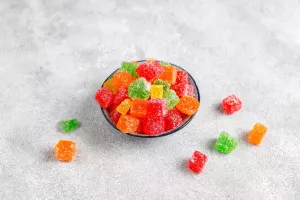
Assorted Fruit-Flavored Jelly Candies Sparkle with Sugar in a Chic Dark Bowl.
Edibles Cannabis Products
Cannabis edibles represent food and beverage products infused with cannabinoids, offering an alternative consumption method that avoids inhalation while providing unique effects through digestive system processing. This diverse category encompasses everything from traditional brownies and cookies to sophisticated chocolates, beverages, and savory snacks, reflecting culinary innovation merged with cannabis science. The transformation of cannabis into edible forms dates back millennia, from ancient Indian bhang to modern precision-dosed gummies, demonstrating humanity’s long-standing relationship with oral cannabis consumption that now drives multi-billion dollar markets worldwide.
The fundamental distinction of edibles lies in their metabolic pathway, where THC undergoes first-pass liver metabolism converting to 11-hydroxy-THC, a compound potentially more psychoactive than delta-9-THC from smoking. This biological transformation creates the characteristic edible experience: delayed onset of 30-120 minutes, extended duration of 4-8 hours, and often more intense body-focused effects that surprise users accustomed to inhalation. Understanding this unique pharmacology proves essential for safe consumption, as impatient users consuming additional doses before initial effects manifest represents the most common cause of overwhelming experiences.
Contemporary significance of edibles extends throughout legal cannabis markets where they represent 15-20% of sales, attracting consumers seeking smoke-free options, precise dosing, and discrete consumption methods. Regulatory frameworks specifically address edibles through potency limits, packaging requirements, and manufacturing standards recognizing their unique risks and benefits. The category’s growth drives innovation in formulation technologies, onset acceleration, and product diversification while challenging producers to balance palatability with consistent cannabinoid distribution. Understanding edibles’ production, effects, and market dynamics proves essential for industry professionals, healthcare providers, and consumers navigating this rapidly evolving category that bridges culinary arts with pharmaceutical precision.
Understanding Cannabis Edibles
Historical consumption of cannabis edibles predates smoking by centuries, with archaeological evidence and ancient texts documenting oral cannabis use across cultures for medicinal, spiritual, and recreational purposes. Ancient Chinese pharmacopeia described cannabis-infused teas and foods for various ailments, while Indian traditions developed complex bhang preparations combining cannabis with milk, spices, and sweeteners for religious festivals. Middle Eastern hashish confections spread through trade routes introducing Europeans to cannabis edibles long before smoking became common. Colonial Americans consumed cannabis tinctures and foods as medicine readily available in pharmacies. This historical precedent demonstrates edibles’ fundamental role in human cannabis use, contrasting with modern perceptions of smoking as traditional consumption.
Metabolic transformation distinguishes edibles from other consumption methods through unique biochemical processes creating different effects profiles that users must understand for safe consumption. When consumed orally, cannabinoids face digestive breakdown and absorption through intestinal walls before entering portal circulation to the liver. Hepatic enzymes, particularly CYP2C9 and CYP3A4, metabolize delta-9-THC into 11-hydroxy-THC, a metabolite crossing the blood-brain barrier more efficiently than its parent compound. This first-pass metabolism reduces bioavailability to 4-20% compared to inhalation’s 10-35%, but the resulting metabolites may produce stronger psychoactive effects. Individual variations in enzyme activity create dramatic differences in edible responses between users, frustrating attempts at universal dosing guidelines.
Product diversity in modern edibles markets reflects culinary creativity merged with cannabis science, expanding far beyond stereotypical brownies to encompass virtually every food category. Confections dominate with chocolates, gummies, and hard candies offering familiar formats with precise dosing. Baked goods maintain popularity through nostalgia and homemade accessibility. Beverages represent rapidly growing segments with teas, sodas, and alcohol alternatives appealing to social consumption. Savory options include chips, crackers, and cooking oils integrating cannabis into meals. Functional foods combining cannabis with supplements target wellness markets. Sublingual strips and dissolvable tablets blur lines between edibles and pharmaceuticals. This diversity serves different consumer preferences, consumption contexts, and effect onset needs while challenging regulators to address varied product risks.
Production Processes
Extraction and infusion methods form the foundation of edibles production, requiring careful processes to create consistent, safe, and palatable cannabis ingredients. Traditional butter and oil infusions remain popular for home production, using low heat to transfer cannabinoids into fats while avoiding degradation. Commercial operations increasingly use concentrated extracts like distillate or isolate powders enabling precise dosing and neutral flavors. Water-soluble formulations using nanoemulsion or encapsulation technologies revolutionize beverage production and bioavailability. CO2 and ethanol extractions provide clean starting materials free from residual solvents. Decarboxylation ensuring THCA conversion to psychoactive THC requires precise temperature control whether during extraction or baking. Strain selection affects terpene profiles influencing flavor and effects, though many processors prefer neutral distillates for consistent products.
Homogenization challenges in edibles manufacturing require sophisticated techniques ensuring even cannabinoid distribution throughout products preventing “hot spots” with concentrated doses. Liquid products like beverages or tinctures achieve homogeneity relatively easily through mechanical mixing. Solid products present greater challenges, particularly in items like chocolate bars where cannabinoids can migrate during temperature changes. Industrial homogenizers using high shear forces create stable emulsions in fat-based products. Quality control includes testing multiple samples from production batches verifying consistent potency. Some manufacturers use microencapsulation distributing cannabinoids in tiny particles throughout products. Gummy production requires careful temperature management preventing cannabinoid degradation while ensuring proper texture. These technical challenges separate quality commercial products from inconsistent homemade alternatives.
Dosing standardization represents critical safety and regulatory requirements, with most legal markets mandating maximum serving sizes of 5-10mg THC per piece. Multi-serving packages require clear demarcation or individual packaging preventing accidental overconsumption. Testing protocols verify label accuracy within acceptable variances, typically ±10-15%. Homogeneity testing ensures consistent dosing across production batches and within individual products. CBD-dominant and ratio products provide alternatives for consumers seeking different effects. Microdosed products containing 1-2.5mg serve newcomers and low-tolerance users. High-dose medical products may exceed recreational limits with appropriate authorization. Accurate dosing enables consistent experiences building consumer confidence while preventing adverse events that damage industry reputation.
Effects and Metabolism
Onset timing for edibles creates unique consumption challenges as effects emerge gradually over 30-120 minutes depending on numerous individual and product factors. Empty stomach consumption accelerates absorption, while fatty meals may delay but enhance effects through improved cannabinoid solubility. Metabolism speed, influenced by genetics, age, and health status, significantly impacts onset timing. Product formulation affects absorption with liquids generally faster than solids, and specialized rapid-onset technologies claiming 15-20 minute activation. First-time users often experience longer onset as cannabinoid receptors activate. The delayed onset creates dosing dangers as impatient users consume additional servings before initial doses take effect, leading to overwhelming experiences hours later when stacked doses activate simultaneously.
Duration characteristics of edibles provide extended effects lasting 4-8 hours with some users reporting residual effects into the following day. Peak effects typically occur 2-3 hours after consumption, creating different timeline considerations than inhalation’s immediate peak. The extended duration benefits medical users seeking sustained symptom relief without frequent redosing. However, negative experiences from overconsumption become particularly challenging given the inability to quickly terminate effects. Individual factors including tolerance, metabolism, and body composition create variable duration between users. Regular edible consumers may experience shorter durations as metabolic pathways upregulate. Planning consumption timing around obligations becomes crucial given extended impairment periods incompatible with driving or work responsibilities.
Effect quality from edibles differs characteristically from inhaled cannabis, with users commonly reporting more intense body sensations, sedation, and psychedelic-like experiences at higher doses. The 11-hydroxy-THC metabolite may bind cannabinoid receptors differently than delta-9-THC, potentially explaining qualitative differences. Body weight and composition influence effects as lipophilic cannabinoids distribute into fatty tissues. Tolerance developed through smoking may not fully transfer to edibles given different active compounds. Entourage effects vary as many edibles use isolated cannabinoids lacking terpenes and minor compounds present in flower. These distinct effects attract some users while deterring others preferring inhalation’s familiar experiences. Understanding these differences helps consumers select appropriate consumption methods for desired outcomes.
Market Evolution
Regulatory frameworks for edibles evolved as lawmakers recognized unique risks requiring specific controls beyond general cannabis regulations. Potency limits ranging from 5-10mg per serving and 50-100mg per package prevent overconsumption while allowing flexibility for different tolerance levels. Child-resistant packaging requirements address accidental pediatric ingestion risks from products resembling regular candy. Prohibited shapes, colors, and marketing preventing youth appeal include restrictions on gummy bears, cartoon characters, or fruit-shaped products. Kitchen certification and food safety standards ensure manufacturing meets health department requirements. Labeling mandates include cannabinoid content, allergen warnings, and standardized symbols indicating cannabis presence. These regulations significantly impact product development, packaging costs, and market strategies while aiming to balance access with public safety.
Consumer demographics for edibles reveal distinct preferences compared to overall cannabis markets, attracting older users, women, and cannabis newcomers at higher rates. Smoke aversion drives many edibles consumers seeking therapeutic benefits without respiratory concerns. Precise dosing appeals to medical users and those preferring predictable experiences. Discretion factors attract professionals avoiding smoking stigma or smell. Culinary interest merges foodie culture with cannabis exploration. Price sensitivity varies with some viewing edibles as economical given extended duration, while others balk at premium pricing versus flower. Geographic preferences show edibles performing strongly in markets with indoor consumption restrictions. These demographic insights guide product development and marketing strategies targeting specific consumer segments beyond traditional cannabis users.
Innovation trends in edibles push boundaries of food science and cannabis technology addressing consumer demands for improved experiences and novel products. Fast-acting formulations using nanoemulsion or sublingual absorption challenge traditional onset limitations. Minor cannabinoid products featuring CBG, CBN, or rare compounds create differentiated effects. Functional ingredients combining cannabis with adaptogens, vitamins, or supplements target wellness markets. Sugar-free, keto, and allergen-free options address dietary preferences. Precise ratio products allow customized CBD:THC combinations. Beverage innovations include alcohol alternatives and social tonics. Culinary collaborations with renowned chefs elevate edibles beyond basic snacks. Technology integration through apps tracking onset and effects personalizes experiences. These innovations expand edibles beyond simple THC delivery into sophisticated products serving diverse consumer needs.