Fast-acting
Discover how fast-acting cannabis delivers effects in 5–20 min.
What Is Fast-Acting Cannabis
If you have ever taken a cannabis edible and spent an hour wondering whether anything was going to happen, you already understand the problem that fast-acting cannabis was designed to solve. Traditional edibles can take anywhere from 45 minutes to two hours to produce noticeable effects, which makes dosing a frustrating guessing game. Fast-acting cannabis refers to a category of products engineered to deliver cannabinoids into your bloodstream far more quickly, often within five to twenty minutes.
The term covers a range of formulation technologies rather than a single product. What unites them is the goal of compressing the gap between consumption and onset. Whether through reformulated edibles, specialized beverages, or sublingual products, these formats aim to give consumers the kind of predictable timing once associated only with inhalation.
Why onset speed matters so much: Predictable timing is the foundation of responsible dosing. When you know effects will arrive in roughly fifteen minutes, you are far less likely to take a second dose prematurely and end up overwhelmed. Fast-acting cannabis turns dosing from an exercise in patience into something closer to the immediacy people expect from other wellness products.
How Fast-Acting Cannabis Works in the Body
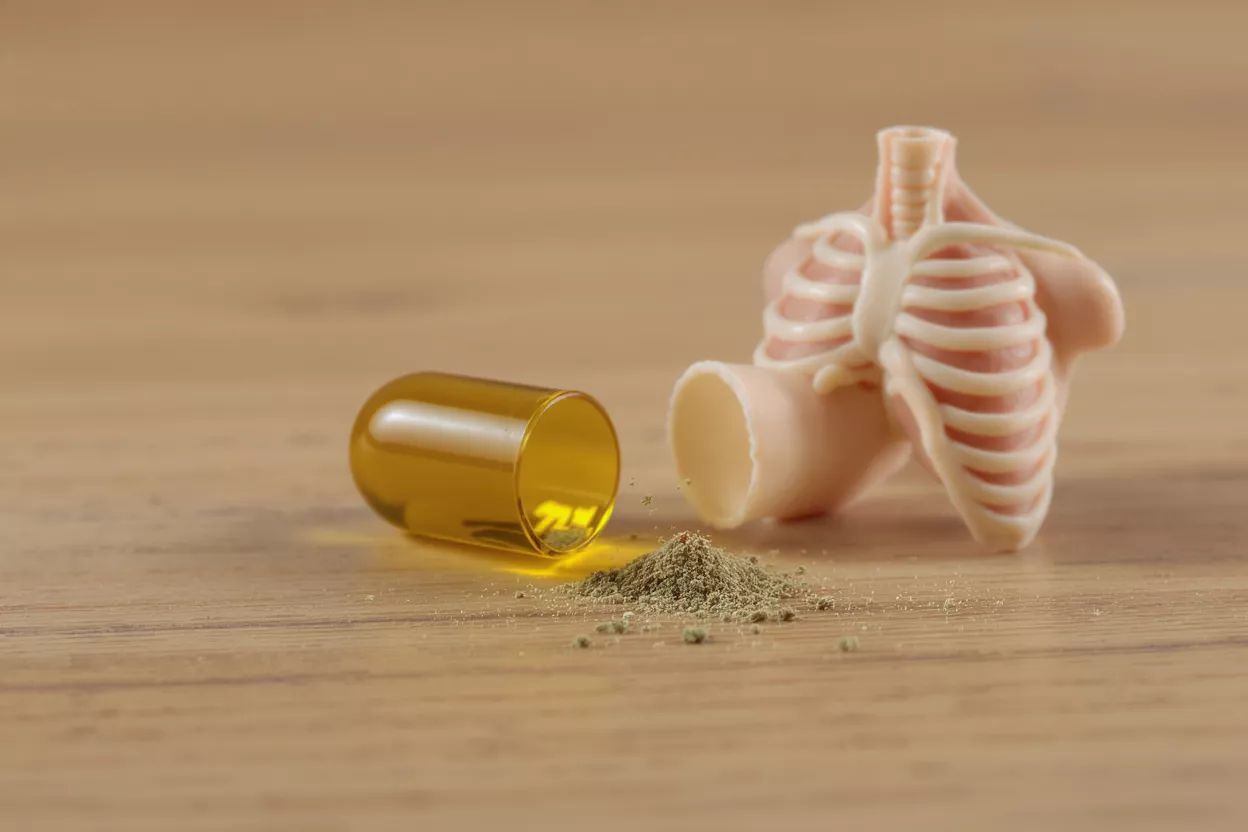
To understand why fast-acting products behave differently, it helps to know what slows down a normal edible. When you swallow a standard gummy or capsule, the cannabinoids travel through your digestive system and into the liver, where they undergo what is called first-pass metabolism. This process not only delays onset but also transforms THC into a more potent metabolite, which is partly why edibles can feel so unpredictable.
Fast-acting formulations work by sidestepping or accelerating this pathway. Some achieve quicker absorption through tiny particle sizes that the body can take up more readily. Others bypass the digestive tract entirely by absorbing through the tissues of the mouth. In both cases, cannabinoids reach circulation sooner and with less variability.
The bioavailability factor: Bioavailability describes how much of a substance actually reaches your bloodstream in active form. Cannabinoids are fat-soluble and notoriously hard for the watery environment of the body to absorb. Much of the engineering behind fast-acting cannabis is really about solving this absorption problem, raising the fraction of each dose that does meaningful work.
Nanoemulsion Technology Behind Fast-Acting Products
The single most important breakthrough in fast-acting cannabis is nanoemulsion technology. In simple terms, manufacturers break cannabinoid oil into droplets so small they are measured in nanometres, then suspend them in a water-compatible mixture. These microscopic droplets have an enormous combined surface area, which lets the body absorb them dramatically faster than a conventional oil droplet.
Why droplet size changes everything: A standard emulsion might contain droplets several thousand nanometres across, while a true nanoemulsion brings that down to under a hundred. That difference is not cosmetic. Smaller droplets dissolve into bodily fluids more readily, pass through membranes more efficiently, and resist the clumping that slows absorption. The result is faster onset and often higher overall bioavailability from the same milligram dose.
Water compatibility unlocks new formats: Because nanoemulsions blend smoothly into liquids, they make stable cannabis beverages, dissolvable powders, and fast-dispersing edibles possible. An ordinary cannabis oil would simply float on top of a drink. Nanoemulsified cannabinoids mix evenly, which means each sip delivers a consistent dose rather than a random one.
It is worth noting that nanoemulsion quality varies between manufacturers. Particle size, stability over shelf life, and the emulsifiers used all influence how well a product performs. Reputable producers test these parameters rigorously, which is part of why brand reputation matters in this category.
Sublingual and Buccal Delivery Routes Explained
Not all fast-acting cannabis relies on nanotechnology. A second major approach uses the rich network of blood vessels inside the mouth. Sublingual delivery places a product under the tongue, while buccal delivery positions it against the inside of the cheek. Both routes allow cannabinoids to absorb directly into circulation, skipping the digestive detour entirely.
The mucosal membrane advantage: The tissues lining the mouth are thin and densely supplied with blood vessels. When a tincture or dissolvable strip sits there long enough, a meaningful portion of the dose crosses straight into the bloodstream. This is why holding a sublingual product for sixty to ninety seconds before swallowing makes such a noticeable difference in onset.
The trade-off with mucosal delivery is that not every product is absorbed this way in full. Some of the dose is inevitably swallowed and processed like a normal edible, creating a two-stage effect: a faster initial onset followed by a longer, slower tail. Many users find this combination of speed and duration genuinely useful for managing their experience.
Types of Fast-Acting Cannabis Products
Fast-acting technology shows up across a surprising range of product formats. Understanding the categories helps you match a format to your routine and preferences. Each balances speed, convenience, and experience differently.
- 🥤 Cannabis beverages: Nanoemulsified drinks and shots designed to deliver effects in roughly fifteen minutes, ideal for social settings where pacing matters.
- 🍬 Fast-acting gummies: Reformulated edibles that begin absorption in the mouth and stomach more quickly than conventional chews.
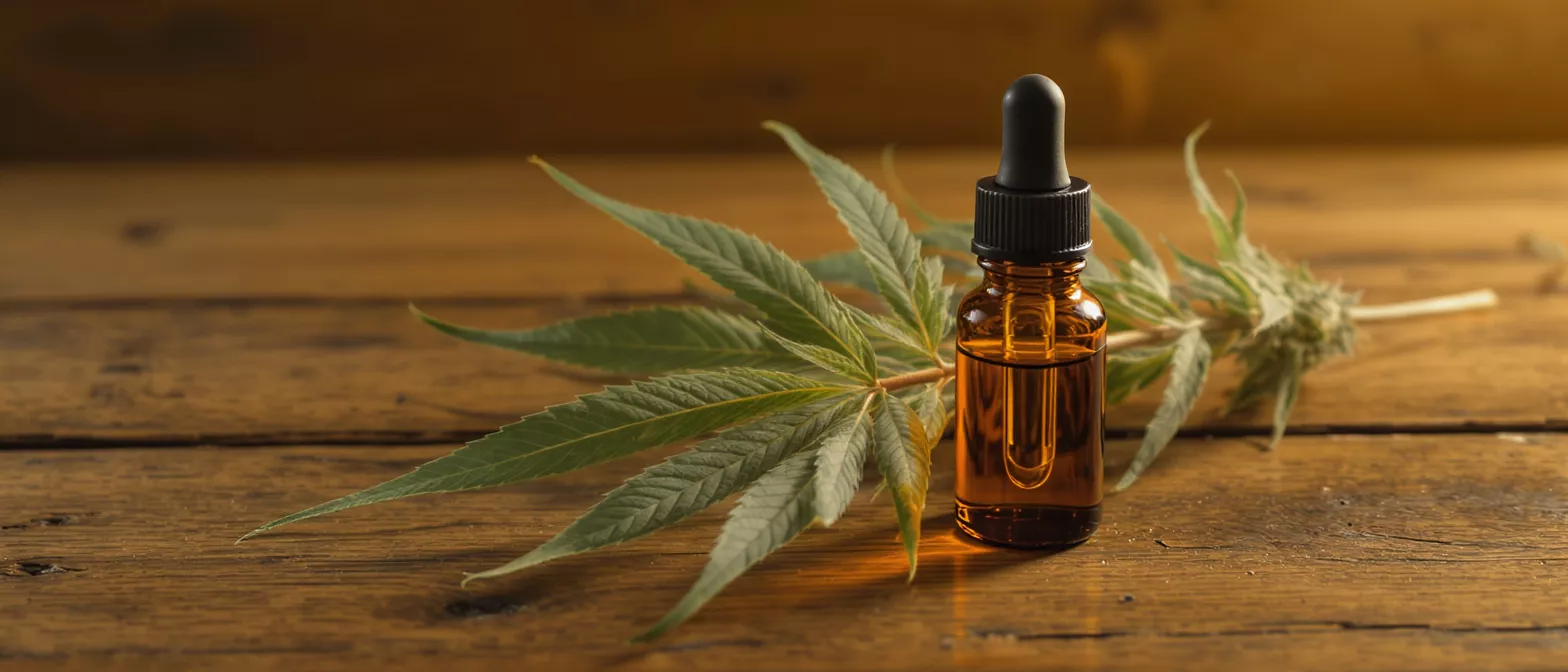
- 💧 Sublingual tinctures: Oil or water-based drops held under the tongue for rapid mucosal absorption and flexible dosing.
- 🌿 Dissolvable strips and powders: Discreet formats that dissolve fast and mix easily into liquids.
- 💊 Fast-dissolve tablets: Pressed products engineered to break down quickly for quicker uptake than standard capsules.
Matching format to lifestyle: A beverage suits a relaxed evening with friends, while a sublingual tincture offers precise control for someone managing a specific need. Strips and tablets win on discretion and portability. There is no single best format, only the one that fits how and when you want effects to arrive.
As the category matures, the lines between these formats continue to blur. Many newer products combine nanoemulsion with sublingual-friendly designs, capturing the strengths of both absorption pathways in a single dose.
Fast-Acting Cannabis vs Traditional Edibles
The clearest way to appreciate fast-acting cannabis is to compare it directly with the edibles most people already know. The two are not rivals so much as tools suited to different goals, and understanding the contrast helps you choose wisely.
- ⏱️ Onset: Fast-acting products typically begin in 5–20 minutes; traditional edibles often take 45–120 minutes.
- 📈 Predictability: Faster onset means easier dose titration and far less accidental overconsumption.
- ⏳ Duration: Traditional edibles tend to last longer, sometimes six hours or more, while fast-acting effects may fade sooner.
- 🎯 Control: Fast-acting formats let you feel a dose before deciding whether to take more.
When traditional edibles still win: Longer duration is a genuine strength for anyone seeking sustained relief through the night or across a long day. The slow, rolling effect of a classic edible is not a flaw but a feature for the right use case. Fast-acting products trade some of that longevity for speed and precision.
For most people exploring cannabis for the first time, the predictability of fast-acting formats makes them a gentler entry point. Being able to feel where you stand within twenty minutes removes much of the anxiety that gives edibles their intimidating reputation.
What Are Typical Fast-Acting Cannabis Onset Times
Onset time is the headline feature of this entire category, but real-world numbers depend on several variables. Most quality fast-acting products advertise effects beginning within five to twenty minutes, with peak effects often arriving inside the first hour. Compared with the long wait of a standard edible, this is a transformative difference for planning and pacing.
Factors that influence your personal timing: Body weight, metabolism, recent food intake, and individual tolerance all shape how quickly you feel a dose. Taking a fast-acting product on an empty stomach generally speeds onset, while a heavy meal can blunt and delay it. Your own physiology is part of the equation, so initial experiences are worth treating as personal calibration.
Hydration and the specific formulation also play a role. A well-engineered nanoemulsion beverage may act faster than a poorly formulated one at the same dose. This is another reason to favour products from manufacturers who are transparent about their technology and testing.
Fast-Acting Cannabis Dosing Guide for Beginners
Because fast-acting cannabis delivers effects so quickly, it lends itself beautifully to careful, incremental dosing. The classic advice to "start low and go slow" becomes far more practical when you only have to wait fifteen minutes to assess a dose rather than two hours.
A sensible starting approach: Newcomers often begin with 2.5 milligrams of THC, wait the full onset window, and only then decide whether to take more. With fast-acting products this wait is short enough to feel manageable, which discourages the impatient double-dosing that causes most uncomfortable edible experiences.
Keeping a simple log of dose, format, timing, and effect helps you find your personal sweet spot quickly. Within a few sessions most people identify a reliable dose they can return to with confidence. Pairing your dose mindfully with products containing CBD can also soften the intensity of THC for those who prefer a gentler experience.
Always respect the guidance on a product's label and remember that effects can intensify after the initial onset. Patience during your first few sessions pays off in a far more comfortable relationship with the product over time.
Are Fast-Acting Cannabis Products Safe
Fast-acting cannabis products, when sourced from licensed and regulated producers, are made to the same safety standards as other cannabis goods. The nanoemulsion and mucosal delivery technologies behind them have been studied extensively in pharmaceutical contexts long before they reached cannabis. The core safety considerations are familiar: accurate dosing, quality ingredients, and responsible use.
Quality and testing matter most: The biggest safety variable is the manufacturer. Reputable producers conduct lab testing for potency and contaminants and are transparent about the emulsifiers and carriers they use. Buying from a licensed source rather than an unregulated one is the single most important step you can take to protect yourself.
It is also wise to be mindful of how the faster onset interacts with your own habits. Because effects arrive quickly and clearly, some people are tempted to push their dose. Treating the speed as a tool for control rather than an invitation to overconsume keeps the experience comfortable. As always, avoid driving or operating machinery, and consult a healthcare professional if you take medications or have underlying health conditions.
Choosing the Right Fast-Acting Cannabis for You
With so many formats available, choosing the right fast-acting cannabis comes down to matching a product to your goals, your tolerance, and the moment you intend to use it. There is no universally superior option, only the one that suits your needs on a given day.
Questions worth asking before you buy: Consider how quickly you want effects, how long you want them to last, and how discreet the format needs to be. A beverage and a sublingual tincture can both act fast, yet they fit very different occasions. Reading the milligram content and the producer's testing information ensures you know exactly what you are taking.
Start with a trusted, well-reviewed brand and a modest dose as you learn how your body responds to faster absorption. Over time you will build an intuition for which formats and doses serve you best, and that knowledge transforms fast-acting cannabis from a novelty into a dependable part of your routine.
Fast-acting cannabis represents one of the most meaningful advances in how people consume cannabinoids, replacing the long, uncertain wait of traditional edibles with speed and predictability. By understanding the nanoemulsion and sublingual technologies behind these products, respecting sensible dosing, and choosing reputable sources, you can enjoy rapid onset with confidence and control. Whether you reach for a beverage, a tincture, or a fast-dissolve tablet, the key takeaway is the same: faster onset means better information, and better information means a more comfortable, more deliberate cannabis experience.