

Extract
Discover every type of cannabis extract — oils, shatter, wax and more.
What Is a Cannabis Extract
A cannabis extract is a concentrated product made by separating the active compounds of the plant — primarily cannabinoids and terpenes — from the raw flower and trim that hold them. Where dried bud might test in the high teens or low twenties for total THC, a well-made extract can climb to 70%, 90% or beyond. That leap in potency is the whole point: by stripping away plant fiber, chlorophyll and water, you are left with the parts of the plant that actually do something.
Where the potency lives: The compounds worth extracting are concentrated almost entirely in the trichomes, the tiny resinous glands that coat mature buds and give quality flower its frosty sheen. Each trichome is essentially a microscopic reservoir of cannabinoid-rich oil. Every extraction technique, no matter how simple or industrial, is just a different way of collecting those glands and the oil inside them.
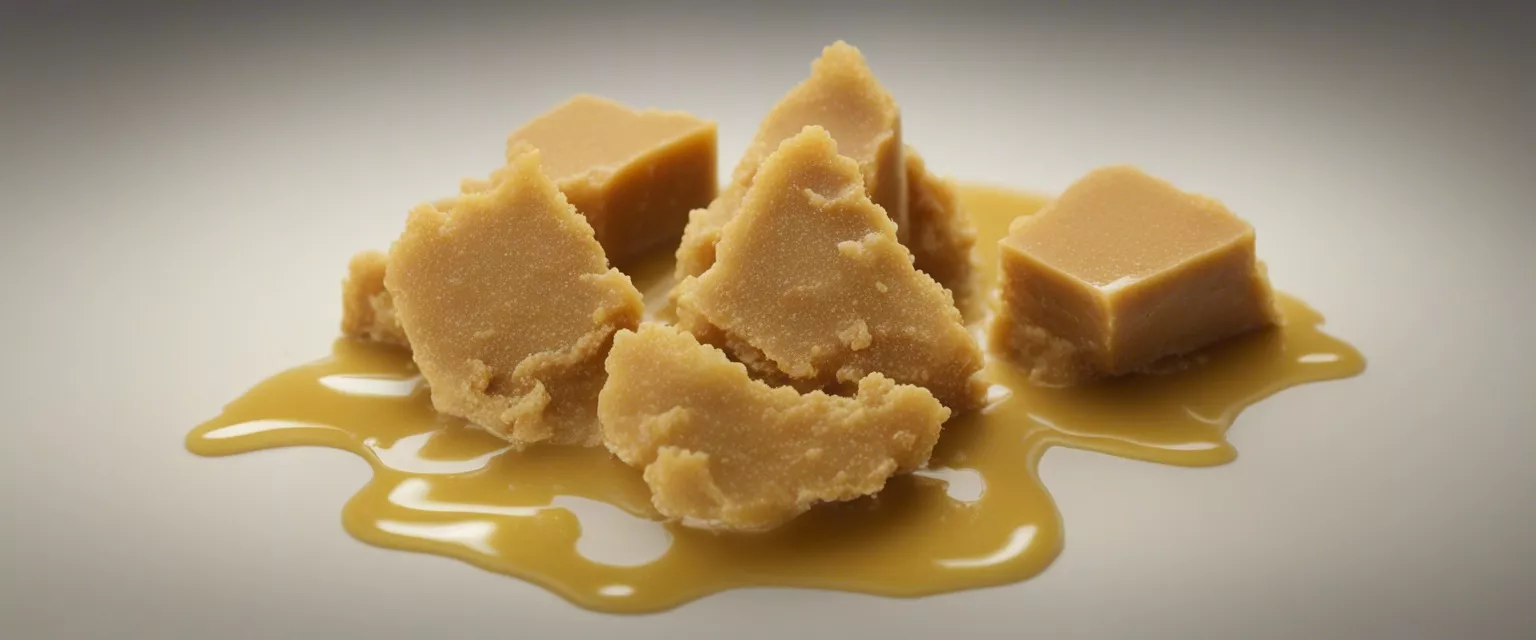
The word "extract" is broad on purpose. It covers everything from a sticky oil drawn out with hydrocarbons to a brittle sheet of shatter to the crumbly texture of wax. What unites them is the goal of concentration, not the texture or the method. Understanding that distinction makes the rest of the category far easier to navigate.
How Cannabis Extraction Works
Extraction is fundamentally a separation problem. Cannabinoids and terpenes are oily, fat-loving molecules that dissolve readily in certain solvents but cling stubbornly to plant material on their own. The job of any extraction process is to coax those molecules out of the trichomes, carry them away from the fiber and pigment, and then remove whatever was used to carry them.
The role of the solvent: A solvent is any substance that dissolves the target compounds so they can be washed free of the plant. Butane, propane, ethanol and carbon dioxide are the most common industrial choices because they pull cannabinoids efficiently and can be evaporated off afterward. Solventless methods skip the chemical carrier entirely and rely on heat, pressure, water or simple agitation to knock the trichomes loose instead.
Once the cannabinoids are in solution, the carrier has to go. This is the purge — a controlled application of heat and vacuum that boils off residual solvent until only the concentrated oil remains. The skill of the extractor shows up here: too aggressive a purge degrades terpenes and flattens flavor, while too gentle a purge leaves unwanted residue behind. The texture of the finished product is largely decided by how this final stage is handled.
Types of Cannabis Extract Explained
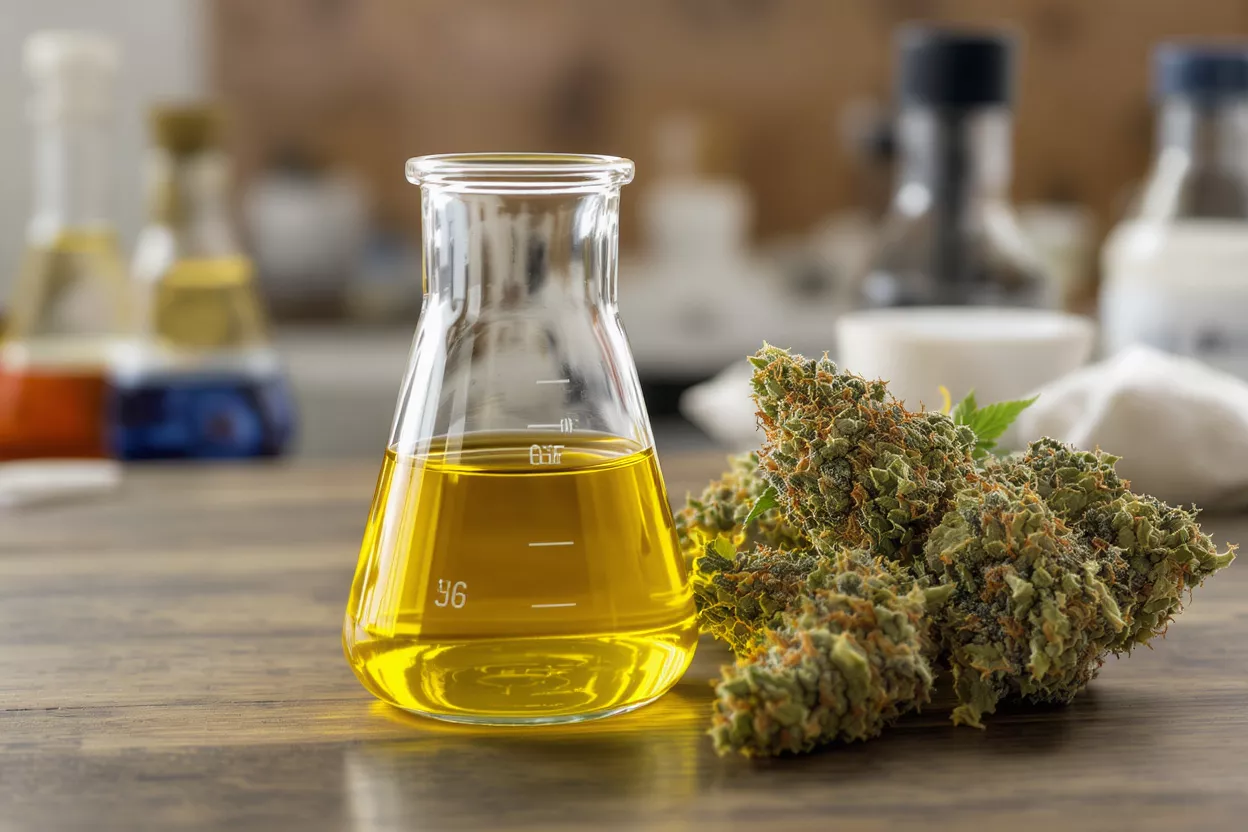
Walk into any well-stocked shop and the extract menu can feel overwhelming, but most products fall into a handful of recognizable families. The differences come down to texture, the starting material, and how much processing the oil went through after the initial wash.
Texture is the most visible way these products differ, and it is driven by factors like agitation, heat and moisture content during the purge. Here is a quick map of the most common forms you will encounter:
- 🪟 Shatter: A glassy, translucent sheet that snaps like hard candy. Stable, easy to store, and prized for its clarity.
- 🧈 Wax and budder: Opaque and creamy from whipping during the purge, with a soft, scoopable consistency.
- 💎 Crumble: A dry, honeycomb texture that breaks apart easily and sprinkles cleanly over flower.
- 🍯 Sauce and diamonds: A terpene-rich liquid surrounding crystalline cannabinoid structures, valued for intense flavor.
- 💧 Distillate oil: A near-clear, highly refined oil stripped down to almost pure cannabinoids.
Why texture matters beyond looks: The form an extract takes is not purely cosmetic. Shatter holds up well in long storage, sauce delivers fuller flavor because it retains more terpenes, and distillate's neutrality makes it ideal for vape cartridges and edibles where a clean, consistent base is wanted.
Solvent-Based Extract Methods
Solvent-based extraction is the workhorse of the commercial concentrate industry. Hydrocarbon extraction, using butane or propane, is responsible for most of the shatter, wax and sauce on dispensary shelves because it preserves terpenes beautifully and produces high yields when done correctly.
Hydrocarbon extraction in practice: The plant material is packed into a sealed column and chilled liquid butane or propane is passed through it, dissolving the cannabinoids and terpenes on contact. The resulting solution is collected and then purged of solvent under heat and vacuum. The product of this process is often labeled BHO, short for butane hash oil, which remains one of the most popular extract categories.
Ethanol extraction takes a different approach, using grain alcohol to strip cannabinoids from the plant. It scales efficiently and is well suited to producing the refined oils used in capsules, tinctures and distillate. The tradeoff is that ethanol also pulls chlorophyll and waxes more readily, so ethanol extracts usually require extra filtration and winterization steps to clean up the final product.
Solventless Extract vs Solvent Extract
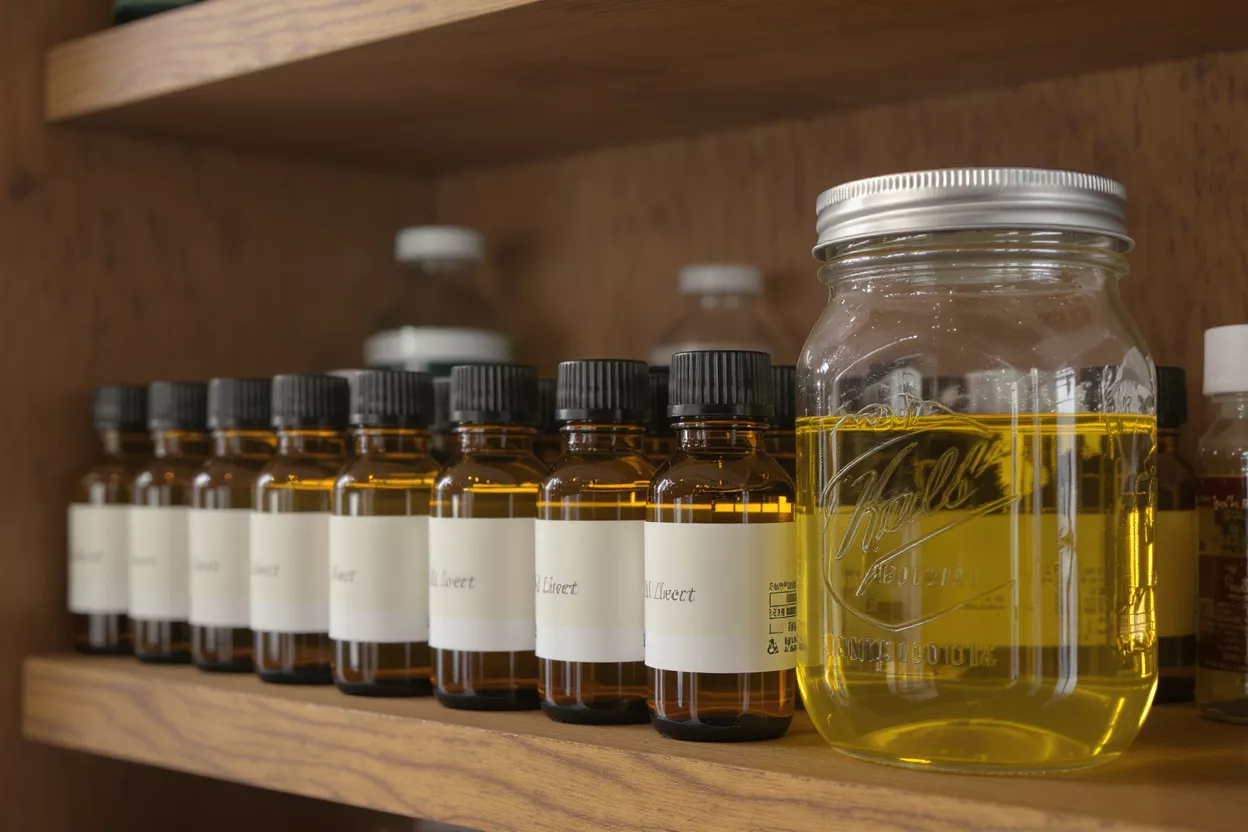
One of the most useful distinctions in the concentrate world is between solvent extracts and solventless ones. The names are nearly identical but the philosophy behind them is quite different, and the choice often signals what a particular consumer values most.
What "solventless" actually means: Solventless extracts use no chemical carrier at all. Instead they rely on physical separation — ice water and agitation to make bubble hash, or heat and pressure to make rosin. Because nothing chemical touches the plant, many consumers see these as the cleanest expression of the flower.
Solvent extracts, by contrast, can achieve higher potency and a wider range of textures, and they tend to cost less per gram because the process scales so well. Here is how the two camps compare at a glance:
- 🌿 Solventless: No chemical carrier, full-spectrum flavor, typically a higher price point, batch sizes limited by physical processing.
- ⚗️ Solvent-based: Higher peak potency, broad texture variety, lower cost at scale, requires careful purging and lab testing.
- 🎯 Choosing between them: Flavor-focused users often lean solventless, while value and potency seekers gravitate toward solvent extracts.
CO2 Extract and Supercritical Extraction
Carbon dioxide occupies a unique space in the extract world because it behaves as both a solvent and a clean, food-grade gas. Under high pressure and specific temperatures, CO2 enters a supercritical state where it flows like a liquid but diffuses like a gas, making it remarkably effective at pulling cannabinoids from plant material.
Why CO2 appeals to manufacturers: Once the extraction is complete, the pressure is released and the carbon dioxide simply evaporates back into the air, leaving no residual solvent behind. That clean finish, combined with the ability to fine-tune the process to target specific compounds, is why CO2 extraction dominates the market for vape oils and many wellness products.
The tradeoff is cost and complexity. Supercritical CO2 systems are expensive industrial machines that require trained operators, which puts them out of reach for small producers. The resulting oil also tends to lose some volatile terpenes during processing, so many manufacturers reintroduce terpenes afterward to restore aroma and flavor to the finished extract.
How to Use Cannabis Extract
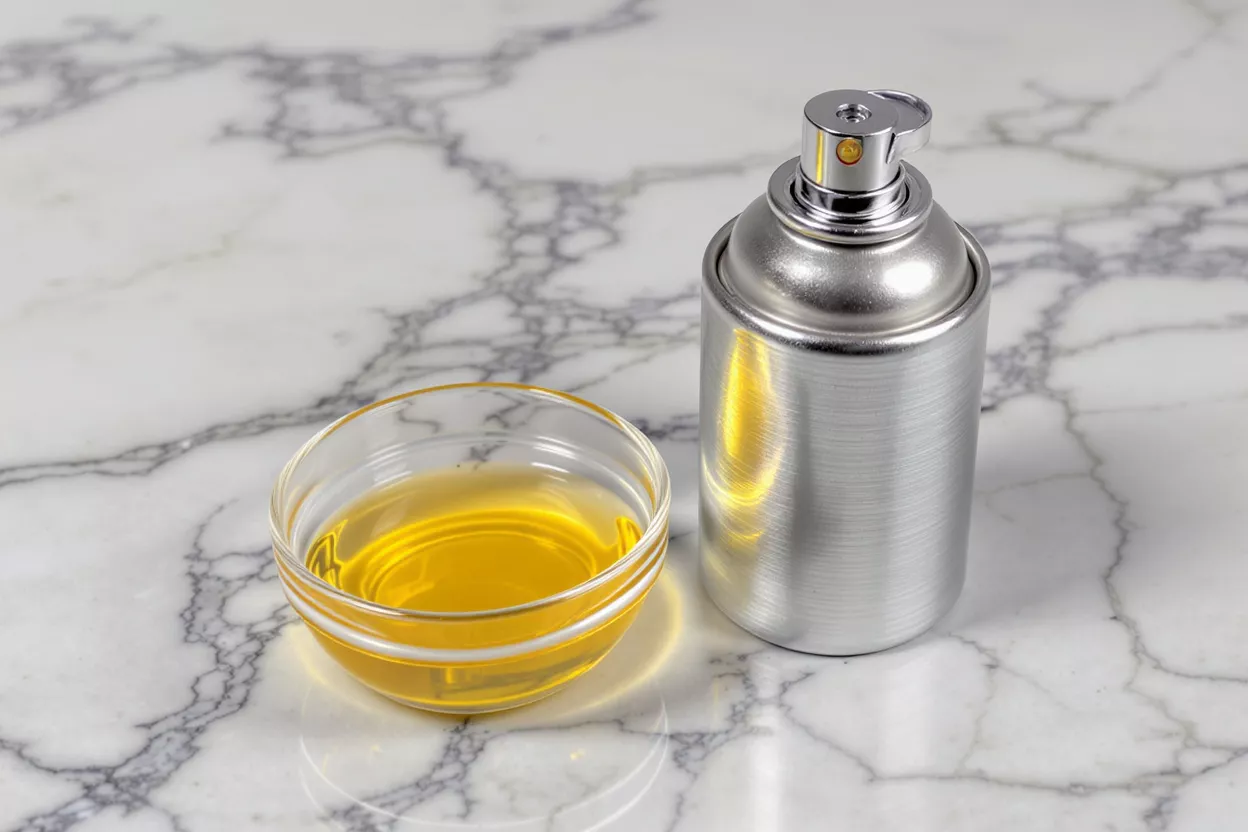
Once you have an extract in hand, the next question is how to actually consume it, and the answer depends heavily on the form and your tolerance. Concentrates are versatile, but their strength means a little goes a long way compared to flower.
Dabbing and vaporizing: The most common method for potent extracts is dabbing, where a small amount of concentrate is vaporized against a heated surface and inhaled. Dabbing delivers fast, intense effects and preserves flavor when done at lower temperatures. Vape cartridges filled with distillate or CO2 oil offer a more discreet, measured version of the same idea.
Extracts also shine in less intense applications. A pinch of crumble sprinkled over a bowl of flower boosts potency without dedicated equipment, while refined oils form the backbone of edibles, capsules and tinctures. Here are the main ways people put extracts to work:
- 🔥 Dabbing: Vaporizing concentrate on a heated nail or e-rig for fast, powerful effects.
- 💨 Vape cartridges: Pre-filled with distillate or oil for convenient, dose-controlled sessions.
- 🌬️ Topping flower: Adding crumble or kief to a bowl or joint for an easy potency boost.
- 🍪 Infused edibles: Using refined oil as a clean, consistent base for cooking and baking.
Extract Potency and Dosing Guide
The defining feature of any extract is its concentration, and that strength demands respect when it comes to dosing. Where a flower joint might deliver effects gradually over several puffs, a single dab can deliver many times the dose in one inhale, so starting small is essential.
Reading the numbers: Most quality extracts come with lab results listing total cannabinoid content, often somewhere between 60% and 90%. A product testing at 80% THC means roughly four-fifths of its weight is active cannabinoid — a dramatic step up from flower. Treat that figure as a serious indicator of how little you actually need.
For newcomers, the rule of thumb is to begin with a portion smaller than a grain of rice and wait before going further. Effects from inhaled extracts arrive within minutes, so there is no reason to rush a second dose. Tolerance builds over time, but even experienced users benefit from respecting the potency rather than assuming more is always better. Patience here protects both comfort and the quality of the experience.
Are Cannabis Extracts Safe
Safety in the extract world comes down to two things: how the product was made and how it gets used. A properly produced, lab-tested extract from a regulated source is held to strict standards, while improvised home extraction with volatile solvents carries real and well-documented risks.
Why lab testing matters: Reputable extracts are tested for residual solvents, pesticides, heavy metals and microbial contaminants before they reach a shelf. Those test results are the single best assurance you have that what you are inhaling or eating contains only what it should. Buying from a regulated retailer means someone has already done that verification on your behalf.
The other half of the safety picture is personal. Because extracts are so concentrated, they can overwhelm an inexperienced user quickly, leading to anxiety or discomfort even though cannabis itself has a wide safety margin. Home solvent extraction deserves a specific warning: butane and similar gases are highly flammable, and attempting to make hydrocarbon extracts without professional equipment has caused serious fires and injuries. Leave that work to licensed producers.
How to Store Cannabis Extract
Extracts are concentrated but not indestructible, and proper storage makes the difference between a product that stays fresh for months and one that degrades into something stiff and flavorless. The enemies are the same ones that wear down flower: heat, light, air and time.
Cool, dark and airtight: Cannabinoids and terpenes break down when exposed to light and warmth, so the ideal home for an extract is an airtight, non-stick container kept somewhere cool and dark. Silicone and borosilicate glass containers are popular because the sticky oil releases from them cleanly. Keeping the container sealed between uses limits the oxygen exposure that dulls flavor over time.
Different textures age differently. Shatter is among the most stable and holds its form well, while softer products like sauce and badder can shift texture as their terpenes migrate, a process sometimes called nucleation that is harmless but changes consistency. For long-term storage, cooler temperatures slow degradation, though letting a chilled extract return to room temperature before opening prevents condensation from introducing unwanted moisture.
Cannabis extracts represent the most concentrated and versatile corner of the cannabis world, distilling the plant down to the compounds that matter most. From the glassy snap of shatter to the clean neutrality of distillate, every form traces back to the same goal: capturing the cannabinoid-rich oil held inside the trichomes. Understanding how each extract is made — whether with hydrocarbons, CO2 or no solvent at all — helps you choose products that match your priorities, whether that is flavor, potency or value. Pair that knowledge with careful dosing, lab-tested sources and smart storage, and you have everything you need to explore concentrates with confidence.





Comments