

Auto-buddering
Learn why auto-buddering turns shatter into soft budder.
What Is Auto-Buddering in Cannabis Concentrates
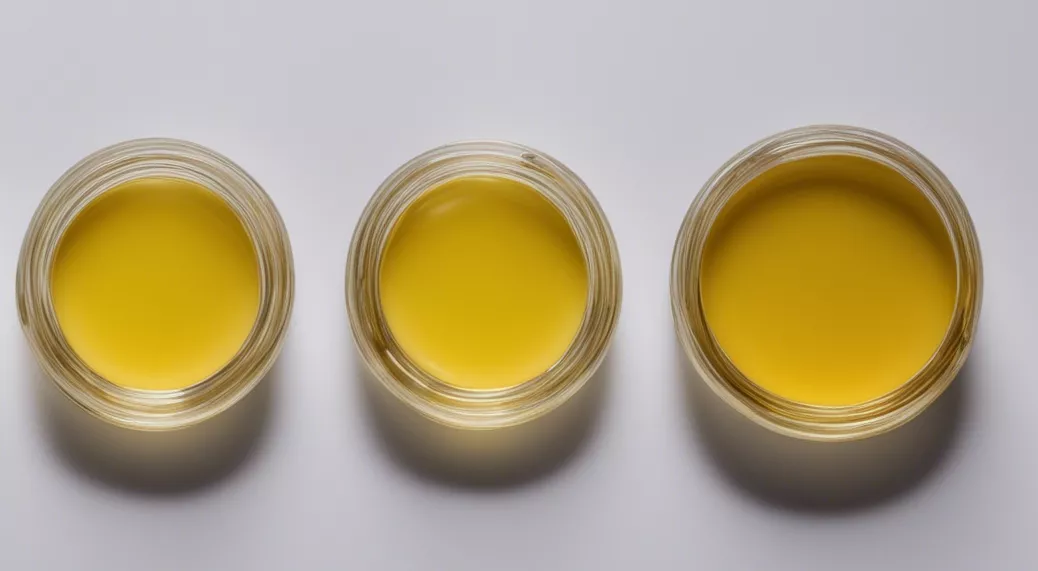
Auto-buddering describes a spontaneous change in texture where a stable, glassy cannabis extract gradually transforms into a soft, opaque, butter-like consistency without any deliberate processing by the consumer. The term most often comes up in conversations about shatter, the brittle, amber concentrate prized for its translucent clarity. When that clarity clouds over and the slab begins to crumble and soften on its own, auto-buddering is the phenomenon at work.
For many newcomers to concentrates, witnessing a once-glossy slab turn waxy can feel alarming, as if the product has spoiled. In reality, auto-buddering is a natural physical process rooted in the chemistry of cannabinoids and terpenes. It reflects the extract seeking a more thermodynamically stable arrangement at the molecular level.
Understanding auto-buddering matters because it shapes how you store, handle, and ultimately enjoy your extracts. The change in appearance does not signal contamination or danger, but it does carry implications for dabbing technique, flavor, and shelf life. This guide breaks down the entire process so you can read your concentrate's texture with confidence.
Why Does Auto-Buddering Happen
The core driver of auto-buddering is molecular instability. Shatter exists in an amorphous, glass-like state where cannabinoid and terpene molecules are locked in a disordered arrangement. This state is metastable, meaning it looks solid and stable but is constantly inching toward a lower-energy configuration. When those molecules begin to rearrange and partially crystallize, the smooth glass fractures into countless microscopic domains that scatter light, turning the slab opaque and soft.
Residual moisture and solvents play a quiet but powerful role. Extracts that retain trace amounts of water or leftover solvent from incomplete purging are far more prone to spontaneous texture shifts. These molecules act as plasticizers, lubricating the cannabinoid lattice and accelerating the migration that leads to buddering. This is why purging quality during production has such a direct impact on long-term stability.
Time itself is also a factor. Even a flawlessly made slab of shatter will tend to budder eventually, because the glassy state is never truly permanent. Auto-buddering is simply the visible expression of cannabis chemistry obeying the laws of thermodynamics over weeks or months.
The Science Behind the Buddering Process
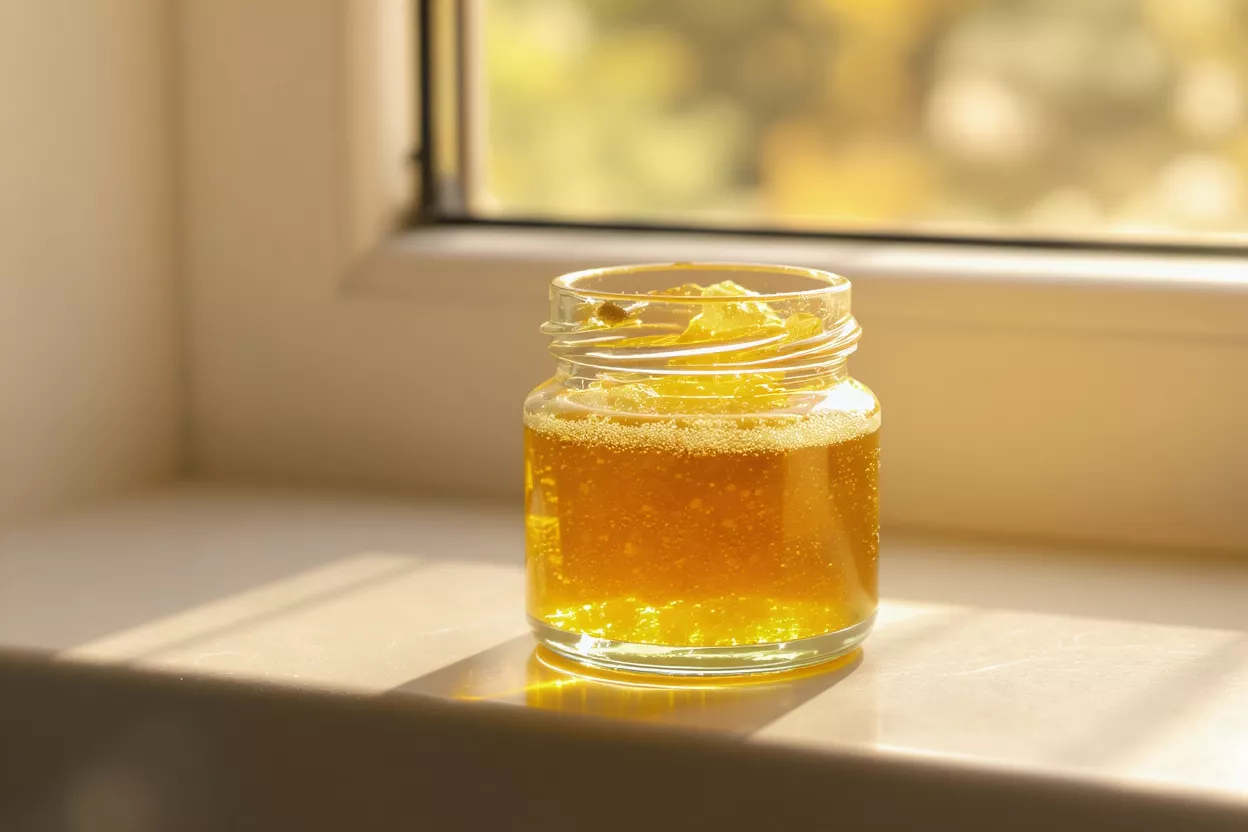
Nucleation is the starting point of every buddering event. A nucleation site is a tiny imperfection, an impurity, or a trace crystal that gives surrounding molecules a template to organize around. Once THCA molecules find a nucleation point, they begin stacking into ordered structures, and that local ordering cascades outward through the slab. The more nucleation sites present, the faster and more uniform the buddering.
Terpenes behave almost like a solvent within the concentrate. These volatile aromatic compounds remain liquid at room temperature and keep the surrounding cannabinoids mobile. A terpene-rich extract has more internal fluidity, which both speeds up molecular migration and gives the final budder its creamy, malleable feel. Low-terpene extracts, by contrast, may stay glassy longer but can become brittle and chalky once they finally shift.
The visual transformation comes down to optics. Glassy shatter is transparent because light passes through a uniform medium without scattering. As crystalline and waxy domains form, light bounces off thousands of internal boundaries, producing the opaque, buttery appearance that defines a buddered concentrate. The texture and the cloudiness are two faces of the same underlying rearrangement.
Auto-Buddering vs Intentional Budder Whipping
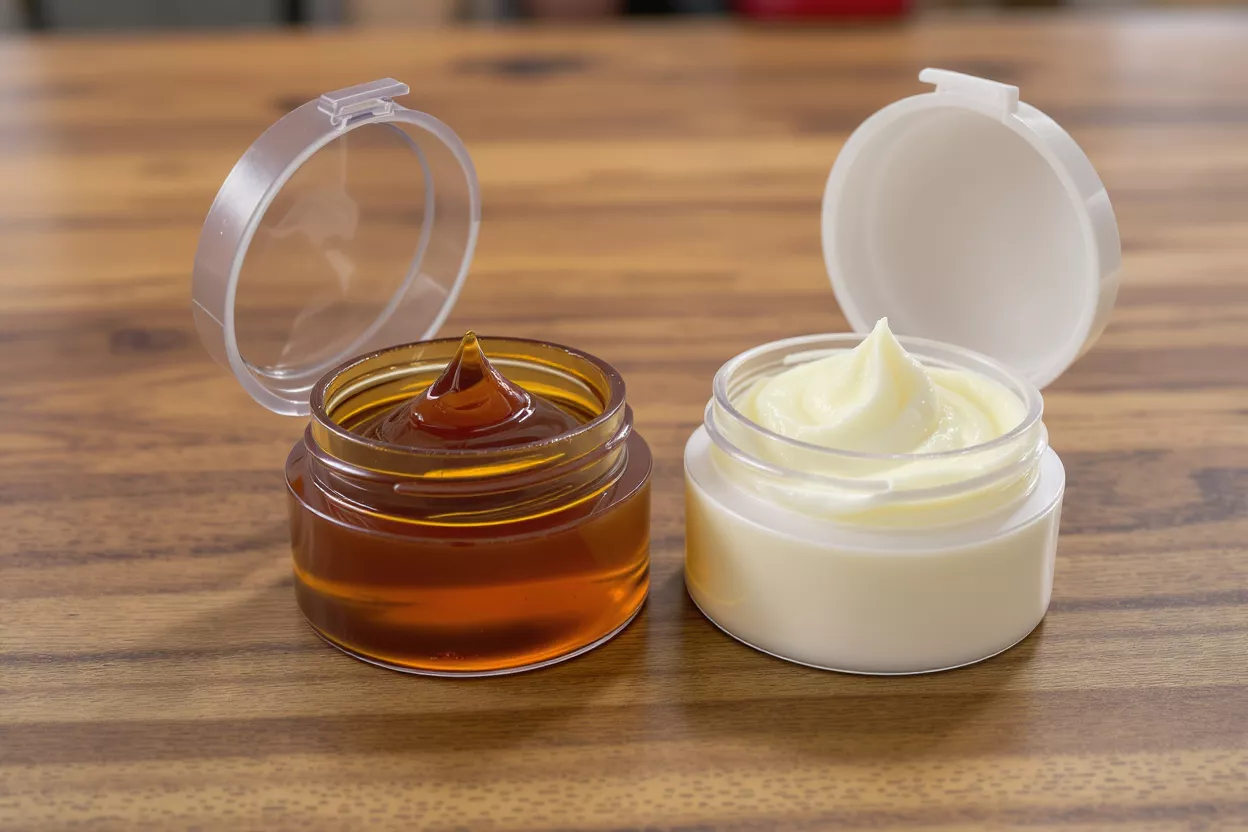
Not all budder is accidental. Many extractors deliberately whip and agitate their concentrates under controlled heat to produce budder and wax as the intended final product. This intentional buddering homogenizes the texture, locks in a consistent creamy consistency, and is often preferred for its ease of handling on a dab tool.
Auto-buddering, by contrast, is the same chemical process happening without human intervention, usually to a product that was meant to stay glassy. The end texture can be similar, but the path and the predictability differ enormously. A purpose-made budder has uniform consistency throughout, while an auto-buddered slab may show a patchy mix of glassy and waxy regions during the transition.
Here is how the two approaches compare at a glance:
- 🧈 Intentional budder: Created through controlled agitation and heat; uniform creamy texture; predictable and stable end state.
- ⏳ Auto-buddered shatter: Occurs spontaneously over time; texture may be uneven mid-transition; signals natural molecular instability.
- 🔬 Shared chemistry: Both involve the same cannabinoid crystallization and terpene-driven softening at the molecular level.
- 👅 Flavor note: Intentional whipping can preserve terpenes deliberately, while auto-buddering may coincide with gradual terpene loss.
Factors That Trigger Auto-Buddering
Heat is the single most influential trigger. Warm temperatures supply the energy molecules need to break free from the glassy lattice and rearrange. A slab left in a hot car, near a sunny window, or even in a warm pocket can budder within hours. Keeping concentrates cool dramatically slows the process and is the most effective lever a consumer controls.
Agitation and physical movement accelerate the change. Every time a slab is flexed, jostled, or repeatedly handled, the mechanical energy introduces new nucleation sites and encourages molecular reorganization. Concentrates that travel frequently or get bumped around in a bag tend to budder faster than those that rest undisturbed.
Several environmental and compositional factors compound one another. The key contributors include:
- 🌡️ Temperature swings: Repeated warming and cooling cycles stress the glassy state and speed up crystallization.
- 💧 Residual moisture: Trace water acts as a plasticizer that lubricates molecular movement.
- 🌿 High terpene content: Abundant volatile terpenes keep the extract fluid and prone to softening.
- ☀️ Light exposure: UV light degrades cannabinoids and terpenes, indirectly nudging texture changes.
- 🤏 Frequent handling: Each touch adds heat and agitation that introduce nucleation points.
Does Auto-Buddering Affect Potency and Quality
Auto-buddering does not meaningfully reduce cannabinoid potency. The transformation is a physical rearrangement of molecules, not a chemical breakdown of THC or other cannabinoids. The same amount of active compound is present in a buddered slab as in its original glassy form, so the experience remains potent. Texture change and potency loss are separate phenomena.
Flavor is where auto-buddering can make a noticeable difference. Because the process often coincides with terpene migration and gradual volatilization, a heavily buddered concentrate may taste milder or flatter than it did fresh. The most aromatic, terpene-rich extracts are paradoxically the ones most likely to budder and most likely to lose flavor nuance over time.
From a dabbing standpoint, buddered concentrate behaves differently on the tool and in the banger. It is easier to scoop and portion than brittle shatter, which shatters into hard-to-handle shards. Many users actually prefer the workability of a buddered texture, finding it more forgiving during everyday use.
Which Concentrates Are Most Likely to Auto-Budder
Shatter is the poster child for auto-buddering. Its entire identity rests on maintaining a fragile glassy state, which makes any drift toward opacity immediately visible. Because shatter is intentionally stabilized as glass, it has the furthest to fall toward a lower-energy budder configuration, and that gap is what makes the change so dramatic and noticeable.
High-terpene extracts such as sauce and live resin sit in a different category. These products are often designed with a soft, saucy, or crystalline texture from the start, so spontaneous change is part of their expected character rather than a surprise. Their abundant terpenes keep them fluid by nature.
Distillate and isolate-based products behave more predictably. A purified distillate stripped of most terpenes lacks the internal fluidity that drives rapid buddering, so it tends to hold its consistency longer. The more refined and terpene-poor the extract, the slower it generally shifts.
How to Prevent Auto-Buddering in Storage
Cold, dark, and airtight is the golden rule. Storing concentrates in a refrigerator or even a freezer, sealed in an airtight container, slows molecular movement to a crawl and preserves the glassy state far longer. The lower the temperature, the more sluggish the crystallization and terpene migration become.
Minimizing exposure to air and light protects both texture and flavor. Oxygen and UV light degrade terpenes and cannabinoids, which indirectly destabilizes the extract. Opaque, sealed containers stored away from heat sources give your concentrate its best chance of staying glassy until you are ready to use it.
A few practical storage habits make a real difference:
- ❄️ Refrigerate or freeze: Low temperatures dramatically slow the buddering process.
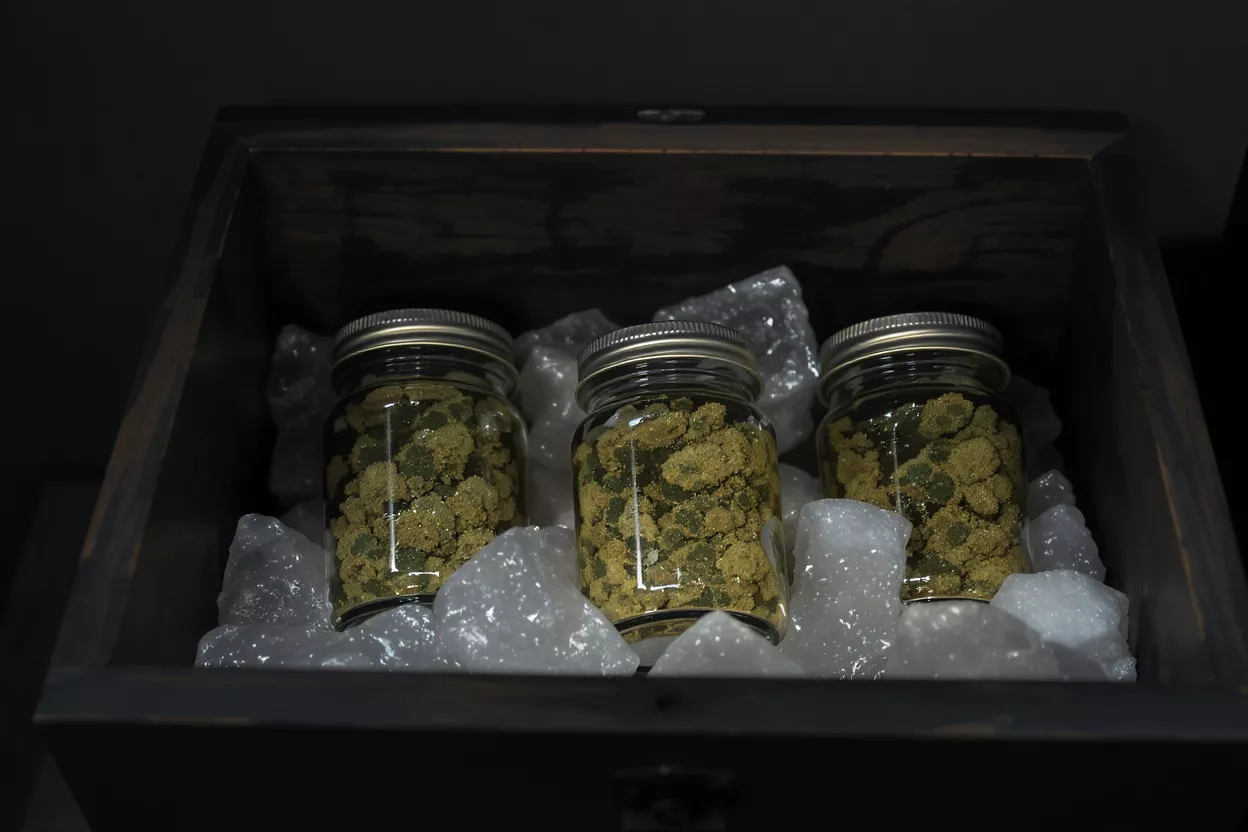
- 🫙 Use airtight containers: Silicone or glass jars limit oxygen and moisture contact.
- 🌑 Keep it dark: Block UV light that degrades terpenes and cannabinoids.
- ✋ Handle minimally: Let slabs rest undisturbed to avoid agitation and heat transfer.
- 📦 Portion ahead: Break off what you need to limit repeated warming of the whole slab.
Is Auto-Buddered Shatter Safe to Use
Auto-buddered shatter is completely safe to consume. The texture change is a harmless physical transformation, not a sign of spoilage, mold, or contamination. The cannabinoids and the overall safety profile remain intact, so a buddered slab can be dabbed or vaped exactly as you would the original glassy product.
It is worth distinguishing buddering from genuine degradation. True spoilage in a concentrate would present as visible mold, an off or sour smell, or a sharp departure from the expected aroma. Ordinary auto-buddering simply shifts color toward a creamy opacity and softens the texture while keeping a normal cannabis scent.
If anything, many seasoned users welcome a little buddering because the resulting texture is easier to manipulate. As long as the product was clean and properly made to begin with, the journey from glass to budder is a natural chapter in its life rather than a warning sign.
Auto-Buddering Key Takeaways for Consumers
Auto-buddering is normal, expected, and harmless. It reflects the natural tendency of cannabis concentrates to move from a metastable glassy state toward a more stable, butter-like configuration. Heat, agitation, residual moisture, and high terpene content all push the process along, while cold and careful storage hold it back.
The most reassuring takeaway is that potency stays essentially the same throughout the transition. What changes is appearance, texture, and sometimes flavor intensity, none of which compromise the value or safety of your concentrate. Reading these cues simply helps you understand what your extract is telling you.
Armed with this knowledge, you can store your shatter to preserve its clarity, recognize buddering for the natural process it is, and enjoy your concentrate whether it stays glassy or softens into budder. Understanding the chemistry transforms a once-confusing change into a predictable, manageable part of the concentrate experience.
Comments