Capsaicin
Discover how capsaicin works with cannabis for pain relief.
What Is Capsaicin in Cannabis?
The fiery heat of a chili pepper and the soothing relief of a cannabis topical may seem worlds apart, yet the conversation around capsaicin cannabis sits squarely at their intersection. Capsaicin is the active compound responsible for the burning sensation chili peppers produce, and its growing relevance in cannabis-adjacent wellness products has made it a term worth understanding. As researchers map out how plant compounds interact with the human body, capsaicin has emerged as a fascinating point of comparison and, increasingly, collaboration with cannabinoids.
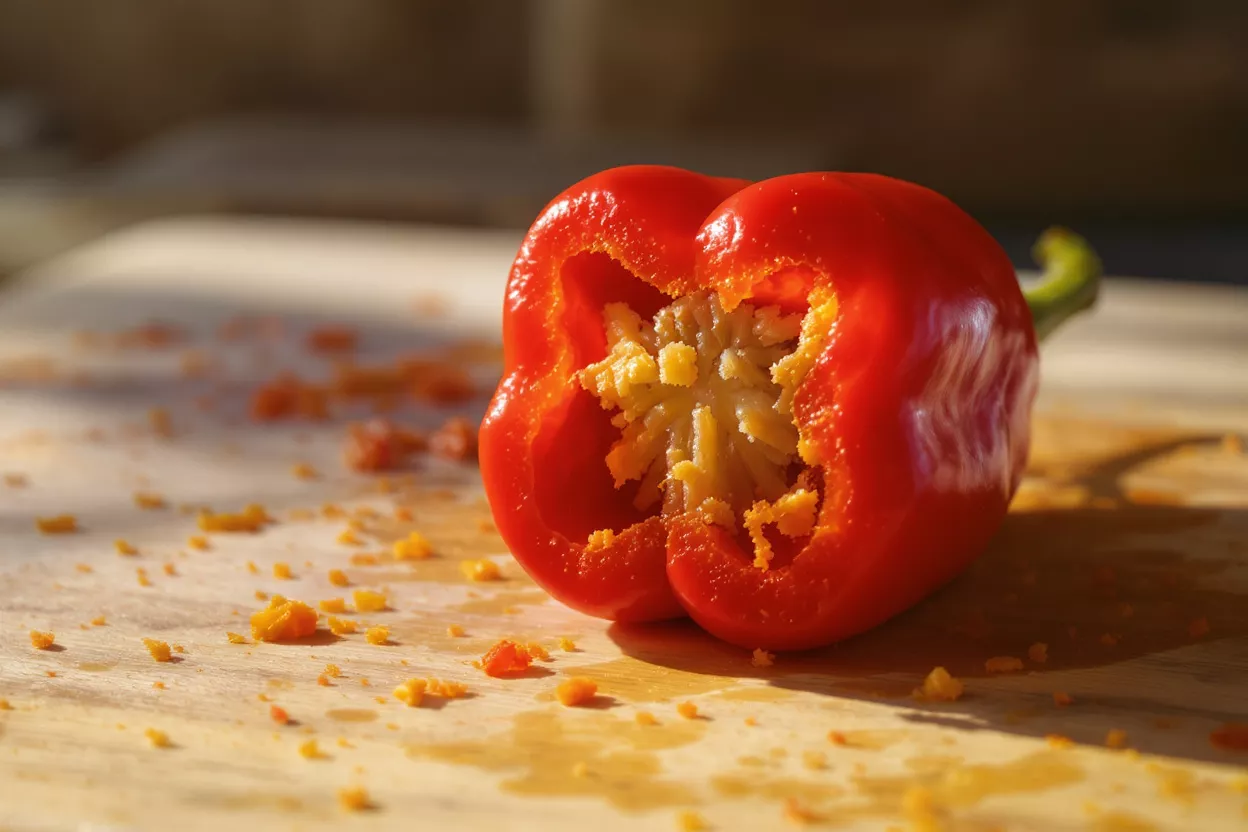
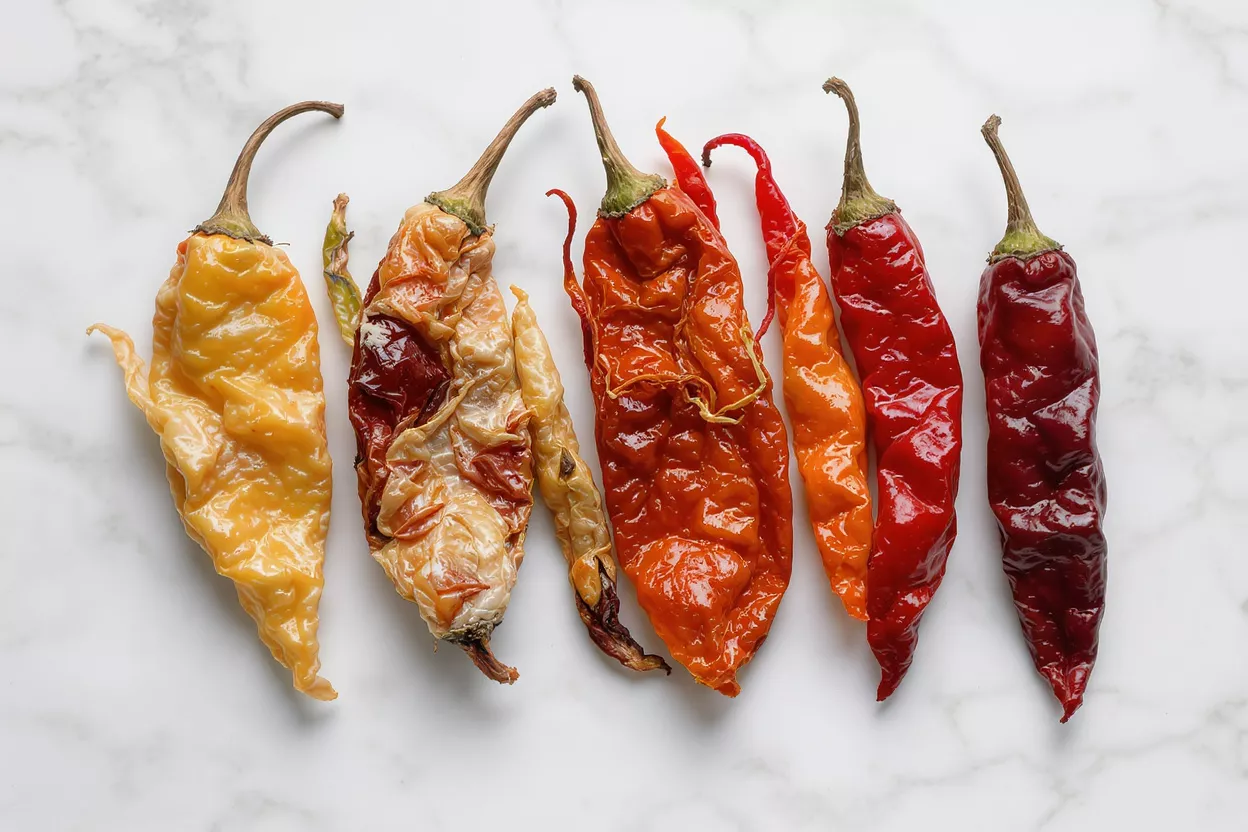
Capsaicin belongs to a family of molecules called capsaicinoids, naturally occurring in the genus Capsicum. It is a colorless, odorless crystalline compound that binds to specific receptors in our nervous system, triggering the perception of heat even when no actual temperature change occurs. This deceptively simple mechanism is what powers its use in everything from culinary spices to topical pain relievers found alongside cannabis products on dispensary shelves.
Why does capsaicin matter to cannabis consumers? The answer lies in overlapping biology. Both capsaicin and certain cannabinoids influence the body's pain-signaling and inflammation pathways. Formulators have begun combining the two in topical products, hoping to harness complementary effects. Understanding capsaicin gives you a clearer picture of why these blended formulas exist and how they aim to work.
How Capsaicin Works in the Body
Capsaicin's effects all trace back to a single receptor: TRPV1, sometimes called the capsaicin receptor or vanilloid receptor. This protein sits on the surface of sensory nerve endings and normally responds to genuine heat above roughly 43°C. When capsaicin binds to TRPV1, it opens the receptor's ion channel, flooding the nerve with calcium and sodium and firing off a signal the brain interprets as burning heat.
The desensitization effect is what makes capsaicin medically interesting. After repeated or prolonged exposure, TRPV1-rich nerve fibers become depleted of a neurotransmitter called substance P, which carries pain messages to the brain. The result is a temporary reduction in the nerve's ability to signal pain. This is precisely why capsaicin creams can calm aching joints and muscles after the initial warming sensation fades.
This dual nature, an initial burn followed by relief, separates capsaicin from many other topical agents. The body essentially recalibrates its pain threshold in the treated area. Importantly, capsaicin does not damage the nerves; the effect is reversible, and sensation returns once treatment stops and substance P levels replenish over the following days.
Capsaicin and Cannabis: Shared Pathways
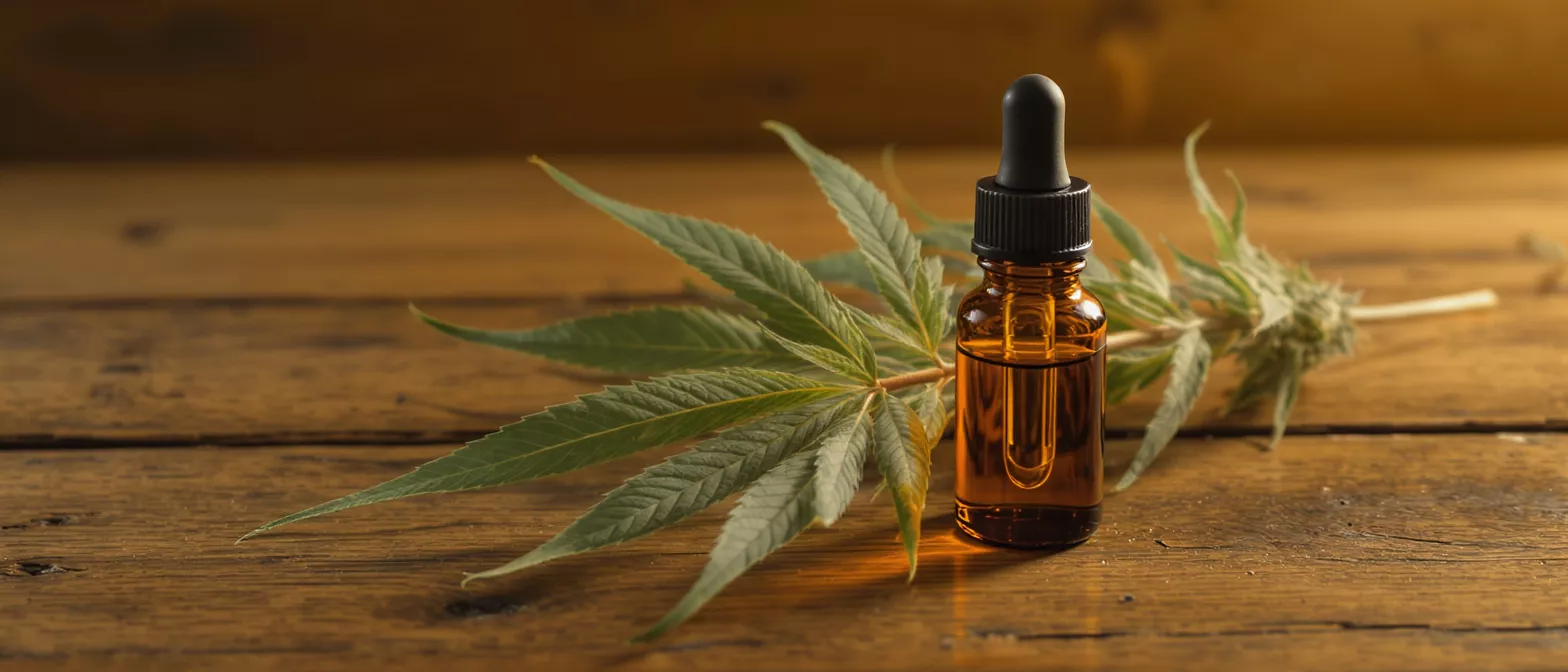
The link between capsaicin and cannabis is more than marketing. The TRPV1 receptor that capsaicin activates is part of a broader family of TRP channels that also respond to several cannabinoids. CBD, for example, interacts with TRPV1, which helps explain some of its reported effects on pain and inflammation that fall outside the classic endocannabinoid system.
Complementary pain modulation is the core rationale behind combining the two compounds. Where capsaicin depletes substance P to dial down pain signaling, cannabinoids like CBD and THC engage their own receptors to influence inflammation and the perception of discomfort. Formulators theorize that hitting multiple pathways at once may produce broader relief than either compound alone.
This convergence has practical implications for product design. A topical that pairs capsaicin's warming, counter-irritant action with the anti-inflammatory potential of cannabinoids targets pain from two distinct angles. While robust clinical trials on these specific combinations remain limited, the underlying biology gives the approach a credible scientific footing rather than relying on novelty alone.
Types of Capsaicinoids Explained
Capsaicin is the most famous member of its chemical family, but it does not act alone. Capsaicinoids are a group of related compounds, each contributing to the overall heat and effect profile of a chili pepper or an extract. Understanding the spread helps clarify why concentrations and potencies vary so widely across products.
The major capsaicinoids you may encounter include the following:
- 🌶️ Capsaicin: The dominant compound, accounting for roughly 70% of the capsaicinoids in most chili peppers and responsible for the bulk of the heat.
- 🔥 Dihydrocapsaicin: The second most abundant, contributing around 20% and delivering a similarly sharp, persistent burn.
- 🌱 Nordihydrocapsaicin: A milder relative that produces a less intense, more fleeting heat sensation.
- 💧 Homocapsaicin and homodihydrocapsaicin: Trace capsaicinoids present in small amounts that round out the overall profile.
Synthetic and standardized capsaicin is also produced for pharmaceutical and topical use, ensuring consistent dosing that natural pepper extracts cannot always guarantee. When you see a capsaicin percentage listed on a topical cannabis product, it usually refers to purified capsaicin rather than a whole-pepper extract, allowing precise and repeatable formulation.
Capsaicin Benefits for Pain Relief
The most established use of capsaicin is in managing pain, and the evidence base here is considerably stronger than for many trendy wellness compounds. Topical capsaicin has been studied for decades and is recognized in clinical settings for several specific conditions, lending real credibility to its presence in cannabis-adjacent products.
Neuropathic pain relief is one of capsaicin's standout applications. High-concentration capsaicin patches are used clinically for nerve-related pain conditions, including post-shingles neuralgia and certain forms of diabetic nerve pain. By desensitizing overactive pain fibers, capsaicin can offer relief where conventional analgesics fall short.
Joint and muscle discomfort represents the everyday side of capsaicin use. Over-the-counter creams target arthritis-related aches, muscle strains, and general soreness. The mechanism is the same desensitization process, applied to more common complaints. Key benefits reported across both clinical and consumer use include:
- 🎯 Targeted application: Acts locally where applied without significant systemic absorption.
- ⏱️ Lasting relief: Effects can persist for hours to days as substance P stays depleted.
- 🧴 Non-opioid option: Provides a drug-free alternative or complement for managing chronic discomfort.
- 🔄 Reversible action: No permanent nerve damage; sensation returns after stopping use.
It is worth setting realistic expectations. Capsaicin works best as part of a broader pain-management plan and rarely eliminates discomfort entirely on its own. Consistency matters more than intensity, since the desensitization effect builds with regular application rather than a single dose.
Capsaicin Cannabis Topicals and Creams
Topical formulations are where capsaicin and cannabis most often meet in the real world. These products are applied directly to the skin, allowing both compounds to act locally without entering the bloodstream in meaningful amounts. For consumers seeking targeted relief without intoxication, capsaicin cannabis topicals occupy an appealing niche.
A typical blended topical combines a measured capsaicin concentration with a cannabinoid extract, often CBD-dominant, suspended in a balm, cream, or lotion base. The capsaicin delivers its characteristic warming and counter-irritant effect while the cannabinoids contribute their own anti-inflammatory potential. The combination is designed for spot treatment of sore joints, tired muscles, and localized aches.
Choosing the right topical comes down to matching the formula to your needs. Lower capsaicin concentrations suit sensitive skin and first-time users, while higher concentrations target stubborn, deep-seated discomfort. Pay attention to the cannabinoid profile as well, since a full-spectrum extract delivers a wider range of compounds than an isolate-based product. Always patch-test a new topical on a small area before broader application.
Is Capsaicin Safe to Use?
Capsaicin enjoys a long history of safe use, both as a food ingredient and a topical medicine, but that does not mean it is without considerations. The same potency that makes it effective also makes it capable of causing discomfort when handled carelessly. Understanding the safety profile helps you use capsaicin cannabis products confidently.
Common side effects are almost always local and temporary. The most frequent is a warming or burning sensation at the application site, which typically fades within an hour and diminishes with repeated use. Some people experience redness or mild irritation, particularly with higher concentrations. These reactions are expected and generally not a cause for concern.
The cardinal rule with capsaicin is to keep it away from sensitive areas. Avoid contact with the eyes, nose, mouth, and broken or irritated skin, and wash your hands thoroughly after application unless you are treating them directly. Anyone who is pregnant, nursing, or managing a chronic condition should consult a healthcare provider before adding a new capsaicin product, especially one combined with cannabinoids, to their routine.
Capsaicin Dosing and Concentration Guide
Unlike ingestible cannabis products measured in milligrams, topical capsaicin is dosed by concentration, expressed as a percentage of the formula. Knowing how to read and interpret these figures is the key to comfortable, effective use, and it prevents the common mistake of starting too strong.
Capsaicin topicals generally fall into a few concentration tiers, each suited to different needs:
- 🟢 Low (0.025%): Gentle introduction ideal for sensitive skin, first-time users, and mild everyday aches.
- 🟡 Moderate (0.0375% to 0.075%): The common over-the-counter range for arthritis and general muscle soreness.
- 🔴 High (0.1% and above): Stronger consumer formulas for persistent discomfort, used cautiously.
- ⚕️ Clinical (8% patches): Prescription-strength applications administered under medical supervision for neuropathic pain.
Building tolerance gradually is the smartest approach. Start at the lowest concentration and apply a thin layer two to four times daily as directed. The warming sensation feels strongest in the first few days, then subsides as your nerves desensitize. Resist the urge to jump to a higher strength before giving a lower one a fair trial of one to two weeks.
When using a combination capsaicin and cannabis topical, follow the product's specific guidance, since the cannabinoid content does not change how you dose the capsaicin component. Consistency and patience deliver better results than aggressive application, which mostly increases the burning sensation without improving relief.
Capsaicin in Cannabis Research Trends
Scientific interest in capsaicin and its relationship to the cannabis plant continues to grow as researchers explore the broader landscape of plant-based pain relief. The shared involvement of TRPV1 receptors has made capsaicin a useful reference point for understanding how cannabinoids exert effects beyond their primary receptor targets.
Investigating combination therapies sits at the leading edge of this work. Researchers are examining whether pairing TRPV1-active compounds with cannabinoids can produce synergistic pain relief, potentially lowering the dose of each needed for an effect. This line of inquiry could eventually inform more sophisticated topical formulations grounded in clinical data rather than theory.
There is also expanding curiosity about capsaicin's role in inflammation research. Because both capsaicin and several cannabinoids modulate inflammatory signaling, scientists are studying how these pathways intersect at the cellular level. While much of this work remains preclinical, it reflects a genuine and growing recognition that the chili pepper and the cannabis plant share more biological common ground than their reputations would suggest.
Capsaicin Cannabis FAQs and Takeaways
Bringing the threads together, capsaicin is far more than the source of a chili pepper's heat. Its well-documented interaction with the TRPV1 receptor gives it a legitimate role in pain management, and its overlap with cannabinoid pathways explains why it increasingly appears in cannabis topicals. For consumers, the appeal lies in targeted, non-intoxicating relief.
Will a capsaicin cannabis topical get you high? No. Topical products applied to the skin do not deliver cannabinoids into the bloodstream in amounts sufficient to cause intoxication, and capsaicin itself has no psychoactive properties. These products are designed purely for localized comfort, not for the effects associated with consuming cannabis.
Is capsaicin worth trying alongside cannabis? For people managing joint or muscle discomfort who prefer a topical, drug-free approach, the combination offers a scientifically grounded option that targets pain through complementary mechanisms. As always, start low, patch-test, and consult a healthcare provider if you have underlying conditions. Capsaicin's enduring presence in both the kitchen and the medicine cabinet is a testament to a simple molecule with a remarkably broad reach, and its partnership with cannabis represents a thoughtful evolution rather than a passing trend.