

Carb cap
Learn how a carb cap transforms low-temp dabbing.
What Is a Carb Cap and Why It Matters
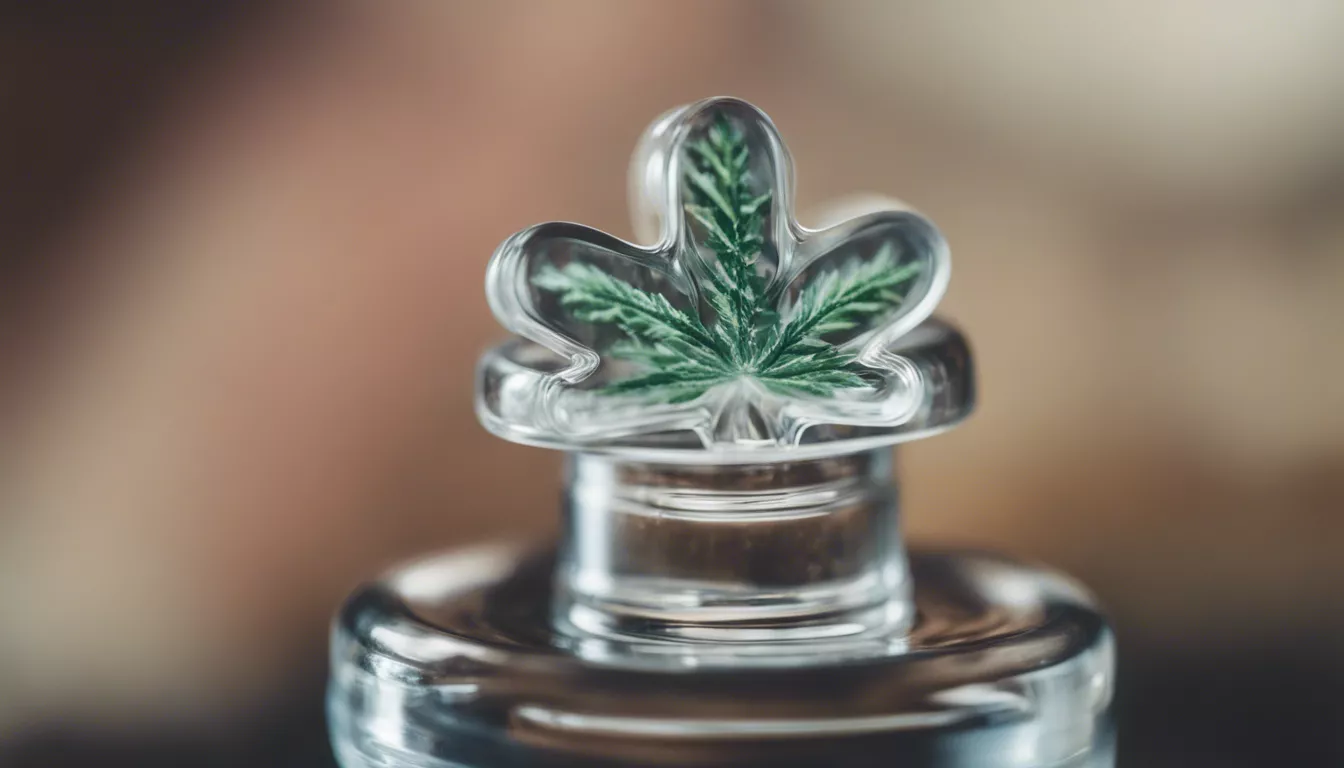
A carb cap is a small accessory that rests over the bowl of a banger or nail while you vaporize cannabis concentrates, and despite its modest size it reshapes the entire dabbing experience. Functionally, it acts as a lid that restricts airflow and traps heat inside the chamber, allowing your extract to vaporize more completely at a far lower temperature than it would on an open nail. For anyone working with live resin, rosin, or terpene-rich sauce, this tool is the dividing line between scorched, throat-burning hits and smooth vapor that actually tastes like the extract it came from.
The idea is borrowed from the carburetor logic found on classic glass pipes, where covering and releasing a hole governs airflow. On a dab rig, the carb cap performs that same job with surgical precision. By managing the pressure inside the banger, it effectively lowers the boiling point of the concentrate, which means fragile aromatic compounds like Nerolidol survive the heat instead of being incinerated and lost.
Why low-temperature dabbing leans on this tool so heavily: Without a cap, much of your concentrate pools and evaporates inefficiently at high heat, sending flavor and potency up in smoke. Sealing the chamber creates a controlled micro-environment where you dictate the conditions. Coverage from GoodRx notes that the temperature at which cannabis compounds are heated meaningfully changes what reaches the user, and a carb cap hands you direct command over that single most important variable.
How Does a Carb Cap Work on a Banger
The mechanics of a carb cap come down to basic pressure physics. When you cap a hot banger, you shrink the volume of air the vapor can occupy and choke off the supply of fresh oxygen. That lowered-pressure environment coaxes the concentrate to vaporize below its normal boiling point, so you pull more vapor from less heat. The payoff is a fuller, cooler draw that neither punishes your throat nor leaves valuable material behind.
Airflow direction is the other half of the story. Most caps include a directional port or a spinning element that channels air across the floor of the banger. That moving air nudges the puddle of concentrate around the heated quartz, guaranteeing even contact and eliminating the cold spots where extract would otherwise sit untouched. A well-designed directional cap makes that motion almost effortless, letting you steer the dab toward the hottest part of the dish.
Why timing and heat retention decide the outcome: Cap too early and you trap excess heat that scorches the dab; cap too late and vapor simply escapes into the air. The cap also holds residual heat, stretching the usable window of a single dab so you can finish it without a reheat. Wellness reporting from GoodRx reinforces that controlled heating preserves more of the beneficial plant compounds, which is precisely what disciplined capping technique delivers in practice.
Types of Carb Caps Explained
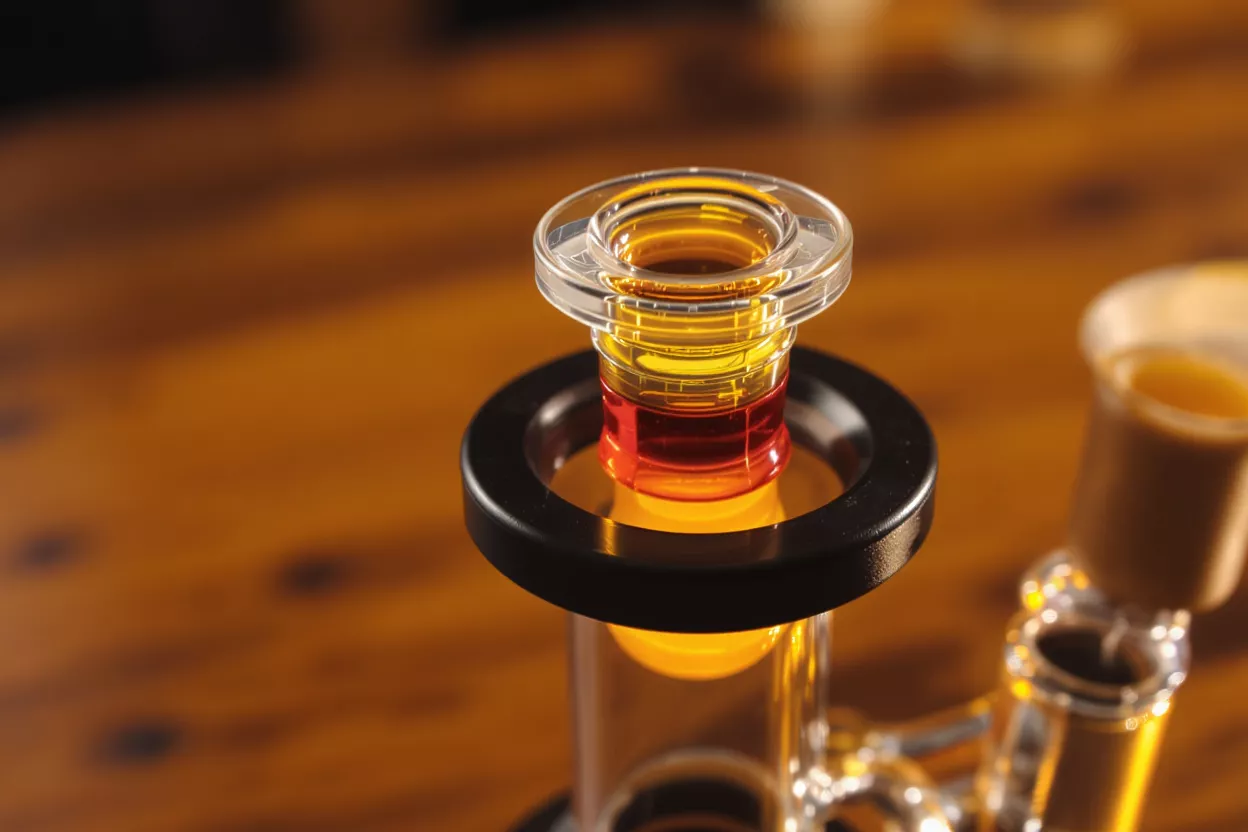
Carb caps arrive in several distinct designs, each tuned to a particular banger style and dabbing habit. Learning the categories lets you match the cap to your setup instead of guessing at the counter. The main types differ in how they steer airflow and how snugly they seal against the banger's opening, and those two traits drive nearly all of the performance differences you will notice.
Here is a quick breakdown of the primary styles you will run into on the market today:
- 🌀 Directional caps: An angled tube lets you aim airflow exactly where the concentrate sits, perfect for tilting puddles toward the hottest spots in the dish.
- 🔵 Bubble caps: A spherical glass design that seats on flat-top bangers and often pairs with a terp pearl for extra agitation.
- 💎 Flat caps: Simple disc-style caps that drop over the opening, prized for their minimalism and dependable seal.
- 🔄 Spinner caps: Engineered to drive terp pearls in a tight circular motion, maximizing how much of the dish the extract touches.
Your decision hinges largely on banger geometry. A flat-top quartz banger pairs naturally with a bubble or spinner cap, while round-bottom designs often call for a directional model that can reach the curved floor. Matching the cap to the banger ensures the tight seal that makes low-temp performance possible in the first place, so geometry should guide the purchase before aesthetics ever enter the conversation.
Using a Carb Cap for Low Temp Dabs
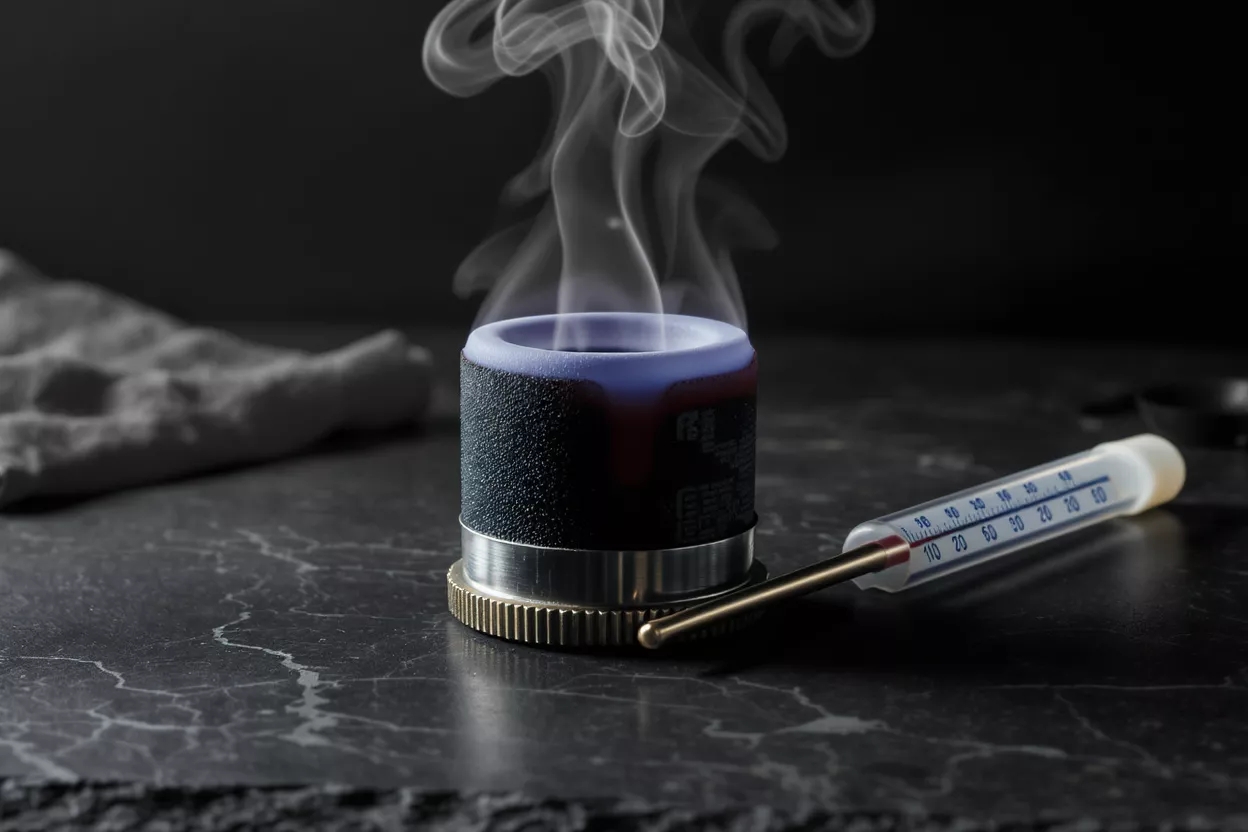
Low-temperature dabbing is where the carb cap genuinely earns its place in your kit. Rather than blasting the banger until it glows and torching the concentrate, you heat it, let it cool to a target window, drop the dab, and immediately cap. This method generally lives in the 450–550°F range, preserving the volatile flavor compounds that vanish almost entirely above 600°F.
How to find your ideal temperature window: Different extracts respond to different heat. Lighter materials such as high-terpene sauce shine at cooler temperatures, while a denser badder or budder tolerates a touch more. A timer or an infrared temperature reader strips out the guesswork, and many dabbers add a quartz insert and terp pearl to their banger to fine-tune heat retention even further before the cap goes on.
Patience is the quiet ingredient here. Once you cap, slow and steady inhalation gives the reduced pressure room to work, drawing out vapor as the surface temperature gradually falls. Reporting from GoodRx on cannabis consumption notes that lower-temperature methods tend to deliver a cleaner experience, and the carb cap is the mechanical key that turns consistent low-temp dabbing into something an everyday user can actually pull off.
Carb Cap vs No Carb Cap: What Actually Changes
Dabbing without a carb cap is entirely possible, but the experience changes dramatically. With no cap, vapor escapes freely and the banger cools in seconds, leaving puddles of unvaporized concentrate clinging to the quartz. You burn through material faster and surrender both flavor and efficiency in the bargain, which stings most when you are working with extracts that cost real money per gram.
With a cap in place, the sealed environment rewrites the whole equation. Vapor production grows denser, heat lingers far longer, and you reclaim nearly all of the concentrate you loaded. The contrast is sharpest with premium extracts where every milligram carries weight and wasted material translates directly to wasted money.
Consider the practical differences laid out side by side:
- 💨 Vapor density: Capped dabs produce thicker, more flavorful clouds, while uncapped dabs feel thin and dissipate almost instantly.
- 🌡️ Heat retention: A cap stretches the usable heat window; an open banger cools within a handful of seconds.
- ♻️ Efficiency: Capping vaporizes nearly all of the material, whereas skipping it leaves residue and squanders concentrate.
- 👅 Flavor: Low-temp capped hits preserve terpenes, while uncapped high-temp hits often arrive tasting burnt.
Best Carb Cap for Quartz Bangers
Quartz bangers are the gold standard for flavor-focused dabbing, and pairing one with the right carb cap unlocks their full potential. The best cap for a quartz banger forms an airtight seal while still allowing precise airflow control, and quartz or borosilicate glass caps lead the field thanks to their durability and neutral, clean taste.
What to look for in a quality carb cap: Seal fit sits at the top of the list, so measure your banger's inner and outer diameter before you buy anything. A directional airflow port adds versatility, and a comfortable handle keeps your fingers clear of the scorching surface. Many dabbers gravitate toward a borosilicate bubble cap for its clear visibility, which lets them watch the concentrate vaporize in real time and pull the moment it runs dry.
Material quality matters as much as the design itself. Cheap caps can crack under thermal shock or impart off flavors, undermining the very purity you chase with low-temp dabs. Investing in a well-made cap from a reputable maker protects both your sessions and your concentrates, much the way a fine micron screen protects a careful hash wash from contamination.
Carb Cap Techniques for Better Flavor
Technique is what separates a forgettable dab from an exceptional one. The first principle is the cap-and-spin: once the dab is loaded and capped, gently rotate the directional port to push the puddle around the banger floor. Keeping the concentrate in motion across the hottest quartz vaporizes it evenly and coaxes out every last note of flavor.
Timing the cap is just as critical. Apply it the instant the concentrate begins to bubble, neither before nor long after. Cap too soon and trapped heat scorches the extract; wait too long and vapor and flavor drift off into the open air. With a little practice the rhythm becomes second nature, and the smoothness of your draw grows reliably consistent rather than hit-or-miss.
Pairing terp pearls with your cap: Dropping one or two terp pearls into the banger before you dab adds mechanical agitation that a cap alone cannot provide. As you spin the cap, the pearls roll and spread the concentrate thin, dramatically increasing surface contact with the heated quartz. This pairing is arguably the single most effective upgrade for flavor chasers working with sauce, jelly hash, and other terpene-rich extracts.
Carb Cap Materials Compared
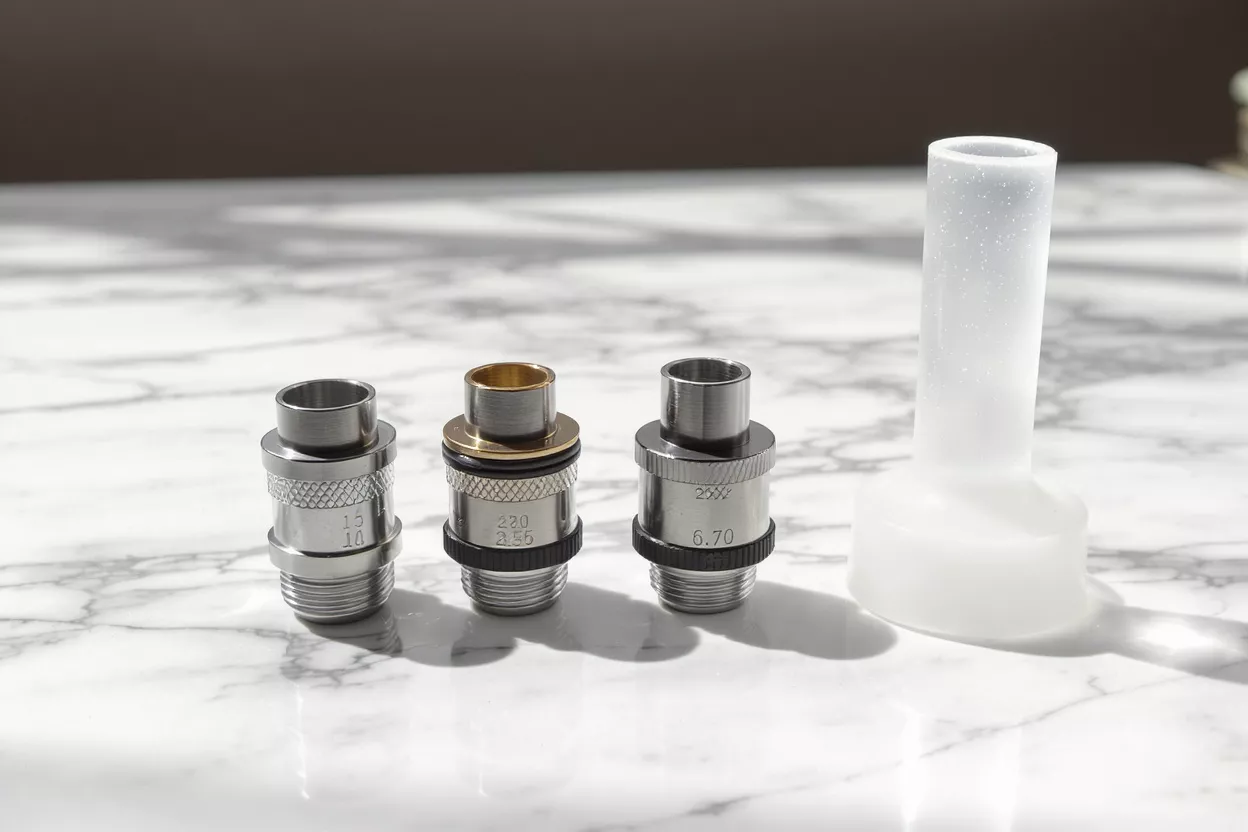
The material your carb cap is made from shapes its performance, its lifespan, and even the taste of your dabs. Quartz, borosilicate glass, titanium, and ceramic each bring distinct properties to the table, and understanding their trade-offs steers you toward a cap that actually suits your habits rather than one that simply looks good in the case.
Quartz and borosilicate glass remain the favorites among flavor purists because they are chemically inert and impart no taste of their own. Titanium is nearly indestructible and a natural choice for travel, though some users detect a faint metallic note when it has not been properly seasoned. Ceramic offers superb heat retention and a clean taste, but it tends to be more fragile and slower to react to temperature changes.
Here is how the common materials stack up at a glance:
- 🪟 Glass and quartz: Pure flavor and easy to clean, but vulnerable to cracking if dropped on a hard surface.
- 🛡️ Titanium: Nearly unbreakable and travel-friendly, with a slight risk of metallic taste if unseasoned.
- 🏺 Ceramic: Outstanding heat retention and clean flavor, though delicate and slow to adjust to temperature shifts.
For most home dabbers chasing the cleanest possible expression of their extract, quartz or borosilicate glass is the sensible default. The choice ultimately mirrors broader decisions across cannabis culture, where purity and craftsmanship guide everything from concentrate selection to the very tools used to consume it.
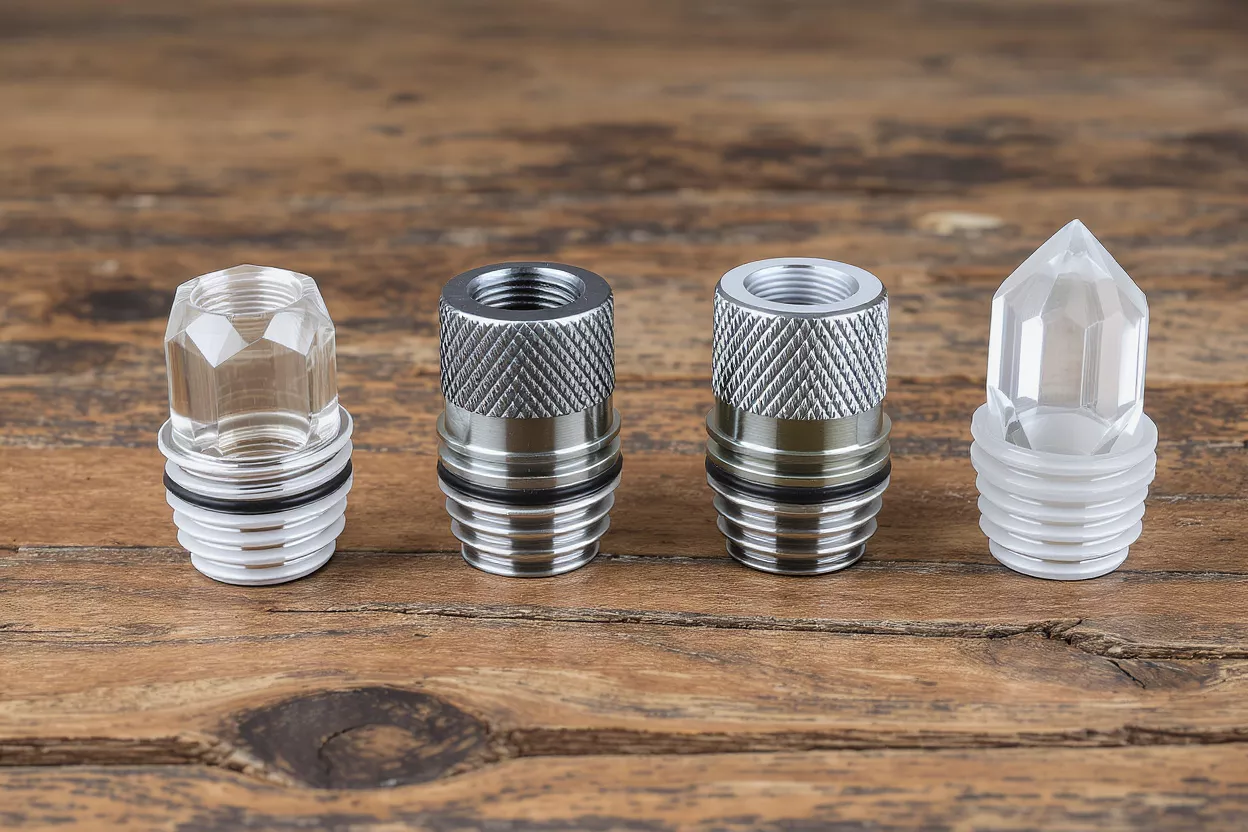
How to Clean a Carb Cap
A clean carb cap is essential for preserving flavor and maintaining a proper seal. Residue buildup not only tastes stale but also interferes with airflow and creates cold spots that sabotage vaporization. The good news is that keeping a cap clean takes very little effort as long as you stay consistent about it.
The swab-and-soak routine: After each session, while the banger is still warm but no longer scorching, wipe the cap with an isopropyl alcohol cotton swab to lift fresh residue before it hardens into a stubborn film. For a deeper clean, soak the cap in isopropyl alcohol for several minutes, then rinse it thoroughly with warm water and let it dry completely before the next use.
Steer clear of harsh abrasives that scratch glass or quartz surfaces, because those scratches harbor residue and weaken the material over time. A gentle, regular routine extends the life of your cap considerably. Health resources like GoodRx consistently stress that clean consumption equipment reduces exposure to unwanted byproducts, a principle that applies just as squarely to dabbing tools as it does to any other consumption method.
Common Carb Cap Mistakes to Avoid
Even seasoned dabbers drift into bad habits that quietly undermine their results. The most frequent error is overheating the banger before capping, which torches the concentrate and destroys the very terpenes you paid a premium to enjoy. Letting the banger cool to the correct window before loading is the single simplest fix and often the most overlooked one.
Another common misstep is reaching for a cap that does not fit the banger. An ill-fitting cap leaks air, erases the pressure advantage, and leaves vapor and flavor sitting on the table. Always confirm that your banger and cap dimensions match before committing to a purchase, and treat fit with the same seriousness you give material quality.
Keep these pitfalls front of mind as you refine your routine:
- 🔥 Overheating: Scorches the concentrate and burns off terpenes; always cool to your target window first.
- 📏 Poor fit: A loose cap breaks the seal and ruins low-temp performance entirely.
- 🧽 Neglecting cleaning: Residue buildup degrades flavor and clogs airflow over time.
- ⏱️ Bad timing: Capping too early or too late sacrifices both vapor and taste.
Mastering the carb cap is one of the most rewarding upgrades a dabber can make. From the pressure physics that lower vaporization temperatures to the choice of material and the perfecting of your capping rhythm, every detail compounds into a noticeably better session. Treat your cap as the precision instrument it truly is, keep it clean, match it carefully to your banger, and let it turn each concentrate into a flavorful, efficient ritual worth savoring.





Comments