

CBDA
Discover what CBDA is, how it converts to CBD, and why it matters.
What Is CBDA (Cannabidiolic Acid)?
CBDA (cannabidiolic acid) is the naturally occurring acidic precursor to CBD, found abundantly in raw, living cannabis and hemp plants. Before a flower is dried, cured, or heated, the cannabinoids it contains exist almost entirely in their acidic forms. CBDA is what the plant actually produces; CBD is what we get after the acid molecule loses its carboxyl group through processing or combustion.
Understanding CBDA matters because so much of the conversation around hemp focuses on the finished, activated compounds while ignoring the raw chemistry that comes first. When you look at a freshly harvested high-CBD plant, you are looking at a reservoir of CBDA rather than CBD. The distinction shapes everything from how products are made to how the compound behaves once it reaches your body.
This guide breaks down where CBDA comes from, how it transforms into the more familiar CBD, what early research suggests about its activity, and how to preserve it if you want the raw molecule rather than its heated counterpart.
How CBDA Converts Into CBD Through Decarboxylation
The conversion from CBDA to CBD is driven by a chemical reaction called decarboxylation. Each CBDA molecule carries an extra carboxyl group (a cluster of carbon, oxygen, and hydrogen atoms). When that group is exposed to sufficient heat over time, it breaks away and escapes as carbon dioxide, leaving behind the neutral CBD molecule. This single step is the dividing line between raw and active cannabinoid chemistry.
Heat is the most common trigger, but it is not the only one. Time, light, and air exposure all gradually nudge CBDA toward CBD even at room temperature, which is why aged or improperly stored hemp slowly loses its acidic content. Smoking and vaporizing accomplish the conversion almost instantly, while baking flower into an edible relies on a slower, lower-temperature decarb to avoid degrading the cannabinoids further.
For anyone making products at home, the takeaway is straightforward: if you want CBD, you apply heat; if you want to keep CBDA intact, you avoid it. The temperature and duration you choose determine exactly how much of the raw acid survives.
Where CBDA Is Found in the Cannabis Plant
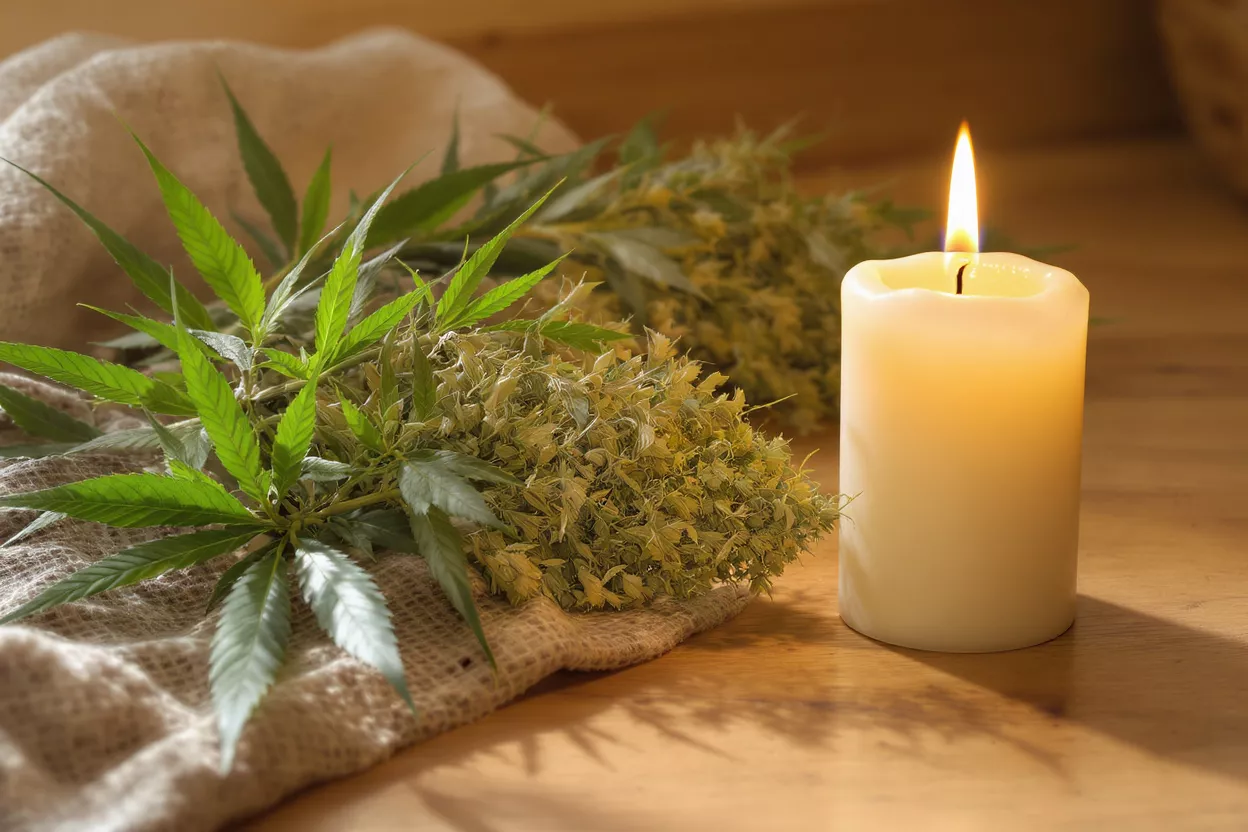
CBDA originates in the resinous trichomes that coat the flowers and surrounding leaves of high-CBD cannabis and hemp cultivars. These tiny glandular structures are the plant's chemical factories, synthesizing cannabinoid acids as a natural part of its life cycle. In a living plant, the overwhelming majority of CBD-family content exists as CBDA rather than activated CBD.
The biosynthetic pathway starts with a shared precursor. The plant first produces CBGA, often called the "mother cannabinoid," then uses a specific enzyme to convert it into CBDA. The same CBGA pool can instead be steered toward THCA or CBCA depending on which enzymes a given cultivar expresses, which is why hemp strains rich in CBDA produce very little THC.
Concentrations of CBDA are highest in fresh, undried material. The richest sources of raw CBDA include:
- 🌿 Fresh hemp flower: Live, uncured buds from CBD-dominant cultivars carry the densest CBDA load.
- 🍃 Raw fan and sugar leaves: Often juiced for raw cannabinoid intake without psychoactivity.
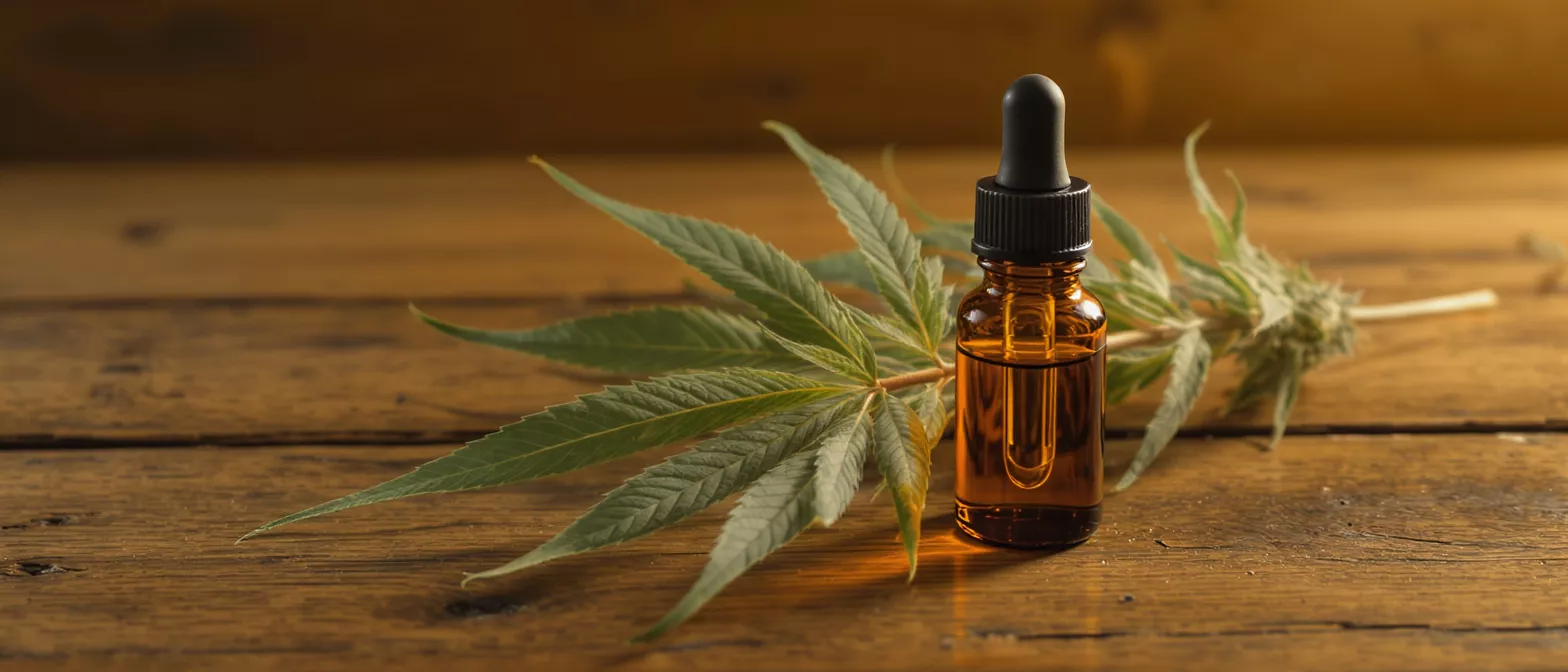
- 💧 Cold-pressed extracts: Unheated oils and tinctures that preserve the acidic form.
- 🌱 Sprouts and young plants: Early-stage growth already producing measurable cannabinoid acids.
CBDA vs CBD: Key Differences Explained
The core difference between CBDA and CBD is one carboxyl group and everything that follows from it. Structurally they are nearly identical, yet that small molecular distinction changes how each compound interacts with biological targets, how it is absorbed, and how stable it is during storage. CBDA is the raw, unstable parent; CBD is the heated, shelf-stable product.
Neither compound is intoxicating. Like CBD, CBDA does not produce the high associated with THC, because it does not bind strongly to the brain's CB1 receptors. That makes both molecules attractive to people seeking the potential benefits of cannabis chemistry without impairment.
Here is how the two compare at a glance:
- 🧪 Chemical state: CBDA is acidic and raw; CBD is neutral and activated.
- 🔥 Heat response: CBDA converts to CBD when heated; CBD is already the end product.
- 📦 Stability: CBD stores far better; CBDA degrades faster with heat, light, and air.
- 🧬 Receptor activity: Early research suggests CBDA interacts with certain enzymes and serotonin receptors differently than CBD.
- 🚫 Psychoactivity: Neither produces a high.
What Does CBDA Do in the Body?
CBDA does not interact with the endocannabinoid system the same way THC does. Instead of binding directly to cannabinoid receptors with high affinity, the raw acid appears to influence other pathways, which is part of why researchers find it so intriguing as a distinct molecule rather than a simple stand-in for CBD.
One of the most studied interactions involves the COX-2 enzyme. COX-2 is involved in the body's inflammatory response, and laboratory studies have observed that CBDA can inhibit it, drawing structural comparisons to how certain anti-inflammatory drugs work. This is preliminary, mechanism-level research rather than clinical proof, but it points to why CBDA is treated as a compound worth investigating in its own right.
CBDA has also shown affinity for specific serotonin receptors in early studies, a pathway tied to nausea and mood regulation. Because the molecule appears to engage these targets at very low concentrations in some experimental models, scientists are particularly interested in whether it offers activity that activated CBD does not.
CBDA Research and Emerging Studies
Research into CBDA is still early but accelerating. For decades the acidic cannabinoids were largely dismissed as inactive precursors, discarded or converted before anyone studied them closely. Improved analytical methods and growing interest in the full spectrum of cannabis chemistry have since brought CBDA into laboratory focus.
Much of the existing work is preclinical, meaning it has been conducted in cell cultures and animal models rather than large human trials. These studies have explored CBDA's potential influence on nausea, inflammatory signaling, and certain receptor systems. The findings are promising enough to justify continued investigation, but they should be read as scientific groundwork rather than established medical fact.
One reason CBDA research has historically lagged is the molecule's instability. Studying a compound that spontaneously converts into something else under ordinary conditions is challenging, and earlier extraction methods often destroyed CBDA before it could be measured. Modern cold-processing and analytical techniques have made it far easier to isolate and examine the raw acid.
How to Consume CBDA Without Heating It
Preserving CBDA means avoiding the heat that would convert it. The most direct method is consuming raw cannabis material that has never been dried or cooked. Juicing fresh hemp leaves and flowers, for example, delivers CBDA in its native acidic form alongside the plant's other raw compounds, and has become a popular approach among raw cannabis enthusiasts.
Beyond juicing, several formats are designed specifically to keep the acid intact. Cold-pressed and raw-formulated tinctures use low-temperature processing so the cannabinoid profile stays acidic. Capsules and oils labeled as "raw" or "CBDA" are formulated the same way, letting you take a measured dose without preparing fresh plant material yourself.
Storage matters just as much as preparation. Because light, air, and warmth all slowly degrade CBDA toward CBD, raw products should be kept cool, sealed, and out of direct sunlight. Refrigeration extends the life of fresh material and cold-pressed extracts considerably.
Is CBDA More Bioavailable Than CBD?
Bioavailability refers to how much of a compound actually reaches your bloodstream and active sites. Some preliminary research has suggested that CBDA may be absorbed more efficiently than CBD in certain models, potentially reaching higher relative concentrations from a smaller dose. If that holds up in broader human studies, it would make the raw acid a notably efficient way to deliver cannabinoid activity.
It is important to keep this in perspective. The comparison comes largely from early-stage research, and "more bioavailable" does not automatically mean "more effective" for any specific use. The two molecules also appear to engage somewhat different pathways, so they are not perfectly interchangeable even if absorption favors one over the other.
For consumers, the practical implication is that CBDA is not simply an inferior or unprocessed version of CBD waiting to be heated. It is a distinct compound with its own absorption profile and its own potential, which is exactly why raw cannabinoid products have carved out a dedicated audience.
CBDA Products and Formats to Look For
As interest in raw cannabinoids has grown, the market has responded with products built specifically to preserve CBDA. Reading labels carefully is essential, because a standard CBD product has, by definition, already been decarboxylated and contains little to no acidic content.
Look for language that signals raw, cold, or unheated processing. Terms like "CBDA," "raw," "cold-pressed," or "full acid spectrum" indicate that the manufacturer has taken steps to retain the parent molecule. A reputable brand will back these claims with a certificate of analysis showing measurable CBDA alongside CBD on the cannabinoid breakdown.
Common formats that preserve the raw acid include:
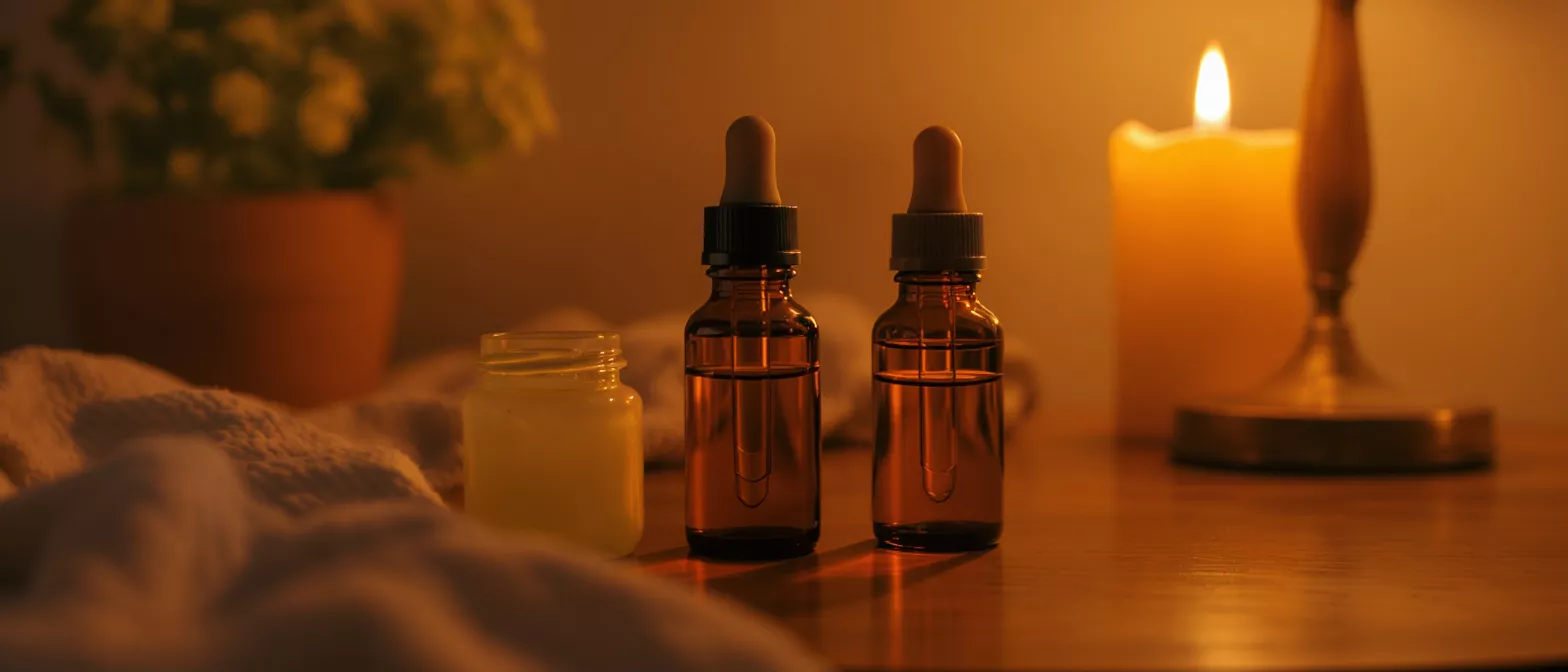
- 🧴 Raw tinctures: Cold-processed oils that list CBDA on the label and lab report.
- 💊 CBDA capsules: Pre-measured doses for consistent raw cannabinoid intake.
- 🥤 Fresh juice and smoothies: Made from raw, undried hemp leaf and flower.
- 🌾 Full-spectrum raw extracts: Concentrates that retain the complete acidic cannabinoid profile.
Is CBDA Safe and Legal?
CBDA shares the favorable safety reputation of CBD and is non-intoxicating. Because it does not bind strongly to CB1 receptors, it does not cause a high, and the cannabinoids in the CBD family are generally well tolerated. That said, formal human safety data on isolated CBDA specifically is still limited, so anyone with existing health conditions or taking medications should consult a healthcare professional before adding it to a routine.
Legality depends on the plant source and your jurisdiction. CBDA derived from hemp cultivars containing very low THC generally follows the same regulatory treatment as hemp-derived CBD, while material from higher-THC cannabis falls under cannabis regulations. Rules vary widely between countries and regions, so checking your local framework is always the responsible first step.
CBDA represents the raw, living chemistry of the cannabis plant before heat ever touches it. As the acidic precursor to CBD, it offers a distinct molecular profile, an absorption story that may differ meaningfully from its activated form, and a growing body of early research that treats it as far more than an inactive byproduct. Whether you juice fresh hemp, choose a cold-pressed tincture, or simply want to understand what is happening inside the plant, knowing CBDA gives you a clearer picture of how cannabinoids truly begin.

Comments