

CBDV
Discover CBDV, the minor cannabinoid with anti-seizure and neuroprotective potential.
What Is CBDV (Cannabidivarin)?
CBDV (cannabidivarin) is a non-intoxicating minor cannabinoid that has steadily moved from scientific obscurity to one of the most closely watched compounds in cannabis research. Structurally it is a close cousin of CBD, sharing nearly the same molecular architecture but with a shortened side chain. That subtle difference is enough to give CBDV its own distinct pharmacological character, which is precisely why neurologists and pharmaceutical developers have taken notice.
Like most minor cannabinoids, CBDV occurs in relatively low concentrations in commercial cannabis. It tends to appear in greater amounts in landrace indica varieties and in plants with low THC and elevated CBD profiles. Because it is a propyl cannabinoid, CBDV forms through a different biosynthetic pathway than the more common pentyl cannabinoids, which partly explains why most high-yield commercial strains contain so little of it.
Why CBDV is suddenly relevant: For years CBDV sat in the shadow of CBD, treated as little more than a chemical curiosity. The shift came when researchers identified its potential to influence neurological excitability, sparking clinical trials for epilepsy and autism spectrum conditions. Today CBDV represents a textbook case of how a once-overlooked cannabinoid can become a serious therapeutic candidate when the science finally catches up.
How CBDV Works in the Body
CBDV interacts with the endocannabinoid system differently than intoxicating cannabinoids. It has very low affinity for the CB1 receptor, the site responsible for the cerebral high associated with THC. This weak binding is the main reason CBDV produces no euphoria and why it is being explored specifically for its therapeutic, rather than recreational, value.
The TRPV1 connection: Much of CBDV's research interest centers on its activity at TRPV1 channels, which are involved in pain perception, temperature sensation, and neuronal excitability. By desensitizing these channels, CBDV may help calm the kind of overactive neuronal signaling that drives certain types of seizures. This mechanism sets it apart from cannabinoids that work primarily through classic cannabinoid receptors.
Beyond TRPV1, CBDV appears to influence gene expression related to neurological development, an area of particular interest in autism research. While the full picture is still being assembled, the early data suggests CBDV exerts its effects through several overlapping systems rather than a single receptor, which may explain the breadth of conditions it is being studied for.
CBDV vs CBD: Key Differences
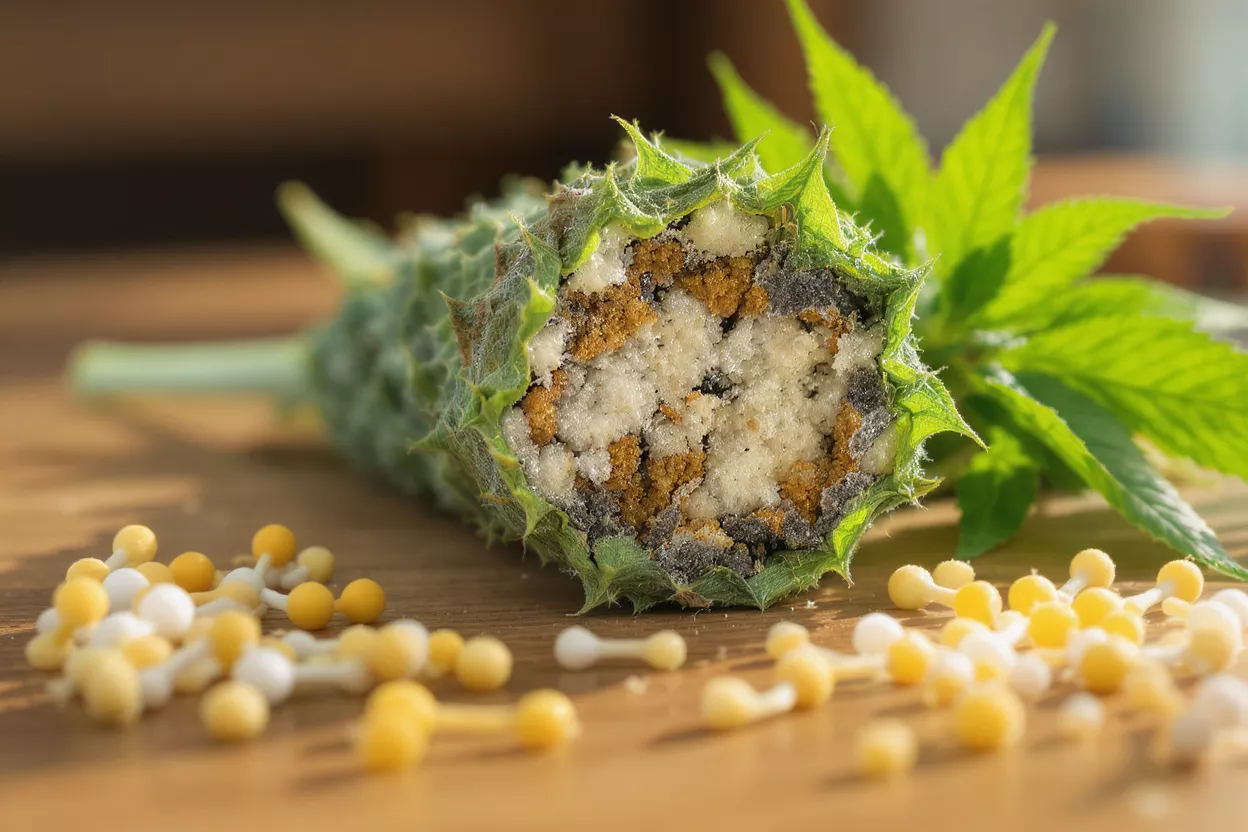
On paper, CBDV and CBD look almost identical, and they do share a similar overall effect profile: both are non-intoxicating, both show anticonvulsant promise, and both interact with non-cannabinoid receptor systems. The difference lies in the propyl versus pentyl side chain, a structural distinction that subtly alters how each molecule behaves in the body.
For consumers and patients trying to understand where CBDV fits, a side-by-side comparison helps clarify the practical distinctions:
- 🧬 Structure: CBDV carries a three-carbon propyl side chain; CBD has a five-carbon pentyl chain, making CBDV the "shorter" analog.
- 🌿 Abundance: CBD is plentiful in hemp and CBD-rich strains, while CBDV remains a minor component found mostly in specific landrace genetics.
- 🧠 Research focus: CBD has broad wellness applications; CBDV research is concentrated on neurological conditions like epilepsy and autism.
- ⚖️ Receptor activity: Both have low CB1 affinity, but CBDV's TRPV1 interaction is a defining feature of its anticonvulsant profile.
In short, CBDV should not be thought of as a replacement for CBD but as a specialized sibling. Where CBD has become a mainstream wellness ingredient, CBDV is carving out a niche as a targeted therapeutic candidate under serious clinical investigation.
CBDV and Seizure Research
The most advanced area of CBDV research is its potential as an anticonvulsant. Preclinical studies have repeatedly demonstrated that CBDV can reduce the frequency and severity of seizures across multiple animal models, including those mimicking temporal lobe and chemically induced epilepsy. These results were compelling enough to push CBDV into human clinical trials.
From bench to clinic: Pharmaceutical developers, most notably the company behind purified CBD epilepsy medications, advanced CBDV through trials aimed at drug-resistant forms of epilepsy. The rationale is straightforward: a cannabinoid that calms neuronal hyperexcitability without intoxication is an attractive option for patients who have not responded to conventional anti-epileptic drugs.
While not every trial has produced the dramatic results researchers hoped for, the body of evidence continues to support CBDV's anticonvulsant potential. The compound's clean side-effect profile and its distinct mechanism mean it remains a credible candidate, particularly as part of combination approaches rather than a standalone cure.

CBDV Medical Uses and Conditions
Although epilepsy drew the initial wave of attention, CBDV is now being investigated for a surprisingly wide range of conditions. Its influence on neurological signaling and inflammatory pathways makes it a compound of interest well beyond seizure disorders.
Current and emerging areas of CBDV research include several distinct therapeutic directions:
- 🧩 Autism spectrum conditions: CBDV is being studied for its potential to improve neurobehavioral symptoms, with trials examining its effect on irritability and repetitive behaviors.
- 💪 Duchenne muscular dystrophy: Early research suggests CBDV may help preserve muscle function and reduce inflammation in degenerative muscle disease.
- 🦴 Bone health: Laboratory studies indicate CBDV may stimulate bone growth and aid in fracture healing.
- 🛡️ Antibacterial activity: Like several cannabinoids, CBDV shows antimicrobial properties in preliminary testing.
- 🤢 Nausea and gut health: CBDV's interaction with TRPV1 channels points to possible benefits for nausea and inflammatory gut conditions.
It is important to frame these applications accurately. Most CBDV research remains preclinical or in early human trials, meaning the compound is promising rather than proven for these uses. Patients interested in CBDV should view it as an emerging therapeutic with genuine potential rather than an established treatment, and should always consult a qualified clinician.
Is CBDV Psychoactive or Safe?
No intoxicating high: CBDV is non-psychoactive in the recreational sense. Because it binds only weakly to CB1 receptors, it does not produce the euphoria, altered perception, or impairment associated with THC. This makes it suitable for daytime use and for patients, including children in clinical settings, who need symptom relief without cognitive disruption.
The safety data accumulated so far is encouraging. Across clinical trials, CBDV has generally been well tolerated, with the most commonly reported side effects being mild gastrointestinal discomfort such as nausea or diarrhea. No serious safety signals have emerged at the doses studied, which is part of what makes it attractive for vulnerable patient populations.
As with any cannabinoid, individual responses vary, and CBDV can interact with other medications by influencing liver enzyme activity. Anyone considering CBDV alongside prescription drugs should discuss it with a healthcare provider to avoid unwanted interactions, particularly with anti-seizure medications that share metabolic pathways.
Strains High in CBDV
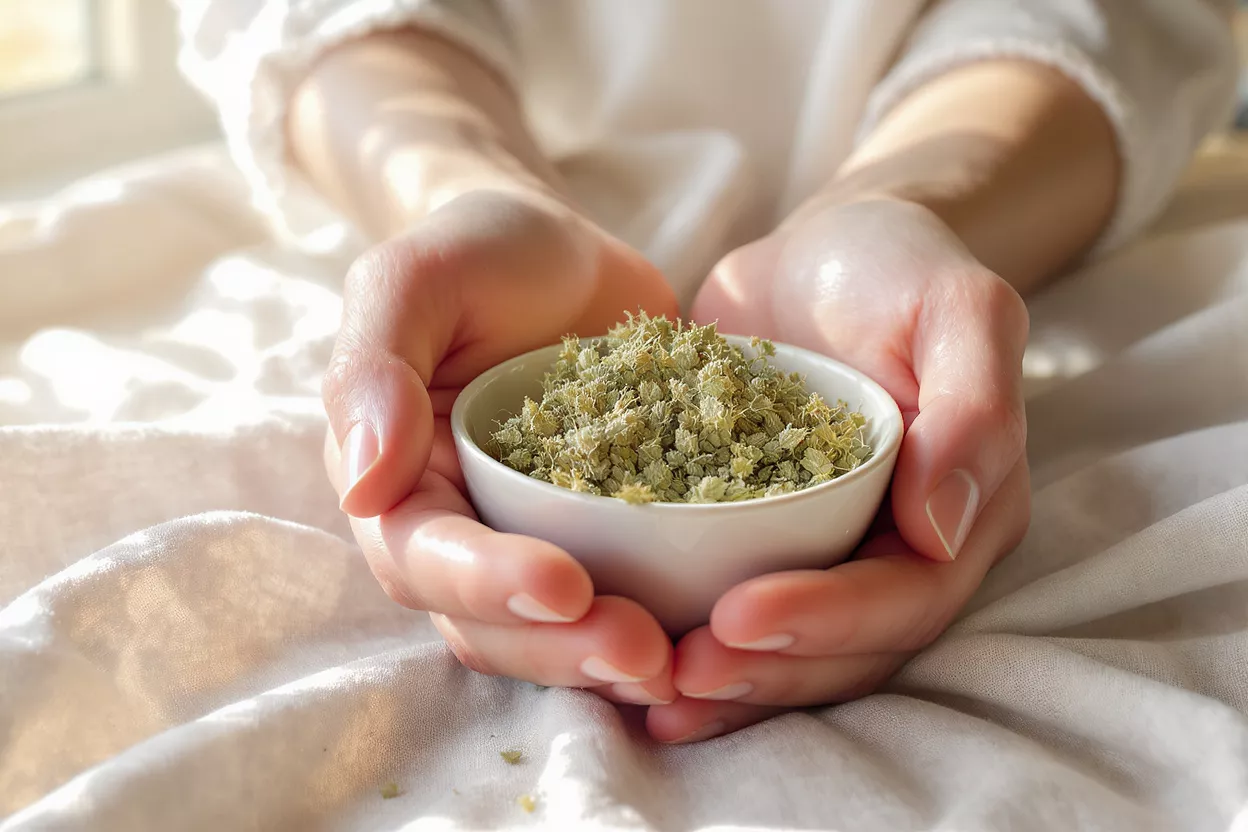
Finding cannabis genuinely rich in CBDV is challenging because most commercial breeding has prioritized THC. However, certain CBD-dominant and landrace genetics carry meaningfully higher levels of CBDV, making them the best starting point for anyone seeking this cannabinoid.
Where to look first: CBDV tends to accumulate in low-THC, high-CBD sativa and indica landraces, particularly those originating from regions like northwest India, Pakistan, and parts of Africa. A handful of modern breeding projects have crossed these landraces with CBD-rich lines to concentrate the propyl cannabinoids.
Several strains are commonly cited for their CBDV content:
- 🌊 Sour Tsunami: One of the earliest CBD-rich strains, frequently noted for measurable CBDV alongside its high CBD content.
- 🏔️ Pakistani Chitral Kush: A landrace indica that often carries elevated propyl cannabinoid levels.
- 🍋 Royal Medic: A balanced CBD-rich hybrid bred with therapeutic cannabinoids in mind.
- 🌱 Various landrace indicas: Traditional low-THC genetics from South Asia remain a reliable source of CBDV.
Because CBDV levels can vary widely even within the same strain depending on phenotype and growing conditions, lab testing is the only reliable way to confirm content. Anyone serious about CBDV should request a full cannabinoid profile from the producer.
CBDV and the Entourage Effect
CBDV rarely acts alone in the cannabis plant. It appears alongside dozens of other cannabinoids and terpenes, and growing evidence suggests these compounds work better together than in isolation. This synergy, known as the entourage effect, may amplify CBDV's therapeutic potential.
In a full-spectrum context, CBDV's anticonvulsant and anti-inflammatory actions may be complemented by CBD's calming influence and by terpenes such as linalool and myrcene that carry their own soothing properties. For patients, this suggests that whole-plant preparations could offer advantages over isolated CBDV in certain situations.
That said, the entourage effect remains an area of active study rather than settled science. Isolated CBDV has clear advantages for pharmaceutical research, where precise dosing and consistency matter most. The practical takeaway is that both isolated and full-spectrum CBDV have legitimate roles depending on whether the goal is rigorous clinical control or holistic symptom management.
How CBDV Is Extracted and Used
Because CBDV occurs in small quantities, isolating it requires careful extraction and refinement. Producers typically start with CBDV-rich biomass and use CO2 or solvent-based extraction followed by chromatography to separate and concentrate the cannabinoid into usable forms.
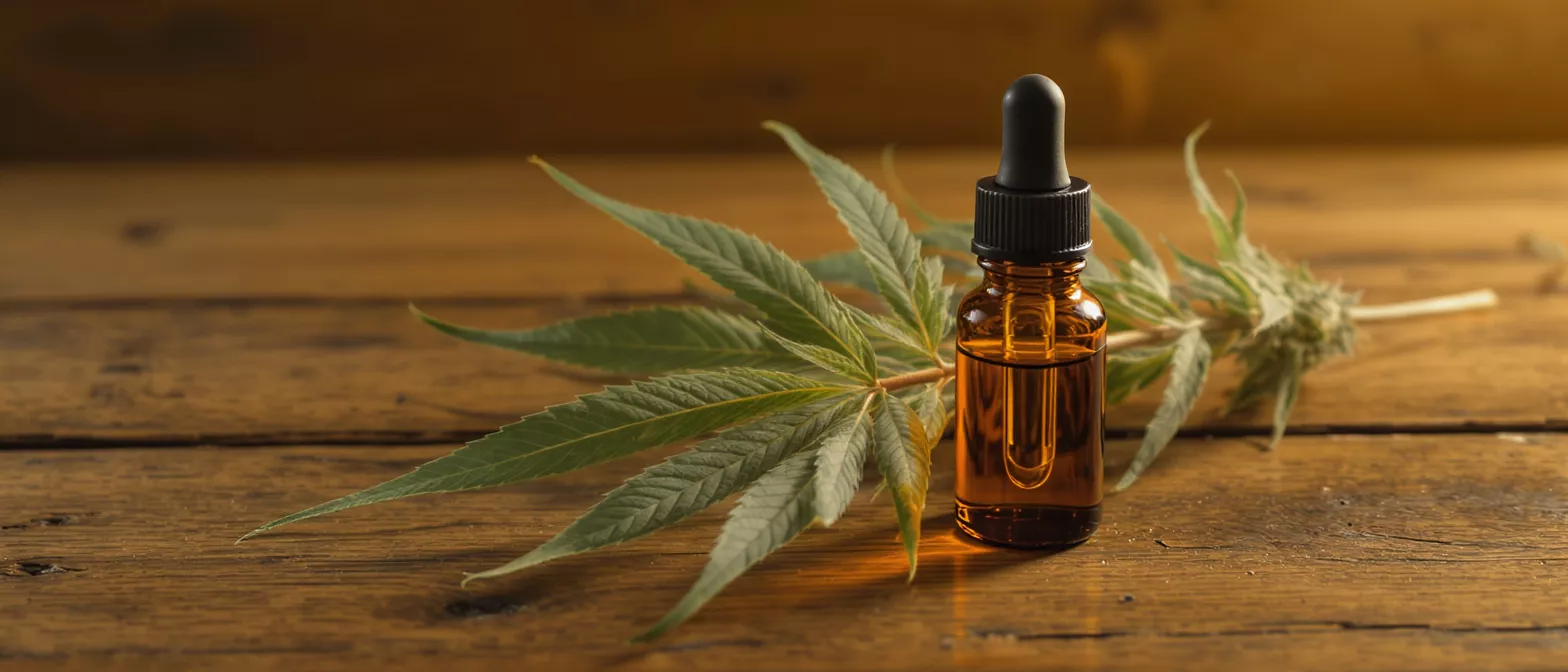
Common product formats: CBDV is increasingly available as isolated crystalline powder, in full-spectrum oils, and in formulated tinctures designed for precise dosing. In clinical settings it is most often delivered as a purified oral solution, which allows researchers to control intake exactly. Consumer products tend to favor oils and capsules for convenience.
Dosing guidance for CBDV is still evolving because robust consumer studies are limited. Clinical trials have used carefully calibrated doses under medical supervision, and those figures do not translate directly to wellness products. As a general principle, starting low and adjusting gradually under professional guidance remains the safest approach until standardized recommendations emerge.
The Future of CBDV Research
CBDV sits at an exciting inflection point. As legal barriers to cannabis research continue to ease, funding and scientific attention are flowing toward minor cannabinoids that were once impossible to study seriously. CBDV, with its clean safety profile and distinct mechanism, is well positioned to benefit from this momentum.
The coming years are likely to bring larger clinical trials, particularly in epilepsy and autism, where CBDV has already shown enough promise to justify deeper investment. Breeders are also working to develop cultivars with reliably high CBDV content, which would make both research and consumer access far easier than it is today.
Ultimately, CBDV (cannabidivarin) embodies the broader story of cannabis science: a once-overlooked molecule revealing genuine therapeutic depth as research finally catches up to the plant's complexity. Whether it becomes a mainstream wellness ingredient, an approved pharmaceutical, or both, CBDV has firmly established itself as one of the most promising minor cannabinoids to watch. For patients, clinicians, and curious consumers alike, it is a compound worth understanding now rather than later.


Comments