

Cultivar
Learn what a cannabis cultivar is, how it differs from a strain, and how genetics shape effects.
What Is a Cannabis Cultivar?
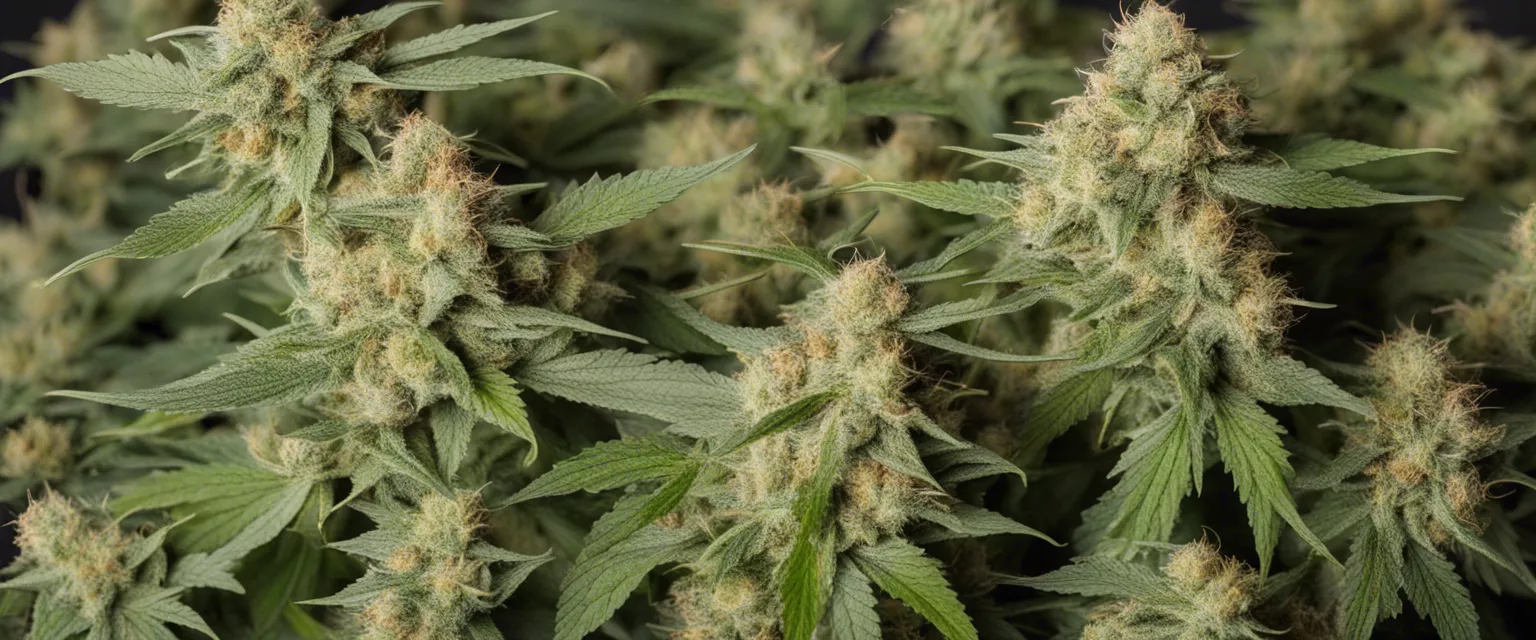
A cannabis cultivar is a cultivated variety of cannabis bred and selected for a stable, repeatable set of characteristics — its cannabinoid ratios, terpene expression, growth structure, and resilience. The word itself is a contraction of "cultivated variety," borrowed directly from horticulture, where it has been the standard unit of classification for ornamental and agricultural plants for more than a century. When botanists describe roses, apples, or tomatoes, they speak in cultivars, not "strains." Cannabis is finally catching up to that precision.
The reason the term matters is that a cultivar represents something deliberate. It is not a wild population or a vague label slapped on a jar at a dispensary. It is a plant lineage that a breeder shaped over generations, locking in traits through careful selection so that each new crop reliably resembles the last. That repeatability is the whole point — a cultivar is a promise that what you grew last season is what you will grow again.
Understanding cultivars unlocks a more honest conversation about cannabis. Instead of chasing names that sound exciting on a menu, you start asking the questions that actually predict your experience: What is this plant's genetic background? What compounds does it produce? How was it stabilized? Those questions move you from marketing into botany, and that is where informed consumers and serious cultivators want to be.
Cultivar vs Strain: What's the Difference?
The word "strain" is borrowed from microbiology. In a lab, a strain refers to a genetic variant of a microorganism — a particular bacterium or virus. Applied to a flowering plant, the term is technically imprecise. It carries no botanical standing and no formal rules about how it should be assigned. That looseness is exactly why dispensary "strains" multiply endlessly, with the same genetics sold under a dozen different names depending on who is selling.
A cultivar carries documented lineage. Where "strain" obscures the parentage and breeding history behind a catchy name, a properly designated cultivar points back to its genetic origins. It tells you which parents were crossed, how the line was stabilized, and what defining traits were selected. This is the difference between a nickname and a pedigree.
In everyday speech the two words are used interchangeably, and that is unlikely to change overnight. But the distinction is not pedantry. As cannabis matures into a regulated agricultural commodity, the demand for traceable, verifiable genetics grows. Cultivar is the language that supports that traceability, and it is increasingly the term you will see in research papers, breeding catalogs, and quality-focused producers.
- 🌱 Strain: a colloquial, marketing-driven label with no botanical rules and frequent name duplication.
- 🧬 Cultivar: a horticulturally recognized cultivated variety with documented lineage and selected traits.
- 📋 Practical upshot: two jars labeled the same "strain" can differ wildly; a true cultivar aims for consistency.
How Cannabis Cultivars Are Created
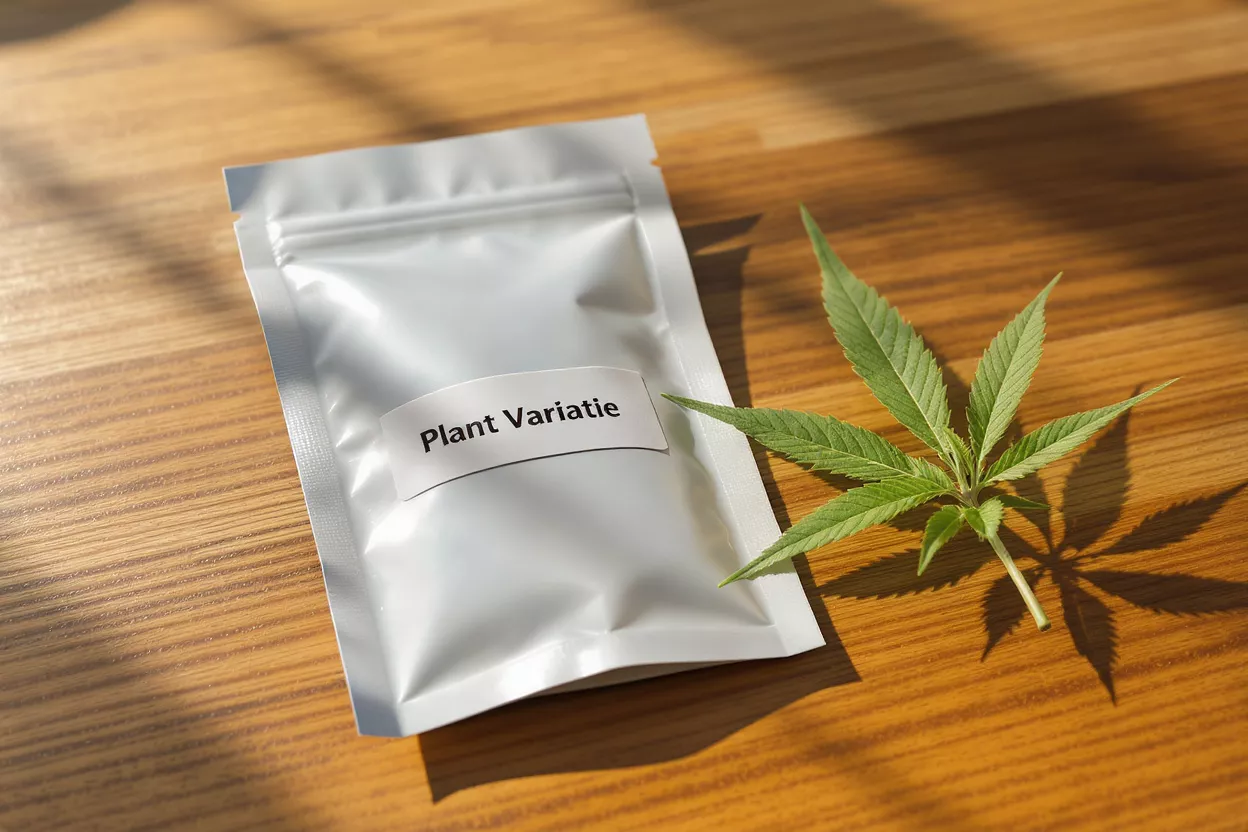
Every cultivar begins with a deliberate cross. A breeder selects two parent plants — one chosen for, say, a heavy resin layer, the other for a particular aroma or fast flowering time — and pollinates one with the other. The resulting seeds carry a shuffled mix of both parents' genetics. This first generation is rarely uniform; it is a population of siblings, each expressing the inherited traits in slightly different proportions.
The real work is the selection that follows. Out of that first crop, the breeder identifies the individual plants — the phenotype expressions — that best capture the desired qualities. Those keepers are then bred forward and tested again, generation after generation, until the offspring consistently show the target traits. Stabilizing a line this way can take years and many growing cycles.
Some cultivars are preserved not through seed but through cloning. By taking cuttings from a single prized mother plant, a grower can reproduce that exact genetic individual indefinitely, sidestepping the variation that comes with seed. Clone-only cultivars represent a frozen snapshot of one outstanding plant, which is why certain famous cuttings circulate among growers for decades.
Why Cultivar Genetics Matter for Effects
The experience cannabis delivers is written into its genetics. A cultivar's DNA determines which cannabinoids it produces and in what ratios, alongside the terpenes that shape aroma and modulate effect. Two plants grown in identical conditions will still diverge in their chemistry if their genetic blueprints differ, which is why cultivar selection is the single most important variable in predicting an experience.
The entourage effect ties genetics to feel. Cannabinoids like THC and CBD do not act in isolation. They interact with terpenes and minor cannabinoids to produce a combined effect that is hard to replicate by isolating any single compound. Because a cultivar determines the full chemical ensemble, it is the truest predictor of how a given flower will feel.
This is also why chasing THC percentage alone is a shallow strategy. A cultivar producing moderate THC with a rich, complementary terpene profile often delivers a more satisfying and nuanced experience than a high-THC plant with a flat aromatic background. Genetics, not a single number on a label, govern the outcome.
Types of Cannabis Cultivar Classifications
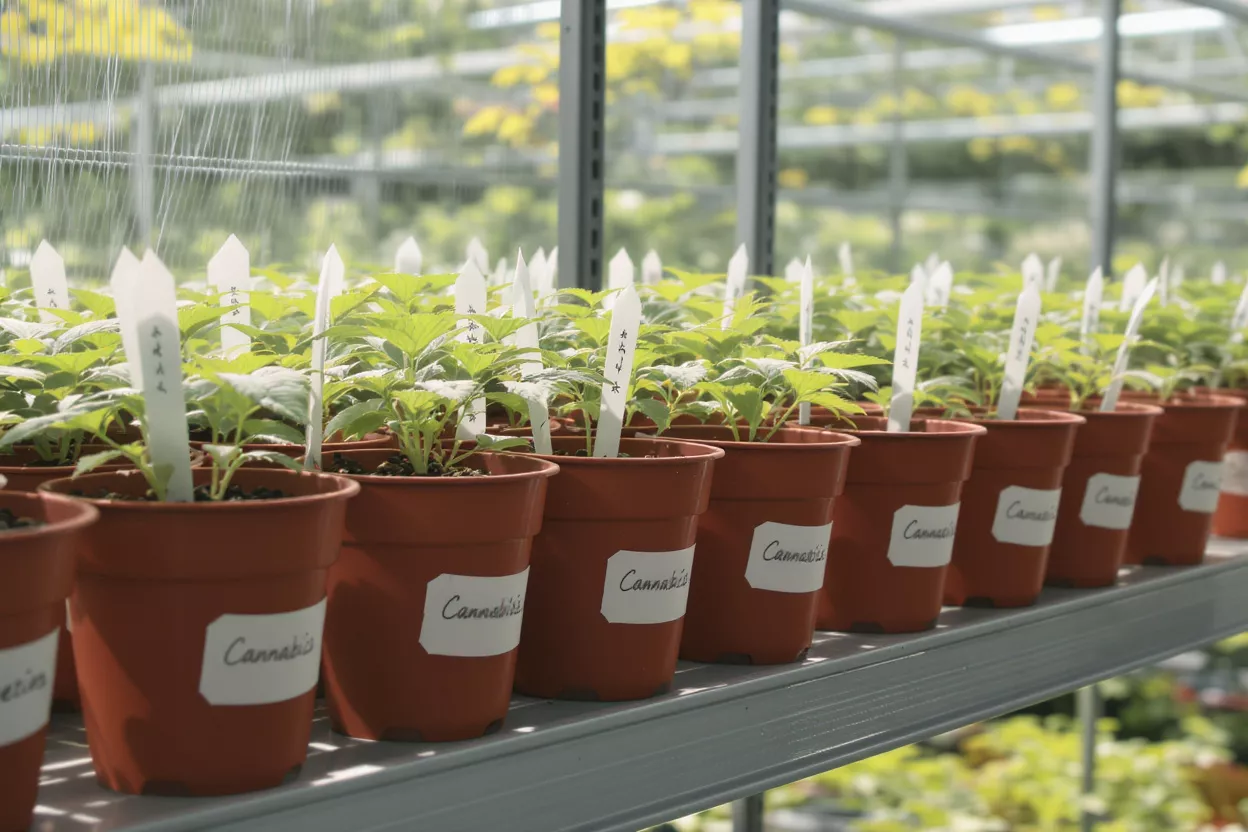
The old indica-sativa binary is increasingly outdated. For decades, cannabis was sorted into indica and sativa categories, with hybrids in between. While these labels still describe growth structure and broad lineage, researchers now agree they are poor predictors of effect. Centuries of crossbreeding have so thoroughly blended the gene pool that pure examples are rare.
A more useful framework classifies cultivars by their dominant chemistry — their chemotype. This approach groups plants by whether they are THC-dominant, CBD-dominant, or balanced, and increasingly by their leading terpenes. Chemotype classification describes what a plant actually contains rather than relying on a heritage label that may no longer mean much.
Cultivars can also be grouped by their intended use and growth habit, which matters for both growers and consumers shopping for specific outcomes.
- 🔬 Chemotype I: THC-dominant cultivars, the most common recreational category.
- 🌿 Chemotype II: balanced THC-to-CBD ratios, popular for tempered, functional effects.
- 💧 Chemotype III: CBD-dominant cultivars with minimal intoxication, favored for wellness.
- 🏭 Industrial: fiber and seed cultivars bred from hemp for non-intoxicating uses.
How to Read a Cultivar Name
Cannabis cultivar names are a culture unto themselves — colorful, irreverent, and often baffling to newcomers. Many names encode lineage, hinting at parent crosses or a breeder's signature line. Others reference aroma, color, place of origin, or simply a memorable joke. Learning to read past the marketing reveals useful information hiding in plain sight.
Lineage names tell a story. When a cultivar's name combines two other recognizable names, it is usually signaling its parentage — a cross of those two lines. This naming convention lets experienced consumers infer likely traits before they ever open the jar, because they understand the qualities each parent tends to pass down.
That said, names are not regulated, and duplication is rampant. The same name can mark genetically unrelated plants from different breeders, while identical genetics can travel under several aliases. This is precisely the ambiguity that formal cultivar designation aims to resolve, anchoring a name to a verifiable genetic identity rather than a marketing whim.

Cultivar Stability and Phenotype Selection
Stability is what separates a cultivar from a random seed batch. A stable cultivar produces offspring that reliably resemble their parents in the traits that matter. Achieving this requires generations of selective breeding, where the breeder culls plants that stray from the target and breeds forward only those that hold true. The more generations of consistent selection, the more locked-in the genetics become.
Phenotype selection is the hands-on heart of this process. Within any seed population, individual plants — phenotypes — express the shared genetics differently. A grower might pop dozens of seeds, then "pheno-hunt" through the resulting plants to find the standout expression: the one with the best resin, aroma, structure, or potency. That chosen phenotype becomes the foundation for the cultivar going forward.
Environment complicates the picture. Even a genetically stable cultivar will shift its expression depending on light, nutrients, temperature, and stress — a phenomenon called phenotypic plasticity. This is why the same cultivar can look and smell somewhat different across two grows. Skilled cultivators control these variables tightly to coax a cultivar toward its genetic potential.
How Cultivars Shape Terpene Profiles
Terpenes are the cultivar's signature. These aromatic compounds — also found in citrus rinds, pine needles, and lavender — give each cultivar its distinctive smell and contribute to its character. A cultivar's genetics dictate which terpenes dominate, whether the gassy punch of caryophyllene, the citrus lift of limonene, or the earthy calm of myrcene.
Because terpene profiles are heritable, breeders can select for them just as they select for potency or yield. A cultivar bred over generations to emphasize a particular aromatic note will reliably reproduce that note, which is why aroma-focused breeding has become a major frontier in cannabis genetics. The nose, it turns out, is a surprisingly good guide to a cultivar's identity.
Terpenes do more than smell pleasant — they appear to influence the texture of cannabis effects. The same THC level can feel energizing alongside one terpene blend and sedating alongside another. This interplay is a core reason why cultivar selection, which fixes the terpene profile, matters far more than any isolated cannabinoid number.

Choosing a Cultivar for Your Needs
Choosing a cultivar wisely starts with knowing what you want from the experience rather than reacting to a flashy name. Daytime focus, evening wind-down, social ease, or symptom relief each point toward different chemical profiles, and a cultivar's documented genetics and lab data are your best map to those outcomes.
Read the lab report, not just the label. A certificate of analysis reveals the cannabinoid and terpene content that genetics produced in that specific harvest. Pairing that data with knowledge of the cultivar's lineage gives you a far more reliable forecast than name recognition alone. Look for the full terpene breakdown, not only the headline THC figure.
Keep a simple journal of cultivars you try and how each affected you. Over time, patterns emerge — perhaps cultivars rich in a particular terpene consistently suit you, while others do not. This personal record turns trial and error into informed selection, and it is the most practical tool any consumer has for navigating an enormous and growing catalog of genetics.
The Future of Cannabis Cultivar Naming
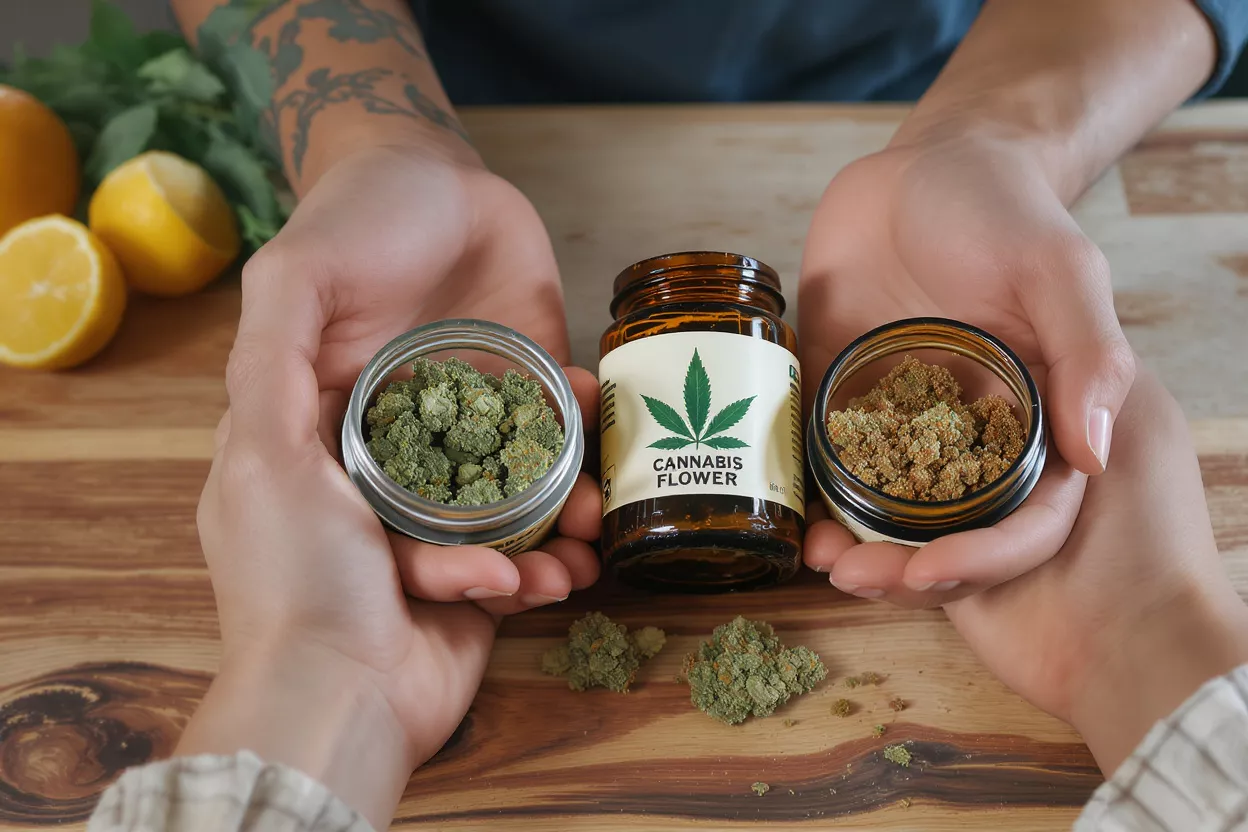
The cannabis industry is steadily moving toward formalized cultivar registration, mirroring the systems long used for other crops. As legal markets expand and research deepens, there is growing pressure to anchor names to verifiable genetic identities through DNA sequencing and standardized documentation. This shift promises to clear away much of the naming chaos that defines the current market.
Genetic fingerprinting is changing the game. Laboratories can now sequence a plant's DNA to confirm whether two samples sold under the same name are genuinely related. As this testing becomes routine, breeders gain a tool to protect their work and consumers gain confidence that a cultivar name actually means something specific and reproducible.
Cultivar is more than a vocabulary upgrade — it represents a maturing relationship between cannabis and the science of plant cultivation. Where "strain" served a young, informal market, "cultivar" speaks the language of agriculture, traceability, and genuine consistency. Understanding the term, how cultivars are bred, and what their genetics predict equips you to look past marketing and make choices grounded in botany. As the industry adopts these standards, the consumers who already think in cultivars will be the ones best prepared for a more transparent, evidence-based future of cannabis.





Comments