


Geranyl
Discover how geranyl acetate shapes cannabis aroma with floral, fruity notes.
What Is Geranyl Acetate?
Geranyl acetate is a naturally occurring ester terpene that shows up in trace to moderate amounts across a wide range of plants, including certain cannabis cultivars. While it rarely headlines a strain's aroma profile the way myrcene or limonene does, geranyl contributes subtle floral and fruity nuances that round out the overall sensory experience. Understanding this compound helps explain why two strains with similar cannabinoid percentages can smell and feel surprisingly different.
Chemically, geranyl acetate is the acetate ester of geraniol, formed when geraniol reacts with acetic acid inside the plant's biosynthetic pathways. This relationship matters because the two compounds share a closely linked aromatic identity, yet behave differently in terms of volatility, stability, and how the nose perceives them. The molecular formula is C12H20O2, placing it among the larger, heavier terpene derivatives that tend to evaporate more slowly than lighter monoterpenes.
In the broader world of botany and flavor chemistry, geranyl acetate has been studied and used for well over a century. Its presence in cannabis is part of a much larger story about how plants build complex scent libraries from a handful of foundational building blocks. For the curious consumer, recognizing geranyl is a step toward reading a terpene report with real comprehension rather than just scanning for the highest numbers.
What Does Geranyl Smell Like?
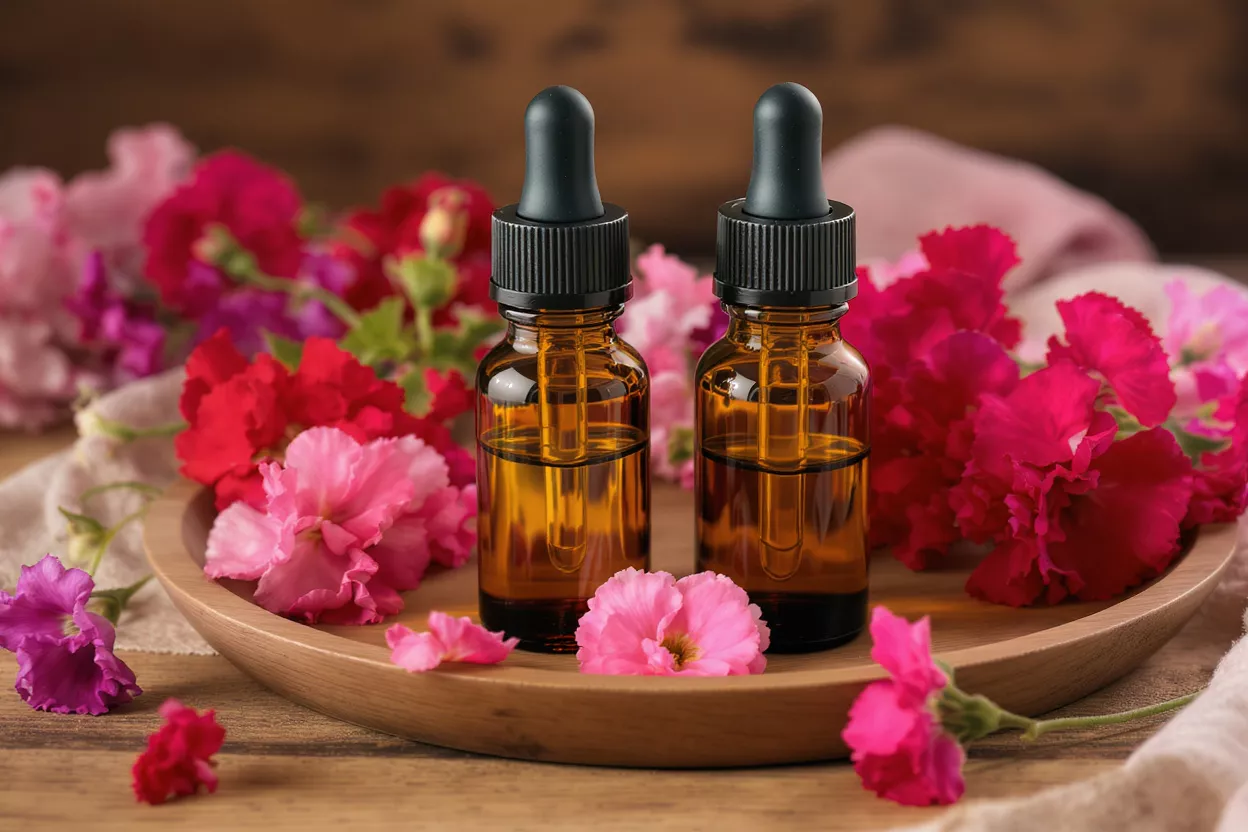
The signature aroma: Geranyl acetate carries a sweet, floral scent with distinct rose and fruity undertones, often compared to lavender, geranium, and ripe pear. It is softer and rounder than the sharp citrus of limonene, lending a perfumed gentleness to whatever it accompanies. Perfumers prize this quality, which is precisely why the compound appears so frequently in fragrance blends.
How it presents in cannabis: Within a flower's bouquet, geranyl rarely dominates. Instead it acts as a connective layer, softening harsher pine or diesel notes and adding a touch of floral sweetness to the exhale. Many tasters describe strains with notable geranyl content as having a "smooth" or "elegant" nose, even if they cannot name the specific terpene responsible.
Aroma perception is highly individual, and geranyl's contribution is often subtle enough that it blends seamlessly into the background. That subtlety is part of its value. Rather than shouting for attention, it harmonizes the other aromatic players, creating a more cohesive and pleasant overall impression.

How Geranyl Forms in Cannabis Plants
Like all terpenes, geranyl acetate originates in the glandular trichomes that coat the surface of cannabis flowers and surrounding leaves. These resin-producing structures are the plant's chemical factories, assembling terpenes and cannabinoids from shared precursor molecules during the flowering stage.
The biosynthetic route: Geranyl acetate forms through the esterification of geraniol, which itself derives from geranyl pyrophosphate, the universal starting block for many monoterpenes. An enzyme catalyzes the union of geraniol and an acetyl group, producing the ester. Because this is an additional enzymatic step beyond simply making geraniol, the quantity of geranyl acetate in any given plant depends on both genetics and the activity of those specific enzymes.
Environmental conditions strongly influence final terpene content. Light intensity, temperature, soil nutrition, and harvest timing all shift the balance of compounds a plant produces. A cultivar genetically capable of expressing geranyl may still yield very different amounts depending on how it was grown, which is why batch-to-batch terpene reports for the same strain are rarely identical.
Geranyl Acetate vs Geraniol: What's the Difference?
These two names cause frequent confusion, and for good reason: they are chemically intertwined. Geraniol is the parent alcohol, while geranyl acetate is its ester derivative. Converting one into the other changes how each behaves, smells, and persists.
Key distinctions worth knowing: The differences are practical, not just academic. They affect aroma, stability, and how each compound is used commercially.
- 🌹 Aroma: Geraniol leans toward pure rose; geranyl acetate adds a fruitier, slightly waxy sweetness on top of that rose foundation.
- 💧 Volatility: The acetate ester is generally less volatile, meaning it evaporates more slowly and may linger longer in a cured flower.
- 🧪 Stability: Esters can hydrolyze back into their parent alcohol under certain conditions, so geranyl acetate can partially revert to geraniol over time.
- 🏭 Industrial use: Both are fragrance staples, but geranyl acetate is especially valued in soaps and floral perfumes for its smooth, rounded tone.
For consumers reading lab results, seeing both compounds listed is common. Their combined presence reinforces the floral character of a strain, with geraniol providing the brighter rose top note and geranyl acetate contributing depth and longevity.
Geranyl Benefits and Current Research
Research into geranyl acetate spans food science, cosmetics, and pharmacology, though cannabis-specific studies remain limited. Most of what we understand comes from work on the isolated compound or on plants like lemongrass and citronella where it appears in higher concentrations. As with most terpenes, findings should be read as promising early signals rather than settled medical conclusions.
Antimicrobial and antioxidant activity: Several laboratory studies have examined geranyl acetate for its ability to inhibit certain bacteria and fungi, as well as its antioxidant capacity. These properties make it a candidate for natural preservatives and have driven interest in essential oils that contain it. The relevance of these effects at the trace levels found in cannabis is not established.
Anti-inflammatory potential: Preliminary research suggests geranyl acetate, like several related terpenes, may interact with inflammatory pathways. This aligns with broader interest in how minor cannabis compounds might contribute to therapeutic outcomes, though human clinical data specific to geranyl is currently sparse.
It bears repeating that aromatic enjoyment and documented physiological benefit are two separate questions. Geranyl acetate clearly enhances scent and flavor; whether the small quantities in a typical cannabis flower produce meaningful bodily effects remains an open and actively researched topic.
Geranyl and the Entourage Effect
The entourage effect is the hypothesis that cannabis compounds work better together than in isolation, with terpenes potentially modulating the effects of cannabinoids like THC and CBD. Geranyl acetate is one of dozens of minor terpenes that may participate in this complex interplay.
Because geranyl appears in modest concentrations, its individual contribution to the entourage effect is difficult to isolate experimentally. Researchers increasingly view terpene profiles holistically, treating the full aromatic fingerprint of a strain as the meaningful unit rather than any single molecule. In that framework, geranyl is one instrument in a much larger orchestra.
For the everyday consumer, the practical takeaway is to pay attention to how a complete strain makes you feel rather than chasing a single terpene. A flower with balanced geranyl, geraniol, and other supporting terpenes may deliver a more nuanced experience than the raw cannabinoid numbers alone would predict.
Cannabis Strains High in Geranyl
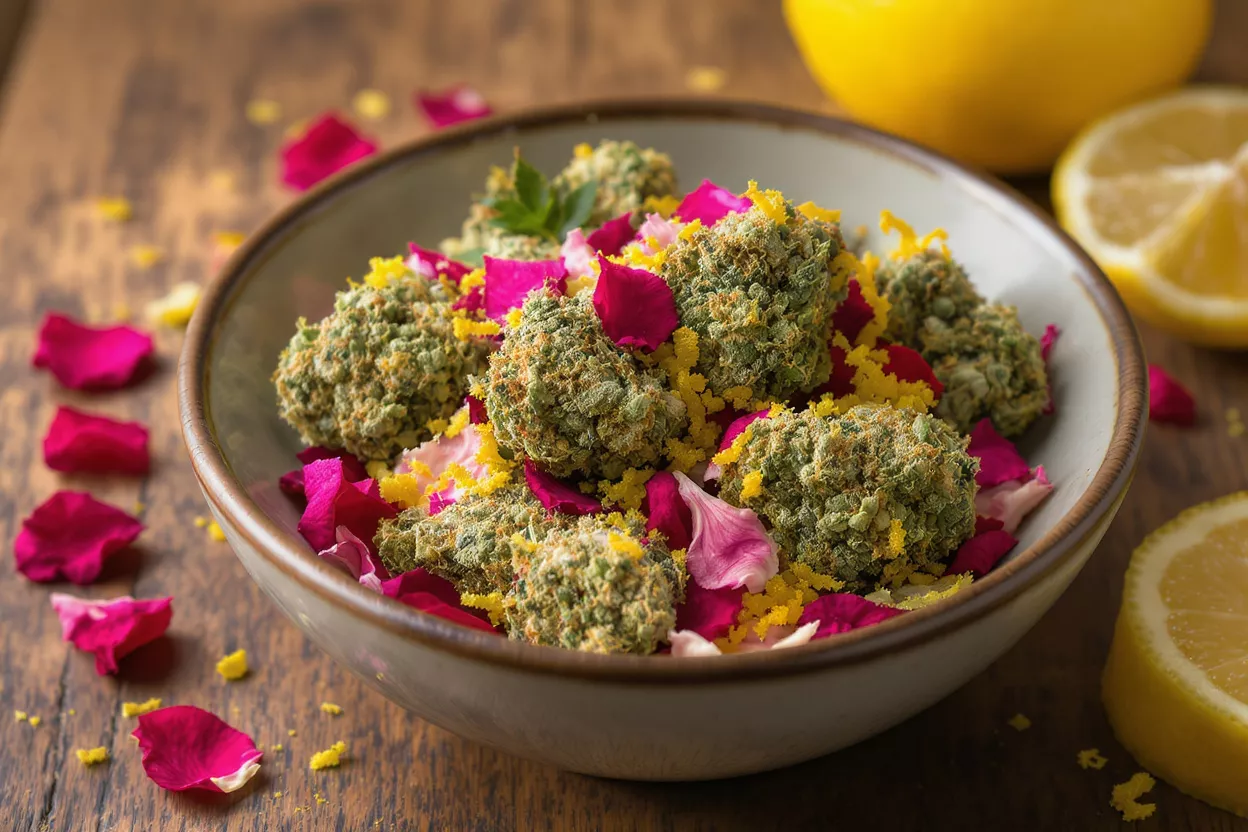
Geranyl-rich cannabis is less commonly flagged than strains celebrated for limonene or pinene, partly because the compound usually plays a supporting role. Strains with pronounced floral, rosy, or sweet-fruity profiles are the best candidates, and lab testing is the only reliable way to confirm its presence.
What to look for on a terpene report: When scanning lab results for floral character, keep these pointers in mind.
- 🌸 Floral descriptors: Strains marketed with rose, lavender, or perfume notes are more likely to carry geranyl and geraniol.
- 📊 Full panels: Choose products that test for an extended terpene list, since basic panels often omit minor esters like geranyl acetate.
- 🍓 Fruity-sweet hybrids: Dessert and fruit-forward genetics frequently layer in trace floral esters that include geranyl.
- 🔬 Batch variation: The same strain can show geranyl in one harvest and barely register it in another, so check the specific batch.
Rather than hunting for a single named "geranyl strain," the smarter approach is to explore floral and dessert-leaning cultivars from producers who publish detailed terpene data. Over time you will learn which growers and genetics consistently express the floral notes you enjoy.
Where Else Geranyl Acetate Is Found
Geranyl acetate is far more abundant outside cannabis, which is why much of our knowledge comes from other botanical sources. It is a major component of several well-known essential oils and a workhorse ingredient in the fragrance and flavor industries.
Common natural sources: The compound occurs in citronella, lemongrass, palmarosa, sassafras, and various citrus and floral oils. In some of these plants it reaches concentrations far higher than anything seen in cannabis, making them the primary commercial source for extraction.
Everyday products: Beyond perfumery, geranyl acetate flavors candies, baked goods, and beverages, and scents soaps, lotions, and household cleaners. If you have ever enjoyed a rose-scented soap or a fruity hard candy, there is a reasonable chance geranyl acetate played a part. Its long history of safe use in these applications informs the broader confidence in its safety profile.

Is Geranyl Acetate Safe?
Geranyl acetate has a long track record as a food flavoring and fragrance ingredient, and regulatory bodies have evaluated it extensively in those contexts. It is generally recognized as safe for use in foods at the small quantities typically employed, and it appears on approved flavoring lists in multiple jurisdictions.
Sensible precautions: As with many concentrated terpenes and essential oils, undiluted geranyl acetate can irritate skin or mucous membranes, and some individuals may experience sensitivity. The trace amounts present in cannabis flower are vastly lower than the concentrated forms used industrially, so the practical risk from enjoying a terpene-rich strain is minimal.
Inhalation of combusted plant material carries its own well-documented considerations that are separate from the safety of any single terpene. Anyone with allergies, respiratory conditions, or specific health concerns should consult a healthcare professional, particularly when using cannabis products with high terpene or concentrate content.
How to Preserve Geranyl in Your Cannabis
Because geranyl acetate is volatile and can slowly hydrolyze over time, proper storage directly affects how much of its floral character survives from cure to consumption. Treating your flower with the same care you would give a fine tea or spice pays off in aroma and flavor.
Storage best practices: A few simple habits protect terpene integrity and keep that delicate rosy sweetness intact.
- 🌡️ Cool and dark: Heat and light accelerate terpene loss, so store flower away from windows and warm appliances.
- 🫙 Airtight glass: Sealed glass jars limit oxygen exposure and prevent volatile esters from escaping.
- 💧 Stable humidity: A humidity control pack in the 58 to 62 percent range guards against both drying out and mold.
- ⏳ Reasonable timelines: Enjoy flower within a few months of a proper cure to capture peak terpene expression.
Geranyl acetate may be a quiet contributor, but it rewards attention. By understanding what it is, how it relates to geraniol, and how to protect it, you gain a deeper appreciation for the floral nuances that make certain cannabis strains so memorable. The more you learn to read terpene profiles, the more confidently you can choose products that match your preferred aroma, flavor, and overall experience.




Comments