Hempseed
Discover what hempseed offers in nutrition, health benefits, and everyday cooking.
What Is Hempseed in Cannabis?
Hempseed cannabis refers to the small, nutrient-dense seeds produced by the hemp plant, a variety of Cannabis sativa cultivated specifically for fibre, grain, and low cannabinoid content. While the broader cannabis conversation tends to focus on flowers and resin, the seed occupies a very different niche. It is harvested for food, oil, and protein rather than for psychoactive effect, and it carries almost none of the compounds people associate with getting high.
These seeds have been part of human agriculture for thousands of years, valued across Asia, Europe, and North America as a reliable source of fat and protein. The modern resurgence of interest stems from a wider appreciation for plant-based nutrition and the legalisation of industrial hemp cultivation in many regions, which untangled the seed from the legal complications surrounding its more famous botanical cousin.
Why hempseed is not intoxicating: The seeds themselves contain only trace amounts of THC, far below any threshold that would produce a psychoactive response. Cannabinoids are concentrated in the flowering tops of the plant, not the seeds, so even when hempseed comes from a high-resin plant, the grain remains essentially inert in that respect. This distinction is the foundation of every regulatory and culinary use that follows.
Hempseed Cannabis Nutrition Facts
The nutritional profile of hempseed is what has earned it a place in the modern pantry. A single serving delivers a remarkable density of complete protein, essential fatty acids, and a spread of minerals that are difficult to obtain in such concentration from a single plant food. Unlike most seeds, hempseed provides all nine essential amino acids, making it a genuine complete protein source for vegetarians and vegans.
The fat content is where hempseed truly distinguishes itself. The seeds are rich in polyunsaturated fats, particularly an ideal ratio of omega-6 to omega-3 fatty acids that nutritionists consider close to optimal for human health. They also supply gamma-linolenic acid, a less common fatty acid linked to anti-inflammatory activity.
- 🌱 Complete protein: Roughly 9–10 grams per three-tablespoon serving, with all essential amino acids present.
- 💧 Healthy fats: A balanced omega-6 to omega-3 ratio of around 3:1, plus gamma-linolenic acid.
- ⚡ Minerals: Generous amounts of magnesium, phosphorus, potassium, iron, and zinc.
- 🌾 Fibre: Whole seeds with the hull intact contribute meaningful dietary fibre.
How Hempseed Differs From CBD and THC Products
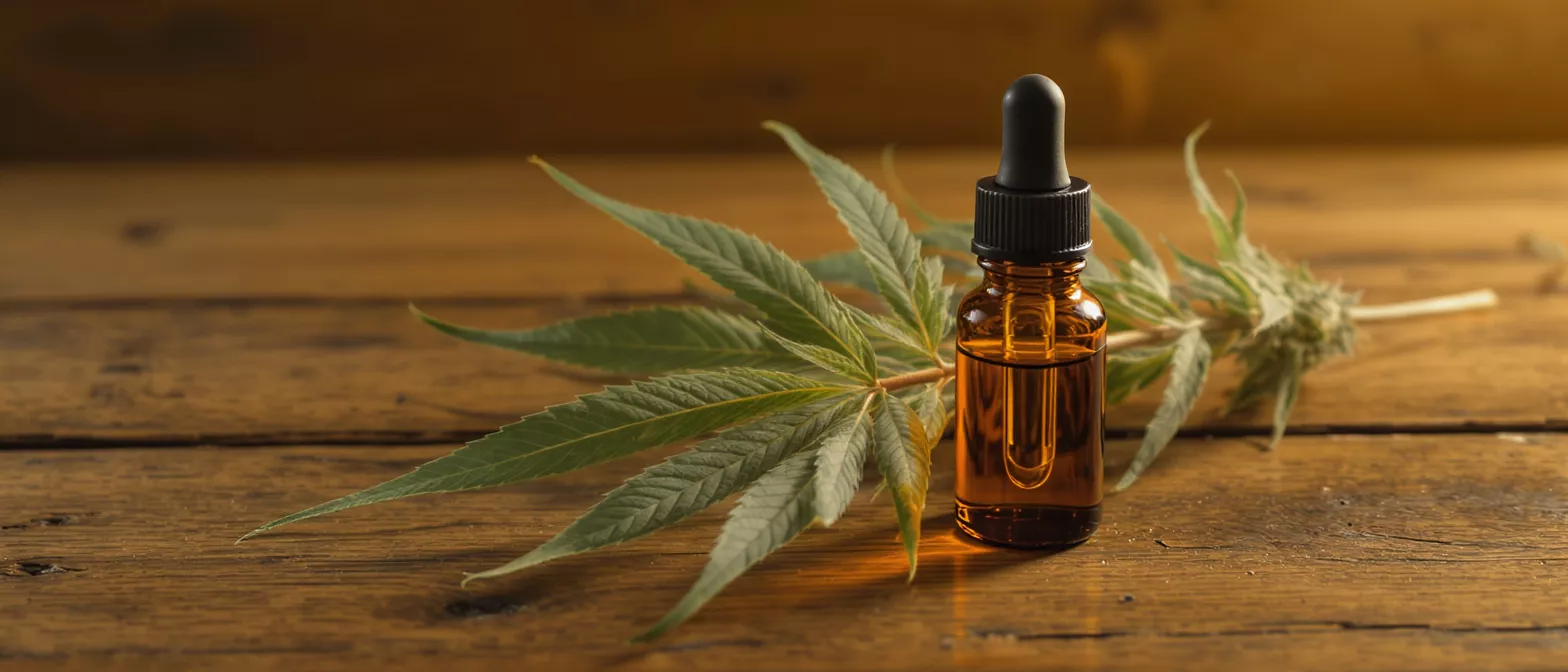
Hempseed oil is not CBD oil: This is the single most common misunderstanding in the marketplace. Hempseed oil is pressed from the seeds and contains negligible cannabinoid content. CBD oil, by contrast, is extracted from the flowers, leaves, and stalks where cannabidiol concentrates. The two products are made from the same species but from entirely different parts of the plant, and they serve unrelated purposes.
Because hempseed products lack meaningful concentrations of cannabinoids, they do not interact with the endocannabinoid system in the way that CBD or THC do. Their value is purely nutritional. Someone reaching for hempseed to manage anxiety or pain is likely confusing it with a cannabinoid extract.
Reading labels carefully resolves most of this confusion. A bottle labelled simply "hemp oil" or "hempseed oil" with no milligram cannabinoid count is a culinary food product. A product advertising a specific CBD content in milligrams is an extract designed for a different effect and price point entirely.
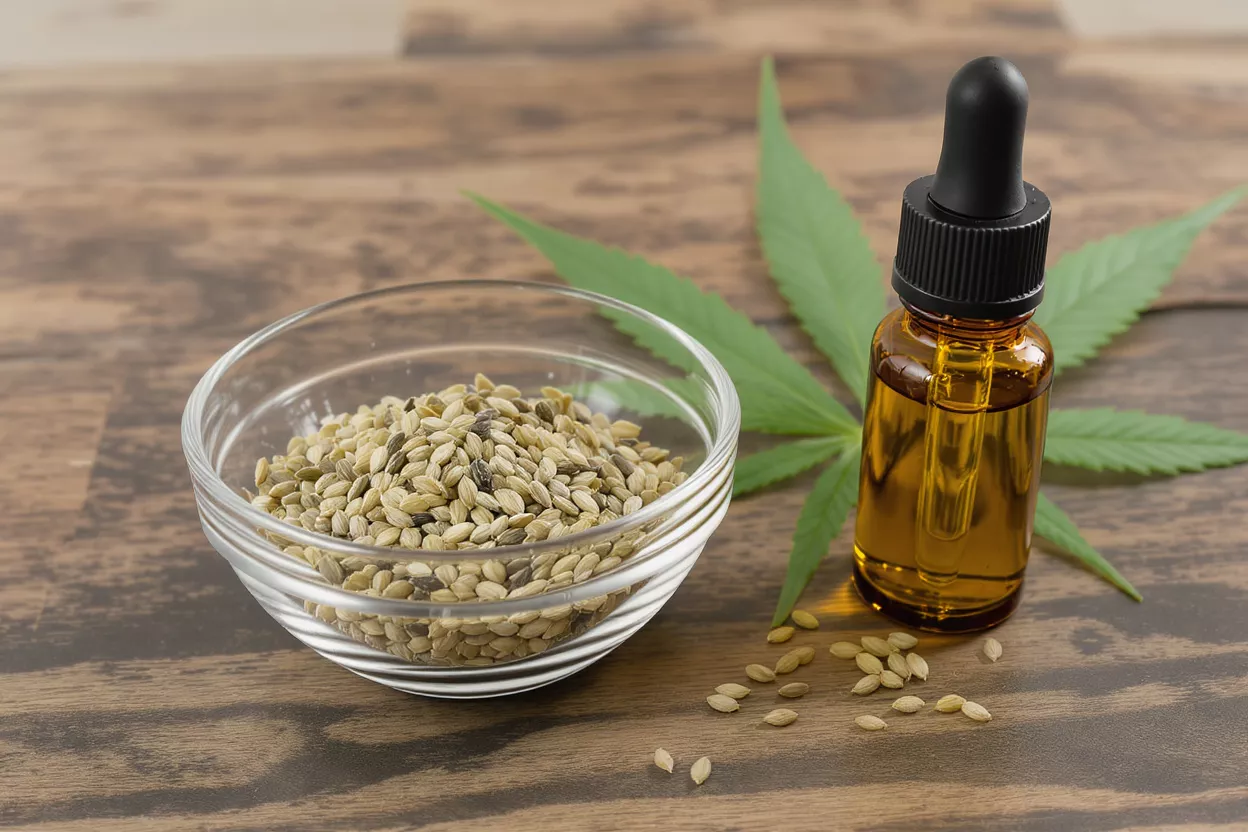
Types of Hempseed Products
The hempseed has been processed into a surprisingly broad range of foods, each suited to different culinary and nutritional goals. Understanding the formats available helps you choose the right one rather than buying based on packaging claims alone.
From whole seed to refined oil: Each step of processing changes the texture, shelf life, and nutritional emphasis of the final product. Hulled seeds emphasise easy digestibility and protein, while cold-pressed oil concentrates the essential fatty acids at the expense of fibre and protein.
- 🌰 Whole hempseed: Intact seeds with the hull, highest in fibre but with a firmer, nuttier bite.
- 🥄 Hemp hearts: Hulled seeds with a soft texture, the most popular eating format.
- 🫒 Hempseed oil: Cold-pressed for salad dressings and finishing, not high-heat cooking.
- 💪 Hemp protein powder: Defatted, milled seed cake concentrated into a supplement.
- 🥛 Hemp milk: A plant-based beverage made by blending seeds with water.
The variety means hempseed can slot into nearly any diet, whether the goal is added protein, a richer fat profile, or simply a pleasant nutty flavour sprinkled over a meal.
Hempseed Cannabis Benefits for Health
The health benefits attributed to hempseed are grounded in its fatty acid and protein composition rather than in any cannabinoid activity. Research into the seeds and their oil points to several plausible mechanisms, though the strongest evidence supports their role as a wholesome dietary fat and protein source rather than a medicine.
Heart and skin support: The favourable omega ratio and gamma-linolenic acid content are associated with improved cardiovascular markers and skin health in several studies. People with dry skin or inflammatory skin conditions sometimes report benefit from both dietary hempseed and topical hempseed oil, which is widely used in cosmetics for its emollient qualities.
Digestive and muscular contributions: Whole seeds add fibre that supports regularity, while the complete protein assists muscle maintenance and recovery. For plant-based athletes, hempseed offers a digestible protein that avoids the common allergens found in soy and dairy.
Hempseed Oil vs Hempseed Hearts
Choosing between hempseed oil and hemp hearts depends entirely on what you want from the food. They derive from the same seed but deliver different nutritional emphases and serve different roles in the kitchen.
Hemp hearts retain the full protein content of the seed alongside its fats, making them a balanced whole food you can eat by the spoonful or scatter over dishes. Hempseed oil, having had the solids pressed away, concentrates the essential fatty acids but carries almost no protein or fibre. The oil is also more delicate, prone to oxidation, and unsuited to frying.
For most people, hemp hearts are the more versatile everyday choice, while the oil earns its place as a finishing ingredient where its grassy, nutty flavour and fatty acid density can shine. Keeping both on hand covers the widest range of culinary uses without compromise.
How to Use Hempseed in Everyday Cooking
One of hempseed's quiet strengths is how effortlessly it integrates into familiar meals. Its mild, nutty flavour means it rarely overpowers a dish, and its soft texture in hulled form requires no preparation at all.
Cold and uncooked applications work best: Because heat degrades the delicate fatty acids, hempseed shines in raw or low-temperature preparations. Sprinkle hemp hearts over yogurt, blend them into smoothies, fold them into overnight oats, or stir them through a finished bowl of pasta. The oil belongs on salads and drizzled over roasted vegetables after they leave the oven.
For baking, whole hempseed and protein powder tolerate moderate heat better than the oil and can be worked into breads, energy bars, and crackers. The seeds add both texture and a nutritional lift to recipes that would otherwise rely on refined flour alone, turning an ordinary snack into something more substantial.
Is Hempseed Cannabis Safe to Consume?
For the vast majority of people, hempseed is a safe and well-tolerated food. It carries no risk of intoxication, no potential for dependence, and a long history of human consumption that predates modern agriculture. Regulatory bodies in many countries classify hulled hempseed and its oil as ordinary foodstuffs.
Drug testing concerns: A frequent worry is whether eating hempseed could trigger a positive cannabis drug test. With properly processed, modern hempseed products the risk is extremely low, as the trace THC present is far below the levels needed to register. Reputable producers wash and process seeds to minimise any residual cannabinoid contamination from the hull.
The most realistic cautions are mundane. Those with seed or nut sensitivities should introduce hempseed gradually, and the rich fat content means a large first serving can occasionally unsettle a sensitive stomach. Starting with a modest spoonful and increasing over a few days avoids any digestive surprise.
Hempseed Cannabis Cultivation and Sourcing
Industrial hemp grown for grain is a different agricultural enterprise from cannabis cultivated for flower. The plants are typically grown densely in fields, encouraged to produce seed rather than resinous buds, and harvested with conventional grain equipment. This scale and method keep hempseed affordable and widely available.
Why sourcing matters: The quality of hempseed depends heavily on growing conditions and processing standards. Hemp is a bioaccumulator, meaning it readily draws contaminants from soil, so seeds grown in clean, tested ground are preferable. Cold-pressing and careful storage preserve the delicate fats that give hempseed its nutritional value.
Climate and region also shape the final product. Canadian and European hemp grain enjoys strong reputations thanks to established regulatory frameworks and cool growing seasons that favour seed development. Knowing the origin of your hempseed offers a reasonable proxy for its quality and safety.
Hempseed Cannabis Buying Guide
When shopping for hempseed, a few simple checks separate a fresh, high-quality product from one that has lost its value on the shelf. Because the fats oxidise over time, freshness and storage are as important as the seed itself.
- 📅 Check the date: Buy seeds and oil with a clear, recent packing or best-before date.
- ❄️ Look for cold storage: Quality hempseed oil is often refrigerated to protect its fatty acids.
- 🔍 Read the label: Confirm you are buying hempseed food, not a CBD extract, unless that is your intent.
- 🌍 Note the origin: Favour seed from regions with established testing and regulation.
Store opened hemp hearts and oil in the refrigerator and use them within a few weeks for the best flavour and nutrition. A rancid, bitter taste is the clearest sign that the delicate fats have turned and the product is past its prime.
Hempseed occupies a unique and valuable place in the cannabis family: a food that delivers exceptional nutrition without any psychoactive baggage. Understanding the clear line between hempseed and cannabinoid extracts like CBD lets you shop with confidence, choose the right format for your needs, and enjoy one of the most nutritionally complete plant foods available. Whether sprinkled over breakfast or pressed into a finishing oil, hempseed rewards the informed buyer with genuine, science-backed benefits.