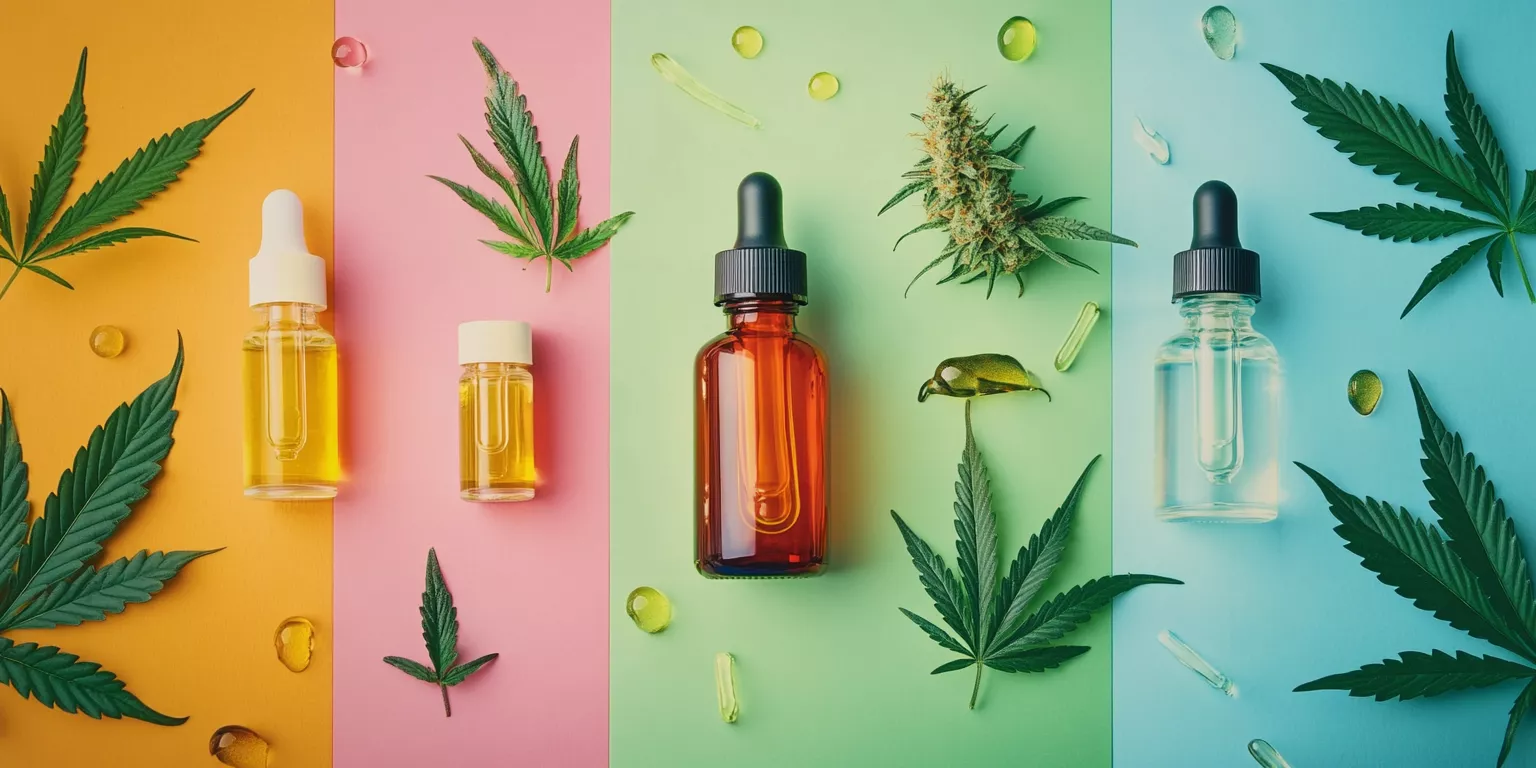
Microdose
Learn how to microdose cannabis for focus, calm & relief without the high.
What Is a Microdose Cannabis Approach?
To microdose cannabis is to deliberately consume a very small, sub-perceptual amount of cannabinoids — typically just enough to produce a subtle therapeutic effect without the pronounced intoxication associated with recreational use. Rather than chasing a strong high, the goal is functional relief: a gentle smoothing of edges that leaves you clear-headed, productive, and present. The term borrows from the broader microdosing movement that gained traction with psychedelics, but in the cannabis world it has developed its own evidence base and dosing logic.
The core principle is restraint. Where a typical recreational dose of THC might range from 5 to 25 milligrams or more, a microdose usually sits between 1 and 5 milligrams. At this level, many consumers report mood support, mild relaxation, or symptom relief while remaining fully capable of working, driving local errands, parenting, or socializing without noticeable impairment.
This approach reframes cannabis as a wellness tool rather than a purely recreational substance. It appeals to people who are cannabis-curious but wary of feeling "stoned," as well as to experienced consumers who have found that less can genuinely deliver more when the goal is consistency over intensity.
How Microdose Cannabis Works in the Body
The endocannabinoid system as the central hub: Cannabinoids exert their effects primarily through the endocannabinoid system, a network of receptors that helps regulate mood, appetite, sleep, pain perception, and immune function. CB1 receptors concentrate in the brain and central nervous system, while CB2 receptors appear more in peripheral tissues. A microdose nudges this system gently, supporting balance rather than overwhelming it.
Receptor saturation and diminishing returns: One reason microdosing makes pharmacological sense is that cannabinoid receptors do not respond in a strictly linear way. Beyond a certain threshold, additional THC produces little extra benefit and often introduces unwanted side effects such as anxiety, racing heart, or grogginess. Keeping the dose low can capture much of the upside while sidestepping the downside.
Individual response varies considerably. Body weight, metabolism, tolerance, the presence of other cannabinoids like CBD, and even the time of day all influence how a given amount feels. This is why two people taking the identical 2.5 milligram gummy can have noticeably different experiences, and why personal calibration matters more than any chart.
Why People Microdose Cannabis
The motivations behind microdosing are remarkably varied, but they share a common thread: people want the benefits of cannabis woven into daily life without disruption. For many, the appeal is staying functional. A microdose can take the edge off a stressful afternoon without clouding judgment or sapping motivation.
Functional wellness over recreation: Professionals, creatives, and caregivers increasingly turn to small doses to manage stress, support focus, or ease minor aches while remaining sharp. The experience is meant to be felt subtly in the background, not to dominate the day.
Common reasons people adopt a microdosing routine include:
- 🌿 Daytime symptom relief: Managing mild pain, tension, or nausea without sedation.
- 😌 Stress and mood support: Taking the sharp edges off anxious moments while staying clear.
- 💤 Better sleep onset: A small evening dose to ease into rest without morning fog.
- 🎯 Sustained focus: Some report a gentle lift that helps with flow-state tasks.
- 📉 Tolerance management: Keeping cannabinoid tolerance low so less product is needed over time.
Microdose Cannabis Dosing Guide
Finding your personal microdose is a process of patient experimentation rather than a fixed formula. The guiding mantra in cannabis dosing is "start low and go slow," and nowhere is that more relevant than here. Most people begin at the very bottom of the range and adjust only after observing how their body responds over several days.
A practical starting framework: Many newcomers begin with 1 to 2.5 milligrams of THC and hold there for two or three sessions before considering an increase. Because edibles and oils take longer to take effect, waiting the full onset window before redosing prevents accidental overconsumption.
A general reference range many consumers use to calibrate:
- 🟢 1–2 mg THC: True microdose territory — subtle, often sub-perceptual relief.
- 🟡 2.5–5 mg THC: Light effect, still functional for most experienced users.
- 🟠 5–10 mg THC: Moderate effect, noticeable impairment for many — beyond microdosing.
- 🔴 10 mg+ THC: Full recreational dose, not suitable for daytime functionality.
Pairing THC with CBD can soften the psychoactive edge, making a microdose feel even gentler. A balanced ratio such as 1:1 or a CBD-dominant blend often suits those who are especially sensitive or new to cannabis entirely.
Best Microdose Cannabis Products and Formats
Not every cannabis format lends itself to precise small doses. The best products for microdosing offer reliable, measurable amounts so you can replicate the same experience day after day. Precision is the deciding factor — guesswork undermines the entire approach.
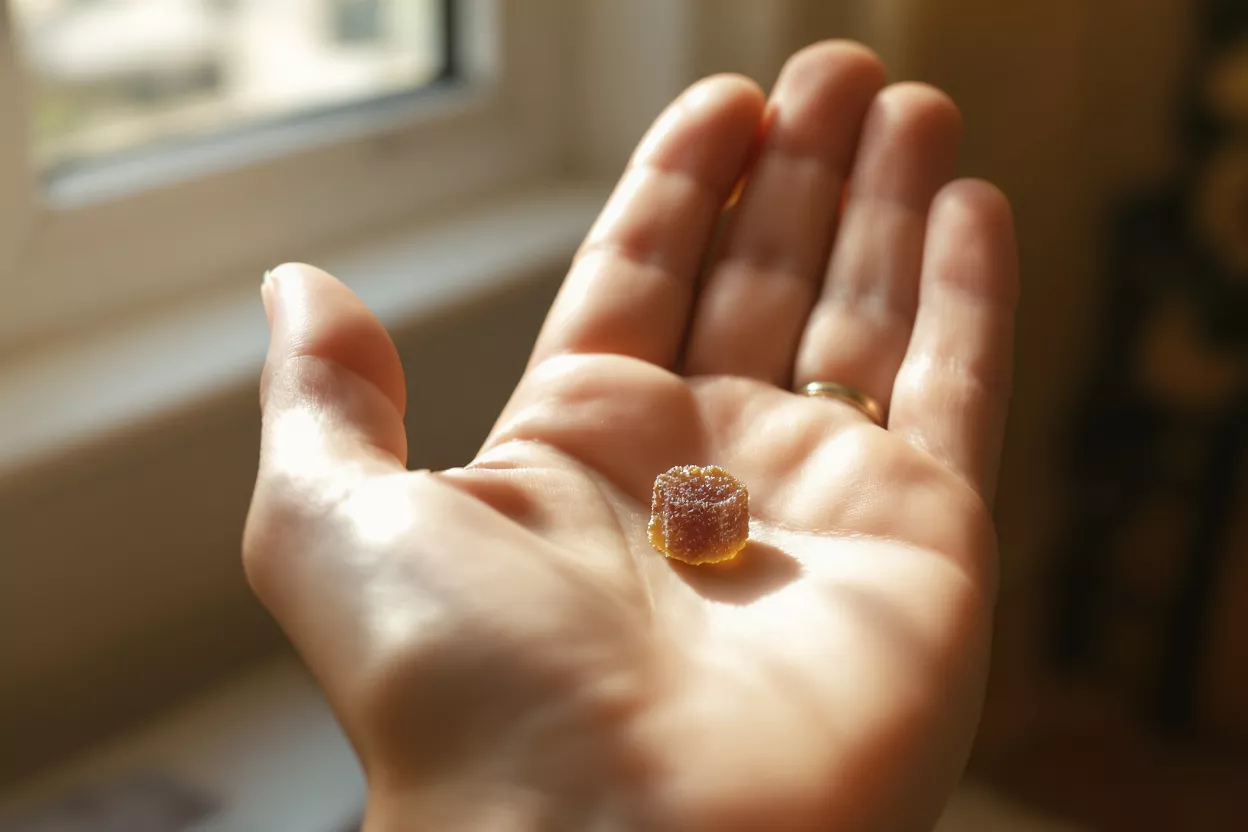
Edibles and softgels for repeatable doses: Low-dose gummies and capsules are among the most popular choices because each unit contains a lab-verified amount. Look for products that come in 2.5 milligram pieces or that score easily so you can halve them.
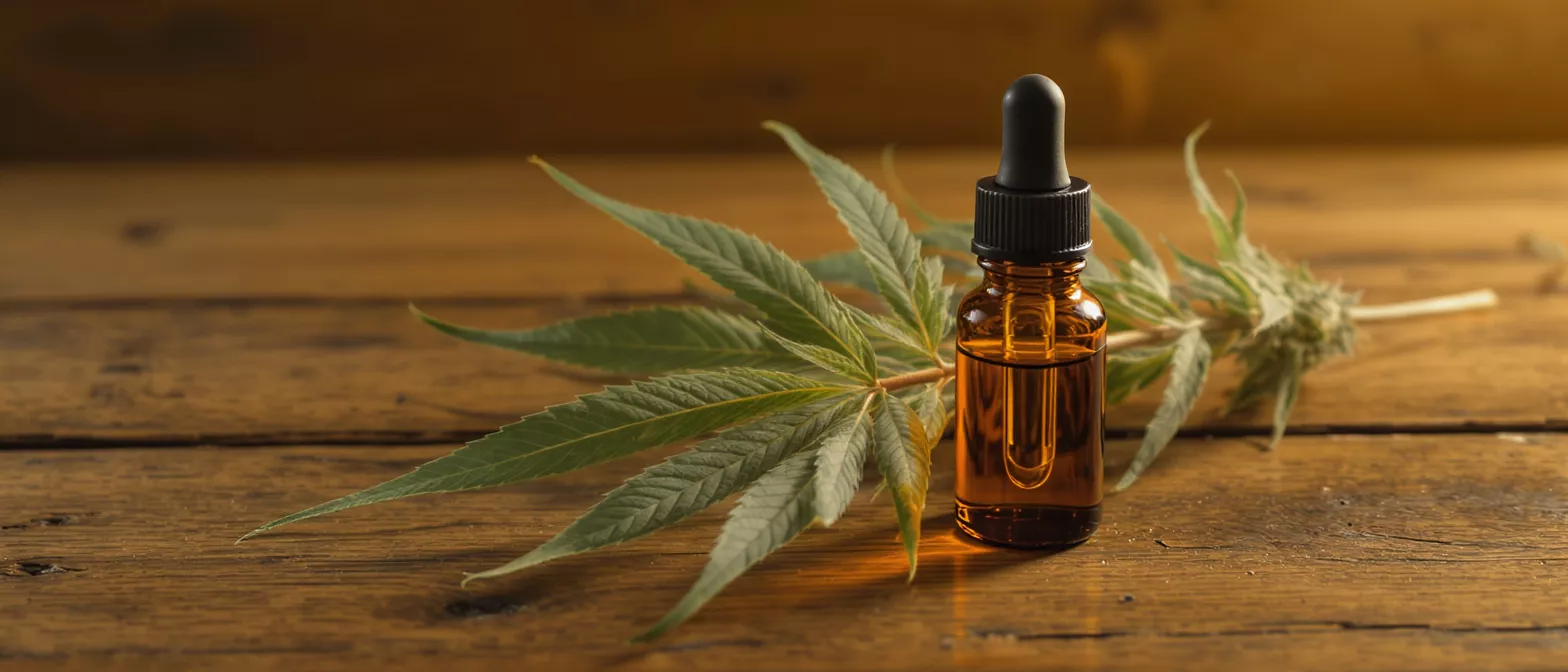
Tinctures for fine adjustment: A tincture with a marked dropper lets you titrate down to fractions of a milligram, which is invaluable when dialing in your ideal dose. Held under the tongue, it also acts faster than a swallowed edible.
Popular microdose-friendly formats include:
- 🍬 Low-dose edibles: Pre-portioned 2.5 mg gummies and mints for grab-and-go consistency.
- 💧 Tinctures and oils: Dropper control for precise, gradual titration.
- 💊 Capsules and softgels: Discreet, tasteless, and exactly measured every time.
- 🖊️ Vape with metered draws: Faster onset for those who prefer inhalation and want quick feedback.
Microdose Cannabis for Anxiety and Focus
One of the most discussed applications of microdosing is managing anxiety while preserving — or even improving — focus. The relationship between THC and anxiety is famously dose-dependent: small amounts can feel calming, while larger amounts can do the opposite and trigger unease or racing thoughts.
The calm-versus-jittery threshold: Research and consumer reports both suggest a tipping point at which THC flips from anxiolytic to anxiogenic. Staying well below that personal threshold is the entire point of microdosing for anxiety, and it explains why many people who dislike feeling high still find value in tiny amounts.
For focus, the picture is more individual. Some people find that a microdose quiets mental noise enough to settle into deep work, while others find any THC distracting. Adding CBD or choosing strains rich in supportive terpenes can tilt the experience toward clarity. As always, the only reliable way to know is careful, low-stakes experimentation in a setting where impairment would not cause problems.
The Biphasic Effect Explained
The biphasic nature of cannabis is the scientific backbone of microdosing. "Biphasic" simply means that a substance can produce opposite effects at low versus high doses. With cannabis, a small amount may relax and uplift, while a large amount of the same product can sedate, cloud, or agitate.
Why more is not always better: This dose-response curve is exactly why piling on more THC frequently backfires. If a 2 milligram dose eases your tension, doubling or tripling it may not double the relief — it may instead introduce paranoia, fatigue, or a foggy hangover the next morning. Understanding the curve helps consumers resist the instinct to keep increasing.
The biphasic effect also explains tolerance dynamics. Consistently flooding receptors with high doses prompts the body to downregulate, meaning you need ever more product to feel the same thing. Microdosing keeps you on the efficient side of the curve, often allowing the same modest dose to remain effective for far longer.
How to Start Microdosing Cannabis Safely
Beginning a microdosing practice is straightforward when approached methodically. The single most important habit is patience — giving each dose enough time to reveal its full effect before deciding whether to adjust. Rushing the process is the most common path to an unpleasant experience.
A simple starting protocol: Choose a low-dose product, ideally 2.5 milligrams or less, on a calm day with no obligations. Take it, note the time, and wait the full onset window — up to two hours for edibles. Record how you feel in a simple journal, then repeat the same dose for a few days before changing anything.
Helpful practices for a smooth start include keeping a dosing log, choosing products with verified lab results, and avoiding alcohol or other substances during your calibration period. Tracking variables such as time of day, food intake, and your mood beforehand makes it far easier to interpret results and find the sweet spot that works for your body.
Are Microdose Cannabis Routines Safe?
For most healthy adults, microdosing is among the gentler ways to engage with cannabis precisely because the amounts involved are so small. By design, it minimizes the intensity of side effects and reduces the likelihood of the uncomfortable overconsumption episodes that scare newcomers away. That said, "gentle" is not the same as "risk-free."
Who should exercise extra caution: People who are pregnant or breastfeeding, those with a history of psychosis, and anyone taking medications metabolized by the liver should consult a healthcare provider before starting. Cannabinoids can interact with certain prescriptions, and individual medical circumstances always take precedence over general guidance.
It is also worth remembering that legality, product quality, and accurate labeling vary widely. Purchasing from regulated sources with third-party lab testing is the best way to ensure that a "2.5 milligram" dose truly contains what it claims — the foundation on which safe, consistent microdosing depends.
Common Microdosing Mistakes to Avoid
Even with the best intentions, it is easy to undermine a microdosing routine with avoidable errors. The most frequent is impatience: redosing before the first dose has taken full effect, which can quietly push a microdose into recreational territory and defeat the entire purpose.
Other common pitfalls worth sidestepping:
- ⏱️ Redosing too soon: Always wait the full onset window before considering more.
- 📏 Inconsistent dosing: Eyeballing flower or unmarked products makes results impossible to interpret.
- 🍷 Mixing with alcohol: Combining substances clouds your read on what the cannabis is actually doing.
- 📓 Skipping a journal: Without notes, you lose track of what dose and timing worked.
- 🔄 Chasing a high: Escalating the dose abandons the low-tolerance advantage microdosing provides.
Microdosing cannabis represents a thoughtful, measured approach that prioritizes function, consistency, and well-being over intensity. By starting low, respecting the biphasic curve, choosing precisely dosed products, and tracking your responses, you can build a sustainable routine tailored to your own physiology. Whether your goal is daytime calm, gentle sleep support, or simply keeping tolerance in check, the microdose philosophy proves that with cannabis, less can often accomplish more.