


Ocimene
Discover ocimene, the sweet herbal cannabis terpene with antimicrobial and anti-inflammatory properties.
What Is Ocimene and Where Does It Come From?
Ocimene is one of the more intriguing terpenes found across the plant kingdom, and it plays a quietly important role in shaping the character of certain cannabis cultivars. As a monoterpene, ocimene contributes to the aromatic complexity that makes some strains stand out with their bright, sweet, and herbaceous profiles. While it rarely dominates a strain's chemistry the way Myrcene often does, its presence can significantly influence both fragrance and potential therapeutic effects.
The name itself derives from Ocimum, the genus that includes basil, hinting at the herb-forward aroma that this compound carries. Chemically, ocimene exists in several isomeric forms—alpha-ocimene and beta-ocimene being the most common—each with subtle structural differences that influence how it smells and behaves. These light, volatile molecules evaporate readily, which is part of why ocimene-rich plants release such an immediate burst of scent when handled or warmed.
Ocimene as a plant defense compound: In nature, ocimene functions as part of a plant's protective arsenal. Many species produce it to deter pests and attract beneficial insects, releasing it in greater quantities when under stress from herbivores. This evolutionary role helps explain why cannabis, a plant rich in defensive Terpenes, synthesizes ocimene alongside dozens of other aromatic molecules in its sticky resin glands.
What Does Ocimene Smell and Taste Like?
The aromatic signature of ocimene is one of its most distinctive features. It carries a sweet, herbaceous quality woven through with woody and citrus undertones, often described as fresh, green, and slightly tropical. When you encounter a cannabis strain with a noticeably bright, almost zesty bouquet that leans herbal rather than skunky, ocimene is frequently part of the equation.
The sensory experience of ocimene: Perfumers prize this terpene precisely because of its uplifting, clean character. It adds lift to fragrance compositions and lends a natural sweetness that feels organic rather than cloying. In cannabis, this translates to flavors that can read as floral, minty, or fruity depending on the surrounding terpene profile and which isomer predominates.
Tasting notes attributed to ocimene often overlap with its aroma, since smell and taste are deeply intertwined in the consumption experience. Vaporizing flower at lower temperatures tends to preserve these delicate top notes, whereas higher heat can burn off the lighter monoterpenes before you fully appreciate them. This is why connoisseurs who chase nuanced flavor often favor gentle, low-temperature methods.
How Ocimene Works in Cannabis Plants
Within the cannabis plant, ocimene is produced in the trichomes—the glistening resin glands that also manufacture cannabinoids like THC and CBD. These tiny factories synthesize terpenes through enzymatic pathways that share precursor molecules with cannabinoid production, meaning the same biological machinery that generates a strain's potency also shapes its aroma.
How growing conditions affect ocimene levels: The concentration of ocimene in any given harvest depends on genetics, but environmental factors play a substantial role too. Light intensity, temperature, soil composition, and the timing of harvest all influence terpene expression. Plants grown under stress or harvested at peak ripeness may produce different terpene ratios than those raised in more stable conditions, which is why the same cultivar can vary noticeably between growers.
Because ocimene is volatile and prone to degradation, proper post-harvest handling matters enormously. Curing, drying, and storage conditions determine how much of this delicate terpene survives to reach the consumer. Excess heat, light exposure, and oxygen all accelerate the loss of monoterpenes, so well-cured flower stored in cool, dark, airtight containers retains far more of its original aromatic complexity.
Ocimene Therapeutic Properties and Research
Beyond its sensory appeal, ocimene has attracted scientific interest for a range of potential therapeutic properties. Laboratory research has explored its biological activity, and while much of this work remains preliminary and focused on isolated compounds rather than whole-plant cannabis, the findings paint an encouraging picture worth understanding in context.
Antimicrobial and antifungal activity: Several studies have documented ocimene's ability to inhibit the growth of bacteria and fungi. This aligns neatly with its natural role as a plant defense compound—the same properties that protect the living plant from microbial threats may have applications in human health and food preservation. Researchers have examined ocimene-containing essential oils for their capacity to combat pathogenic organisms.
Anti-inflammatory and antioxidant potential: Other investigations point toward anti-inflammatory and antioxidant effects. Inflammation underlies a wide spectrum of chronic health conditions, so compounds that can modulate inflammatory pathways draw considerable attention from the research community. Ocimene's antioxidant capacity may help neutralize free radicals, the reactive molecules implicated in cellular aging and damage.

Ocimene Benefits for Health and Wellness
Translating laboratory observations into real-world wellness benefits requires care, since terpene research in humans is still maturing. That said, the accumulating evidence around ocimene suggests several avenues where it may contribute meaningfully to a holistic cannabis experience, particularly when working in concert with other plant compounds.
Many users report that strains rich in ocimene feel uplifting and energizing rather than sedating, a subjective observation that fits the terpene's bright, fresh aromatic personality. While individual responses vary, this association between ocimene-forward profiles and a clear-headed, active experience appears frequently in cultivar descriptions and user feedback.
Here are some of the potential benefits research and traditional use have associated with ocimene:
- 🌿 Antimicrobial support: Demonstrated activity against various bacteria and fungi in laboratory settings.
- 🔥 Anti-inflammatory potential: May help modulate inflammatory responses linked to chronic discomfort.
- 🍃 Antioxidant action: Capacity to neutralize free radicals that contribute to cellular stress.
- 💨 Decongestant qualities: Some evidence suggests it may help ease respiratory congestion.
- ✨ Uplifting character: Frequently associated with energizing, mood-brightening strain profiles.
Cannabis Strains High in Ocimene
Certain cannabis cultivars are known to express ocimene more prominently than others, though it usually appears as a secondary or tertiary terpene rather than the dominant note. Identifying these strains often requires reviewing a certificate of analysis, since visual inspection alone cannot reveal precise terpene concentrations.
Popular ocimene-forward cultivars: Strains frequently cited for notable ocimene content include Golden Goat, Clementine, Strawberry Cough, Green Crack, and Dream Queen. These cultivars tend to share bright, sweet, and citrus-leaning aromatic profiles that align with ocimene's signature character. Many of them also carry reputations as uplifting, daytime-friendly options.
When exploring strains for their terpene content, keep these considerations in mind:
- 🔬 Check the lab results: A certificate of analysis lists terpene percentages, letting you verify ocimene content rather than guessing.
- 🌱 Mind the batch variation: The same strain can vary in terpene levels between harvests and growers.
- 👃 Trust your nose: Bright, sweet, herbal aromas often signal a meaningful ocimene presence.
- ⚖️ Consider the full profile: Ocimene rarely acts alone—the surrounding terpenes shape the overall effect.

Ocimene and the Entourage Effect
One of the most compelling concepts in modern cannabis science is the Entourage Effect, the theory that cannabis compounds work better together than in isolation. Ocimene is a meaningful participant in this synergistic dance, interacting with cannabinoids and fellow terpenes to shape the character of the overall experience.
How ocimene interacts with other terpenes: When ocimene appears alongside terpenes like Limonene and Pinene, the combination can amplify uplifting, clear-headed qualities. These bright monoterpenes seem to complement one another, reinforcing the energizing reputation that ocimene-rich strains often enjoy. The interplay matters more than any single compound's concentration.
This synergy is why whole-plant or full-spectrum products are often preferred over isolated compounds. Preserving the natural terpene profile, including trace amounts of ocimene, allows the full orchestra of plant chemistry to play together. Consumers seeking nuanced, layered experiences typically gravitate toward products that retain this botanical complexity rather than stripped-down isolates.
Where Else Is Ocimene Found in Nature?
Ocimene is far from exclusive to cannabis. This widespread terpene appears throughout the botanical world, contributing its fresh, sweet character to a remarkable variety of plants, fruits, and herbs that humans have valued for centuries.
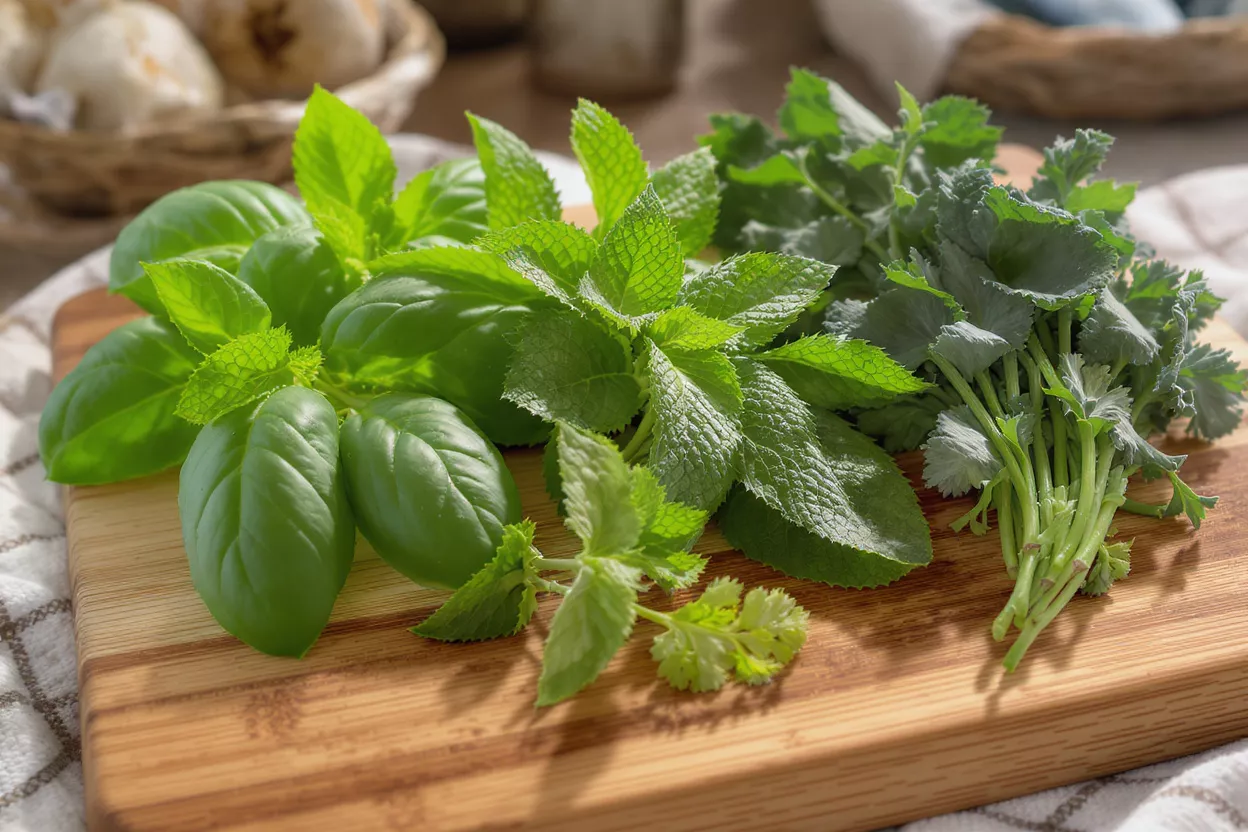
Common natural sources of ocimene: You will encounter ocimene in mint, parsley, basil, orchids, kumquats, mangoes, bergamot, lavender, hops, and pepper, among many others. Its prevalence across so many beloved aromatic plants explains why the terpene feels so familiar and pleasant—our palates have encountered it countless times through everyday foods and fragrances.
The fact that ocimene saturates the human diet and environment so thoroughly speaks to its general safety and the deep evolutionary relationship between people and plant terpenes. Every time you enjoy a ripe mango or brush against a basil plant in the garden, you are experiencing the same molecule that adds brightness to certain cannabis cultivars. This ubiquity makes ocimene one of nature's most accessible aromatic gifts. 🥭
Is Ocimene Safe to Consume?
Safety is a natural concern for anyone exploring cannabis terpenes, and ocimene has a reassuring profile in this regard. As a compound found abundantly throughout the food supply, it has a long history of human exposure without significant cause for alarm in the quantities typically encountered.
Understanding ocimene safety considerations: Regulatory bodies generally recognize the terpenes found in common foods as safe at dietary levels. The trace amounts of ocimene present in cannabis flower fall well within ranges that humans regularly consume through fruits, herbs, and spices. As with any concentrated botanical extract, however, more concentrated isolated forms warrant respect and moderation.
Individuals with specific sensitivities or allergies should always exercise appropriate caution, and anyone with underlying health conditions or who is pregnant should consult a healthcare professional before introducing new cannabis products. While ocimene itself carries a favorable safety reputation, the broader cannabis products that contain it include cannabinoids and other compounds that merit thoughtful, informed use.
How to Choose Ocimene-Rich Cannabis Products
Selecting cannabis products that deliver a meaningful ocimene experience comes down to informed shopping and a willingness to read the details. Since this terpene rarely dominates a profile, finding it in appreciable amounts rewards a bit of diligence and curiosity.
Reading certificates of analysis: The single most reliable way to confirm ocimene content is by examining a product's lab-tested terpene breakdown. Reputable producers publish certificates of analysis that quantify individual terpenes, allowing you to compare options objectively rather than relying on marketing language. Look for products where ocimene appears among the listed terpenes at a percentage you can verify.
Beyond the lab data, your own senses and experience become valuable guides over time. As you sample different strains and note which ocimene-forward profiles resonate with you, you build a personal map of preferences. Pairing this experiential knowledge with objective testing data creates the most satisfying path toward products that consistently deliver the bright, herbaceous, uplifting qualities that make ocimene such a rewarding terpene to seek out.

Ocimene may not be the most famous terpene in the cannabis lexicon, but its sweet, herbal brightness and promising therapeutic profile make it well worth understanding. From its role as a natural plant defender to its potential antimicrobial, anti-inflammatory, and antioxidant properties, this versatile monoterpene contributes far more than just pleasant aroma. By learning to recognize ocimene-rich strains, reading lab results carefully, and appreciating how this compound works within the broader entourage of cannabis chemistry, you can make more informed choices and deepen your appreciation for the remarkable complexity of the plant.





Comments