

PHO
Discover what PHO is, how propane hash oil is made, and why it preserves terpenes so well.
What Is Propane Hash Oil (PHO)?
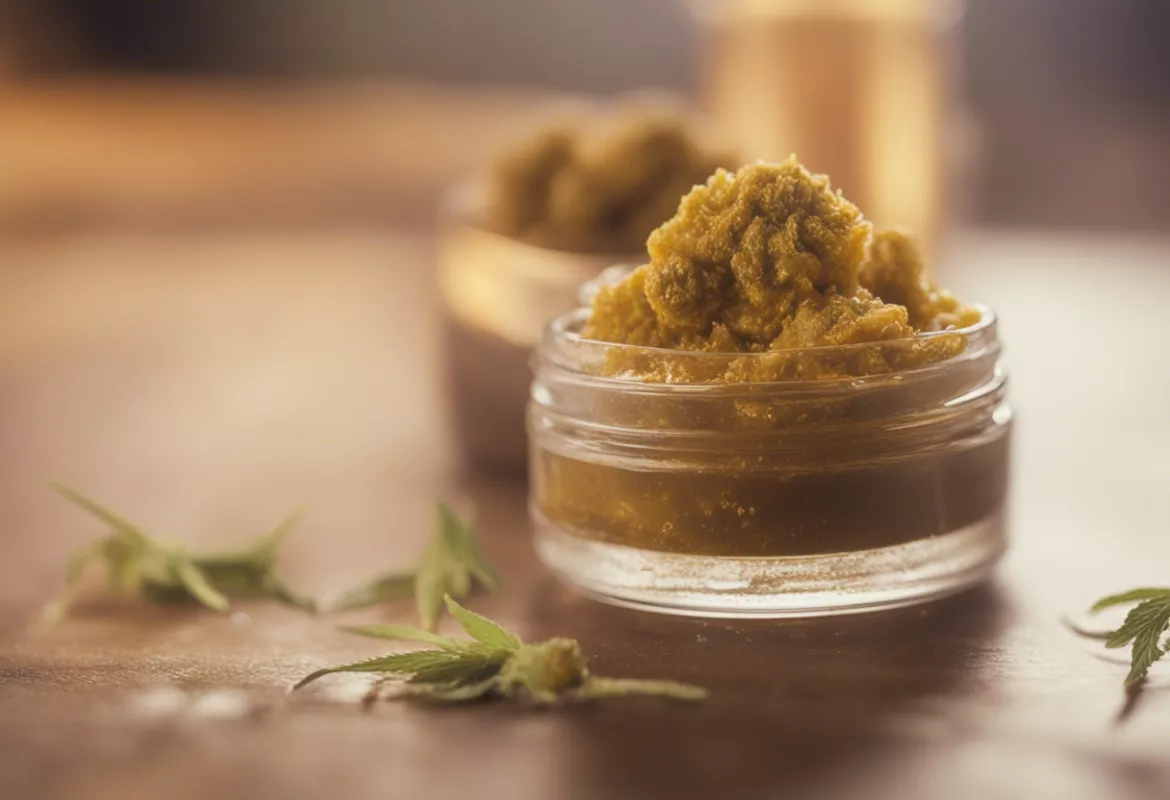
Propane hash oil (PHO) is a cannabis concentrate produced by extracting cannabinoids and terpenes from plant material using liquid propane as the primary solvent. It belongs to the same family of hydrocarbon extracts as butane hash oil, but the choice of propane gives PHO a distinctive character that connoisseurs and producers have come to appreciate. The result is a potent, flavorful concentrate that captures much of what makes a particular cannabis cultivar unique.
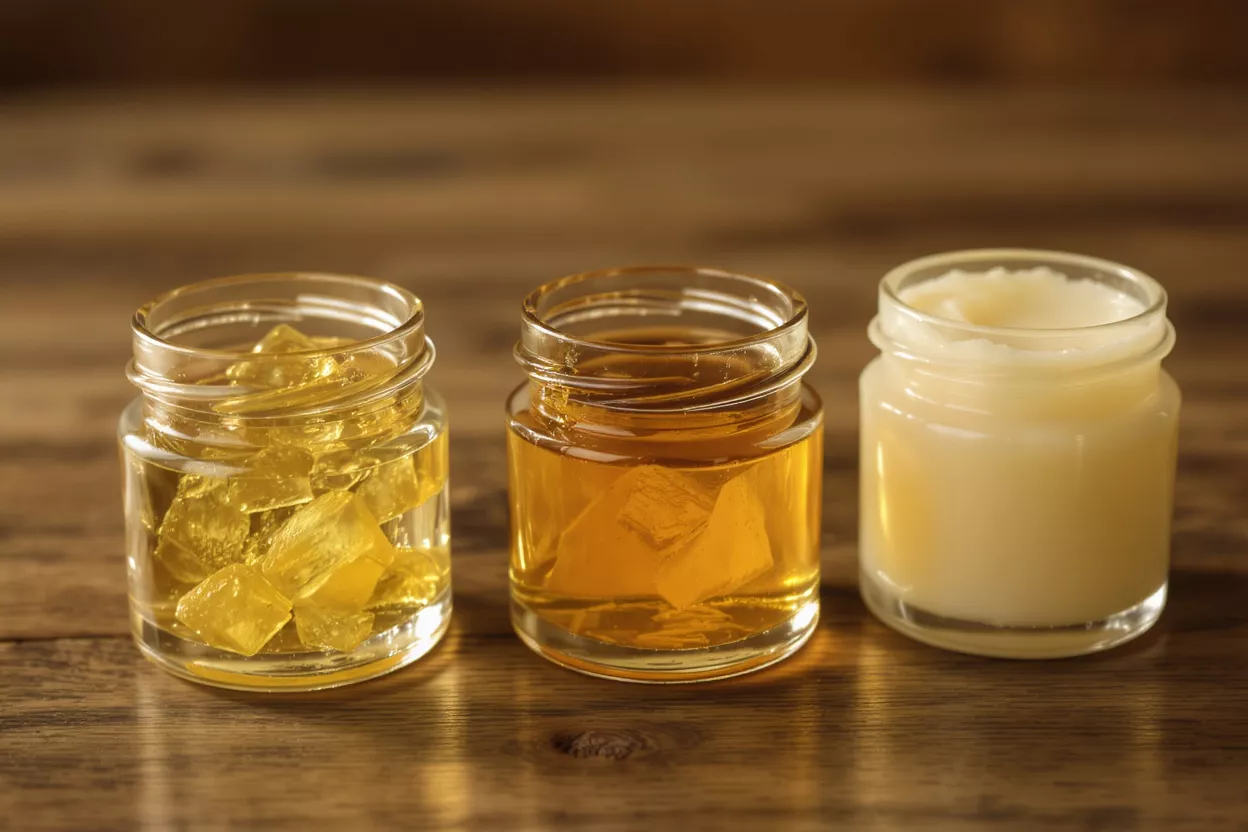
The name describes the process, not a single product. PHO is not one fixed texture or consistency. Depending on how the extraction is finished and post-processed, propane hash oil can appear as a glassy shatter, a soft budder, a crumbly wax, or a sauce studded with crystalline structures. What unites them all is the solvent that pulled the desirable compounds out of the flower.
For anyone exploring modern concentrates, understanding propane hash oil opens a window into how solvent selection shapes the final experience. The physical properties of propane, particularly its low boiling point, allow extractors to work at colder temperatures and pull a slightly different profile of compounds than other hydrocarbons would.
How Propane Hash Oil (PHO) Extraction Works
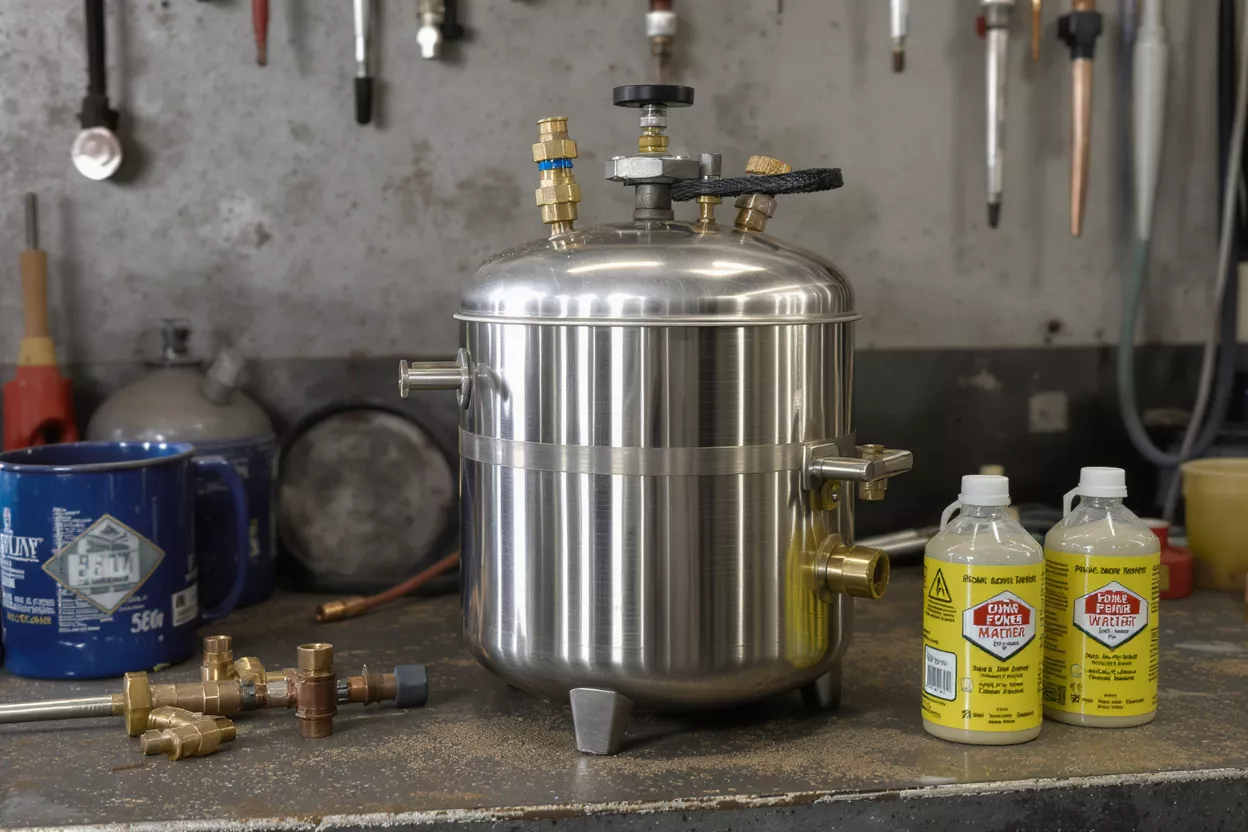
The extraction begins by packing cured cannabis material into a sealed column inside a closed-loop system. Liquid propane is then pushed through the column under pressure, dissolving the trichome-rich resin while leaving most of the unwanted plant matter behind. Because the entire process happens in a sealed environment, the highly flammable solvent never contacts open air, which is essential for both safety and consistency.
Propane's low boiling point changes everything downstream. Propane boils at roughly minus 42 degrees Celsius, considerably lower than butane. This means it purges from the extract more readily at lower temperatures, reducing the heat stress placed on delicate terpenes. Many producers see this as the central advantage of working with propane rather than heavier solvents.
After the propane saturates the material and carries the resin into a collection chamber, the solvent is recovered and the remaining oil is purged in a vacuum oven. This final step removes residual solvent until the concentrate meets safety thresholds. The specific temperature, vacuum level, and duration of this purge largely determine whether the finished product ends up as shatter, badder, or sauce.
PHO vs BHO: Which Solvent Is Better?
The comparison between propane hash oil and butane hash oil comes up constantly, and the honest answer is that neither solvent is universally superior. Each pulls a slightly different spectrum of cannabinoids and terpenes, and many of the most respected extracts on the market actually use a blend of the two.
Propane tends to favor lighter terpenes and higher terpene retention. Because it operates at lower temperatures and purges quickly, propane is often credited with producing extracts that taste brighter and more aromatic. It also tends to yield softer, more malleable textures like budder and sauce rather than brittle shatter.
Butane, by contrast, is frequently better at dissolving a fuller range of cannabinoids and can produce higher overall yields from the same starting material. This is precisely why many extractors reach for a propane-butane blend, capturing the terpene-friendly nature of propane alongside the cannabinoid efficiency of butane. The table below summarizes the practical differences.
- 🌡️ Boiling point: Propane purges cleaner at colder temperatures, protecting heat-sensitive aromatics.
- 🍋 Terpene retention: PHO typically preserves volatile, citrus-forward terpenes more effectively.
- ⚖️ Yield: Butane usually extracts more total cannabinoids per gram of input.
- 🧈 Texture: Propane leans toward soft budders and sauces; butane toward glassy shatter.
- 🔬 Blends: Many premium extracts combine both solvents for balance.
Types of Propane Hash Oil Concentrates
Propane hash oil is a category rather than a single product, and the variety of textures available reflects the many ways an extract can be finished. The same starting oil can become several distinct products depending on how it is agitated, heated, and purged after extraction.
Texture is mostly a post-processing decision. Whipping the oil during the purge introduces air and produces a creamy budder or badder. Letting it sit undisturbed under specific conditions encourages cannabinoids to crystallize, yielding a terp sauce with diamond formations. Pulling a flat, slow purge can produce a stable, glass-like shatter.
Below is a quick reference for the most common forms of propane hash oil you are likely to encounter at a well-stocked retailer.
- 💎 Sauce: A high-terpene liquid with crystalline cannabinoid structures suspended throughout.
- 🧈 Budder/Badder: Soft, whipped, and easy to handle, prized for flavor and dab consistency.
- 🪟 Shatter: Translucent and brittle, valued for purity and a clean break.
- ❄️ Crumble: Dry and friable, produced by a longer, lower-temperature purge.
Why PHO Preserves Terpenes So Well
Terpenes are the aromatic compounds responsible for the smell and much of the nuanced experience of any cannabis cultivar. They are also notoriously fragile, evaporating and degrading under heat far more readily than cannabinoids. This is where propane hash oil earns its reputation among flavor-focused consumers.
Cold extraction is the key to aromatic preservation. Because propane allows extractors to work and purge at lower temperatures, fewer of these volatile compounds are lost along the way. The finished concentrate often carries a more vivid, true-to-flower aroma than extracts made with solvents that demand more heat to remove.
This terpene preservation does more than improve taste. The entourage effect describes how cannabinoids and terpenes work together to shape the overall character of a concentrate. By holding onto a richer terpene profile, PHO can deliver a more rounded and expressive experience than a stripped-down, terpene-poor extract.
Is Propane Hash Oil (PHO) Safe to Consume?
When produced properly in a professional closed-loop system and tested by an accredited laboratory, propane hash oil is safe to consume. The concern that occasionally surrounds hydrocarbon extracts comes down to one thing: residual solvent. A finished concentrate must have its propane purged down to trace levels well below regulatory thresholds before it reaches a consumer.
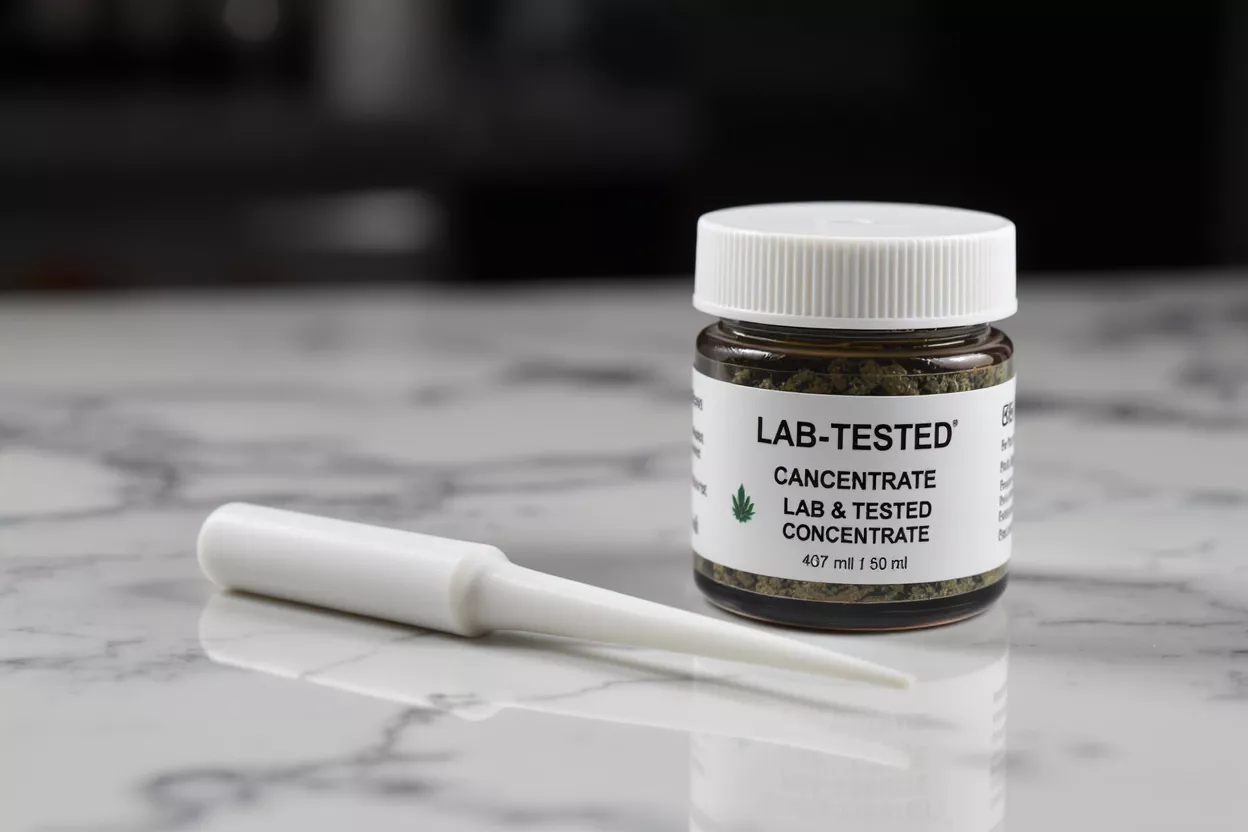
Lab testing is the consumer's strongest safeguard. Reputable producers send every batch for analysis that screens for residual solvents, pesticides, heavy metals, and microbial contaminants. A clean certificate of analysis confirms that the purge was effective and the starting material was free of harmful inputs. Always favor products backed by accessible test results.
The real danger associated with PHO lies in unregulated home extraction. Propane is extremely flammable, and attempting open-blast extraction outside a sealed, professional setup is genuinely hazardous. The safe path forward is simple: purchase PHO from licensed sources that operate proper equipment and publish their lab work.
How to Use Propane Hash Oil Concentrates
The most popular way to enjoy propane hash oil is dabbing, which involves vaporizing a small amount of concentrate against a heated surface and inhaling the resulting vapor. A dab rig or an electronic device with temperature control lets you flash-vaporize the extract and capture its full flavor in a single inhale.
Low-temperature dabbing protects the very terpenes PHO works hard to preserve. Dabbing at high heat scorches those aromatic compounds and produces a harsh, flat-tasting vapor. Heating your nail to a moderate temperature, somewhere in the range that vaporizes terpenes without combusting them, rewards you with the bright flavor that makes propane hash oil distinctive.
Dabbing is not the only option. Many consumers crumble a small amount of PHO onto a bowl of flower or twist it into a joint to boost potency. Concentrate-compatible vaporizers also offer a portable, lower-temperature way to enjoy the same extract without a full dab setup.
How to Store PHO Concentrates Properly
Proper storage protects the qualities that make propane hash oil worth buying in the first place. Heat, light, and air are the three enemies of any concentrate, accelerating terpene loss and cannabinoid degradation. Managing these factors keeps your extract flavorful and potent far longer.
Cool and dark is the storage rule worth remembering. Store PHO in an airtight, non-stick container kept away from direct sunlight and heat sources. A cabinet or drawer that stays consistently cool works well for everyday use, and many enthusiasts refrigerate concentrates they intend to keep for extended periods.
Texture also influences storage behavior. Saucy, high-terpene extracts can separate or become runny in warmth, while shatter may soften and lose its snap. Keeping the container sealed between uses and minimizing how long it sits open preserves both the consistency and the aromatic punch you paid for.
- 🌑 Block light: Use opaque or shaded containers to prevent UV degradation.
- 🧊 Keep it cool: Store below room temperature; refrigerate for long-term keeping.
- 🛡️ Seal it tight: Limit air exposure to slow terpene evaporation.
- 🧴 Use non-stick surfaces: Silicone or borosilicate glass prevents waste and sticking.
What to Look For When Buying PHO
Not all propane hash oil is created equal, and a few simple checks separate a premium extract from a mediocre one. The most reliable signal of quality is transparency: a producer who readily shares lab results and sources clean starting material has nothing to hide.
Aroma and appearance tell you a lot before the first dab. A high-quality PHO should smell vivid and true to its source cultivar rather than flat or solvent-tinged. Color tends to range from pale gold to amber; an overly dark or greasy extract can hint at lower-grade input material or an incomplete purge.
Beyond the sensory check, consider the source flower and the extractor's reputation. Concentrates made from fresh, high-quality cannabis simply taste better and hit cleaner. When in doubt, lean on the certificate of analysis and the standing of the brand to guide your purchase.
The Future of Propane Hash Oil Extraction
Propane hash oil sits at an interesting moment in the evolution of cannabis extraction. As consumer palates grow more sophisticated and demand for full-flavored, terpene-rich concentrates climbs, the solvent's natural advantages in aromatic preservation have kept it firmly in the conversation among extractors and connoisseurs alike.
Blended and refined techniques are pushing quality higher. The growing popularity of propane-butane blends, alongside improvements in closed-loop equipment and purge protocols, continues to raise the ceiling for what hydrocarbon extracts can achieve. The trend points toward concentrates that capture ever more of the living plant's character.
To sum up, propane hash oil (PHO) is a potent, terpene-forward concentrate defined by its use of propane as a solvent. Its low-temperature extraction protects the delicate aromatics that give cannabis its personality, its many textures suit every preference from shatter to sauce, and its safety hinges entirely on professional production and honest lab testing. For anyone chasing flavor as much as potency, PHO remains one of the most rewarding concentrates to explore.

Comments