


Butane extraction
Learn how butane extraction creates potent cannabis concentrates.
What Is Hydrocarbon Extraction in Cannabis?
Hydrocarbon extraction is a solvent-based method that uses pressurized liquid gases — most commonly butane, propane, or a blend of the two — to strip cannabinoids and terpenes from cannabis plant material. The technique has become the industry standard for producing the most flavorful and potent concentrates on the market, prized by connoisseurs for how faithfully it captures the character of the original flower. When people talk about dabs, shatter, wax, or live resin, they are almost always talking about products made through this process.
The appeal comes down to chemistry. Light hydrocarbon solvents are remarkably efficient at dissolving the oily, resinous compounds found in the plant's trichomes while leaving behind unwanted material like chlorophyll, waxes, and plant cellulose. The result is a concentrate that can reach 70% to 90% cannabinoid content, a dramatic leap from the 15% to 25% typically found in dried buds.
Why processors gravitate toward this method: hydrocarbons operate at low temperatures and tunable pressures, giving extractors fine control over what they pull from the plant. That precision is the reason hydrocarbon extraction dominates the premium concentrate category despite the technical demands and safety considerations it carries.
How Hydrocarbon Extraction Works Step by Step
At its core, the process passes a chilled liquid solvent through a column packed with cannabis. The solvent dissolves the desirable compounds, carries them out of the plant material, and is then evaporated away, leaving behind a concentrated extract. While that sounds simple, each stage demands careful control of temperature, pressure, and flow to produce a clean, consistent product.
The extraction sequence breaks down into clear phases. Understanding the order helps explain why the finished concentrate looks and behaves the way it does:
- ❄️ Chilling: Both the solvent and the cannabis material are cooled, often to sub-zero temperatures, which keeps unwanted waxes and lipids from dissolving into the solution.
- 🌿 Soaking: Liquid butane or propane washes over the biomass inside a sealed column, dissolving cannabinoids and terpenes in seconds to minutes.
- 💧 Collection: The cannabinoid-rich solution drains into a collection vessel, separated from the spent plant matter.
- 🔥 Purging: Heat and vacuum evaporate the solvent out of the extract, leaving concentrated oil behind.
The whole cycle can be tuned to favor certain outcomes. Colder runs with shorter soak times tend to yield lighter, more terpene-forward extracts, while warmer conditions pull a broader spectrum of compounds. This flexibility is precisely why experienced extractors treat the process as much as an art as a science.
Butane vs Propane: Choosing the Right Solvent
Butane and propane are the two workhorses of hydrocarbon extraction, and many modern operations blend them to capture the strengths of each. Butane has a higher boiling point and tends to pull a fuller range of cannabinoids and heavier terpenes, producing the classic textures associated with BHO. Propane runs at higher pressure and lower boiling point, favoring lighter terpenes and producing softer, more malleable consistencies like budder and badder.
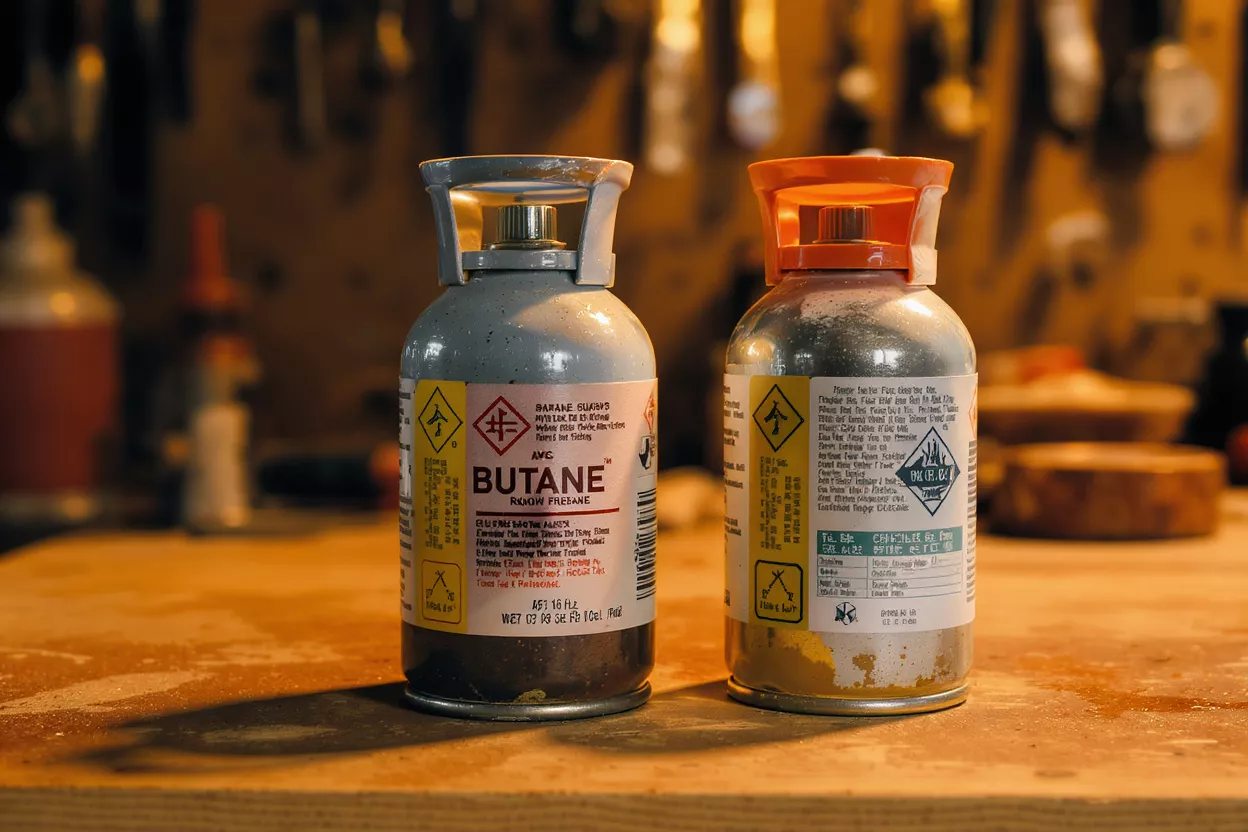
Blended solvent systems have become the norm. A common ratio is 70% butane to 30% propane, which balances terpene retention against the easier purging that propane allows. The propane fraction also helps reduce the residual solvent left in the final product, since its lower boiling point evaporates more readily during the purge.
The choice ultimately shapes the final product's flavor, aroma, and texture. Extractors select their solvent ratios based on the starting material, the consistency they are targeting, and the terpene profile they want to preserve. There is no single best answer — only the right blend for a given strain and desired outcome.
Types of Hydrocarbon Extracts and Concentrates
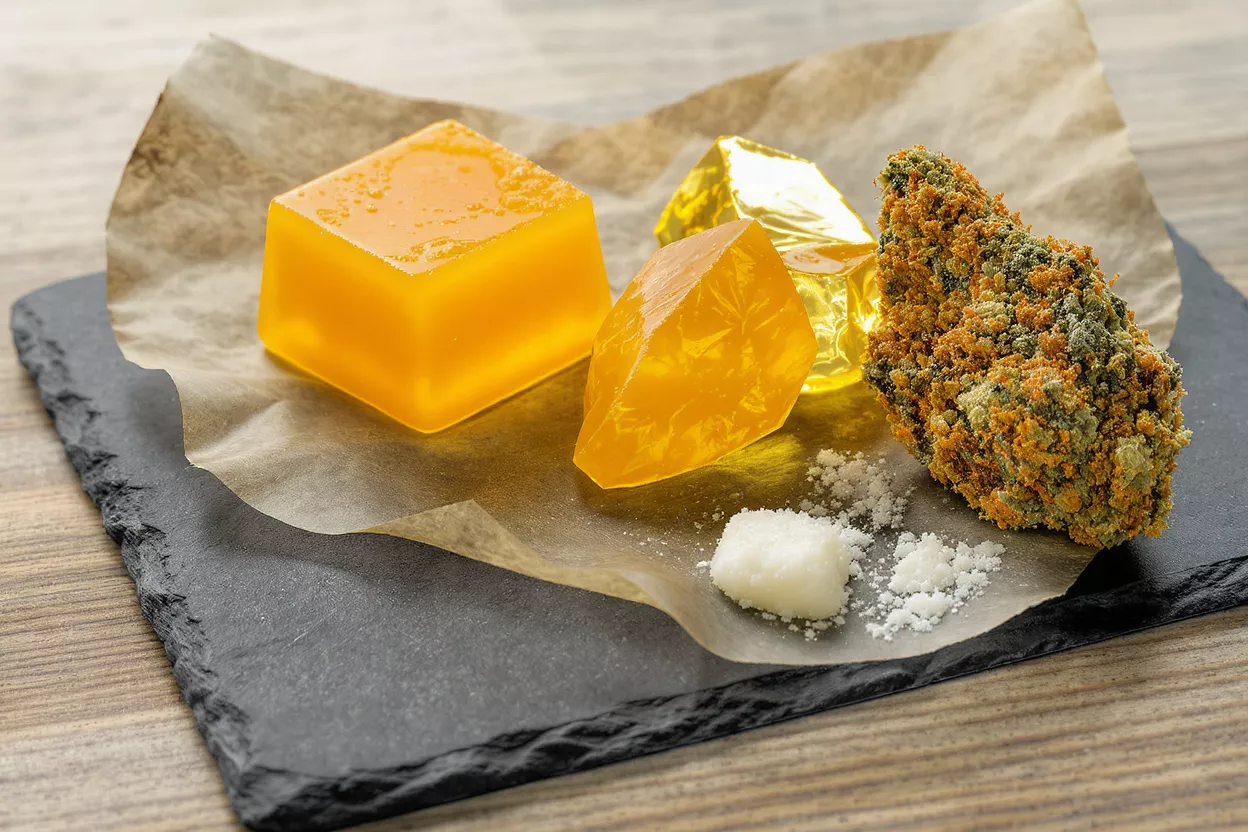
One of the reasons hydrocarbon extraction is so popular is the sheer variety of concentrates it can produce. By adjusting post-extraction handling — temperature, agitation, and purge conditions — the same starting oil can become any number of distinct textures, each with its own appeal.
The concentrate family is broad and texture-driven. Here are the most common forms you will encounter:
- 💎 Shatter: A translucent, glass-like sheet that snaps when broken, prized for its stability and clarity.
- 🧈 Budder and badder: Whipped to a creamy, frosting-like consistency that is easy to handle and dose.
- 🍯 Live resin: Made from fresh-frozen flower to capture the fullest terpene profile and most vivid aroma.
- 🧊 Sugar and sauce: Crystalline cannabinoid structures suspended in a terpene-rich liquid.
- ✨ Diamonds: Isolated crystalline cannabinoids, often THCA, that can exceed 95% purity.
Live resin deserves special mention because it represents the pinnacle of terpene preservation. By flash-freezing the plant immediately after harvest and extracting from that frozen material, processors lock in volatile aromatic compounds that would otherwise degrade during drying and curing. The result is a concentrate that tastes and smells startlingly close to the living plant.
Why Hydrocarbon Extraction Preserves Terpenes
Terpenes are the volatile aromatic molecules responsible for cannabis's vast range of scents and flavors, and they are notoriously fragile. Heat and oxygen degrade them quickly, which is why preserving them is one of the central challenges of any extraction method. Hydrocarbon extraction excels here because it operates at low temperatures that keep these delicate compounds intact.
The low boiling points of butane and propane mean the solvent can be evaporated without subjecting the extract to the high heat that would scorch off the lighter terpene fractions. This thermal gentleness is the foundation of the method's reputation for flavor.
Terpene preservation matters for more than taste. Many researchers point to the entourage effect, the theory that cannabinoids and terpenes work together to shape the overall experience. By retaining a fuller spectrum of these compounds, hydrocarbon extracts may deliver a more complete and nuanced effect than products stripped of their aromatic content.
Hydrocarbon Extraction Equipment Explained
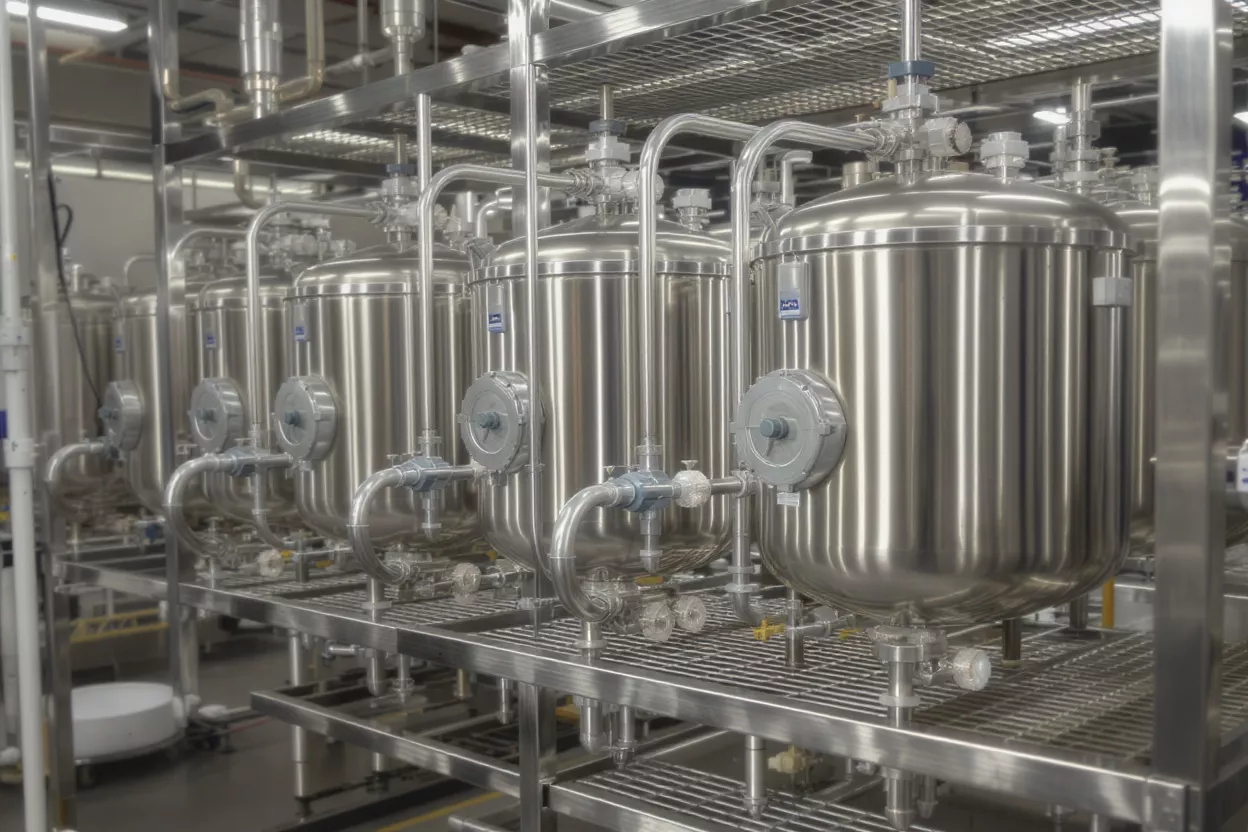
Professional hydrocarbon extraction takes place in a closed-loop system, a sealed apparatus that recovers and recycles the solvent rather than venting it into the air. This is a critical distinction from the dangerous open-blasting methods of the past, and it is the reason licensed facilities can operate safely at scale.
The closed-loop system has several key components. Each plays a role in moving solvent through the cycle without exposing it to ignition sources or the open atmosphere:
- 🛢️ Solvent tank: Stores the pressurized butane or propane between runs.
- 🧪 Material column: Holds the packed cannabis biomass that the solvent passes through.
- ⚗️ Collection vessel: Captures the cannabinoid-laden solution after extraction.
- ♻️ Recovery pump: Pulls solvent back into the tank for reuse, minimizing waste and exposure.
Modern systems are engineered to medical and industrial standards, with pressure ratings, safety interlocks, and gas detection that make the process controllable. Facilities also house this equipment in dedicated, explosion-proof rooms with proper ventilation, turning what was once a hazardous backyard practice into a precise industrial operation.
Purging and Residual Solvents in BHO
After extraction, the concentrate still contains trace amounts of solvent that must be removed before the product is safe to consume. Purging is the stage where heat and vacuum coax the remaining butane and propane out of the oil, and it is one of the most important quality control steps in the entire process.
Vacuum ovens do the heavy lifting during purging. By lowering the pressure around the extract, a vacuum oven drops the boiling point of the residual solvent, allowing it to evaporate at temperatures gentle enough to protect the terpenes. The process can take hours to days depending on the texture being produced and the thoroughness required.
Reputable producers send every batch to third-party laboratories that test for residual solvents. Regulatory limits are strict, typically measured in parts per million, and well-purged hydrocarbon extracts fall far below those thresholds. When you buy from a licensed source, a certificate of analysis confirms the product has passed these safety checks — something worth looking for on any concentrate.
Is Hydrocarbon Extraction Safe?
Safety is the question that surrounds hydrocarbon extraction more than any other, and the honest answer depends entirely on how the process is carried out. In a licensed facility using closed-loop equipment, the method is both safe and well regulated. The danger arises with unlicensed open-blasting, which releases flammable gas into the open air and has caused serious accidents.
The finished product is safe when properly purged and tested. Trace solvent levels in lab-tested concentrates fall well within regulatory safety margins, and the cannabinoids and terpenes themselves are unchanged by the extraction. The safety conversation is really about the manufacturing process, not the consumption of the final extract.
This is why sourcing matters so much. Concentrates from licensed producers carry documentation proving they were made in compliant facilities and tested for contaminants. Choosing those products removes the safety concerns associated with the extraction method and lets you enjoy the quality that hydrocarbon processing delivers.
Hydrocarbon vs CO2 Extraction Compared
The other major extraction technology is supercritical CO2 extraction, and the two methods serve different priorities. CO2 is non-flammable and leaves no petroleum-based solvent residue, which appeals to producers focused on safety and purity. However, the high pressures and temperatures involved can degrade delicate terpenes, often requiring them to be reintroduced later.
Hydrocarbon extraction generally wins on flavor and terpene fidelity. Its low operating temperatures preserve the full aromatic spectrum in a single pass, which is why nearly all premium live resin and sauce products are made with hydrocarbons rather than CO2. The trade-off is the flammability of the solvents and the more demanding safety infrastructure required.
Cost and scale also factor into the decision. Hydrocarbon systems are typically less expensive to acquire and run faster cycles, while CO2 systems carry higher upfront costs but avoid flammable solvents entirely. Many large producers run both, using hydrocarbons for flavor-forward concentrates and CO2 for distillate and vape products where terpenes are added back later.
Choosing Quality Hydrocarbon Extracts
For the consumer, the takeaway is that not all concentrates are created equal, and a few simple checks separate the excellent from the mediocre. Quality starts with the source material — concentrates made from fresh, well-grown flower will always outshine those made from trim or aged biomass, no matter how skilled the extractor.
Look for transparency and lab results. A certificate of analysis showing cannabinoid potency and confirming residual solvents below regulatory limits is the single most important indicator of a trustworthy product. Reputable producers make this documentation easy to find rather than burying it.
Beyond the paperwork, your senses are a reliable guide. A high-quality hydrocarbon extract should have a vivid, true-to-strain aroma, a clean appearance free of dark discoloration, and a texture consistent with its type. When all those signals line up alongside proper lab testing, you can be confident you are getting the full benefit of what this remarkable extraction method has to offer.
Hydrocarbon extraction has earned its place at the top of the cannabis concentrate world by delivering unmatched flavor, potency, and versatility. From the chemistry of butane and propane solvents to the closed-loop equipment that makes the process safe, every stage is engineered to capture the plant's character as faithfully as possible. Understanding how it works — and knowing what to look for in a finished product — lets you appreciate the craft behind every dab and choose concentrates that reward your discernment.

Comments