Piperine
Discover how piperine cannabis bioenhancement increases cannabinoid absorption by 30-200%.
Piperine in Cannabis Products
Piperine, the principal bioactive alkaloid in black pepper (Piper nigrum), has emerged as a valuable bioenhancer in cannabis formulations, capable of increasing cannabinoid bioavailability by inhibiting metabolic enzymes and efflux transporters that normally limit drug absorption. This natural compound, responsible for black pepper's pungent taste, can enhance the bioavailability of various drugs by 30-200%, with specific studies showing significant improvements in cannabinoid absorption when co-administered. The integration of piperine into cannabis products represents a sophisticated approach to overcoming the inherently poor bioavailability of cannabinoids, particularly for oral formulations where first-pass metabolism can eliminate up to 90% of consumed cannabinoids.
The molecular mechanisms through which piperine enhances cannabinoid delivery are multifaceted, involving inhibition of drug-metabolizing enzymes (particularly CYP3A4 and CYP2C9), p-glycoprotein efflux pumps, and glucuronidation pathways. By temporarily reducing the activity of these systems, piperine allows more cannabinoids to enter systemic circulation unchanged and remain active longer. Additionally, piperine may enhance intestinal permeability through effects on tight junction proteins, facilitating cannabinoid absorption. These mechanisms work synergistically to improve both the extent and rate of cannabinoid absorption.
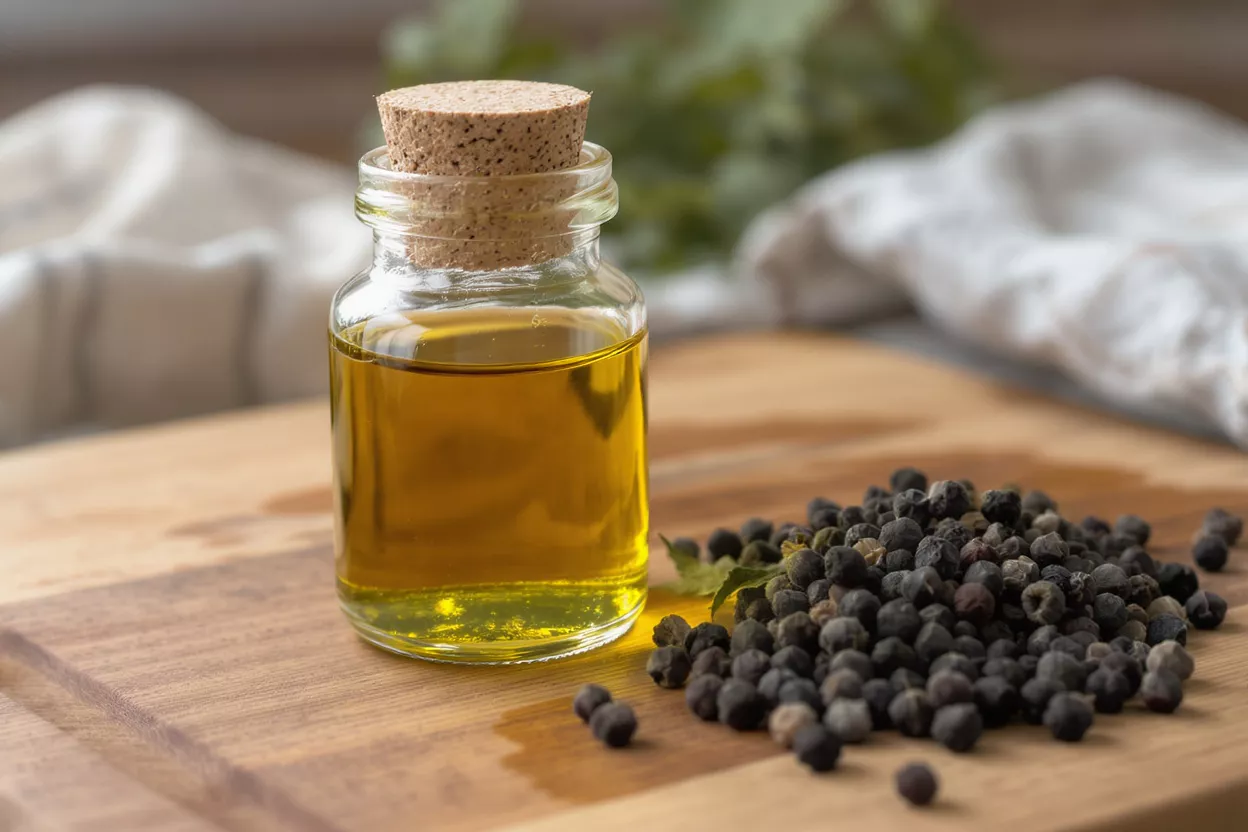
Commercial adoption of piperine in cannabis products has accelerated as manufacturers seek natural, safe methods to improve product efficacy and value. From enhanced bioavailability tinctures to optimized edibles, piperine enables lower cannabinoid doses to achieve therapeutic effects, improving cost-effectiveness and potentially reducing side effects. The compound's GRAS (Generally Recognized as Safe) status, long history of dietary consumption, and compatibility with clean-label trends make it particularly attractive for health-conscious cannabis consumers seeking maximum benefit from their products.
Bioenhancement Mechanisms
Synergistic Effects
The synergistic relationship between piperine and cannabinoids extends beyond simple bioavailability enhancement to potentially include complementary therapeutic effects. Piperine itself possesses anti-inflammatory, antioxidant, and neuroprotective properties that may augment similar effects of cannabinoids. At the molecular level, both compounds influence overlapping pathways—piperine modulates inflammatory mediators like TNF-α and IL-6, similar to cannabinoids' anti-inflammatory mechanisms. This convergence on common therapeutic targets suggests potential for enhanced efficacy beyond what improved absorption alone would provide.
Research indicates piperine may specifically enhance CBD bioavailability more dramatically than THC, with some studies showing up to 330% improvement in CBD absorption. This differential effect could relate to CBD's more extensive first-pass metabolism compared to THC. The timing of these interactions proves crucial—piperine's enzyme inhibition effects peak within 1-2 hours and diminish over 3-4 hours, creating a window of enhanced absorption that must be considered in formulation design. The reversible nature of piperine's effects provides safety advantages over irreversible enzyme inhibitors.
The combination of piperine with cannabinoids may also influence the qualitative nature of effects. By altering the ratio of parent compounds to metabolites (such as reducing conversion of THC to 11-hydroxy-THC), piperine could modify the experiential and therapeutic profile of cannabis products. Some users report clearer, less sedating effects from piperine-enhanced formulations, possibly due to reduced metabolite formation. These qualitative differences require further research but suggest piperine's role extends beyond simple dose potentiation.
Piperine earns its place by pushing more cannabinoid into circulation:
- 📈 Raises bioavailability by roughly 30–200%
- 🌿 Lifts CBD absorption by as much as 330%
- 🚫 Inhibits the CYP3A4 and CYP2C9 metabolic enzymes
- ⛔ Blocks the p-glycoprotein efflux pumps
Formulation Strategies
Successful incorporation of piperine into cannabis formulations requires careful consideration of multiple factors including dosing ratios, stability, and sensory properties. Typical formulations use 5-20mg of piperine per dose, with most products settling on 10mg as optimal for bioenhancement without excessive pungency. The piperine-to-cannabinoid ratio varies based on the specific product goals, but ratios between 1:2 and 1:10 (piperine:cannabinoid) are common. Higher piperine concentrations may provide greater enhancement but risk gastrointestinal irritation and unpleasant taste.
Stability considerations for piperine in cannabis products include protection from light and oxidation, as piperine can degrade to form less active compounds. Encapsulation technologies such as liposomes or cyclodextrin complexes can protect piperine while masking its sharp taste. Some formulators use standardized black pepper extracts containing 95% piperine rather than pure compound, as these may provide better stability and additional synergistic compounds. The physical form—whether dissolved in oils, dispersed in emulsions, or incorporated into solid matrices—significantly impacts both stability and bioenhancement activity.
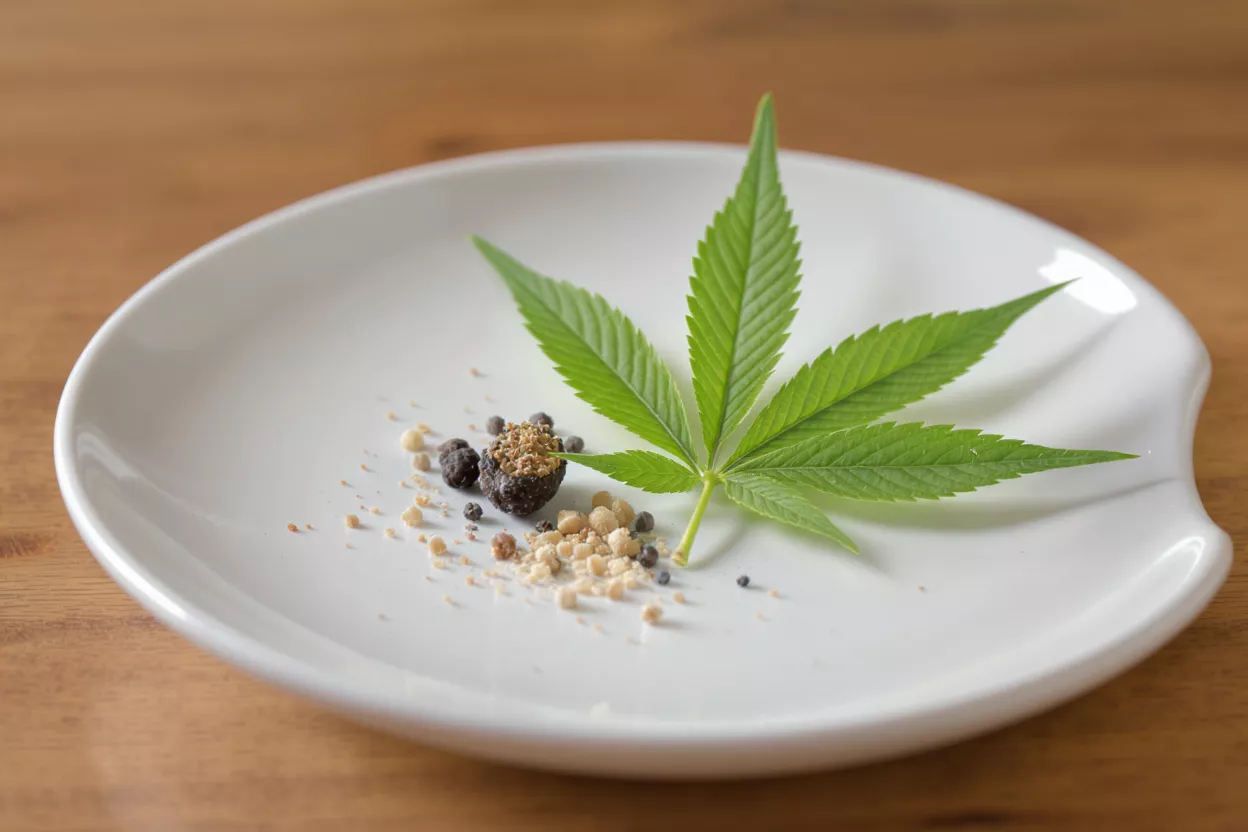
Taste masking represents a significant challenge given piperine's intense pungency. Strategies include microencapsulation, use of taste-masking polymers, or incorporation into flavored delivery systems where pepper notes complement the overall profile. Some innovative products embrace the peppery taste as part of the sensory experience, particularly in savory edibles or wellness shots. Time-release formulations can minimize initial pungency while maintaining bioenhancement effects. The key lies in balancing functional benefits with consumer acceptability.
Dosing Considerations
Optimal piperine dosing for cannabinoid bioenhancement requires balancing efficacy with tolerability. Research suggests threshold effects begin around 5mg, with linear dose-response relationships up to approximately 20mg. Beyond this level, additional piperine provides minimal extra benefit while increasing the risk of side effects. The timing of piperine administration relative to cannabinoids affects outcomes—simultaneous consumption generally provides optimal enhancement, though some protocols suggest piperine pre-dosing 15-30 minutes before cannabinoids to prime enzyme inhibition.
Individual variability in response to piperine necessitates flexible dosing approaches. Factors including baseline metabolic enzyme activity, gastrointestinal sensitivity, and concurrent medications influence optimal doses. Some individuals with naturally low CYP enzyme activity may experience excessive enhancement with standard piperine doses, requiring reduction. Conversely, those with high baseline enzyme activity or enzyme induction from other substances may benefit from higher piperine doses. Starting with lower doses and titrating based on response provides the safest approach.
Duration and frequency considerations become important for regular cannabis users. While acute piperine use appears safe, theoretical concerns exist about chronic enzyme inhibition affecting other drug metabolism or endogenous compound processing. Some protocols recommend cycling piperine use or limiting to situations requiring maximum cannabinoid effect. The reversible nature of piperine's effects means normal metabolism resumes within hours of cessation. For medical cannabis patients requiring consistent effects, daily piperine use at moderate doses appears well-tolerated based on available evidence.
The bioenhancement window is narrow and worth respecting:
- 🎯 Effects begin around 5 mg
- 📊 Dose-responsive up to roughly 20 mg
- ⚖️ About 10 mg is the common sweet spot
- 🧪 Paired at roughly 1:2 to 1:10 piperine-to-cannabinoid
Safety Profile
Piperine demonstrates an excellent safety profile with millennia of dietary consumption and extensive toxicological evaluation. Acute toxicity studies show very high tolerance with LD50 values in rodents exceeding 300mg/kg body weight. At bioenhancement doses (5-20mg), piperine intake remains far below levels associated with any toxicity. The primary side effects at therapeutic doses include mild gastrointestinal symptoms such as stomach upset or burning sensation, typically resolving with dose reduction or food co-administration. Allergic reactions to piperine are extremely rare.
Drug interaction potential represents the most significant safety consideration for piperine in cannabis products. By inhibiting drug-metabolizing enzymes, piperine can increase blood levels of medications metabolized by the same pathways. Particular caution applies to drugs with narrow therapeutic windows such as warfarin, certain anti-epileptics, and some cardiovascular medications. The reversible and relatively short-duration effects of piperine reduce but don't eliminate interaction risks. Clear labeling and consumer education about potential interactions are essential.
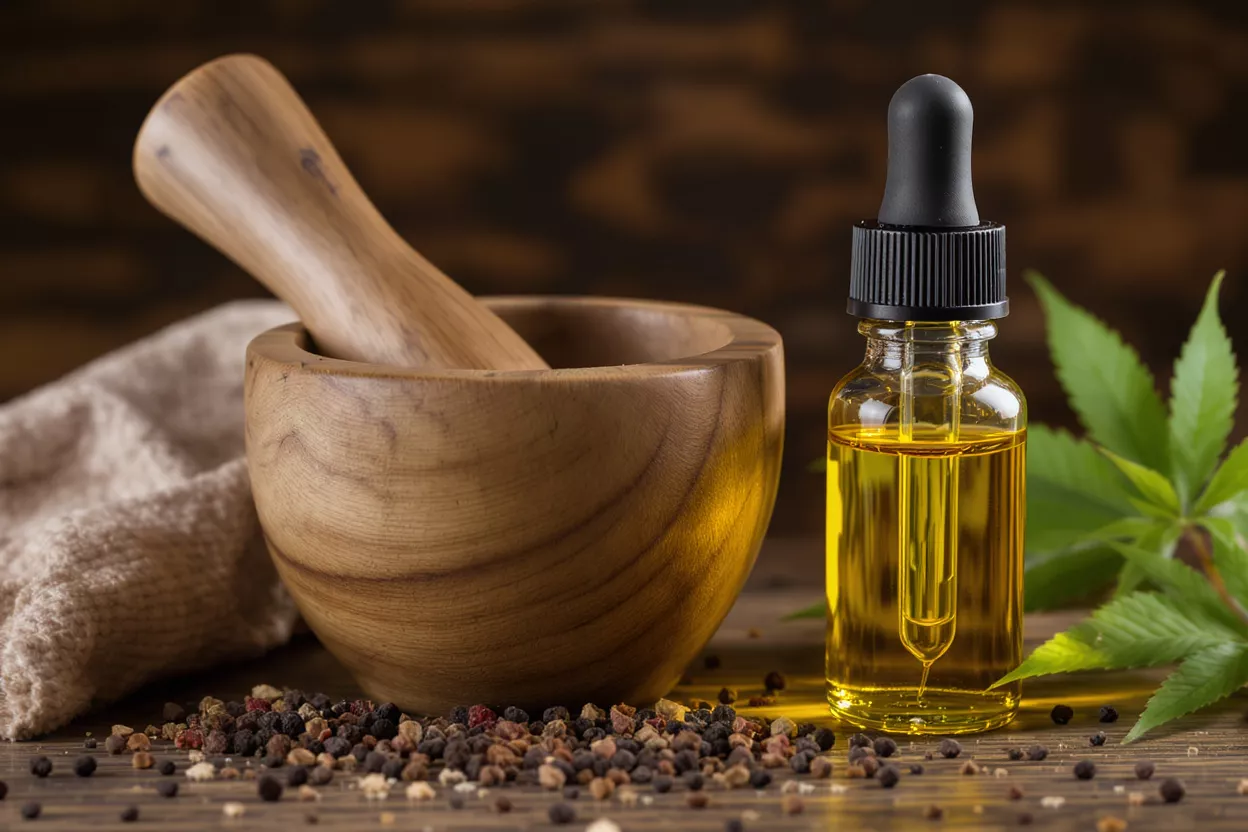
Special populations requiring cautious use include pregnant/nursing women (limited safety data), individuals with gastrointestinal disorders (potential irritation), and those with liver impairment (altered metabolism). Children may be more sensitive to piperine's pungency and metabolic effects. Despite these considerations, piperine's long history of safe dietary consumption and self-limiting pungency that prevents excessive intake provide reassurance. The bioenhancement doses used in cannabis products typically fall within or below normal dietary exposure from pepper consumption.
Commercial Applications
Market positioning for piperine-enhanced cannabis products emphasizes value through improved efficacy and natural enhancement. Products can claim "enhanced bioavailability" or "optimized absorption" based on scientific evidence, appealing to educated consumers seeking maximum benefit. The ability to achieve therapeutic effects with lower cannabinoid doses provides economic advantages while potentially reducing side effects. Premium pricing is often justified by the sophisticated formulation and added value. Marketing narratives around traditional use of black pepper in Ayurvedic medicine resonate with wellness-oriented consumers.
Product categories particularly suited for piperine enhancement include oral formulations where bioavailability limitations are most pronounced. Tinctures and oils benefit from liquid formulations that facilitate piperine dissolution and uniform distribution. Capsules allow precise dosing of both cannabinoids and piperine while masking taste. Edibles can incorporate piperine into savory formulations where pepper flavor enhances rather than detracts. Some innovative products use piperine in combination with other bioenhancers for multi-mechanism enhancement. Topical applications remain less common as skin penetration enhancement differs from oral bioavailability.
Quality considerations for commercial piperine-cannabis products include verification of piperine content and activity. Standardized extracts with guaranteed alkaloid content provide consistency advantages over variable whole pepper preparations. Analytical methods must quantify both cannabinoids and piperine to ensure label accuracy. Stability testing should monitor both active ingredients under various storage conditions. Some manufacturers include absorption studies or pharmacokinetic data to substantiate enhancement claims, providing competitive differentiation in an increasingly sophisticated market.
Future Potential
Research directions for piperine in cannabis therapeutics include optimization of enhancement for specific cannabinoids and therapeutic applications. While CBD enhancement is well-documented, effects on minor cannabinoids like CBG, CBN, or THCV require investigation. Condition-specific formulations might leverage piperine's own therapeutic properties—anti-inflammatory effects for arthritis formulations or cognitive enhancement properties for focus products. Understanding individual genetic variations in response to piperine could enable personalized enhancement strategies.
Technological innovations in piperine delivery continue advancing, with nanotechnology approaches showing particular promise. Nano-encapsulated piperine might provide enhanced stability and controlled release while eliminating pungency. Co-crystallization of piperine with cannabinoids could create novel compounds with optimized properties. Synthetic piperine analogs designed for enhanced bioenhancement activity with reduced pungency are under investigation. These advanced approaches could overcome current limitations while maintaining safety advantages.
The future integration of piperine in cannabis medicine likely involves sophisticated multi-component formulations where piperine works synergistically with other enhancers and therapeutic agents. Combination with other natural bioenhancers like quercetin or ginger compounds might provide complementary mechanisms. Smart formulations could release piperine and cannabinoids in optimized sequences for maximum effect. As personalized medicine approaches advance, piperine enhancement could be tailored to individual metabolic profiles. The evolution from simple addition of piperine to complex enhancement systems represents the ongoing sophistication of cannabis product development, where traditional knowledge meets modern pharmaceutical science to optimize therapeutic outcomes.