Ratio
Learn how cannabis ratio products work, from 1:1 to 20:1 THC to CBD.
What Is Ratio Cannabis and Why It Matters
Ratio cannabis refers to products formulated with a deliberate, measured proportion of two or more cannabinoids — most commonly THC and CBD. Instead of selecting a product purely by its potency, you choose by the relationship between compounds. A 1:1 ratio means equal parts THC and CBD; a 20:1 ratio means twenty parts CBD to one part THC. This single number tells you far more about how an experience will feel than a raw milligram count ever could.
The shift toward ratio-based thinking marks one of the most meaningful developments in modern cannabis. Early markets fixated almost entirely on THC percentage, treating higher numbers as inherently better. That framing ignored decades of pharmacological evidence showing that cannabinoids behave differently in combination than they do alone. A ratio captures that interplay, giving both consumers and clinicians a practical shorthand for predicting effects.
Understanding ratios matters because it transforms cannabis from a guessing game into something closer to informed selection. Whether your aim is daytime focus, restful sleep, or simply a milder experience, the ratio you choose shapes the outcome. The rest of this guide unpacks how these formulations work, how to read them, and how to match them to your own goals.
How Cannabinoid Ratios Work in the Body
The endocannabinoid system is the biological backdrop against which every ratio plays out. This network of receptors, enzymes, and signalling molecules helps regulate mood, appetite, pain perception, and sleep. THC binds directly and strongly to CB1 receptors in the brain, producing the intoxicating effects most people associate with cannabis. CBD interacts far more indirectly, modulating receptor activity rather than activating it outright.
The entourage effect describes how these compounds influence one another. CBD can blunt some of THC's more overwhelming edges — the racing thoughts, the anxiety, the sense of being too high. In a balanced ratio, CBD effectively buffers THC, which is why a 1:1 product often feels gentler and more functional than a THC-dominant one at the same dose. This is not folk wisdom; it reflects measurable interactions at the receptor level.
Terpenes and minor cannabinoids add further nuance, but the THC-to-CBD ratio remains the dominant lever. By adjusting that proportion, formulators can steer a product toward clarity or sedation, toward potency or subtlety. The body responds to the blend as a whole, which is precisely why ratio thinking outperforms a narrow focus on any single number.
Common Ratio Cannabis Formats Explained
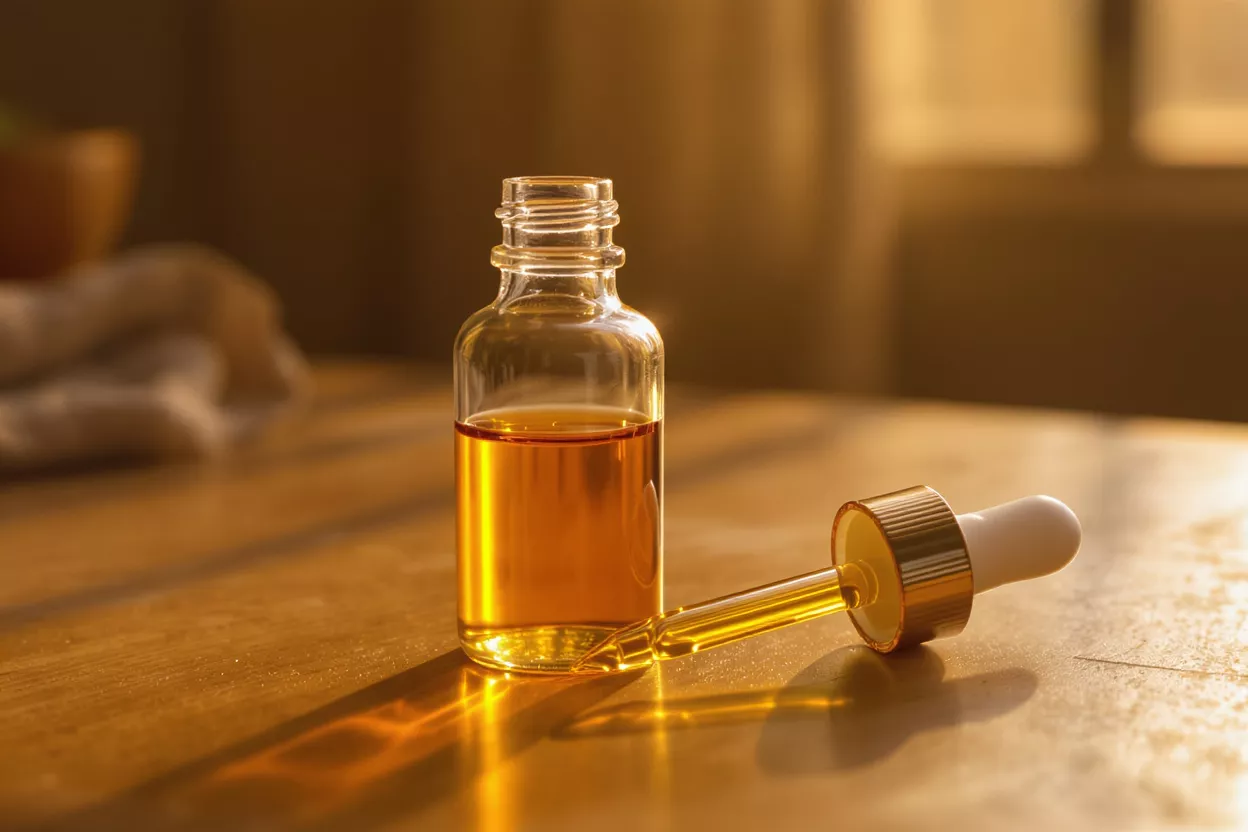
Ratio cannabis appears across nearly every product category, from oils and capsules to edibles, tinctures, and vapes. The format you choose affects onset time and duration, but the underlying ratio dictates the character of the effect. A 1:1 tincture and a 1:1 gummy share a similar balance even though they reach the bloodstream by different routes.
Some ratios have become standard reference points across the market. Knowing what each one tends to deliver makes browsing far less daunting:
- ⚖️ 1:1 (THC:CBD): A balanced experience with mild intoxication and meaningful CBD presence — popular for daytime relief.
- 🌙 2:1 or 4:1 (THC:CBD): Leans more psychoactive while retaining CBD's softening influence.
- ☀️ 1:2 to 1:4 (THC:CBD): CBD-forward with a light touch of THC — gentle and clear-headed.
- 🌿 20:1 (CBD:THC): Heavily CBD-dominant, often chosen for wellness with minimal intoxication.
- 🔬 Custom minor-cannabinoid blends: Ratios incorporating CBN or CBG for targeted effects.
The variety can feel overwhelming at first, but it reflects a maturing market that respects how differently people respond to cannabis. There is no universally correct ratio — only the one that fits your physiology and intentions on a given day.
Best Ratio Cannabis for Beginners
Newcomers benefit most from CBD-dominant ratios. If you have little or no tolerance, a product weighted heavily toward CBD — something in the range of 10:1 or 20:1 CBD to THC — offers a forgiving introduction. You experience the calming, body-soothing qualities of the plant without the disorientation that high-THC products can trigger in inexperienced users.
A balanced 1:1 ratio is the natural next step once you understand how your body reacts. It introduces a perceptible but manageable psychoactive element, buffered by CBD. Many people find this proportion ideal for everyday use because it provides relief and mild euphoria without tipping into impairment that interferes with daily tasks.
The cardinal rule for beginners is patience. Start with a low dose of any ratio, wait to feel the full effect — especially with edibles, which can take up to two hours — and only then consider taking more. A measured approach lets you discover your personal sweet spot without an unpleasant surprise.
High-CBD Ratio Cannabis Benefits
High-CBD ratios prioritise function over intoxication. Products with proportions like 20:1 deliver substantial cannabidiol alongside only trace THC. Many users turn to these formulations for everyday wellness routines, valuing a sense of calm and physical ease that does not cloud judgement or productivity. The small amount of THC present can still contribute to the entourage effect without producing a noticeable high.
Research into CBD continues to expand, with interest spanning areas such as discomfort management, stress response, and sleep quality. While cannabis is not a cure for any condition, the appeal of high-CBD ratios lies in their gentleness — they make the plant accessible to people who are sensitive to THC or who need to remain fully clear-headed throughout the day.
Common reasons people gravitate toward high-CBD ratio products include:
- 🧘 Daytime calm: Easing tension without sedation or impairment.
- 💪 Post-activity recovery: Supporting physical comfort after exertion.
- 😌 Microdosing curiosity: Exploring cannabis with the lowest possible psychoactive footprint.
- 🛡️ THC sensitivity: Enjoying the plant's benefits while minimising intoxication.
Balanced Ratio Cannabis Therapeutic Uses
The 1:1 ratio occupies a celebrated middle ground. By pairing THC and CBD in equal measure, it harnesses the strengths of both compounds while moderating their respective drawbacks. Clinicians exploring cannabis-based options frequently start patients on balanced formulations precisely because they offer broad utility with a relatively predictable profile.
This balance makes 1:1 products versatile. The CBD component tempers the intensity of THC, allowing users to access meaningful relief without the cognitive fog that can accompany THC-dominant products. For many, this translates into a product they can use consistently, knowing roughly what to expect each time.
It is worth remembering that individual responses vary widely. Body chemistry, tolerance, and even the specific terpene profile of a product all influence how a balanced ratio feels. Treating any formulation as a starting point rather than a fixed prescription leads to better, more personalised outcomes over time.
How to Read Ratio Cannabis Labels
Label literacy is the foundation of confident purchasing. A ratio on the front of a package — say, 5:1 — tells you the proportion but not the absolute dose. You must also check the milligram content per serving to understand how much of each cannabinoid you are actually consuming. A 1:1 product could contain 5mg of each compound or 50mg of each; the ratio stays the same while the strength differs dramatically.
Convention matters too. In most markets the first number refers to THC and the second to CBD, but high-CBD products sometimes flip this order. When in doubt, read the full cannabinoid breakdown rather than relying on the headline ratio alone. A trustworthy product will list precise milligram figures, ideally backed by third-party lab testing.
Key details to verify on any ratio cannabis label include:
- 🔢 Cannabinoid milligrams: Exact THC and CBD content per serving and per package.
- 📋 Ratio convention: Confirm which cannabinoid the first number represents.
- 🧪 Lab verification: Look for third-party testing that confirms the stated ratio.
- 📅 Batch information: Production and testing dates that support freshness and accuracy.
Ratio Cannabis Dosing Guide
Start low and go slow is the governing principle. Regardless of ratio, beginning with a modest dose lets you gauge your sensitivity safely. For edibles and capsules, a starting point of 2.5mg to 5mg of THC — paired with proportional CBD according to the ratio — is widely considered conservative and sensible. Wait the full onset period before deciding whether to increase.
The ratio influences how forgiving a dose feels. A higher CBD proportion gives you more margin for error because CBD softens THC's intensity. With a balanced or THC-forward ratio, the same milligram count of THC will feel stronger, so smaller increments are wise. Tracking what you take and how it affects you builds an invaluable personal reference over time.
Onset and duration also shape sensible dosing. Inhaled products act within minutes and fade within a couple of hours, while edibles can take up to two hours to peak and last considerably longer. Matching the format and ratio to your schedule prevents both overconsumption and disappointment.
Are Ratio Cannabis Products Safe
Ratio products are generally well tolerated when used thoughtfully and sourced from regulated suppliers. The precision built into a ratio formulation is itself a safety feature: knowing exactly how much THC and CBD you are taking makes responsible dosing far easier than with unstandardised products. CBD's buffering effect in balanced and CBD-dominant ratios can also reduce the likelihood of an uncomfortable, overly intoxicating experience.
That said, no cannabis product is risk-free. THC can cause temporary effects such as dry mouth, dizziness, or heightened anxiety, particularly at higher doses. Cannabis may also interact with certain medications, so anyone taking prescription drugs should consult a healthcare provider before incorporating ratio products into their routine. Pregnancy and breastfeeding are clear reasons to abstain.
Sourcing makes a meaningful difference. Products from licensed producers undergo testing for potency and contaminants, ensuring the ratio on the label reflects what is in the package. Choosing verified, lab-tested options is the simplest way to keep your experience both predictable and safe.
Choosing the Right Ratio Cannabis for Your Goals
Matching ratio to intention is the final piece. Begin by clarifying what you want from cannabis. If your priority is clarity and minimal intoxication, lean toward CBD-dominant ratios. If you seek a fuller experience with manageable psychoactivity, a balanced 1:1 or a gently THC-forward ratio may serve you better. There is no single best ratio — only the one aligned with your goals and tolerance.
Experimentation, conducted patiently, refines your choice. Keep a simple log of which ratios and doses you try and how they make you feel. Over a few sessions, patterns emerge that point clearly toward your ideal formulation. This personalised approach beats chasing the highest potency or following someone else's recommendation blindly.
Ultimately, ratio cannabis represents a more mature, considered way to engage with the plant. By thinking in proportions rather than raw potency, you gain control over your experience and unlock the full versatility of cannabinoids. Armed with the knowledge in this guide — from reading labels to dosing carefully — you are well equipped to find the ratio that fits your life.