

Pulegone
Discover pulegone, the minty cannabis terpene found in OG Kush.
What Is Pulegone in Cannabis
Pulegone is a minor monoterpene found in cannabis and a wide range of aromatic plants, best known for the cool, peppermint-like fragrance it lends to flowers, herbs, and certain strains of weed. While it rarely appears in cannabis at high concentrations, it plays a meaningful role in shaping the overall sensory experience of the strains where it does occur, contributing a crisp, refreshing top note that complements earthier and more pungent compounds.
Chemically, pulegone is classified as a cyclic monoterpene ketone, a structural detail that sets it apart from the more familiar hydrocarbon terpenes like myrcene or limonene. This ketone group is responsible not only for its distinctive aroma but also for its biological activity, which has drawn the attention of researchers studying both its traditional uses and its safety profile in concentrated forms.
For cannabis consumers, understanding pulegone matters because terpenes do far more than smell pleasant. They interact with cannabinoids and one another to influence the texture of an experience, and pulegone's presence—even in trace amounts—is part of the complex aromatic fingerprint that distinguishes one cultivar from the next.
Where Pulegone Comes From in Nature
Pennyroyal and the mint family: Pulegone is most heavily concentrated in pennyroyal, a member of the mint family whose essential oil can be composed of more than 80% pulegone. It also appears in peppermint, spearmint, and other plants in the Mentha genus, which is why the compound carries such an unmistakable minty signature. These plants have been used in folk medicine and culinary traditions for centuries.
Beyond the mints, pulegone shows up in smaller amounts across a surprising variety of botanicals. It contributes to the aromatic profiles of catnip, several species of savory, and a handful of culinary herbs, where it blends with other terpenes to create layered, complex scents that have made these plants kitchen and garden staples.
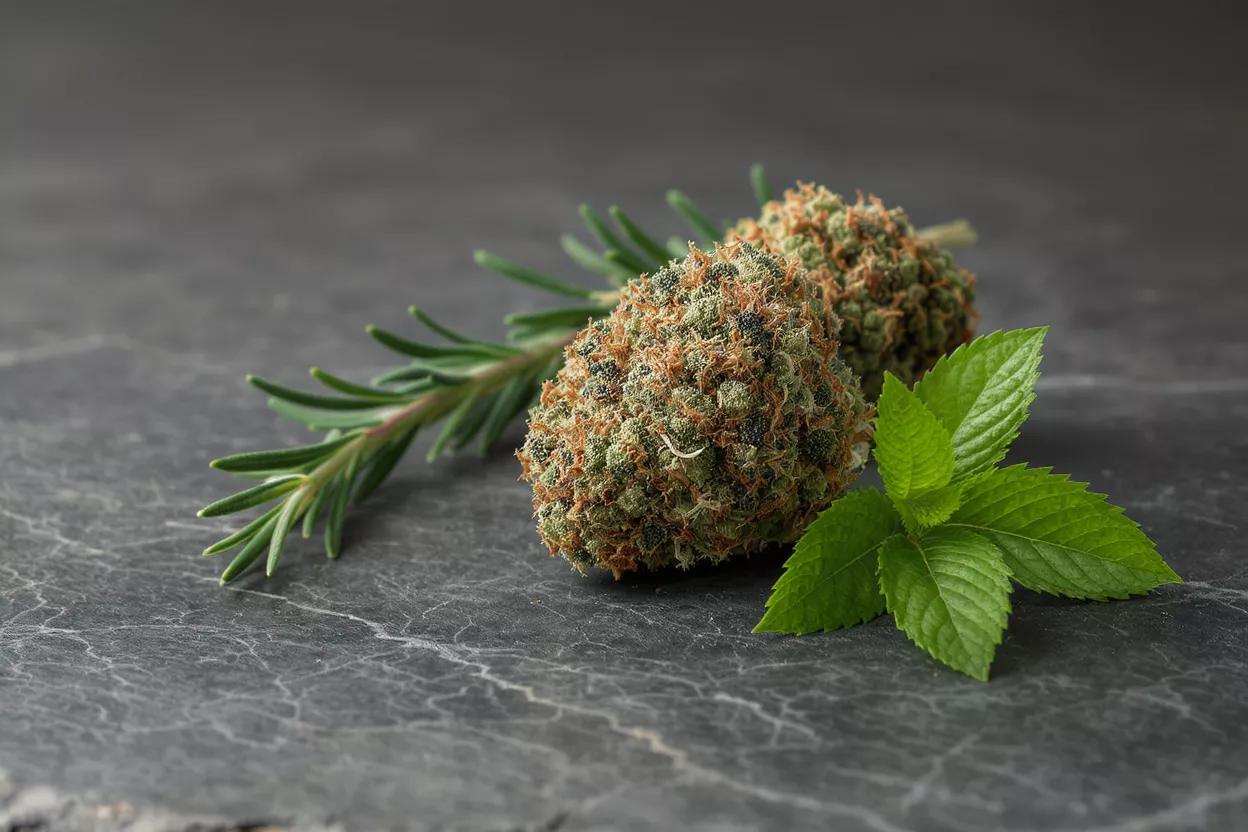
In cannabis specifically, pulegone is considered a secondary or minor terpene. It is rarely a dominant compound in any given strain, instead appearing alongside more abundant terpenes like Myrcene and Caryophyllene. Its trace-level presence still shapes the bouquet of certain cultivars in ways that trained noses can detect.
What Does Pulegone Smell and Taste Like
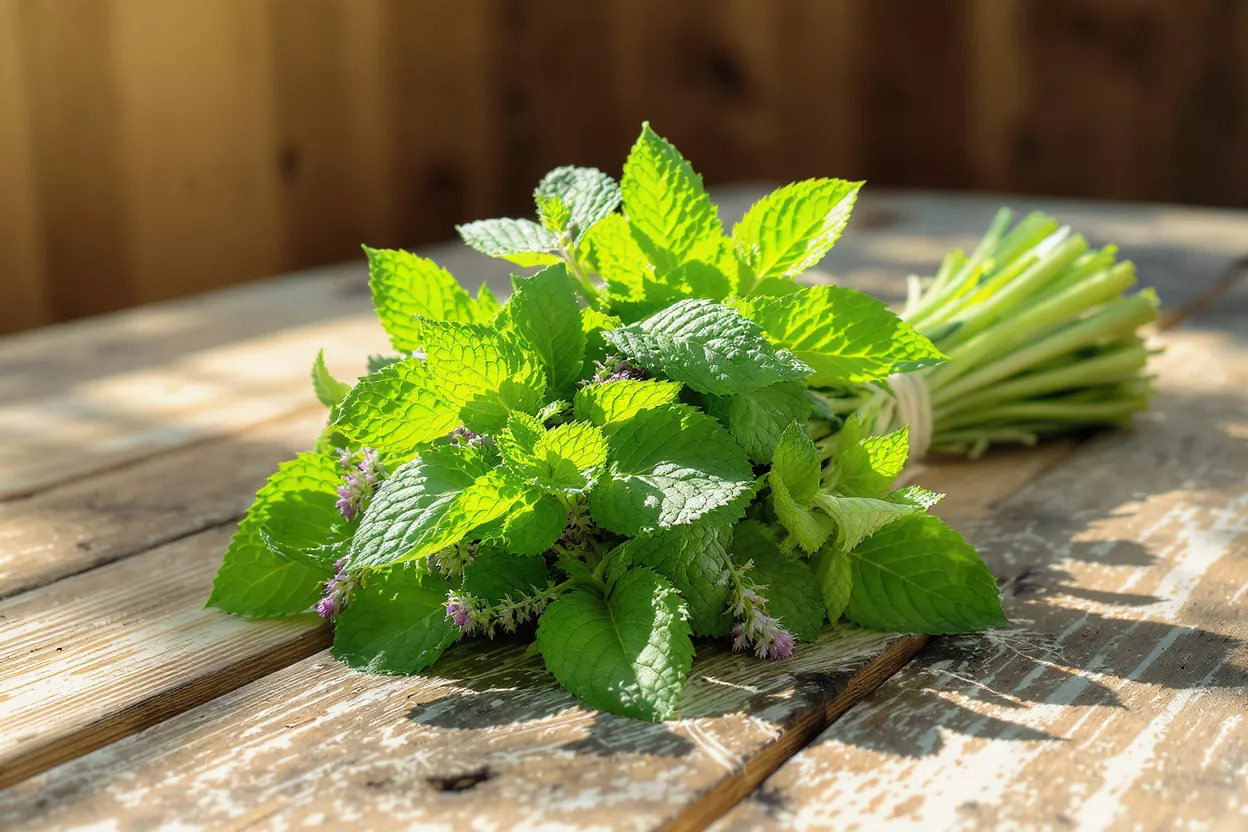
The defining characteristic of pulegone is its bright, cooling minty aroma, often described as a cross between peppermint and camphor with a faintly sweet edge. When you encounter a cannabis strain with detectable pulegone, you may notice a fresh, almost mentholated lift cutting through the heavier, muskier base notes that typically dominate cannabis flower.
Flavor on the palate: When tasted, pulegone translates its aroma into a clean, herbaceous mintiness that can make smoke or vapor feel cooler and crisper. This sensation is similar to the cooling effect you experience with menthol, though pulegone's profile is distinct and carries a more complex, slightly peppery undertone that mint-forward strains express beautifully.
Because pulegone usually appears in modest concentrations, its contribution is often subtle rather than overpowering. It works in concert with terpenes like Pinene and Limonene to round out a strain's overall aromatic character, adding refreshing complexity rather than standing as the headline note.
Cannabis Strains That Contain Pulegone
Pulegone tends to surface in strains that already carry hints of mint, herbs, or cool freshness in their profiles. Because it is a minor terpene, lab testing and terpene analysis are the most reliable ways to confirm its presence, but certain well-known cultivars are more likely to contain measurable amounts.
Strains where pulegone may appear: Several classic and modern cultivars have been associated with trace levels of pulegone, particularly those with herbaceous or minty undertones woven into their bouquet.
- 🌿 OG Kush: A legendary strain whose complex profile can include faint minty and herbal notes attributed in part to pulegone.
- 🍃 Headband: Known for its lemony, diesel-forward aroma layered with subtle cooling undertones.
- 🌱 Mint-forward hybrids: Modern crosses bred specifically for fresh, dessert-mint flavors often report pulegone in their terpene panels.
- ❄️ Herbaceous landraces: Some traditional varieties carry green, savory aromas where pulegone contributes a cool edge.
Keep in mind that terpene profiles vary significantly between batches, growers, and growing conditions. Two samples of the same strain can have noticeably different pulegone levels depending on genetics, harvest timing, and curing practices, so terpene testing remains the gold standard for verification.
How Pulegone Works in the Body
Like other terpenes, pulegone interacts with the body through several pathways once consumed or inhaled. Its monoterpene ketone structure allows it to cross biological membranes readily and engage with various receptors and enzymes, which explains both its traditional medicinal reputation and the safety considerations that come with concentrated exposure.
Metabolism and the liver: Research has shown that pulegone is metabolized in the liver, where it is converted into a compound called menthofuran along with other metabolites. This metabolic pathway is central to understanding pulegone's effects, because the metabolites—rather than pulegone itself—are largely responsible for its biological activity at high doses.
At the low concentrations found in cannabis and most culinary herbs, pulegone passes through normal metabolic processes without issue. Its interaction with the body becomes a meaningful concern only when isolated and consumed in large, concentrated quantities, a scenario far removed from the trace amounts present in flower.
Pulegone Potential Benefits and Traditional Uses
For centuries, plants rich in pulegone have been used in traditional medicine systems around the world. Pennyroyal in particular has a long history of folk applications, and modern research has begun examining whether the compound holds genuine therapeutic potential when used appropriately and in safe amounts.
Areas of research interest: Preliminary studies have explored several properties that pulegone and pulegone-rich extracts may possess, though much of this work remains early-stage and should not be interpreted as medical guidance.
- 🧪 Antimicrobial activity: Laboratory studies suggest pulegone may inhibit the growth of certain bacteria and fungi.
- 🌬️ Insect-repellent properties: Pulegone has historically been used to deter insects, and research supports its activity against several pests.
- 💭 Aromatic and sensory uses: Its cooling, refreshing scent has long made it valued in aromatherapy and fragrance traditions.
- 🌿 Digestive folk remedies: Mint-family plants containing pulegone have traditionally been used to ease minor digestive discomfort.
It is worth emphasizing that traditional use does not equal proven safety or efficacy. Many historical applications of pennyroyal, especially when used as a concentrated essential oil, are now understood to carry significant risks, which makes responsible context essential when discussing this terpene's benefits.

Is Pulegone Safe to Consume
The safety of pulegone depends almost entirely on dose and concentration. In the trace amounts naturally present in cannabis flower, peppermint tea, or culinary herbs, pulegone is generally regarded as safe and poses no meaningful risk to healthy adults. The human body has long encountered this compound through everyday foods and beverages without harm.
The role of concentration: Regulatory bodies have taken note of pulegone primarily because of concerns surrounding highly concentrated forms, such as pennyroyal essential oil. The U.S. Food and Drug Administration restricted pulegone as a synthetic flavoring substance, and various food safety authorities have set limits on permissible levels in products, reflecting the gap between safe trace exposure and hazardous concentrated doses.
For cannabis consumers, the practical takeaway is reassuring: the pulegone you might inhale from a minty strain exists at concentrations far below any threshold of concern. The compound's risks are tied to deliberate consumption of concentrated extracts, not to the natural terpene content of flower or properly formulated products.
Understanding Pulegone Toxicity Concerns
Pulegone's reputation for toxicity stems largely from documented cases involving pennyroyal oil, where concentrated ingestion has caused serious liver damage and other adverse effects. These cases involved doses orders of magnitude higher than anything encountered through cannabis or normal culinary use, but they underscore why the compound deserves respect.
Why high doses are harmful: The toxicity of concentrated pulegone is linked to its metabolite menthofuran, which can deplete the liver's protective glutathione stores and cause cellular damage when present in large quantities. This is the same fundamental mechanism behind certain other forms of liver injury, and it is strictly a high-dose phenomenon.
The contrast between trace and concentrated exposure cannot be overstated. The minute quantities of pulegone in a cannabis strain or a cup of mint tea are nowhere near the levels capable of causing harm. Concern is warranted only with isolated, concentrated essential oils consumed in significant amounts, which falls well outside normal cannabis use.

Pulegone and the Entourage Effect
The Entourage Effect describes the theory that cannabis compounds work better together than in isolation, with terpenes and cannabinoids modulating one another's effects. Pulegone, despite its minor status, may contribute to this synergy in strains where it appears alongside other terpenes and cannabinoids.
How minor terpenes contribute: Even trace terpenes like pulegone can shape the overall character of a cannabis experience. By adding aromatic complexity and potentially interacting with compounds like THC and CBD, minor terpenes help account for the subtle differences between cultivars that share similar cannabinoid profiles.
While the entourage effect remains an active area of research rather than settled science, the principle highlights why whole-plant terpene profiles matter. Pulegone's cooling presence is one small thread in the larger tapestry of compounds that make each strain feel distinct, reinforcing the value of full-spectrum approaches over isolated cannabinoids.
Key Takeaways About Pulegone
Pulegone is a fascinating example of how a minor cannabis terpene can carry both sensory charm and a nuanced safety story. Its bright, minty aroma adds refreshing complexity to the strains where it appears, while its metabolic profile offers a clear lesson in how dose determines whether a natural compound is benign or hazardous.
What to remember: For everyday cannabis consumers, pulegone is simply part of the rich aromatic diversity that makes terpenes so compelling, with no cause for concern at the trace levels found in flower.
- 🌿 Minty signature: Pulegone delivers a cool, peppermint-like aroma found in mint plants and select cannabis strains.
- 🧪 Dose-dependent safety: Safe in trace amounts, but concentrated pennyroyal oil can be toxic to the liver.
- 🌱 Minor but meaningful: Rarely dominant, yet it adds aromatic depth and may contribute to the entourage effect.
- ❄️ Trace exposure is harmless: Cannabis-level pulegone sits far below any threshold of concern.
As terpene science continues to mature, compounds like pulegone remind us that the cannabis plant's complexity extends well beyond THC and CBD. Appreciating these minor terpenes—their aromas, their histories, and their safety considerations—deepens our understanding of what makes each strain unique and helps consumers make informed, confident choices about the cannabis they enjoy.




Comments