

Shake
Discover what cannabis shake is, how it forms, and the best ways to use it.
What Is Cannabis Shake?
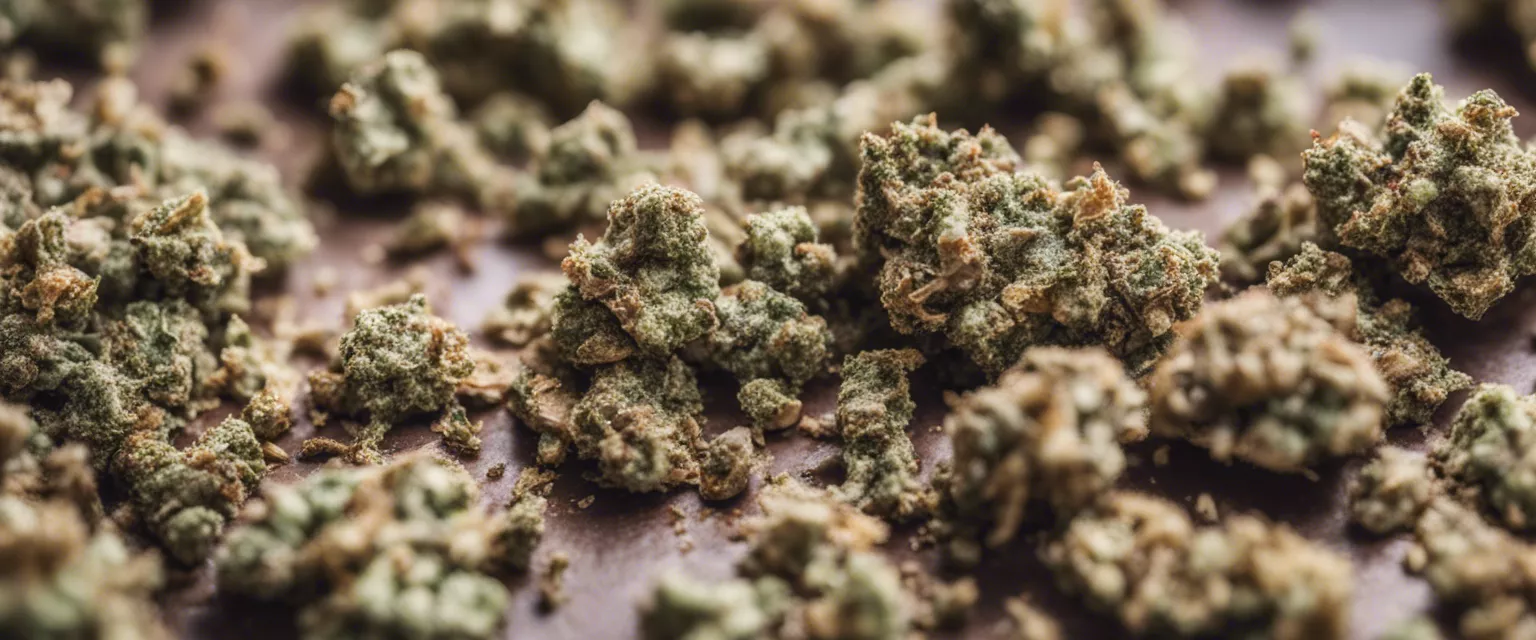
Shake is the loose, leafy plant material that breaks away from whole cannabis flowers as they are handled, packaged, and moved around. If you have ever opened a jar or bag and noticed a layer of small fragments, broken bits of bud, and stray pieces settled at the bottom, that accumulation is shake. The name comes from the simple physical reality of how it forms: the more flower gets shaken, jostled, and shuffled, the more small pieces shed and gather at the base of the container.
Despite its humble reputation, shake is genuine cannabis flower. It contains the same trichomes, cannabinoids, and terpenes as the buds it broke off from. The difference is in form and consistency, not necessarily in chemistry. A jar of premium flower will shed premium shake, while budget bulk flower produces correspondingly modest fragments.
Understanding shake matters because it shows up everywhere in the cannabis supply chain. Dispensaries sell it as a discounted product, growers accumulate it during trimming and packaging, and home users find it pooling at the bottom of every container they own. Knowing what it is, where it comes from, and how to use it well turns what many treat as waste into a versatile and economical resource.
How Does Shake Form in Your Stash?
Shake is a byproduct of motion. Every time cannabis flower is moved between containers, weighed on a scale, shipped across the country, or simply rummaged through by a customer, tiny pieces of dried plant matter fracture off the main structure. Dried cannabis is brittle, and the delicate outer leaves and small buds are the first to crumble under handling.
Packaging and transport are the biggest contributors. Large quantities of flower stored in bulk bins or shipped in volume experience constant friction and impact. By the time that product reaches a retail shelf, a measurable percentage of its weight has converted to shake. This is why bulk and bottom-of-the-jar material is so common at dispensaries and why it is frequently bagged and sold separately at a reduced price.
Curing and moisture levels influence how much shake forms. Flower that has been dried too aggressively becomes crispy and sheds fragments easily, while properly cured buds with balanced moisture stay more intact. If your personal stash produces an unusual amount of shake, it may be a sign that your flower is drying out and losing humidity over time.
Is Shake Lower Quality Than Whole Buds?
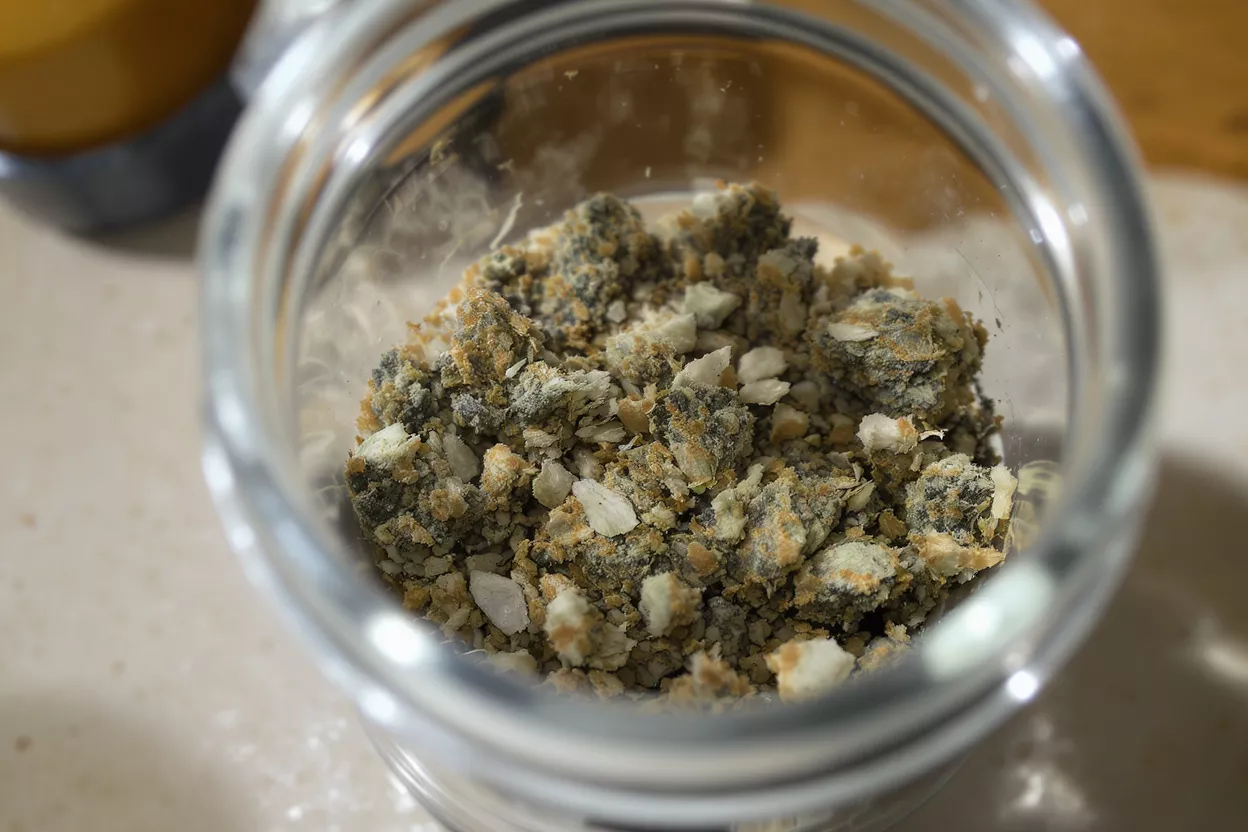
The assumption that shake is automatically inferior is one of the most persistent myths in cannabis. The truth is more nuanced. Shake from a high-quality batch of flower can be every bit as potent and flavorful as the intact buds, because it is literally made of the same material. What changes is presentation, consistency, and a few practical factors that affect the experience.
Potency depends entirely on the source flower. If shake comes from top-shelf buds rich in trichomes, it carries those same cannabinoids. However, shake is often a blend pulled from multiple containers or strains, so its THC content and effects can be less predictable than a single, labeled flower.
There is one legitimate quality concern: surface area and degradation. Because shake consists of small fragments with more exposed surface, its terpenes and cannabinoids can oxidize and degrade faster than the protected interior of a whole bud. Shake that has been sitting loose at the bottom of a jar for months will lose aroma and potency more quickly than a sealed nug. Freshness, therefore, matters more with shake than with intact flower.
Types of Shake and How They Differ
Not all shake is created equal, and learning to recognize the categories helps you judge value before you buy. Some shake is essentially miniature flower, while other batches are closer to leftover plant debris. The grade you encounter shapes how you should use it.
Here is a quick breakdown of the common types you will run into:
- 🌿 Premium single-strain shake: Sourced from one strain, this is the highest grade. It behaves almost identically to whole flower and is excellent for any use.
- 🪴 Mixed-strain shake: A blend pulled from several jars or batches. Affordable and effective, but effects and flavor are less consistent.
- 🍃 Popcorn-heavy shake: Contains small whole nuggets known as popcorn buds mixed with loose material, offering good value.
- 🥄 Fine dust shake: Mostly powdery fragments and broken trichome heads. Best reserved for extraction or infusions rather than smoking.
The presence of stems and seeds is the other key differentiator. Quality shake should be relatively clean, with minimal woody stem material. A bag full of stems is poor value because that material adds weight without adding cannabinoids, so always inspect for excess plant debris before committing to a purchase.
Shake vs Trim: What Is the Difference?
Shake and trim are frequently confused, and dispensary labeling does not always help. While both are byproducts and both sell at a discount, they originate from different stages of processing and carry different cannabinoid profiles.
Trim refers to the leaves cut away during harvest. When growers manicure their flowers, they remove the larger fan leaves and the smaller sugar leaves that surround the buds. These clippings are trim. Sugar leaves are coated in trichomes and have real value, while fan leaves contain very little of interest.
Shake is broken-up flower itself, not leaf clippings. This is the crucial distinction. Because shake comes from the buds, it is generally more potent than trim, which is mostly leaf material. The list below summarizes the contrast:
- 🌱 Origin: Trim is leaf removed during manicuring; shake is fragmented flower from handling.
- 💪 Potency: Shake is usually stronger because it is actual bud; trim is leafier and weaker.
- 🔥 Best use: Shake can be smoked or extracted; trim is best for extraction, edibles, and infusions.
- 💲 Price: Both are discounted, but quality shake commands a higher price than basic trim.
Best Uses for Cannabis Shake
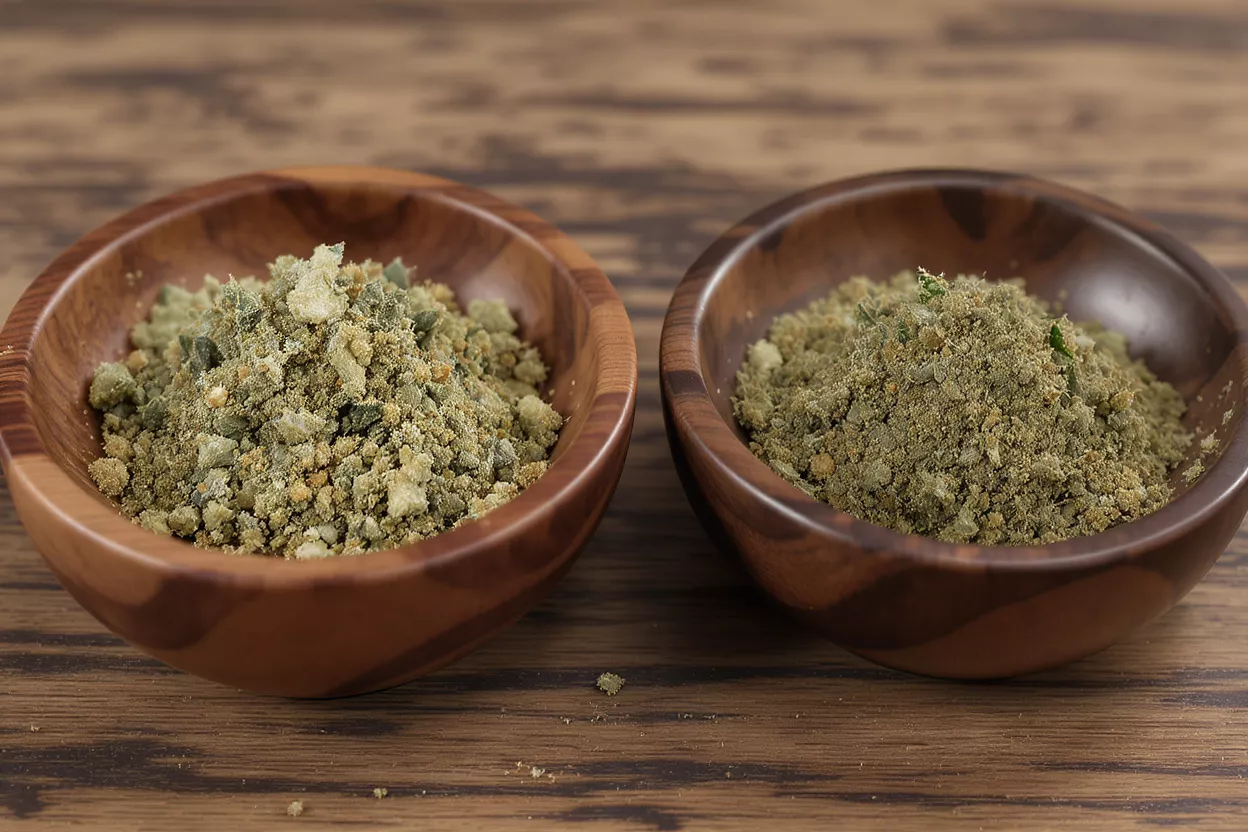
The real beauty of shake is its versatility. Because it arrives pre-broken-down, it saves you a step in many preparations and slots naturally into a range of methods. The trick is matching the grade of shake to the right application.
Rolling joints and packing bowls is the most common use. Shake is already the perfect consistency for filling a pre-roll or a pipe. In fact, most commercially produced pre-rolls are made from shake, which is part of why they are priced accessibly. You skip the grinding entirely and get an even, easy burn.
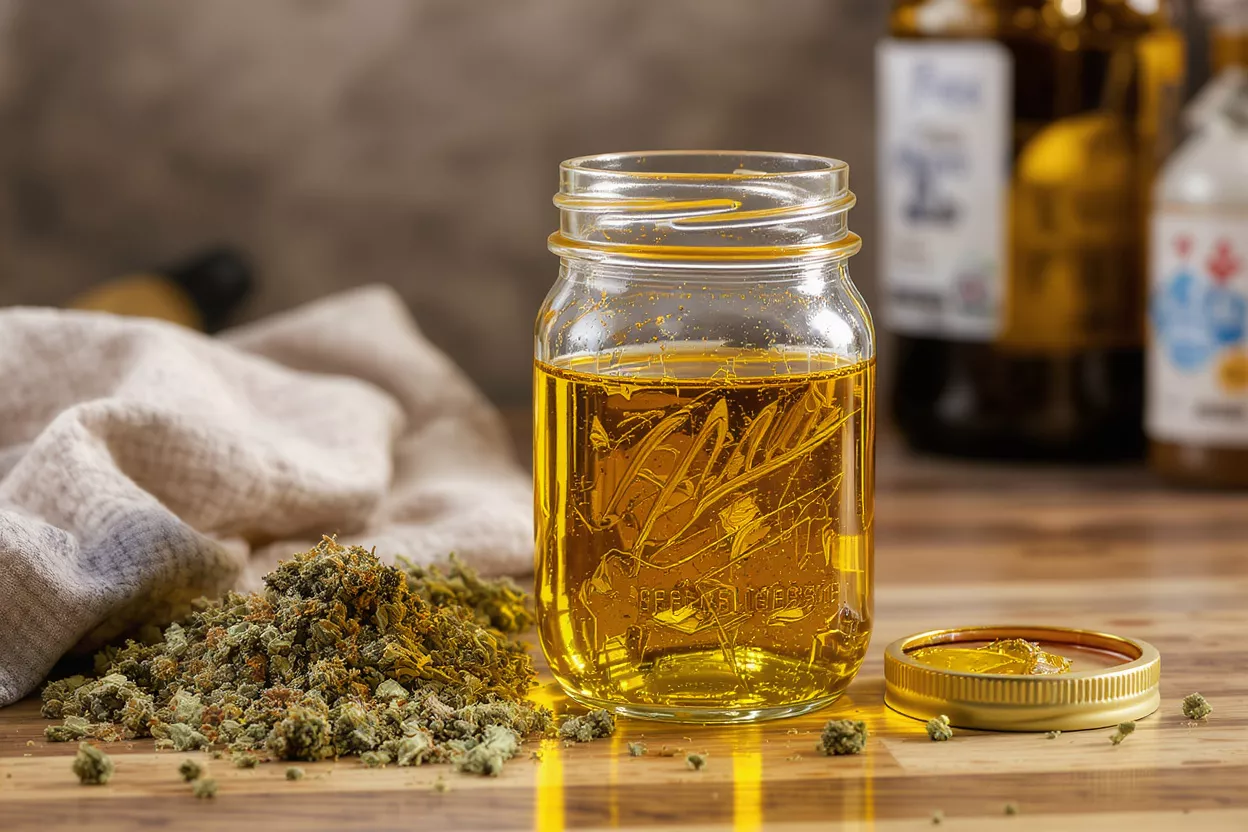
Edibles and infusions are where shake truly shines. Making cannabutter or infused oil requires decarboxylating and steeping ground flower anyway, so the broken-down form of shake is ideal. You are extracting cannabinoids into fat regardless of the starting texture, which means you can use economical material without sacrificing the end result.
Shake is also a smart choice for experimentation. Because it costs less than whole flower, it is the perfect material for testing a new recipe, dialing in a tincture, or practicing your rolling technique without the pressure of wasting expensive top-shelf buds.
Using Shake for Extraction and Concentrates
Extraction is arguably the highest-value application for shake, and it is the reason many growers and processors hold onto every fragment they produce. When the goal is to pull cannabinoids and terpenes out of the plant, the physical shape of the starting material barely matters.
Solventless methods love shake. Making kief or dry-sift hash involves agitating dried material over fine screens to collect loose trichome heads. Shake, with its already-broken structure and exposed trichomes, is well suited to this process and can yield a surprising amount of potent powder.
Solvent-based and water-based extractions are equally accommodating. Whether the process uses ice water to make bubble hash or a solvent to strip cannabinoids into a concentrate, the equipment processes shake just as efficiently as whole buds. Since extraction destroys the original flower structure anyway, paying premium prices for picture-perfect nugs makes little economic sense here.
Can You Smoke Shake?
Yes, you can absolutely smoke shake, and millions of people do every day, often without realizing it. The question is not whether it works but whether the particular shake in front of you is well suited to combustion. Quality and cleanliness are the deciding factors.
Clean, fresh shake smokes wonderfully. If the material is free of excessive stems, holds onto its aroma, and comes from decent flower, you will get an experience nearly indistinguishable from grinding up a whole bud. This is the everyday reality of pre-rolls, which lean heavily on shake.
The downsides appear with lower grades. Fine dust can clog pipes and burn too fast, while shake heavy in stems produces a harsher smoke and a less pleasant flavor. If you intend to smoke your shake, sift out the powdery dust and pick out woody stem pieces first. A few minutes of cleanup dramatically improves the experience.
How to Store Shake and Keep It Fresh
Because shake has more exposed surface area than intact flower, proper storage is more important, not less. Left in a loose bag in a warm, bright spot, shake will dry out and lose its potency and flavor faster than whole buds would under the same conditions.
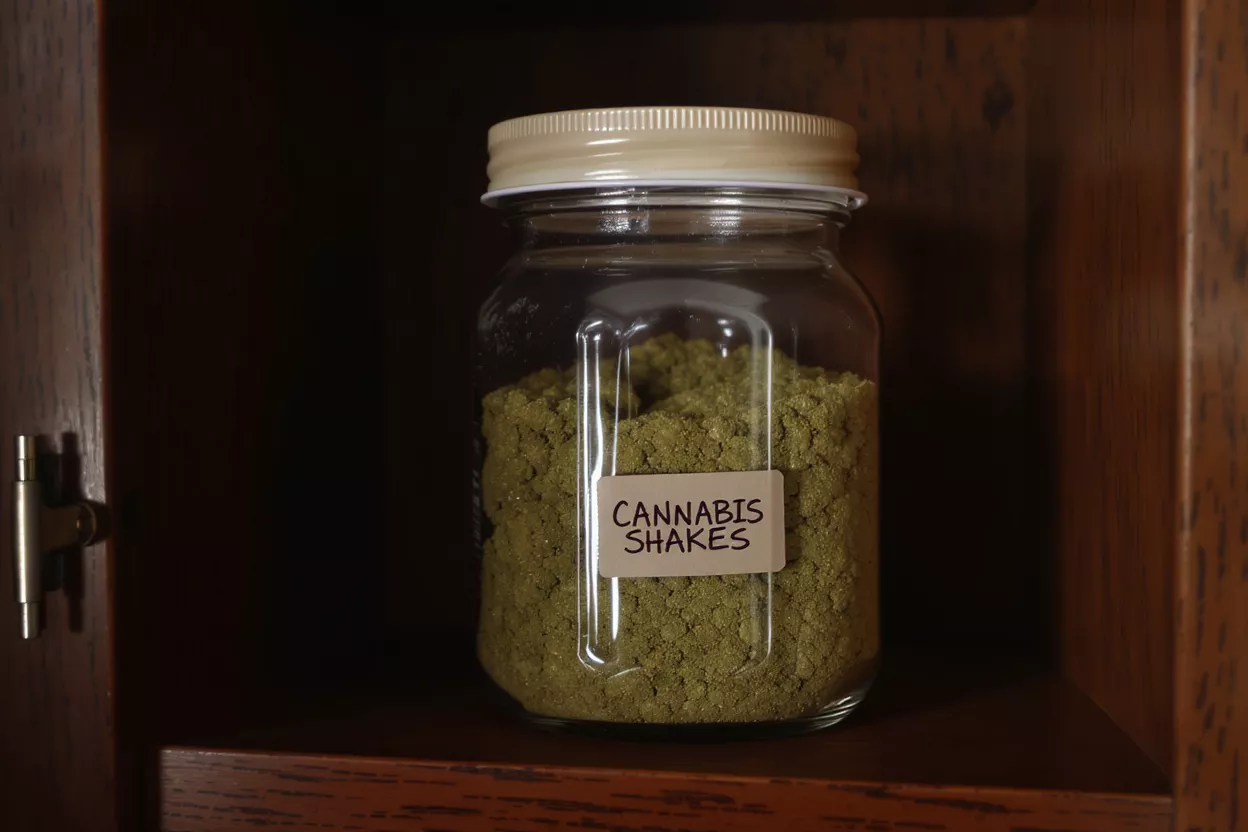
Airtight glass is your best friend. Transfer shake into a sealed glass jar rather than leaving it in a plastic bag, which can build static and degrade material over time. Glass protects against air exchange and helps preserve the delicate terpenes that give cannabis its character.
Keep the following storage principles in mind to extend freshness:
- 🌡️ Control temperature: Store in a cool spot away from heat sources, which accelerate cannabinoid degradation.
- ☀️ Block light: UV exposure breaks down THC, so use opaque containers or a dark cupboard.
- 💧 Manage humidity: A two-way humidity pack keeps shake from over-drying without introducing mold risk.
- 📦 Minimize air: Use a jar sized close to the volume of shake to reduce trapped oxygen.
Used wisely, these habits keep shake usable for months. Because shake degrades faster than dense buds, the smartest approach is to buy it in amounts you will actually use within a reasonable window rather than stockpiling it indefinitely.
Is Shake Worth Buying?
For most cannabis consumers, shake represents one of the best values on the menu. You are getting genuine flower at a meaningful discount, and for many applications the difference between shake and whole buds is purely cosmetic. The savings can be substantial, especially for anyone who consumes regularly or makes their own edibles and extracts.
Shake makes the most sense for specific buyers. Edible makers, extraction hobbyists, frequent smokers who are not fussy about aesthetics, and budget-conscious shoppers all benefit. If you are processing the material anyway, paying extra for intact buds delivers no real advantage.
The cases where shake is less ideal are equally clear: when you want a guaranteed single-strain experience, when freshness and peak terpene flavor are your priority, or when you simply enjoy the ritual of breaking down a beautiful nug. Knowing which camp you fall into makes the decision easy.
Ultimately, shake deserves far more respect than its reputation suggests. It is the same plant, the same cannabinoids, and the same potential, simply in a more humble package. Whether you are rolling a joint, simmering a batch of cannabutter, or sifting your own hash, understanding shake lets you stretch your cannabis budget further while wasting nothing the plant has to offer.

Comments