


Research Findings on CBD for Anxiety Relief: What Science Says
Discover what clinical studies reveal about CBD anxiety relief.
Anxiety is one of the most common reasons people first explore cannabidiol, and the conversation around CBD for anxiety has grown from anecdotal whispers into a genuine field of scientific inquiry. Over the past decade, researchers have moved beyond simply asking whether the compound does anything at all, and have begun mapping out exactly how it interacts with the brain regions and chemical pathways that govern fear, worry, and stress responses. This guide unpacks what the current evidence actually shows, separates the well-supported claims from the marketing hype, and gives you a grounded framework for understanding whether this approach might fit into your own wellness routine.
What makes CBD especially interesting is that it does not produce the intoxication associated with THC, which has made it far easier to study in clinical settings and far more approachable for people who want relief without feeling impaired. As we walk through the research, you will see that the picture is encouraging but nuanced. Some findings are robust, others are preliminary, and a few popular beliefs deserve more skepticism than they usually receive.
What Is CBD for Anxiety and How Does It Work
Cannabidiol, or CBD, is one of more than a hundred cannabinoids found in the cannabis plant. Unlike THC, it does not bind strongly to the brain's primary cannabinoid receptors, which is why it does not produce a high. Instead, it appears to influence anxiety through a more indirect and varied set of interactions, touching everything from serotonin signaling to the body's own endocannabinoid system. This multi-target behavior is part of what makes CBD for anxiety such a compelling subject for researchers.
How CBD differs from THC for stress: While THC can sometimes worsen anxiety at higher doses by overstimulating cannabinoid receptors, CBD tends to do the opposite. Many people find a quality full-spectrum CBD oil calming rather than intoxicating, which is precisely why it has become the cannabinoid of choice for daytime use, professional environments, and anyone who needs to stay clear-headed.
The role of the endocannabinoid system: Your body produces its own cannabinoids that help regulate mood, sleep, appetite, and stress. CBD is thought to slow the breakdown of these natural compounds, allowing them to remain active longer. According to GoodRx, this gentle modulation of existing systems is one reason CBD's effects feel subtle compared with pharmaceutical sedatives.
Does CBD Help Anxiety? What the Research Says
The question of whether CBD helps anxiety has been examined in both animal models and human trials, and the weight of evidence leans cautiously positive. Early studies on public speaking, one of the most reliable ways to induce situational anxiety in a laboratory, found that participants given CBD beforehand reported significantly less discomfort and showed measurable changes in physiological stress markers. These results have been replicated enough times to be taken seriously, though sample sizes remain modest.
It is worth being honest about the limitations. Much of the most rigorous research uses doses far higher than what you find in a typical consumer product, and the long-term data is still thin. That said, the consistency of the findings across different study designs gives genuine reason for optimism. People exploring CBD and anxiety relief are not chasing a placebo so much as a compound with a real, if still incompletely understood, biological footprint.
Why public speaking studies matter: Simulated public speaking tests are valuable because they create a predictable spike in anxiety that researchers can measure objectively through heart rate, blood pressure, and cortisol. CBD's ability to blunt that spike suggests it is doing something tangible rather than merely calming the nerves through suggestion.
CBD Oil for Anxiety: Clinical Studies and Trials
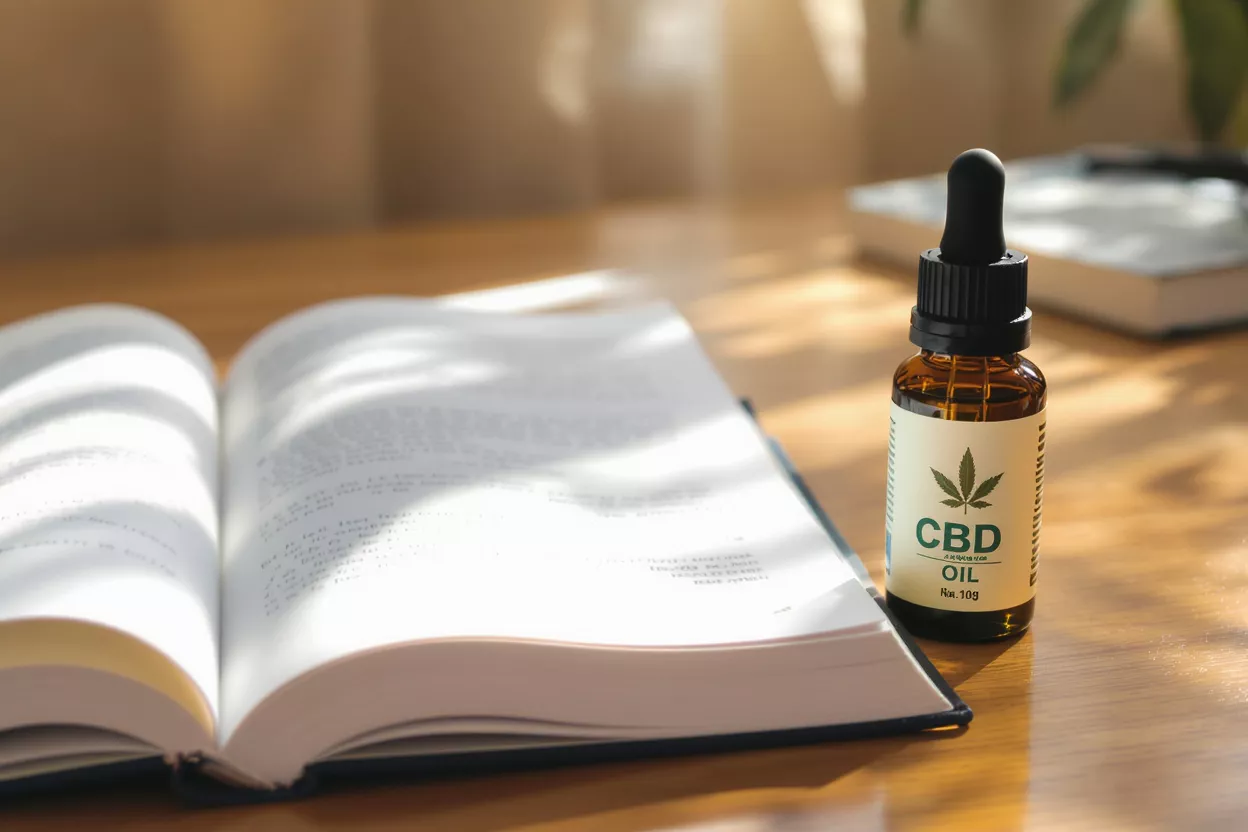
CBD oil for anxiety has been the focus of several notable clinical investigations, and the format matters because oils and tinctures allow for precise, repeatable dosing. One frequently cited case series tracked dozens of patients dealing with anxiety and poor sleep, and the majority reported improvement in their anxiety scores within the first month. While case series are not the gold standard of evidence, they offer a real-world snapshot that complements tightly controlled laboratory work.
Larger randomized controlled trials are now underway, and the early signals are promising for both generalized anxiety and social anxiety disorder. Researchers are particularly interested in CBD oil because the sublingual route, where drops are held under the tongue, bypasses some of the digestive breakdown that weakens orally swallowed products. This makes CBD oil anxiety protocols easier to standardize and study.
What the case series revealed: In one widely referenced study, anxiety scores decreased in the vast majority of participants and remained reduced throughout the observation period. Sleep quality, which is tightly intertwined with anxiety, also improved for many. These overlapping benefits hint at why so many people reach for a calming CBD tincture when stress is interfering with rest.
- 🧪 Controlled trials: Measure CBD against placebo under strict conditions, offering the strongest evidence.
- 📋 Case series: Track real patients over time, useful for spotting patterns but lacking a control group.
- 🐭 Animal models: Help reveal mechanisms and safe dose ranges before human testing.
- 📊 Survey data: Captures broad self-reported experiences across thousands of users.
CBD and Anxiety: The Biological Mechanisms
To understand why CBD and anxiety are so closely linked in research, it helps to look at the specific pathways involved. The most discussed is CBD's interaction with the serotonin 5-HT1A receptor, the same system targeted by many conventional anti-anxiety medications. By stimulating this receptor, CBD may produce a calming effect that parallels, though through a different route, the action of some prescription drugs.
Beyond serotonin, CBD influences the activity of the amygdala, the brain's fear-processing hub. Imaging studies have shown reduced amygdala reactivity to threatening stimuli after CBD administration, which lines up neatly with the subjective reports of feeling less on edge. This combination of receptor activity and altered brain region behavior gives the compound a plausible, multi-layered explanation for its calming reputation.
The neurogenesis connection: Some research suggests that chronic stress damages the hippocampus, a region involved in mood regulation, and that CBD may help promote the growth of new neurons there. While this work is still largely preclinical, it offers a tantalizing hint that CBD's benefits could extend beyond immediate symptom relief toward longer-term resilience. Compounds like Theanine and even Lion's Mane are studied for similar neuroprotective qualities, placing CBD in interesting company.
Types of CBD for Anxiety Relief
Not all CBD products are created equal, and the type you choose can meaningfully affect your experience. The three main categories are full-spectrum, broad-spectrum, and isolate, each defined by which other plant compounds remain alongside the cannabidiol. Understanding these distinctions helps you match a product to your goals and your tolerance for trace THC.
Full-spectrum products retain the complete range of cannabinoids and terpenes, including a legal trace of THC, and many users believe this produces a synergistic enhancement known as the entourage effect. Broad-spectrum keeps the supporting cast of terpenes like Terpinolene, with its distinctive terpinolene effects, but strips out the THC, making it a popular middle ground. Isolate is pure CBD with nothing else, ideal for those who must avoid THC entirely.
- 🌿 Full-spectrum: All cannabinoids and terpenes intact, including trace THC for the entourage effect.
- 🍃 Broad-spectrum: Terpene-rich but THC-free, balancing synergy with caution.
- 💎 Isolate: Pure cannabidiol, predictable and THC-free, ideal for sensitive users.
- 🫖 Infused formats: Options like THC tea, CBD-rich edibles, and a soothing thc beverage broaden how you can consume it.
Choosing a format that fits your life: Beyond spectrum, delivery method shapes onset and duration. Tinctures and a discreet broad-spectrum CBD capsule offer convenience, while vapes work fastest. Some people enjoy winding down with CBD-infused thc tea, and the market now stretches to novelties like thc lipstick, reflecting how creative the category has become. Top shelf 2025 product lines increasingly emphasize transparency and clean extraction.
CBD Dosage for Anxiety: A Practical Guide
Finding the right CBD dosage for anxiety is more art than science, because individual factors like body weight, metabolism, and the severity of symptoms all play a role. The widely recommended approach is to start low and increase gradually, a strategy clinicians call titration. Beginning with a small dose lets you observe how your body responds before committing to more.
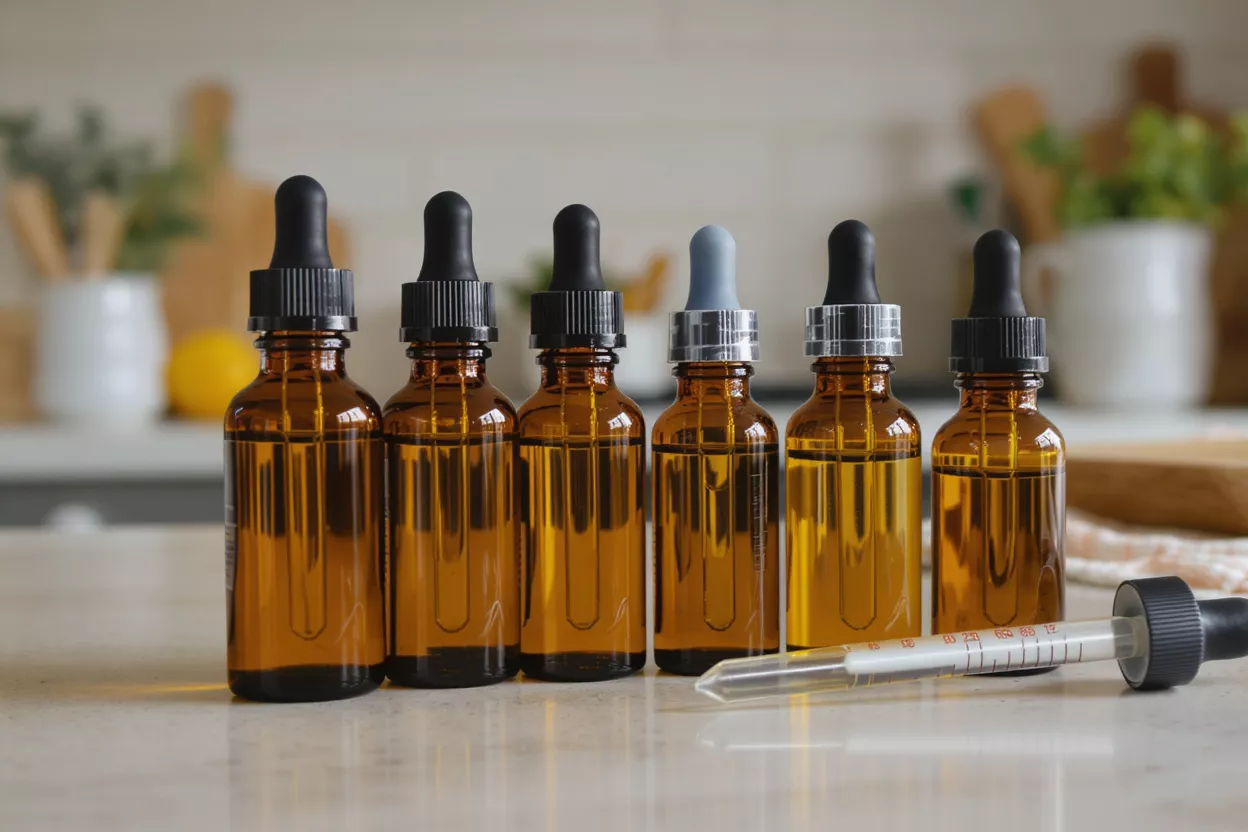
Research protocols have used a remarkably wide range of doses, from modest amounts to several hundred milligrams in clinical settings. For everyday wellness use, most people land somewhere in the lower-to-middle band and adjust based on results. The CBD oil dosage for anxiety that works for a friend may be too much or too little for you, so personal experimentation within sensible limits is key.
How to titrate safely: Increase your dose every few days rather than all at once, keeping a simple log of how you feel. This patient approach helps you find the minimum effective amount, which saves money and reduces the chance of side effects. Consistency over weeks tends to matter more than any single large dose.
Best CBD for Anxiety and Depression
Anxiety and depression frequently travel together, and many people searching for the best CBD for anxiety and depression are hoping for a single solution that addresses both. The research here is more preliminary, but CBD's interaction with the serotonin system, the same pathway implicated in many antidepressants, provides a logical basis for studying its mood-lifting potential.
Animal studies have shown antidepressant-like effects, and some human survey data points in an encouraging direction, though robust clinical trials specifically targeting depression remain limited. It is important not to overstate the case. CBD should be viewed as a possible complement to, not a replacement for, established mental health care, and anyone managing serious depression should keep their healthcare provider in the loop.
Why the dual approach appeals: When anxiety and low mood feed each other, a compound that gently touches both could break the cycle. Many users seeking the best CBD for anxiety report secondary improvements in motivation and outlook, which aligns with how interconnected these conditions are at the neurological level. Pairing CBD with lifestyle habits like exercise and good sleep tends to amplify the benefit.
CBD for Anxiety Side Effects and Safety
One of the strongest arguments in favor of CBD is its generally favorable safety profile. Major health reviews have concluded that it is well tolerated even at relatively high doses, with side effects tending to be mild when they occur at all. This stands in contrast to many traditional anti-anxiety medications, which can carry risks of dependence and significant withdrawal.
That said, CBD is not entirely without considerations. The most commonly reported side effects include drowsiness, dry mouth, diarrhea, and changes in appetite. More importantly, CBD can interact with certain medications by affecting the liver enzymes that metabolize them, which is why a conversation with your doctor matters if you take prescription drugs.
- 😴 Drowsiness: More likely at higher doses; useful at night, less so by day.
- 💧 Dry mouth: A common and easily managed effect, relieved by staying hydrated.
- 💊 Drug interactions: CBD can affect how the liver processes other medications.
- 🩺 Medical guidance: Always consult a professional if you are pregnant, nursing, or on prescriptions.
CBD Versus Other Compounds for Stress
CBD does not exist in a vacuum, and it is worth understanding how it compares with other natural compounds people use for stress. Theanine, an amino acid found in green tea, promotes a relaxed alertness and pairs well with CBD for daytime calm. Adaptogenic mushrooms such as Lion's Mane are prized for cognitive support, while THCV, a lesser-known cannabinoid, is being studied for its own distinct effects on mood and appetite.
The cannabis world also offers a vocabulary that can feel overwhelming to newcomers. Terms like Sun-grown flower, Swiss perc filtration in glassware, a Thai stick, or the appeal of a clean resin hit all describe facets of a rich culture. For anxiety specifically, though, the gentle and non-intoxicating nature of CBD keeps it at the center of the wellness conversation rather than the recreational one.
Stacking compounds thoughtfully: Some people combine CBD with Theanine or magnesium for layered relaxation, while antioxidants like Tocopherol support overall cellular health. The key is to introduce one variable at a time so you can tell what is actually helping. A modern thc vape pen or other format simply changes delivery, not the underlying strategy of mindful, gradual experimentation.


Pain Capsules 60mg CBD : CBG x 30caps – NOW+THEN
Comprehensive comfort, capsuled. NOW+THEN's Pain Capsules pair 30mg of CBD with 30mg of CBG in each of 30 doses — two cannabinoids working together for everyday aches, in a no-flavour, swallow-and-go format. No high, just steady, reliable relief. The dependable daily capsule for managing discomfort cleanly.
- Dual-Action Anxiety Relief : CBD and CBG work synergistically for comprehensive stress management
- Mood Stabilization : Reduces emotional volatility and promotes mental balance
- Stress Response Regulation : Helps manage cortisol levels and fight-or-flight reactions
- No Psychoactive Effects : THC-free formula maintains mental clarity
- Consistent Calming : Predictable anxiety support every day
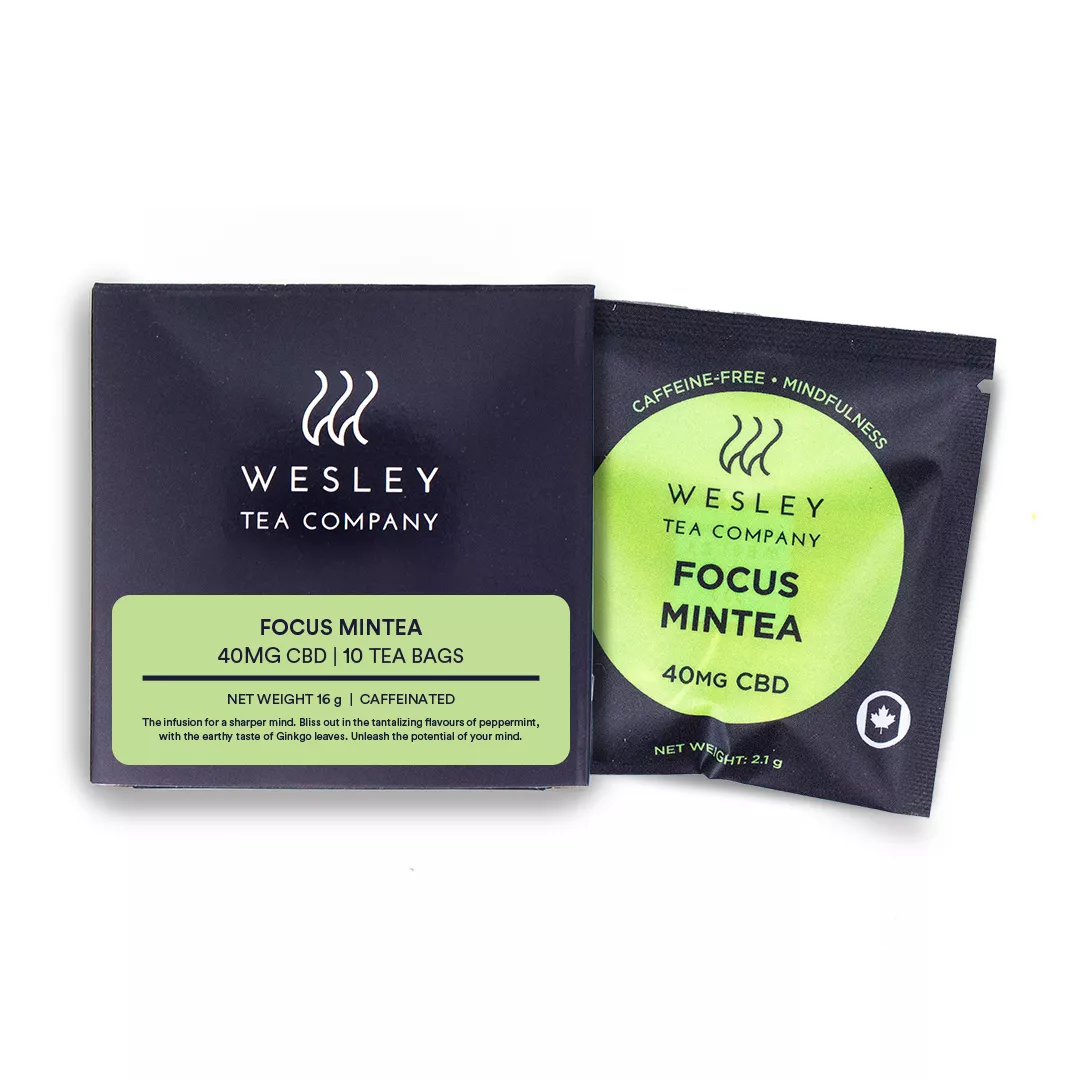
FOCUS CBD Mint Tea 40mg / 1 Tea Bag – Wesley
A calmer kind of tea break. Wesley's FOCUS steeps 40mg of CBD into cooling peppermint, memory-friendly ginkgo, and warming turmeric, so a single bag turns an ordinary cup into a clear-headed reset. Bright, herbal, and naturally caffeine-light, it's made for the mid-afternoon slump or a frazzled morning — wellness you can sip slowly while the day settles back into focus.
- Anxiety Relief: 40mg therapeutic CBD reduces stress hormones and calms racing thoughts
- Mental Clarity: Ginkgo leaves enhance focus, memory, and cognitive performance
- Digestive Comfort: Peppermint soothes stomach tension commonly caused by anxiety
- Anti-Inflammatory Support: Turmeric reduces physical inflammation linked to chronic stress
- Antioxidant Protection: Orange pieces provide vitamin C for immune and mood support

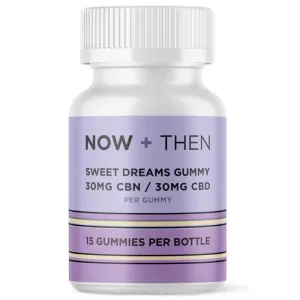
Sleep Gummies 60mg CBD : CBN x 15 pcs (900mg) – NOW+THEN
Sweeter nights, smaller pack. NOW+THEN's Sleep gummies deliver 30mg of CBD and 30mg of CBN per piece across 15 chewables — a scientifically balanced nudge toward deeper rest. One before bed and let the calm settle in. The easygoing, no-high way to turn bedtime into a ritual.
- Natural Sleep Induction : CBN specifically promotes drowsiness
- Anxiety Reduction : CBD calms racing bedtime thoughts
- Deep Sleep Support : Improves sleep quality and duration
- Plant-Based : Made with natural cannabinoids
- Morning Clarity : No grogginess or hangover effects
Getting Started With CBD for Anxiety
If you have read this far, you likely have a clear sense that CBD for anxiety is backed by a growing and genuinely interesting body of research, even if the science is still maturing. The practical takeaway is to begin with a reputable, lab-tested product, start with a conservative dose, and give it consistent time to reveal its effects rather than expecting an overnight transformation.
Quality matters enormously in an unregulated marketplace, so look for third-party certificates of analysis that verify potency and screen for contaminants. Whether you prefer a tincture, capsule, or an infused edible, the same principles apply: transparency, consistency, and patience. Avoid getting distracted by gimmicks and focus on products from brands that publish their testing openly.
To summarize the journey we have taken, CBD interacts with serotonin receptors, calms the amygdala, and may even support long-term brain health, all while maintaining an impressive safety record. The evidence is strongest for acute, situational anxiety and encouraging for broader use, with research continuing to fill in the gaps. Approached thoughtfully and in partnership with your healthcare provider, CBD offers a credible, well-studied avenue worth exploring for anyone seeking calmer days and more restful nights.




Comments