terpinolene effects
Discover terpinolene effects on mood, aroma, and wellness.
What Are Terpinolene Effects on the Body and Mind
Terpinolene effects describe the sensory, aromatic, and physiological impressions produced by one of cannabis's lesser-known yet most distinctive terpenes. While heavyweight terpenes like myrcene and limonene grab most of the spotlight, terpinolene quietly shapes the character of many beloved cultivars. Understanding terpinolene effects helps you read a strain's profile before you ever inhale, giving you a head start on predicting how a particular flower, oil, or concentrate slurry might make you feel.
Terpinolene is a monoterpene found not only in cannabis but also in nutmeg, tea tree, apples, lilac, and conifers. Its presence in such fragrant, fresh-smelling plants hints at what terpinolene brings to the table: a bright, complex bouquet that feels clean and invigorating. In cannabis specifically, it rarely dominates a profile, but even in small amounts it can tilt the overall experience toward something lighter and more cerebral.
Because terpenes contribute to more than just smell, the conversation around terpinolene effects extends into mood, focus, and the subtle ways aroma influences perception. Researchers studying plant compounds, as outlined by resources like GoodRx, continue to explore how terpenes interact with cannabinoids to fine-tune the broader experience. That makes terpinolene a fascinating subject for anyone serious about cannabis cultivation, curing, and consumption.
How Terpinolene Effects Work at the Molecular Level
The chemistry behind the experience: Terpinolene belongs to a family of volatile aromatic molecules that evaporate readily at room temperature, which is part of why fresh flower smells so vivid. When you grind a cola or break apart a dense bud, you release these compounds into the air. Heat from a convection vaporizer or combustion accelerates this release, carrying terpinolene into your lungs alongside cannabinoids and other terpenes such as cymene.
Interaction with cannabinoid receptors: Unlike THC, terpinolene does not bind strongly to CB1 receptors to produce intoxication. Instead, terpenes are thought to modulate how cannabinoids behave, influencing receptor sensitivity and contributing to subtle shifts in the overall effect. This indirect role means terpinolene rarely steals the show on its own, but it can meaningfully color the experience when present in a meaningful concentration.
Terpinolene also exhibits antioxidant activity in laboratory settings, a property it shares with other plant compounds like curcumin. While these findings come largely from preclinical research rather than human trials, they help explain ongoing scientific interest in how terpinolene effects might extend beyond aroma into measurable biological activity. The key takeaway is that terpinolene is rarely a solo act—its real value emerges in concert with the full chemical chorus of the plant.
Terpinolene Effects on Aroma and Flavor
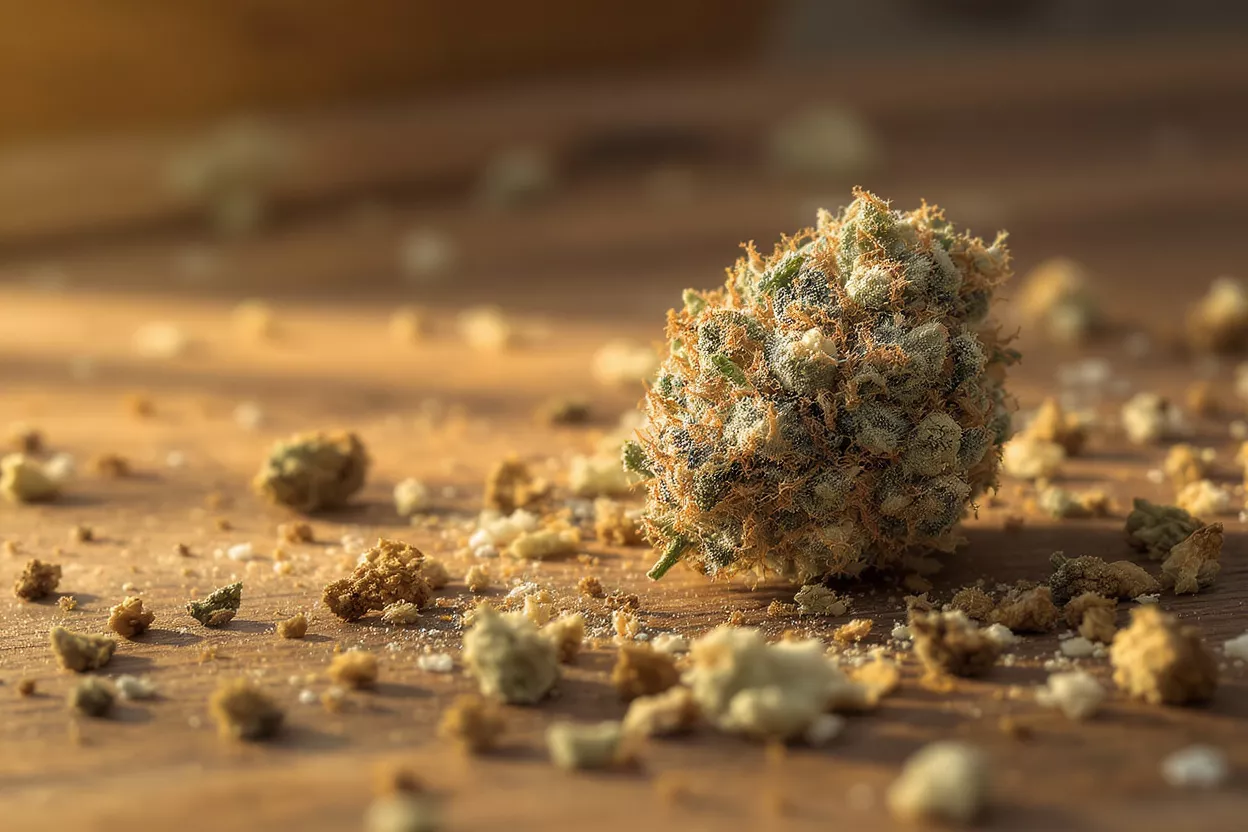
If you have ever opened a jar and been hit with a smell that seems simultaneously piney, floral, herbal, and faintly citrusy, you may have encountered a terpinolene-rich strain. This complexity is precisely what makes terpinolene effects so beloved by flavor chasers. The terpene resists easy categorization, layering several scent notes into a single fresh impression that lingers pleasantly on the palate.
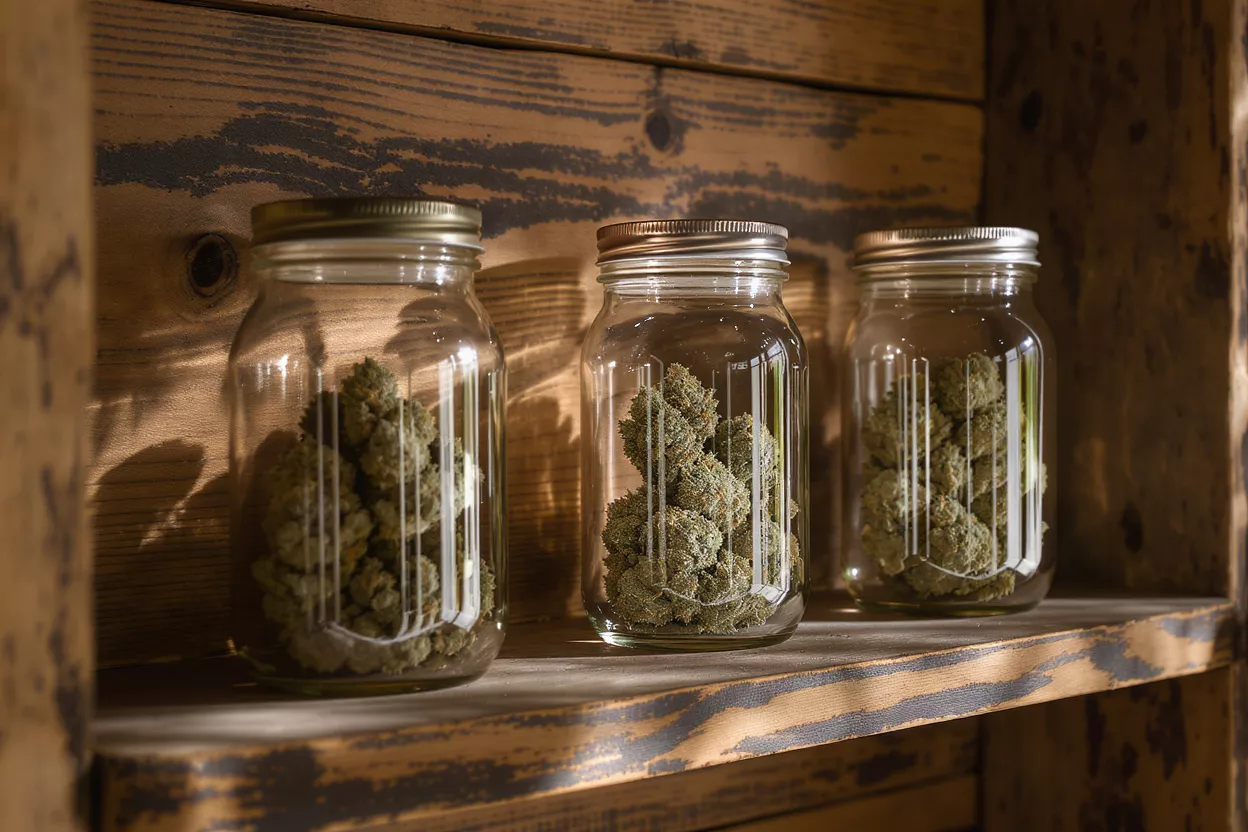
During curing, the careful drying and aging of harvested flower, terpene profiles develop and stabilize. A well-cured batch preserves delicate compounds like terpinolene that might otherwise degrade with rough handling or excess heat. This is one reason connoisseurs pay close attention to how flower is processed after harvest, and why a quality slow-cured craft flower often delivers a more vivid, nuanced aroma than hastily dried product.
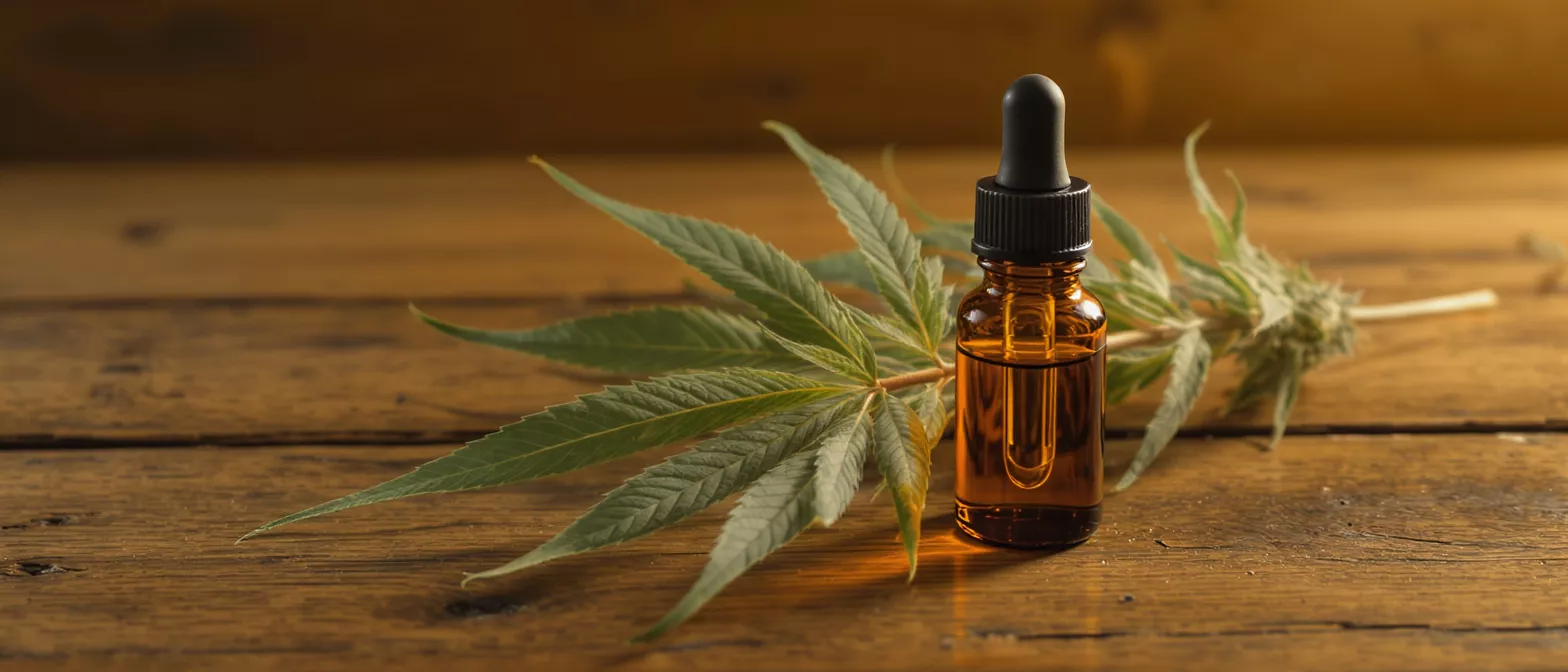
The flavor carries through into extracts as well. When producers use CO2 extraction to create CO2 oil, or refine material into crumble and other concentrates, preserving the original terpene fingerprint becomes a craft in itself. Connoisseurs often look for products that retain terpinolene's signature brightness rather than washing it out in processing.
- 🌲 Pine and conifer: A crisp, forest-like sharpness that gives terpinolene its outdoorsy edge.
- 🌸 Floral and lilac: Soft, perfume-like notes that round out the harsher pine.
- 🍏 Fresh apple and citrus: A juicy brightness reminiscent of green fruit and zest.
- 🌿 Herbal and grassy: An earthy, almost tea-like undertone tying it all together.
Which Strains Show the Strongest Terpinolene Effects
Sativa-leaning lineages lead the way: Terpinolene tends to appear most prominently in certain sativa-dominant families, with the Jack Herer lineage being the classic example. Any cross or clone descended from these genetics often carries forward that bright, energetic terpene signature. Dutch Treat, Golden Goat, and several Haze hybrids also frequently test high in terpinolene.
Why dominant-terpinolene strains are rare: Among the dozens of cultivars on a typical dispensary menu, only a small fraction will list terpinolene as their primary terpene. More often it appears as a secondary or tertiary component. This relative scarcity is part of why terpinolene-forward genetics command attention from collectors who chase unusual profiles and want something distinct from the usual myrcene-heavy lineup.
When shopping, lab reports are your best friend. A certificate of analysis breaks down the terpene percentages so you can verify a strain genuinely delivers the terpinolene effects you are after rather than relying on marketing alone. If you cannot find lab data, a knowledgeable budtender familiar with the genetics and cultivation history of a given clone can point you toward authentic options.
Are Terpinolene Effects Uplifting or Sedating
One of the most common questions about terpinolene effects is whether the terpene leans energizing or relaxing. Anecdotally, terpinolene-rich strains are frequently described as uplifting, clear-headed, and creatively stimulating—closer to a daytime experience than the heavy couch lock associated with certain myrcene-dominant indicas. Many users report a sense of mental brightness rather than the kind of sedation that pins you to the sofa.
That said, the picture is more nuanced than a simple energizing-versus-sedating split. Terpinolene rarely appears alone, so the overall effect depends heavily on accompanying cannabinoids and terpenes. A strain that pairs terpinolene with stimulating compounds may feel zippy and focused, while one that combines it with relaxing terpenes could land somewhere gentler. Avoiding an unwanted crossfade between substances also matters, since combining cannabis with alcohol can muddy whatever clarity terpinolene might otherwise offer.
It is worth noting that individual biochemistry plays a major role. The same terpinolene-rich flower might leave one person buzzing with ideas and another simply relaxed. Set, setting, dose, and tolerance all interact with terpene content, so treat generalizations as starting points rather than guarantees. For those seeking a clear-headed lift, a thoughtfully chosen daytime sativa vape built around terpinolene-rich genetics is a sensible place to begin.
Terpinolene Effects and Potential Wellness Benefits
Antioxidant and protective properties: Preclinical studies have explored terpinolene's antioxidant capacity, suggesting it may help neutralize free radicals in laboratory models. While this research is promising, it has not yet translated into established human health claims, so the appropriate posture is curious optimism rather than certainty.
Antimicrobial and sedative signals in research: Some laboratory work has examined terpinolene for antibacterial and antifungal activity, and a handful of studies even noted mild sedative effects in animal models—an interesting counterpoint to its energizing reputation in cannabis. As medical publishers such as GoodRx regularly emphasize, animal and test-tube findings do not automatically apply to humans, and dosing in studies often far exceeds what you would encounter in flower.
It is also worth remembering that whole-plant wellness rarely comes down to a single molecule. The aromatic terpinolene that brightens a strain works alongside cannabinoids, flavonoids like the relatives of citronellol, and adaptogenic compounds people associate with botanicals such as cordyceps in the broader wellness world. The terpene is one instrument in a much larger ensemble, and its benefits are best understood in that fuller context.

Terpinolene Effects Within the Entourage Effect
The entourage effect is the theory that cannabis compounds work better together than in isolation, each modulating and amplifying the others. Terpinolene effects are a textbook example of this principle in action, because the terpene's influence becomes far more noticeable when it interacts with the right cannabinoid backdrop. On its own, isolated terpinolene is mostly an aroma; within a full-spectrum context, it becomes a meaningful contributor to the overall character.
This is why many enthusiasts prefer full-spectrum products over isolates. When you choose a full-spectrum concentrate rather than a stripped-down distillate, you preserve the natural interplay between terpinolene, cannabinoids, and the dozens of other compounds present in the plant. Processing methods matter here, too—gentle extraction protects the terpene relationships that give each strain its identity.
Understanding the entourage effect also reframes how you evaluate products. Instead of fixating on a single number like THC percentage, you start reading the full terpene panel, noting how terpinolene sits alongside its companions. This holistic view, increasingly endorsed by cannabis science writers and resources like GoodRx, leads to smarter, more satisfying purchases than chasing potency alone.
Are Terpinolene Effects Safe to Experience
A common, food-grade compound: Terpinolene is widely used as a flavoring and fragrance ingredient in foods, cosmetics, and household products, and it is generally recognized as safe in those everyday contexts. The amounts present in cannabis flower are modest, and most people tolerate terpinolene without any specific issues beyond the ordinary considerations that accompany cannabis use overall.
As with any terpene, sensitivities exist. A small number of individuals may find certain aromatic compounds irritating, particularly when inhaled in concentrated forms like high-temperature dabs. Using proper equipment—a quality crutch or crutch-equipped joint, a circ perc water piece to cool and filter vapor, or a temperature-controlled vaporizer—can smooth the experience and reduce throat irritation, leaving you free to enjoy the flavor rather than fight cottonmouth.
The broader safety considerations around terpinolene effects mirror those of cannabis generally: start low, go slow, and pay attention to how your body responds. Pregnant or nursing individuals, anyone on prescription medication, and those with underlying health conditions should consult a healthcare professional before adding any cannabis product to their routine, as trusted health resources consistently recommend.

Best Products to Explore Terpinolene Effects
If you want to experience terpinolene effects firsthand, the format you choose shapes how clearly the terpene comes through. Fresh, well-cured flower offers the most authentic and complete profile, since nothing has been stripped away in processing. Vaporizing flower at moderate temperatures preserves delicate terpenes that combustion can scorch, letting terpinolene's piney-floral brightness shine.
Concentrates offer another window into the experience, provided they are made with terpene preservation in mind. Live resin and other solventless or carefully extracted products often retain more of the original aromatic fingerprint than products refined from a heavily processed concentrate slurry. Look for extracts that explicitly market their terpene content, and check lab panels to confirm terpinolene is actually present.
Here is a quick reference for matching product types to your goals when chasing terpinolene effects:
- 🌿 Cured flower: The fullest, most authentic terpinolene experience; best for purists who value aroma.
- 💨 Live resin and solventless: Concentrated potency with terpene preservation intact.
- 🛢️ CO2 oil cartridges: Convenient, portable, and clean when terpenes are reintroduced thoughtfully.
- 🍬 Infused edibles: Longer-lasting effects, though aroma nuance is often muted by the format.
Terpinolene Effects: Key Takeaways for Curious Consumers
Terpinolene effects offer a compelling reason to look beyond THC percentages and start appreciating the aromatic chemistry that makes each strain unique. Though it rarely dominates a profile, terpinolene contributes a bright, complex bouquet of pine, lilac, apple, and herb that distinguishes some of cannabis's most cherished sativa-leaning cultivars. Its tendency toward clear-headed, uplifting impressions makes it a favorite for daytime enthusiasts and creative pursuits.
From its molecular behavior and role in the entourage effect to its food-grade safety record and intriguing preclinical research, terpinolene rewards the curious. Understanding it deepens your appreciation for the entire journey from cultivation and curing to the final inhale, and it equips you to read lab panels with a more discerning eye. The terpene's true magic emerges in partnership with cannabinoids and its fellow aromatic compounds, never quite alone.
Whether you explore terpinolene through fresh flower, a carefully made concentrate, or a flavorful cartridge, the key is choosing quality products that preserve the terpene's delicate character. Read the labels, favor full-spectrum options where you can, and let your own senses guide you. The more attention you pay to terpenes like terpinolene, the richer and more personalized your cannabis experience becomes.