

How Long Does CBD Oil Take to Work for Anxiety Relief?
Wondering how long does CBD oil take to work for anxiety?
How Long Does CBD Oil Take to Work?
If you have ever sat with a dropper of tincture under your tongue wondering when calm is supposed to arrive, you are asking the right question. How long does CBD oil take to work depends heavily on how you take it, but a useful rule of thumb is that sublingual CBD oil — held under the tongue — typically begins producing noticeable effects within 15 to 45 minutes. Swallowed CBD that passes through the digestive tract takes longer, often 60 to 120 minutes, because the compound has to survive the first-pass metabolism of the liver before reaching your bloodstream.
Why the timing varies so much: CBD is not a single fixed experience. The same milligram dose can feel different from one person to the next based on body chemistry, metabolism, and whether your stomach is full or empty. Acute anxiety relief — the kind you want before a flight or a presentation — tends to surface faster than the steady, cumulative calm that builds over weeks of consistent use. Both are real, but they operate on different clocks.
Fast relief versus building a baseline: Many people expect CBD to behave like a fast-acting sedative, then feel disappointed when the first dose is subtle. The reality is that anxiety relief from CBD oil often arrives in two layers. The first is the immediate, gentle softening you may feel within the hour. The second is a longer-term recalibration of your stress response that only emerges after one to several weeks of daily dosing. Understanding both timelines prevents you from giving up too early.
What Affects CBD Oil Absorption Speed?
The single biggest variable in how long CBD oil takes to work is the route it travels into your blood. Sublingual absorption through the tissues under your tongue bypasses the digestive system, which is why holding the oil for 60 to 90 seconds before swallowing speeds onset considerably. Swallow it immediately and you convert your tincture into an edible, lengthening the wait. According to GoodRx, bioavailability — the percentage of a dose that actually reaches circulation — differs dramatically between methods, and that difference shapes both speed and strength of effect.
Your body and your meals matter: Metabolism sets the pace. A faster metabolic rate can mean quicker onset but also a shorter duration. Body weight, liver function, and individual endocannabinoid tone all play a role. Food is another lever — CBD is fat-soluble, so taking it alongside a meal containing healthy fats can improve absorption of the swallowed portion, even if it slightly delays the initial onset.
Product quality and concentration also influence how quickly you feel anything. A poorly formulated oil with low bioavailability may need a larger dose to produce the same effect as a well-made full-spectrum tincture. Carrier oils, emulsification, and the presence of supporting terpenes all factor in. Some people pair their routine with a quality CBD tincture for daily calm and find the consistency of a reliable product makes the timing far more predictable.
Does CBD Help Anxiety? What Research Shows
The question of whether CBD helps anxiety has moved from anecdote toward a growing body of clinical interest. Preliminary research suggests CBD interacts with serotonin receptors — particularly the 5-HT1A receptor implicated in mood and anxiety regulation — in a way that may dampen the overactive stress signaling many people with anxiety experience. This is a different mechanism than how benzodiazepines work, and it tends to produce calm without the heavy sedation or dependency profile of pharmaceutical anxiolytics.
What human studies have found: Small clinical trials examining CBD for situational anxiety, such as public speaking, have reported reduced subjective anxiety and improved physiological markers at single doses. Research into generalized and social anxiety has been promising but remains early-stage, with dosing protocols still being refined. The honest takeaway is that the evidence is encouraging rather than conclusive, and CBD should be viewed as a supportive tool rather than a cure.
Why some people feel more than others: Individual response to CBD for anxiety varies because everyone's endocannabinoid system is tuned differently. Theanine, an amino acid found in tea, works synergistically with CBD for some users, which is why certain calming blends pair the two. Compounds like THCV and the supporting cast of terpenes in full-spectrum oil may also nudge the experience. The phenomenon where these compounds amplify one another is often called the entourage effect.
Best CBD Oil Delivery Methods for Fast Relief
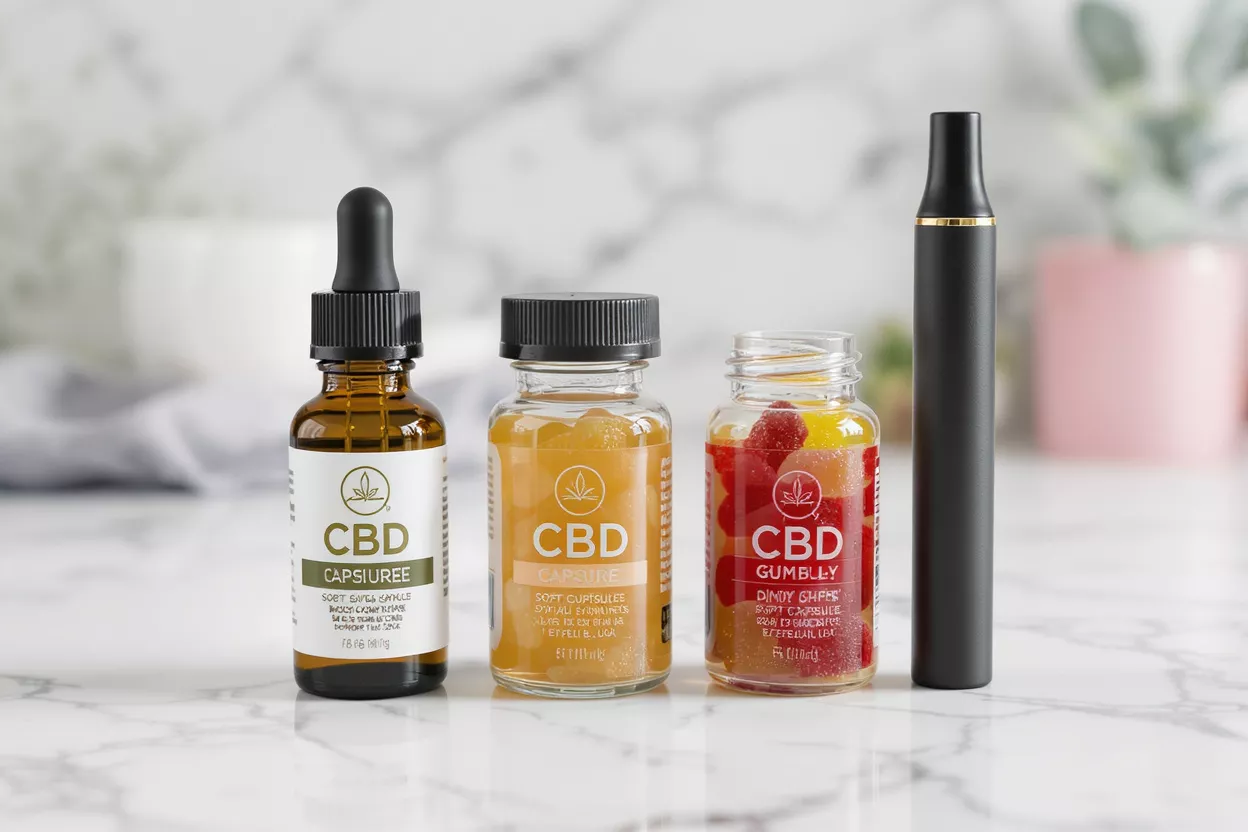
Not all CBD products are built for speed, and matching the delivery method to your goal is half the battle. For the fastest onset, inhalation leads the pack — a thc vape pen or CBD vape delivers cannabinoids to the bloodstream through the lungs in minutes, though the effects also fade more quickly. For most anxiety users, sublingual oil strikes the best balance of reasonably fast onset and lasting duration.
Here is how common methods compare on speed and longevity:
- 💨 Inhalation (vape): Onset in 2–10 minutes, effects last 1–3 hours. Fastest relief, shortest duration.
- 💧 Sublingual oil: Onset in 15–45 minutes, effects last 4–6 hours. The balanced all-rounder.
- 🍬 Edibles and gummies: Onset in 60–120 minutes, effects last 6–8 hours. Slow start, longest hold.
- 🧴 Topicals: Localized only, minimal systemic effect. Not for anxiety relief.
- 🍵 Beverages (thc tea, thc beverage): Onset 30–90 minutes depending on formulation and stomach contents.
Choosing for your situation: If you need to short-circuit a panic spike, faster methods make sense. If you want steady all-day coverage, a long-acting edible or a twice-daily sublingual routine serves better. Many people keep two formats on hand — a fast option for acute moments and a slow-release option for baseline support. A well-balanced CBD softgel for steady all-day support fits neatly into the second role.
CBD Oil Dosage for Anxiety: Finding Your Amount
There is no universal CBD dosage for anxiety, which frustrates people who want a single number. The most reliable approach is "start low and go slow" — begin with a modest dose, hold it steady for several days, and increase gradually only if you need more. A common starting point is 10 to 25 milligrams per day, adjusted upward in small increments while you watch how your body responds.
How to titrate without guessing: Keep a simple log noting your dose, the time you took it, and how you felt over the following hours. This turns a vague experiment into real data. Because CBD builds a cumulative effect, the dose that feels underwhelming on day one may feel right by day five. Resist the urge to keep escalating before giving each level a fair trial.
Several factors shape the right number for you:
- ⚖️ Body weight: Larger bodies often require proportionally higher doses to feel the same effect.
- 🔥 Severity of anxiety: Mild situational nerves need less than persistent generalized anxiety.
- 🧬 Individual chemistry: Your unique endocannabinoid tone changes how much you need.
- 📦 Product potency: A concentrated tincture delivers more per drop than a mild one.
- ⏱️ Tolerance over time: Some users settle into a stable maintenance dose after a few weeks.
How Long CBD Stays in Your System
Onset is only half the story — duration matters just as much when you are planning your day. After CBD oil takes effect, a single sublingual dose generally provides noticeable support for four to six hours, with a gentle tapering rather than an abrupt cliff. This is why a morning and evening routine works well for many people managing daytime anxiety.
Detectable versus felt effects: There is an important distinction between how long you feel CBD and how long it remains traceable in your body. The felt effects fade within hours, but CBD and its metabolites can linger in tissue for days, since it is stored in fat. For most anxiety users this is irrelevant to the experience, but it matters if you take CBD regularly and expect compounding benefits over time.
Building a consistent baseline: Because CBD accumulates with daily use, many people find the most pronounced anxiety relief only after a few weeks of steady dosing, when blood levels reach a stable plateau. Skipping days disrupts that plateau. Treating CBD like a daily supplement rather than an as-needed rescue remedy is what unlocks its fullest calming potential for chronic anxiety.
CBD for Anxiety and Depression Combined
Anxiety and depression frequently travel together, and many people exploring CBD for anxiety and depression want to know whether one product can address both. The serotonin-related mechanisms that may ease anxiety overlap with mood regulation pathways, which is why some users report a lifting of low mood alongside reduced anxiety. The research here is even earlier than the anxiety data, so expectations should stay grounded.
The mood and sleep connection: Poor sleep amplifies both anxiety and depression, and CBD's gentle support for sleep quality can produce indirect mood benefits. When you sleep better, your stress baseline drops, which can break the feedback loop where anxiety wrecks your rest and bad rest worsens anxiety. Pairing CBD with good sleep hygiene multiplies the benefit.
Some users complement CBD with functional mushrooms like Lion's Mane, prized for its potential cognitive and mood support, creating a daily stack aimed at overall mental wellness. Adaptogenic blends and a reliable full-spectrum CBD oil for mood balance form the foundation of many of these routines. As always, anyone taking prescription antidepressants should consult a physician before combining them with CBD, because of potential interactions through liver enzymes.
Types of CBD Oil and Which Works Fastest
The label on your bottle tells you more than potency — it tells you which supporting compounds come along for the ride, and that influences both speed and quality of relief. The three main categories are full-spectrum, broad-spectrum, and CBD isolate, and each suits a different priority.
- 🌿 Full-spectrum: Contains the complete range of cannabinoids and terpenes, including trace THC. Many users find it the most effective for anxiety thanks to the entourage effect.
- 🍃 Broad-spectrum: Keeps the supporting cannabinoids and terpenes but removes THC. A middle path for those avoiding THC entirely.
- 💎 Isolate: Pure CBD with nothing else. Predictable and flavorless, but lacks the synergy of whole-plant extracts.
Why terpenes change the experience: Terpenes are aromatic compounds that do more than provide flavor. Terpinolene, with its fresh, floral character, and the terpinolene effects associated with uplifting calm, illustrate how these molecules subtly steer the mood of a product. Sun-grown extracts often carry richer terpene profiles than rushed indoor crops, and that fullness can make full-spectrum oil feel more rounded.
Speed-wise, the type of oil matters less than its formulation and how you take it. A well-emulsified full-spectrum tincture held sublingually will outpace a thick, poorly formulated isolate oil that you swallow. The smartest move is to choose your spectrum based on your THC preferences, then optimize onset through delivery technique.
What to Expect Week by Week With CBD Oil
Setting realistic expectations is the difference between sticking with CBD long enough to benefit and abandoning it prematurely. Most people do not experience a dramatic transformation on day one. Instead, the effects unfold gradually, which is exactly why a structured timeline helps you stay the course.
The typical progression: In the first week, you may notice subtle, in-the-moment calm within an hour of dosing, but the broader baseline shift is usually faint. By the second and third weeks, as CBD accumulates and your routine solidifies, many users report a steadier mood, easier sleep, and a lower resting level of tension. Around the four-week mark, the cumulative picture becomes clearest, and you can judge whether your current dose and product are working.
When to adjust your approach: If a full month of consistent dosing brings no meaningful change, it is reasonable to revisit your dose, switch to a higher-quality or full-spectrum product, or reconsider your delivery method. CBD is not a guaranteed fix for everyone, and recognizing a genuine non-responder pattern saves time and money. Tracking your experience in a journal makes this assessment far more objective than relying on memory alone.


CBD CBN Sleep Tincture 1500mg – NOW+THEN
Serious rest, in a dropper. NOW+THEN's CBD+CBN Sleep tincture merges relaxing CBD with naturally sedating CBN at a potent 1500mg — built to tackle stubborn, sleepless nights head-on. A measured dropper before bed quiets the mind and eases you toward deeper sleep, with no high and a clear morning. The nightcap for when ordinary sleep aids fall short.
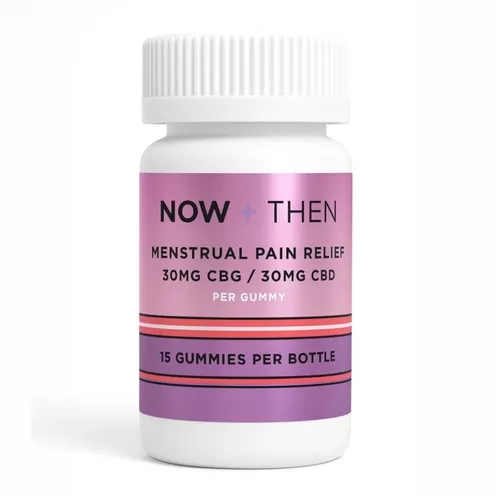
Menstrual Pain Relief Gummies 30mg CBD : CBG x 15 pcs (450mg) – NOW+THEN
Period relief, reimagined. NOW+THEN's Menstrual gummies pair 30mg of CBD with 30mg of CBG in each tropical-flavoured piece — a dual-cannabinoid approach to the cramps and tension that come with that time of the month. No high, just steady, comforting support in a chewable you'll actually look forward to. Fifteen sweet, soothing bites for tougher days.
- Pain Receptor Modulation: CBG directly influences endocannabinoid receptors responsible for pain signaling in reproductive tissues
- Inflammatory Response Management: CBD reduces prostaglandin production that causes uterine contractions and cramping intensity
- Nervous System Regulation: Cannabinoid interaction with GABA pathways promotes relaxation and anxiety reduction
- Circulatory Enhancement: Improved blood flow reduces tissue hypoxia that contributes to menstrual pain severity
- Endocrine System Support: Natural compounds help regulate hormonal fluctuations without disrupting natural cycles
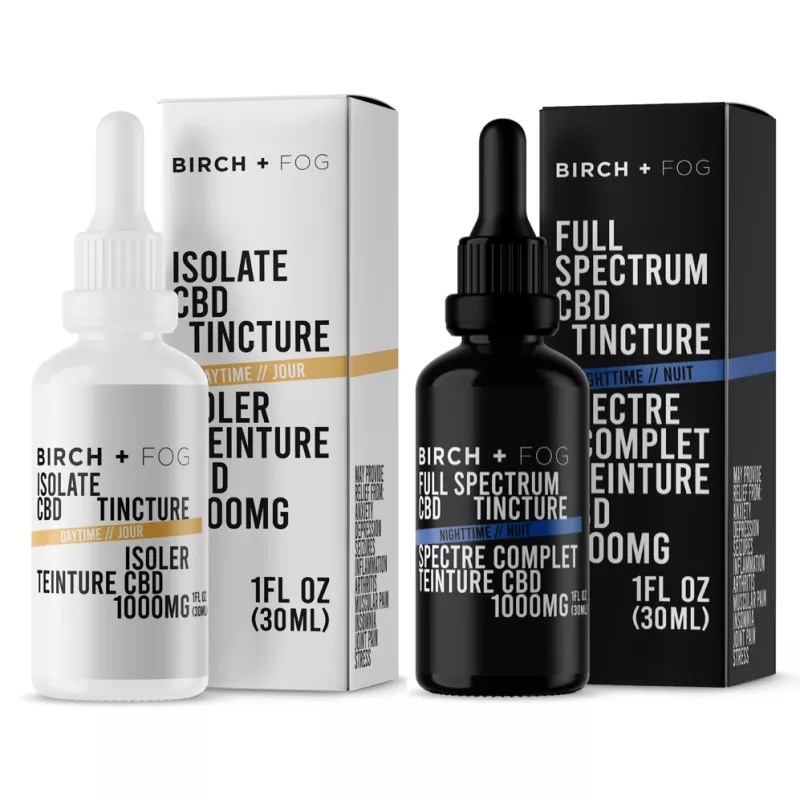
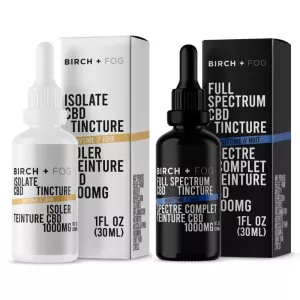
Day + Night CBD Tincture Duo 1000mg – BIRCH+FOG
Around-the-clock relief, tuned to your body clock. Birch+Fog's 1000mg Day + Night duo targets stress differently across two bottles — energizing sativa terpenes keep daytime focus calm and clear, while the evening blend quiets racing thoughts and physical tension for better sleep. One simple system that meets the morning and the night each on their own terms.
- Daytime Anxiety Management : Reduces social and performance anxiety while maintaining mental sharpness
- Evening Stress Relief : Calms racing thoughts and physical tension for better sleep preparation
- Circadian Rhythm Support : Works with natural body clocks to optimize anxiety relief timing
- Cognitive Function Preservation : Morning formula provides calm focus without drowsiness or impairment
- Sleep Quality Enhancement : Nighttime blend promotes deeper, more restorative sleep cycles
Is CBD Oil Safe for Anxiety Relief?
CBD has a reassuring safety profile, which is part of why it has become such a popular natural option for anxiety. Most research describes it as well tolerated even at relatively high doses, with side effects that tend to be mild when they occur — drowsiness, dry mouth, changes in appetite, or occasional digestive upset being the most common. It is not associated with the dependency risk or dangerous overdose potential of many conventional anti-anxiety medications.
Drug interactions to take seriously: The most important safety consideration is how CBD interacts with the liver enzymes that metabolize many prescription drugs. Because CBD can slow the breakdown of certain medications — including some blood thinners, seizure drugs, and antidepressants — anyone on prescription medication should talk to a healthcare provider before starting. This is not a reason for alarm, just a reason for a conversation.
Choosing quality protects you as much as choosing the right dose. Look for products with third-party lab testing, clear cannabinoid content, and transparent sourcing, ideally the top shelf 2025 caliber of formulation that reputable brands provide. To summarize the key takeaways: sublingual CBD oil typically works within 15 to 45 minutes for acute relief, builds a deeper baseline calm over several weeks of consistent use, and is generally safe when you mind potential drug interactions. Treat it as a daily wellness practice rather than a quick fix, track your response, and you will give yourself the best chance at lasting anxiety relief.




Comments