

CBL
Discover CBL (cannabicyclol), a rare non-psychoactive cannabinoid formed through cannabis degradation.
What Is CBL (Cannabicyclol) in Cannabis?
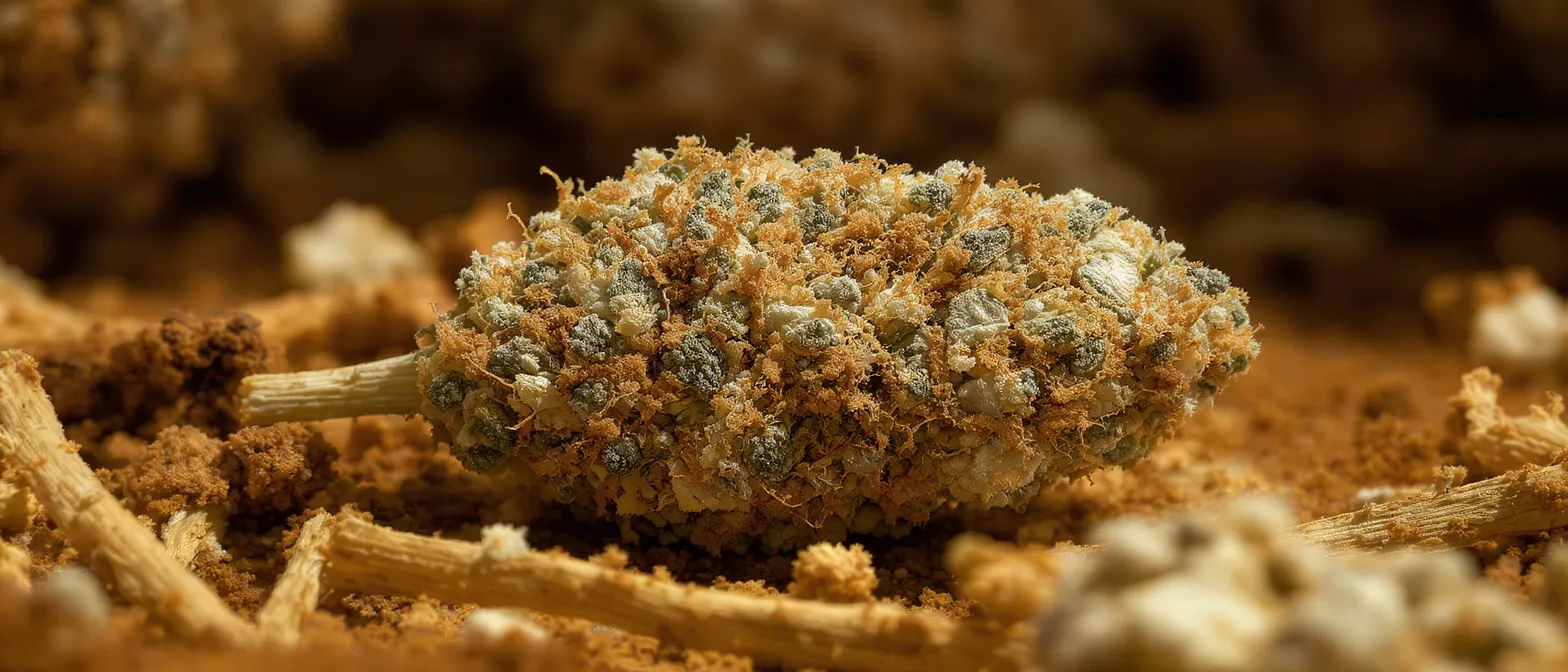
CBL (cannabicyclol) is one of the more obscure compounds in the cannabis plant, a rare and largely non-psychoactive cannabinoid that rarely appears in conversations about THC or CBD. Yet it occupies an intriguing corner of cannabis chemistry. Unlike the major cannabinoids that the plant produces directly through enzymatic pathways, CBL is what researchers call a degradation product — it forms not in the living plant but as a result of time, light, and chemical transformation after harvest.
Because it shows up only in trace amounts, CBL has historically been overlooked by both researchers and consumers. It was first isolated in the 1960s, around the same era that scientists were mapping out the broader cannabinoid family, but it has never attracted the funding or attention given to its more famous relatives. That obscurity is part of what makes it interesting: it represents the frontier of cannabinoid science, where there are still more questions than answers.
Where the name comes from: The "cyclol" in cannabicyclol refers to its distinctive cyclic molecular structure. During its formation, the molecule undergoes a photochemical rearrangement that creates an unusual ring system not found in most other cannabinoids. This structural quirk is why CBL behaves so differently from compounds it is chemically related to.
How CBL (Cannabicyclol) Forms in the Plant
Understanding CBL begins with understanding its parent compound. CBL is derived from CBC (cannabichromene), another minor cannabinoid found in fresh cannabis. When CBC is exposed to ultraviolet light over time, it undergoes a process known as photocyclization — a light-driven chemical reaction that rearranges the molecule into the cyclic structure that defines CBL.
The role of light and time: This conversion does not happen quickly or in a living plant. Instead, it occurs gradually in harvested, stored, or aged cannabis material. The longer plant matter sits exposed to ambient light, the more CBC slowly transforms into CBL. This is why older cannabis samples, including some archaeological specimens, tend to show measurably higher CBL concentrations than fresh flower.
This degradation pathway places CBL in the same conceptual category as CBN (cannabinol), which forms when THC degrades over time. Both are essentially chemical fingerprints of age, though they originate from different parent molecules and follow distinct reaction mechanisms.
Is CBL (Cannabicyclol) Psychoactive?
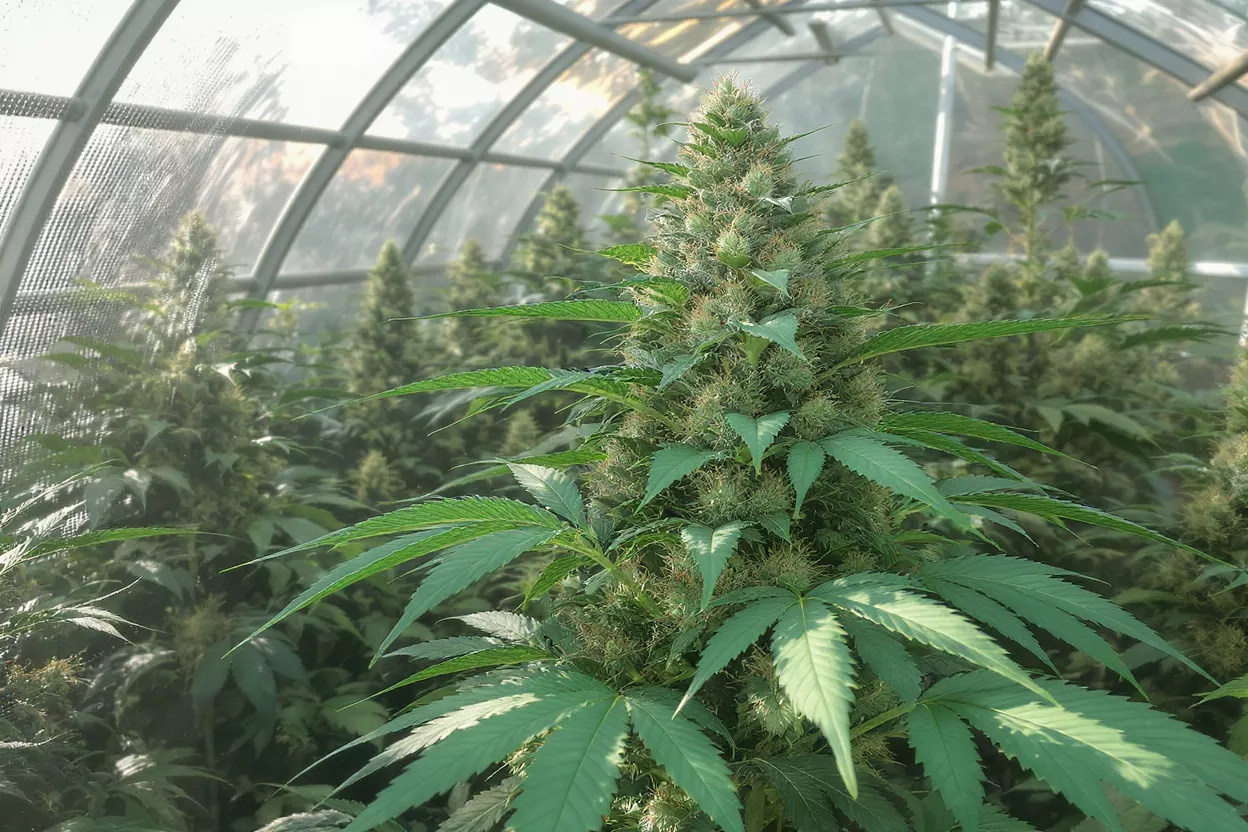
One of the most common questions about CBL is whether it produces any intoxicating effect. Based on the limited evidence available, CBL is considered non-psychoactive — it does not appear to produce the euphoria or altered cognition associated with THC. Its unusual cyclic structure means it interacts with the body's receptors very differently from the psychoactive cannabinoids.
The cannabis plant's intoxicating effects are primarily driven by molecules that fit neatly into the CB1 receptors concentrated in the brain. CBL's rearranged ring system appears to limit this kind of binding, which is the leading explanation for why it does not generate a noticeable high. That said, the absence of strong psychoactivity should not be confused with an absence of biological activity altogether.
It is worth emphasizing how preliminary this understanding remains. The non-psychoactive classification rests on a small body of older research and structural inference rather than extensive modern clinical study. As analytical tools improve, scientists may refine or revise what we currently assume about how CBL behaves in the human body.
CBL (Cannabicyclol) vs Other Minor Cannabinoids
Cannabis produces over a hundred distinct cannabinoids, and the minor ones form a fascinating spectrum of chemistry and effect. Placing CBL alongside its relatives helps clarify what makes it unique and why it occupies such a niche role in the plant's profile.
How CBL compares to its peers: Each minor cannabinoid has a different origin story, structure, and presumed activity. Here is a quick comparison of CBL against several others commonly discussed in cannabinoid science:
- 🔬 CBL (cannabicyclol): A degradation product of CBC, formed by UV light, non-psychoactive, present only in trace amounts.
- 🌿 CBC (cannabichromene): The parent compound of CBL, produced enzymatically in fresh plants, also non-intoxicating.
- 🌙 CBN (cannabinol): A degradation product of THC, mildly psychoactive, often associated with aged cannabis.
- 💧 CBD (cannabidiol): A major non-psychoactive cannabinoid with extensive research behind it.
- ⚡ CBG (cannabigerol): Often called the "mother cannabinoid" because other cannabinoids derive from its acidic form.
What sets CBL apart from most of these is that it cannot be produced by the plant on demand. While cultivators can selectively breed for higher CBD or CBG, CBL accumulates only through the slow, passive process of aging and light exposure, making it fundamentally different to source.
What Research Says About CBL (Cannabicyclol)
The scientific literature on CBL is thin, but it is not empty. Early structural studies in the 1960s and 1970s established its molecular identity and confirmed its relationship to CBC. Researchers in that era were primarily concerned with cataloging the cannabinoid family rather than investigating therapeutic potential, so much of what we know is descriptive chemistry rather than pharmacology.
Why the data is limited: Studying CBL is genuinely difficult. Because it exists in such small quantities, isolating enough pure compound for meaningful biological testing has been a persistent obstacle. The synthetic chemistry required to produce CBL in quantity has only recently become more accessible, which means rigorous pharmacological work is largely still ahead of us rather than behind us.
Some interest has emerged in CBL as part of the broader study of how cannabinoids interact within the so-called entourage effect — the theory that compounds in cannabis work together synergistically. Whether CBL contributes meaningfully to these interactions is unknown, but it represents one of many open questions that keep researchers curious about minor cannabinoids.
Why CBL (Cannabicyclol) Is So Rare in Cannabis
Rarity is the defining characteristic of CBL, and understanding why it is scarce reveals a lot about cannabis chemistry. The plant simply does not manufacture CBL. There is no enzyme dedicated to its synthesis, no genetic pathway that produces it directly, and no strain that reliably expresses it in significant amounts in fresh form.
Instead, every molecule of CBL that exists is the byproduct of CBC slowly breaking down. Because this requires both the presence of CBC and prolonged exposure to light, the conditions for accumulation are specific and gradual. Fresh, properly stored cannabis kept away from light will contain very little CBL, while old or improperly stored material may contain proportionally more.
The supply challenge: This natural scarcity creates a bottleneck for anyone hoping to study or use CBL. You cannot simply grow a high-CBL crop the way you might cultivate high-CBD hemp. The compound's dependence on degradation rather than biosynthesis is precisely what has kept it on the margins of both research and commerce.
How CBL Is Detected and Measured in Lab Testing
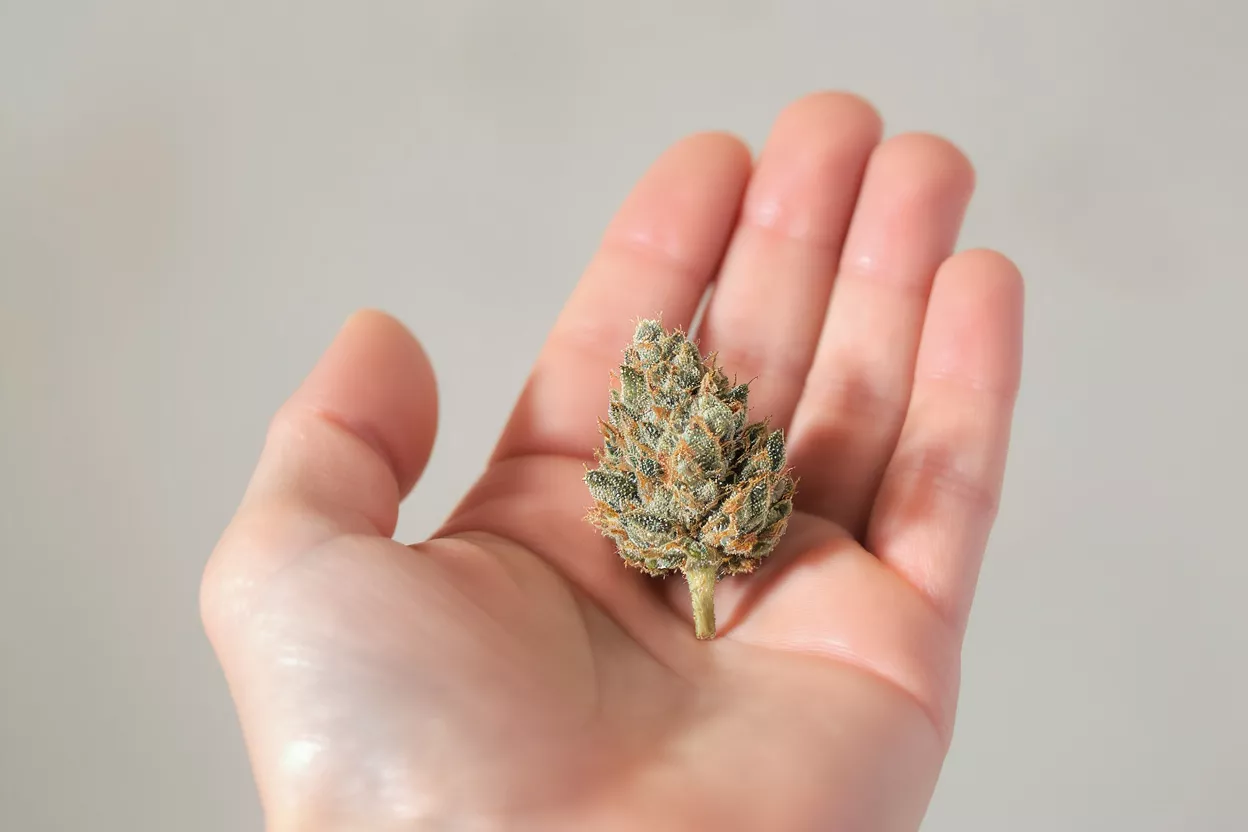
Detecting CBL requires sophisticated analytical equipment. Modern cannabis laboratories rely on techniques such as high-performance liquid chromatography (HPLC) and gas chromatography paired with mass spectrometry to separate and identify individual cannabinoids within a sample. These methods can distinguish CBL from structurally similar compounds even when it appears in tiny concentrations.
Challenges in accurate measurement: Because CBL co-occurs with its parent CBC and other related molecules, analysts must use carefully calibrated reference standards to avoid misidentification. The very low concentrations involved push these instruments toward their detection limits, which is one reason CBL is often simply not reported on routine certificates of analysis.
For most consumers, CBL will never appear on a product label. Standard testing panels focus on the cannabinoids that matter most for potency, compliance, and safety. CBL remains primarily a research-grade measurement, of interest to scientists studying the full chemical complexity of cannabis rather than to the everyday market.
CBL (Cannabicyclol) and Aged Cannabis
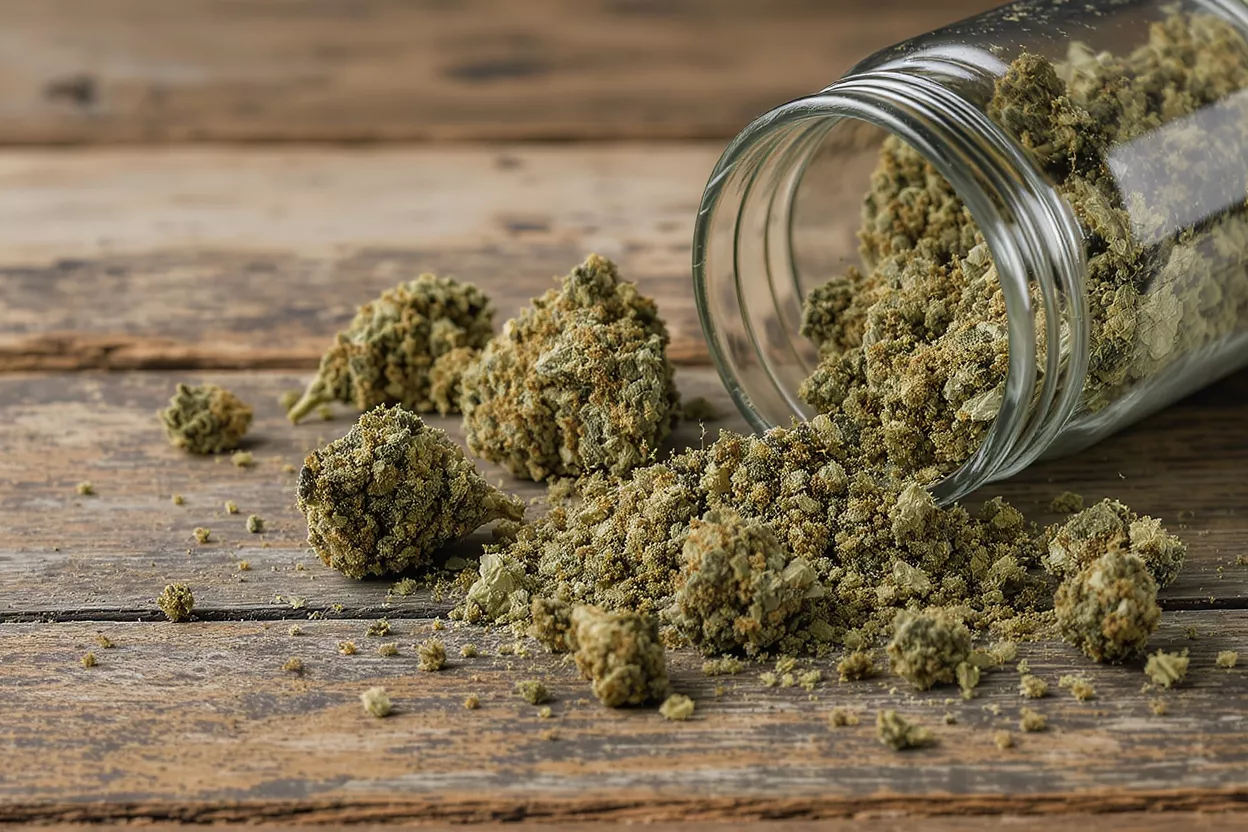
One of the most fascinating aspects of CBL is its role as a marker of time. Because it forms gradually from CBC under light exposure, the amount of CBL in a sample can offer clues about how old that cannabis material is and how it was stored. This has made CBL surprisingly useful in an unexpected field: archaeology.
A chemical timestamp: Researchers analyzing ancient cannabis remains have found that elevated CBL levels correspond with great age. In samples preserved for centuries or even millennia, CBC has had ample time to convert, leaving a chemical signature that helps confirm the identity and history of archaeological cannabis finds. In this sense, CBL functions almost like a molecular clock.
For the modern consumer, the same principle carries a practical lesson about storage. Cannabis that has been exposed to light and air for long periods will undergo more cannabinoid degradation across the board. While most people focus on preserving THC potency, the gradual rise of degradation products like CBL is simply another reflection of the same aging process at work.
Potential Uses of CBL (Cannabicyclol)
Speculation about CBL's potential applications must be approached carefully, because the honest answer is that we do not yet have robust clinical evidence for specific uses. What we have are hypotheses, structural clues, and the general expectation that, like many cannabinoids, CBL may interact with the body in subtle ways worth investigating.
Areas of theoretical interest: Researchers studying minor cannabinoids tend to explore a few recurring directions, and CBL could plausibly be examined along similar lines. These are speculative avenues rather than established benefits:
- 🧪 Anti-inflammatory potential: Many cannabinoids show anti-inflammatory activity in preliminary studies, prompting interest in whether CBL behaves similarly.
- 🔍 Entourage contributions: CBL may play a supporting role alongside other compounds rather than acting strongly on its own.
- 📊 Analytical and forensic value: Its reliability as an age marker already gives CBL practical scientific use beyond any therapeutic question.
It is important to resist overstating these possibilities. Until controlled studies are conducted, any claim of concrete health benefits from CBL would be premature. The compound's real present-day value lies more in what it teaches us about cannabis chemistry than in any proven application.
The Future of CBL (Cannabicyclol) Research
The trajectory of cannabinoid science suggests that CBL's days in obscurity may be numbered. As legalization expands and research funding grows, scientists are increasingly turning their attention to the minor cannabinoids that were once ignored. Advances in synthetic chemistry now make it possible to produce these rare compounds in quantities sufficient for proper study.
What could change: If reliable synthesis methods mature, researchers could finally conduct the receptor-binding studies, animal models, and eventually human trials needed to understand CBL's true pharmacology. This would transform CBL from a chemical curiosity into a properly characterized molecule with a known profile of activity and safety.
For now, CBL (cannabicyclol) remains one of the cannabis plant's quieter mysteries — a non-psychoactive cannabinoid born of light and time, present in trace amounts, and rich with unanswered questions. Whether it ultimately proves therapeutically significant or simply remains a fascinating footnote in cannabinoid chemistry, it exemplifies how much of the cannabis plant we still have left to explore. As the science matures, this overlooked compound may yet earn a more prominent place in our understanding of how cannabis works.
Comments