


Cherried
Learn what Cherried means in cannabis culture.
Cherried Cannabis Term
Cherried describes the glowing ember state of burning cannabis that maintains combustion between draws, resembling a bright cherry in both color and shape at the tip of a joint, blunt, or bowl. This phenomenon represents optimal combustion efficiency in cannabis consumption, where the material continues to burn slowly and evenly without requiring constant relighting. The term captures both the visual appearance—a red-orange glowing coal—and the functional state of self-sustaining combustion that experienced cannabis users recognize as indicative of proper rolling, packing, and quality.
The physics behind achieving and maintaining a cherry involves complex interactions between airflow, material density, moisture content, and combustion temperature that create conditions for sustained burning. When cannabis is properly prepared and packed with appropriate density, each draw provides oxygen that intensifies combustion, raising the temperature sufficiently to ignite adjacent material. Between draws, the ember continues consuming material at a slower rate, maintaining enough heat to reignite fully when airflow resumes. This self-sustaining cycle depends on achieving the right balance of factors, making a good cherry both an art and a science.
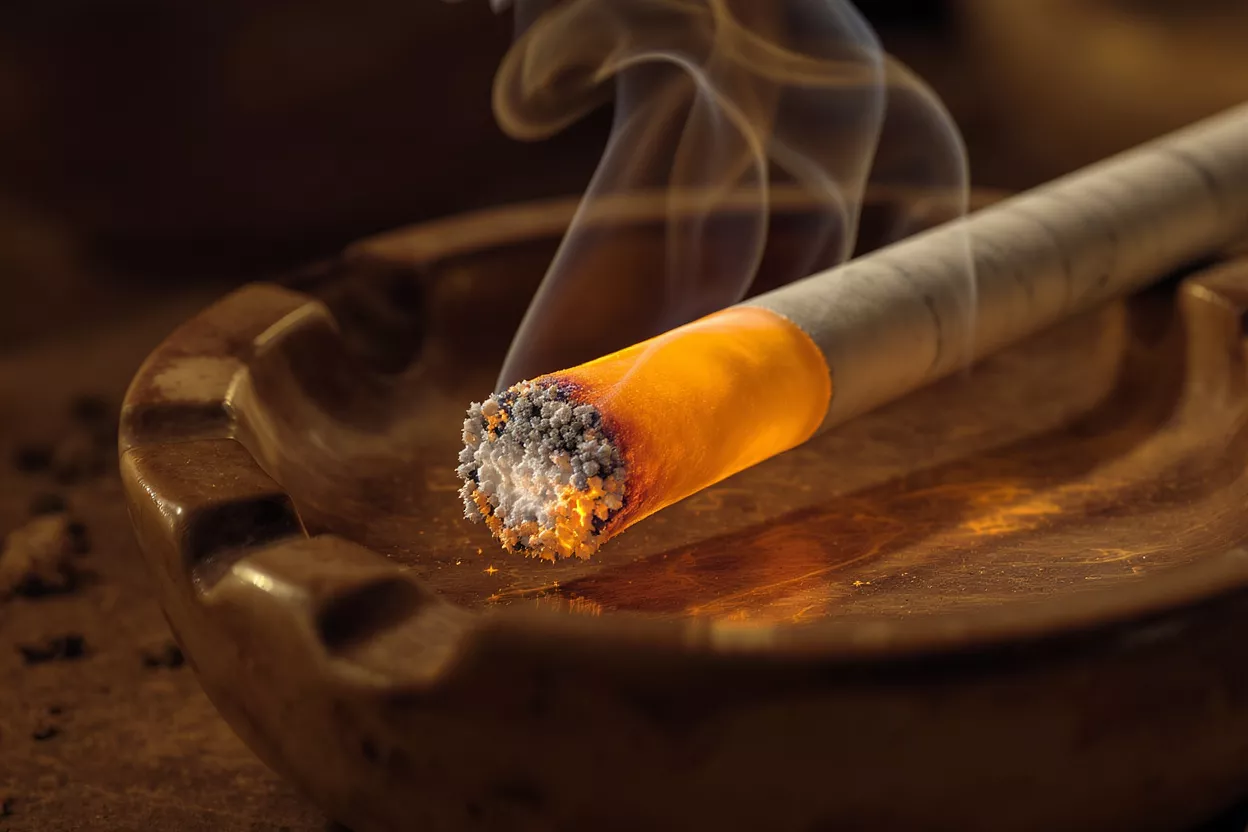
Contemporary significance of the cherried state extends beyond mere convenience to encompass aspects of cannabis culture, consumption efficiency, and social smoking dynamics. A well-maintained cherry facilitates seamless passing in social settings, eliminates the need for constant relighting that can char material and degrade flavor, and indicates proper technique and quality product. Understanding how to achieve and maintain a cherry represents fundamental cannabis knowledge that distinguishes experienced users from novices, while also serving practical purposes in maximizing enjoyment and minimizing waste during consumption sessions.
Understanding Cherried
Physics of Combustion
Thermal dynamics of a cherried state involve maintaining combustion temperature above the ignition point of cannabis (approximately 230°C) while preventing excessive heat that causes rapid consumption or harsh smoke. The glowing ember typically reaches 450-500°C during active draws, creating sufficient heat to pyrolyze adjacent plant material and release combustible gases. Between draws, the temperature drops but remains high enough to sustain slow oxidation of the carbonized material. This temperature cycling creates the characteristic pulsing glow of a healthy cherry. Heat transfer through conduction, convection, and radiation spreads combustion to fresh material in a controlled manner.
Oxygen flow patterns critically influence cherry formation and maintenance, with the draw creating negative pressure that pulls air through the burning material. This airflow provides oxygen necessary for combustion while removing combustion products, preventing suffocation of the ember. The porosity of properly ground and packed cannabis creates channels for air movement without excessive resistance. Too much airflow causes rapid, hot burning, while insufficient airflow leads to frequent extinguishing. The ideal cherry maintains itself with minimal airflow between draws, indicating optimal material preparation and packing density.
Material characteristics affecting cherry quality include moisture content, grinding consistency, and packing density, all of which must balance for optimal combustion. Cannabis with 10-12% moisture content typically cherries best, as excessive moisture requires more heat to vaporize before combustion can proceed. Overly dry material burns too quickly and hot, creating harsh smoke and poor cherry stability. Consistent medium grinding creates uniform particle size that packs evenly and burns predictably. Stems and seeds create hot spots and uneven burning that disrupts cherry formation. Understanding these material factors enables users to optimize preparation for reliable cherry formation.
A few physical conditions keep an ember self-sustaining between draws:
- 🔥 The ember runs ~450–500°C during an active draw
- 🌡️ It stays above the ~230°C ignition point between hits
- 💧 Flower at 10–12% moisture cherries most evenly
- 🌀 Minimal airflow keeps it alive while passing
Visual Characteristics
Color variations in cherried cannabis provide information about combustion temperature and efficiency, with bright orange-red indicating optimal burning. The classic cherry red color results from blackbody radiation at typical combustion temperatures, similar to glowing coals in any organic material fire. Darker red or barely visible glows suggest insufficient temperature that may require intervention to maintain. White or blue-tinged areas indicate excessive heat that consumes material too quickly. The size and shape of the glowing area also matter, with an even, circular cherry indicating proper airflow and packing. Experienced users read these visual cues to adjust their technique.
Ember progression patterns reveal the health and sustainability of a cherry through observation of how it spreads through material. A healthy cherry advances evenly in a circular pattern when viewed from above, consuming material at a consistent rate. Canoeing or running occurs when one side burns faster, creating an uneven cherry that requires correction. The depth of the ember zone indicates combustion efficiency, with shallow, wide cherries typically providing better flavor than deep, narrow ones. Watching ember progression helps users identify and correct problems before they significantly impact the session.
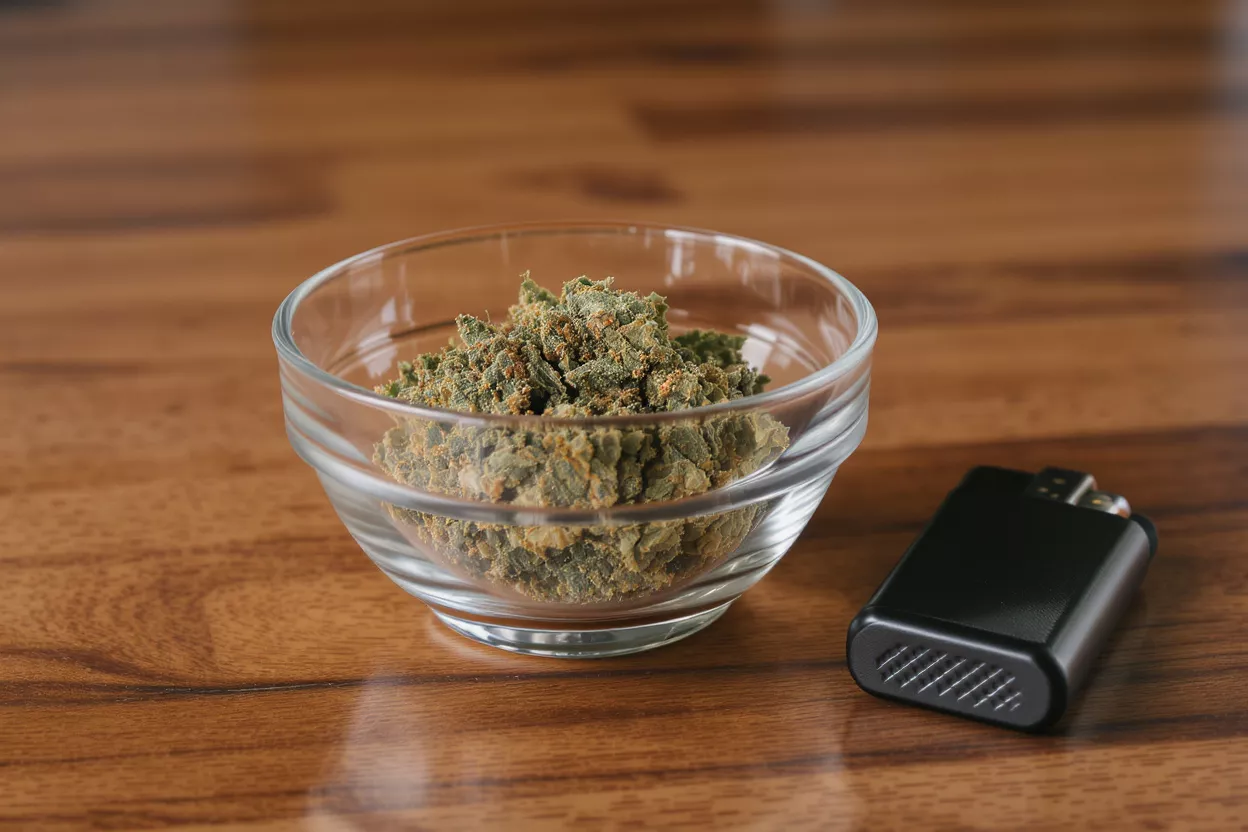
Ash formation characteristics around a cherry provide additional information about combustion quality and material purity. White or light gray ash indicates complete combustion and clean material, while black ash suggests incomplete burning or contaminants. The ash should form a stable structure that doesn't immediately fall away, protecting the cherry from wind while allowing airflow. Excessive ash buildup can smother the cherry, requiring gentle tapping to maintain optimal combustion. The transition zone between ash and cherry should be distinct, with a clear demarcation between consumed and burning material. These visual indicators help users maintain optimal burning conditions.
Experienced smokers read the glow like a gauge:
- 🟠 Bright orange-red signals an optimal burn
- 🔵 A white or blue tinge means it's running too hot
- ⭕ An even, circular advance shows good packing and airflow
- ⚪ White-grey ash indicates clean, complete combustion
Technical Aspects
Achieving a Cherry
Initial lighting techniques significantly impact cherry formation, with proper flame application creating even ignition across the surface. Corner lighting allows gradual cherry development with better flavor preservation, while center lighting can create a deep, focused cherry. The key involves applying sufficient heat to reach ignition temperature without scorching surface material. Rotating joints or blunts during lighting ensures even initial combustion around the circumference. For bowls, creating a small divot in the center can help establish a stable cherry. Hemp wick provides more controlled temperature than butane lighters, reducing the risk of overheating during ignition.
Packing methodology directly influences cherry formation and maintenance through its effects on airflow and material density. The goal involves achieving uniform density that allows airflow while maintaining material contact for heat transfer. Overpacking restricts airflow and causes frequent extinguishing, while underpacking leads to rapid, uneven burning. The "perfect pack" varies with consumption method—joints require slightly denser packing than bowls to maintain structural integrity. Layering different grinds can create optimal density gradients. Testing draw resistance before lighting helps identify packing issues that would prevent good cherry formation.
Environmental factors including wind, humidity, and temperature affect cherry stability and require adjustment in technique. Wind can rapidly consume material or extinguish cherries, necessitating shielding or position adjustment. High humidity environments may require drier material or more frequent draws to maintain combustion. Cold temperatures increase the energy needed to maintain a cherry, potentially requiring denser packing or more frequent attention. Indoor controlled environments provide ideal conditions for cherry maintenance. Understanding environmental impacts helps users adapt their technique for consistent results across various settings.
Cultural Context
Social Significance
Passing protocols in group sessions rely heavily on maintaining a cherry to ensure smooth, uninterrupted sharing experiences. A well-cherried joint or blunt eliminates the awkwardness of repeatedly relighting, maintaining session flow and social rhythm. The person who loses the cherry often faces good-natured ribbing, creating social pressure to maintain proper technique. "Don't bogart" and "keep it cherried" represent common session etiquette. The ability to receive and pass a cherried piece demonstrates competence and consideration for others. This social dimension transforms cherry maintenance from technical skill to cultural practice.
Skill demonstration through cherry control serves as an informal measure of cannabis experience and technique mastery. Creating artistic cherry patterns, maintaining exceptionally long-lasting cherries, or recovering difficult situations showcases expertise. Some users develop signature techniques for establishing or maintaining cherries that become part of their cannabis identity. Teaching others to achieve good cherries represents a form of mentorship in cannabis culture. Competitions around cherry-related skills occasionally emerge in social settings. This performance aspect adds layers of meaning beyond simple functionality.
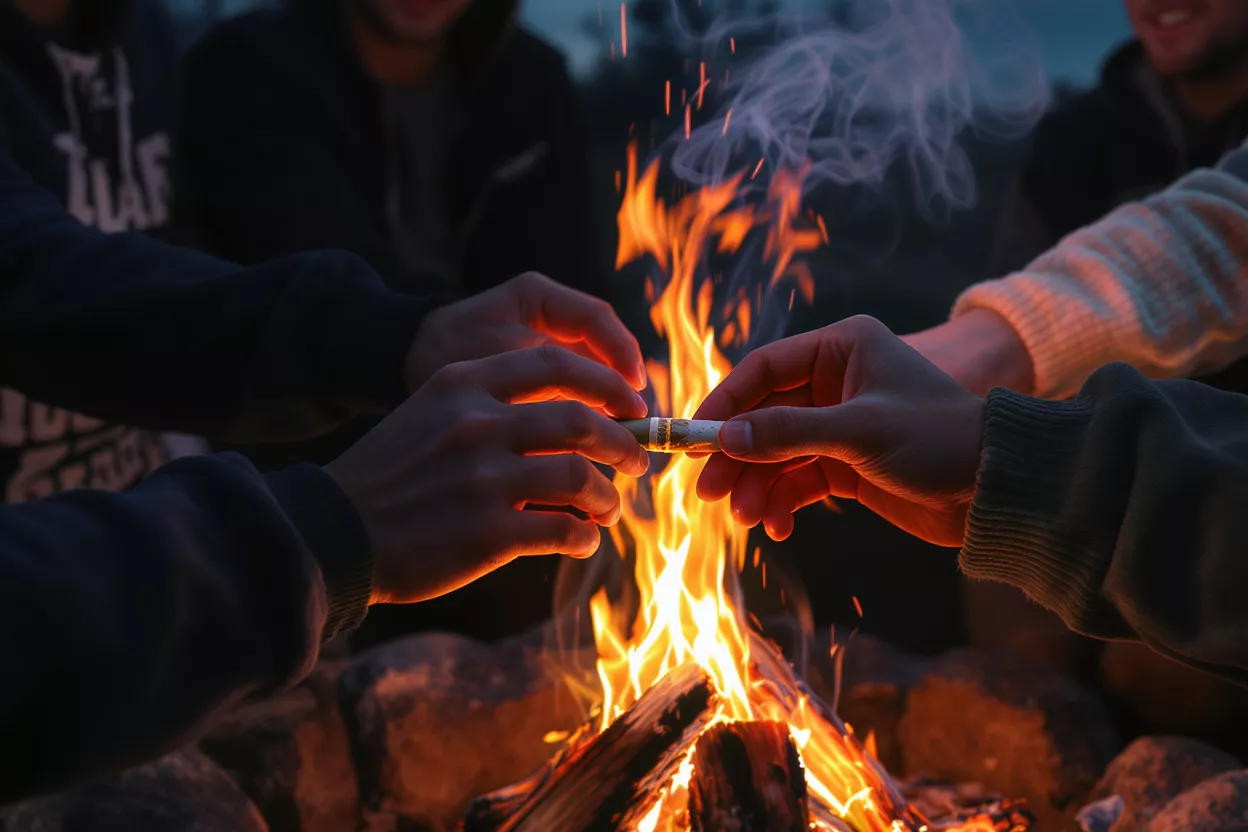
Ritualistic elements surrounding cherry maintenance include specific practices and beliefs that vary among different cannabis communities. Some groups designate a "cherry keeper" responsible for maintaining optimal burning throughout a session. Beliefs about who should light the initial cherry or how to properly extinguish one reflect cultural values around respect and sharing. The morning cherry of the day may hold special significance for daily users. Superstitions about cherry behavior predicting future events show how technical phenomena acquire cultural meaning. These rituals strengthen group bonds and cultural identity.
Practical Applications
Efficiency Benefits
Conservation advantages of maintaining a proper cherry include reduced material waste and more complete combustion of active compounds. A steady cherry consumes material at an optimal rate, extracting maximum value compared to repeated relighting which can char and waste surface layers. The consistent temperature of a maintained cherry provides better decarboxylation and vaporization of cannabinoids before combustion. Sessions with good cherry maintenance typically use 10-20% less material for equivalent effects. This efficiency particularly matters for medical users managing limited supplies or anyone conscious of consumption costs. Understanding cherry dynamics directly impacts the economics of cannabis use.
Flavor preservation through proper cherry management prevents the harsh, charred tastes associated with excessive relighting or overheating. The first light typically provides the best flavor, with a well-maintained cherry preserving more of that quality throughout the session. Lower combustion temperatures in the cherry zone allow more terpenes to vaporize before burning, enhancing flavor. Avoiding repeated flame application prevents butane taste contamination. The gradual progression of a healthy cherry provides a evolving flavor profile as different parts of the material combust. Connoisseurs particularly value cherry technique for maintaining terpene expression.
Session flow benefits from continuous cherry maintenance include uninterrupted conversation, consistent dosing pace, and enhanced social cohesion. The ritual of passing without pausing to relight maintains momentum in group settings. Consistent cherry temperature provides more predictable effects timing, important for managing comfort levels. Solo sessions benefit from not breaking concentration or relaxation to address extinguished material. The meditative aspect of watching a slowly progressing cherry adds to the consumption experience. These flow benefits extend beyond practical concerns to enhance overall session quality.
Comments