


Session
Learn how a cannabis session works — from onset to comedown.
What Is a Cannabis Session?
A cannabis session is simply the window of time during which you consume cannabis and feel its effects, whether that means sharing a single joint with friends or quietly vaporizing flower on your own. The term is deliberately flexible: a session can last a few minutes or stretch across an afternoon, and it can involve one method or several. What unites every session is intention — a defined start, a chosen method, and an awareness of where the experience begins and ends.
Where the word comes from: the language of "sessioning" borrows from music culture, where a jam session implies a relaxed, collaborative gathering with a natural rhythm. Cannabis adopted the same spirit. To session is to settle in, share, and let the experience unfold at its own pace rather than rushing toward a destination. That cultural origin is worth remembering because it frames the activity as social and deliberate rather than purely consumptive.
Why the framing matters: thinking in terms of a session rather than just "smoking" encourages mindfulness. When you name the experience, you naturally consider how much you want to consume, how long you want it to last, and how you want to feel afterward. That small shift in language supports the responsible habits — limiting length and frequency — that keep cannabis a positive part of life rather than an unconsidered routine.
How Cannabis Sessions Work
Every session follows a loose arc: onset, peak, plateau, and comedown. Understanding this curve helps you pace yourself. With inhaled methods like smoking or vaping, onset arrives within minutes, the peak lands around twenty to thirty minutes in, and the experience tapers over one to three hours. Edibles rewrite the entire timeline, delaying onset by thirty to ninety minutes and extending the whole arc across four to eight hours.
The compounds doing the work are cannabinoids like THC and CBD, working alongside aromatic terpenes that shape the character of each strain. The interplay between these molecules — often called the entourage effect — is why two products with identical THC numbers can produce noticeably different sessions.
Titration within a session: the most reliable way to control a session is to consume slowly and wait for feedback before continuing. This "start low, go slow" approach lets the onset catch up to your intake so you can stop at the comfort zone instead of overshooting it. Inhaled methods make titration easy because effects appear quickly; edibles demand far more patience, since the gap between dose and feedback is wide enough to tempt a second helping too soon.
Types of Cannabis Sessions
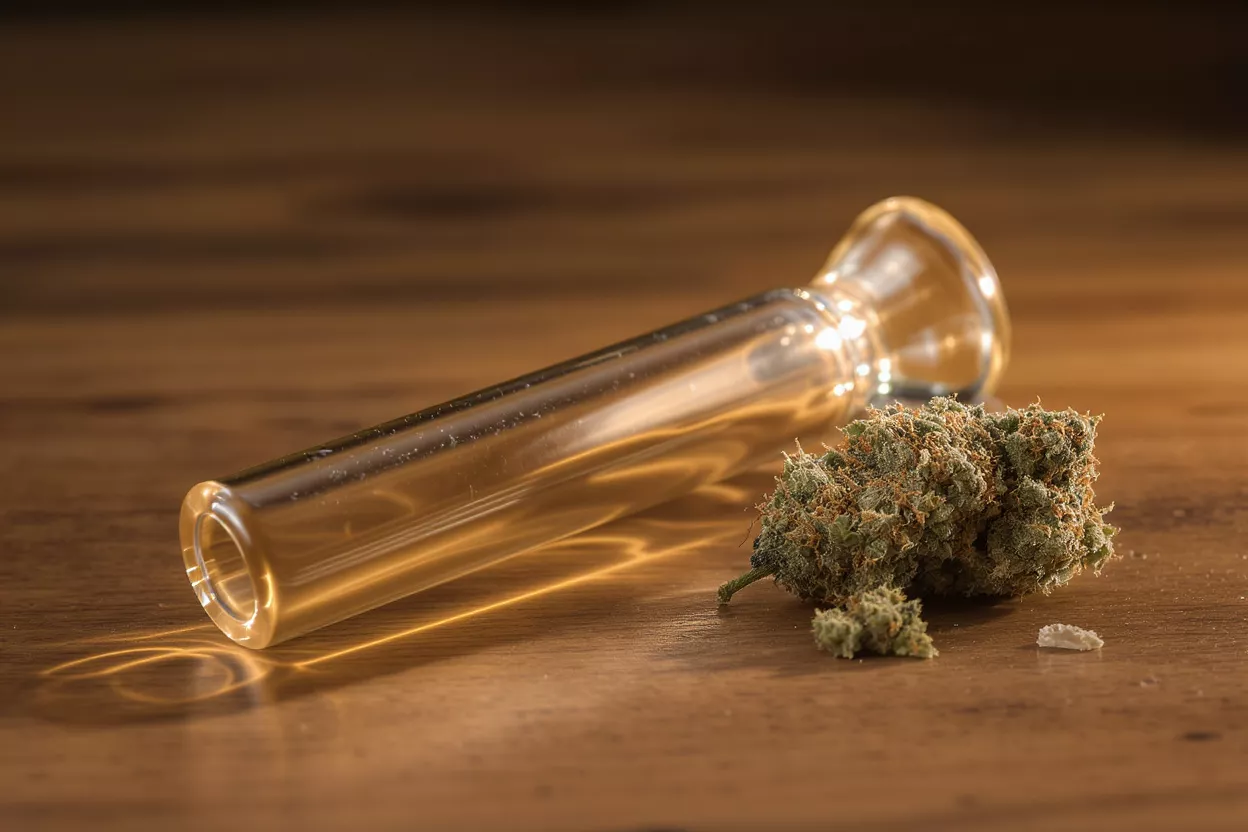
Not all sessions look the same, and matching the format to your goal makes the experience far better. Some sessions are about unwinding alone after work; others are loud, social affairs built around shared rituals. The consumption method you choose shapes the tempo, intensity, and tone of the entire session.
Here is a quick comparison of common session styles and what they tend to offer:
- 🌿 The wind-down session: a low dose of an indica-leaning flower or vape in the evening, aimed at relaxation and sleep rather than stimulation.
- ☕ The wake-and-bake: a small morning session, usually with a bright sativa, intended to add a gentle lift to the start of a day off.
- 🎨 The creative session: a moderate dose paired with art, music, or writing, where the goal is flow rather than couch-lock.
- 🤝 The social session: a shared format — a rotating joint, a hookah-style setup, or a passed vape — where pacing and etiquette matter as much as the cannabis itself.
Method shapes the moment: a quick vape session differs sharply from a long edible session. Vaping and smoking give you fast, adjustable control, making them ideal for short or social windows. Edibles and tinctures suit longer, planned sessions where you do not want to keep re-dosing. Concentrates deliver intensity for experienced consumers, while low-dose products favor newcomers who want a gentle, contained experience.
Solo vs Group Session Etiquette
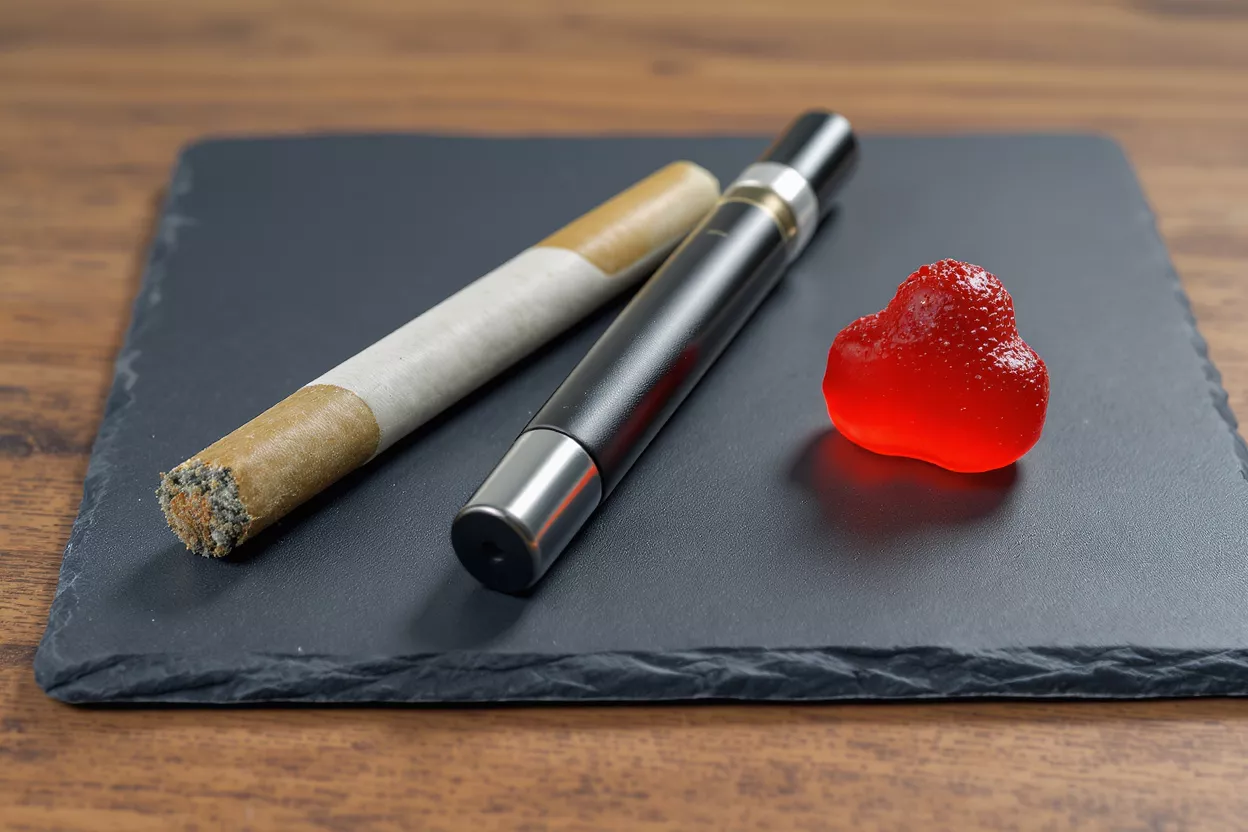
Solo sessions and group sessions ask different things of you. Alone, the only person you need to read is yourself, which makes solo sessions the ideal place to experiment with dose, timing, and method without social pressure. Group sessions add a layer of shared rhythm and a handful of unwritten rules that keep the experience smooth for everyone.
The classic "puff, puff, pass" convention exists for a reason: it keeps a shared joint moving so it does not burn away unused and so everyone gets a fair turn. Beyond the rotation itself, group etiquette is mostly about courtesy — respecting tolerance differences, not pressuring anyone to keep pace, and keeping shared equipment clean.
A few practical group-session courtesies worth remembering:
- 👈 Pass to the left: a longstanding default that keeps the rotation predictable so nobody is skipped.
- 🙏 Respect different tolerances: never push a guest to match your pace; a lower-tolerance friend stopping early is normal and fine.
- 🧼 Keep shared gear clean: wipe a mouthpiece, offer a fresh tip, and be mindful of hygiene when passing.
- ⏳ Mind the pace: don't "babysit" the joint mid-conversation — take your turn and keep it moving.
How Long Should a Session Last?
There is no universal answer to session length, but a responsible session is one you have consciously bounded. Limiting how long a session runs is one of the simplest ways to keep cannabis enjoyable and to avoid the diminishing returns that come from chasing a peak that has already passed. For many people, a focused thirty to sixty minutes of intake followed by a relaxed comedown is plenty.
Why shorter sessions often serve you better: extending a session by continually re-dosing rarely deepens the experience in proportion to the cannabis consumed. After the peak, additional intake tends to add grogginess rather than enjoyment, and it raises tolerance faster. Setting a soft time limit before you begin — and choosing a method that naturally fits that window — keeps the experience crisp.
Edible sessions deserve special caution here. Because onset is delayed, the temptation to "top up" within the first hour is the single most common cause of an uncomfortable, overlong session. With edibles, patience is the whole game: dose once, wait at least ninety minutes, and let the long arc carry you rather than forcing it.
Session Frequency and Tolerance
How often you session matters as much as how long each one lasts. Frequent, back-to-back sessions build tolerance, meaning you need more cannabis over time to reach the same effect. Spacing sessions out keeps doses lower, costs down, and the experience reliably enjoyable.
The case for a tolerance break: when sessions stop delivering the effect they once did, a short pause — often called a t-break — lets your cannabinoid receptors reset. Even a few days off can noticeably restore sensitivity, so a modest dose once again produces a satisfying session. Building occasional breaks into your routine is a hallmark of a sustainable relationship with cannabis.
Frequency also intersects with daily life. A weekend-only sessioner and a daily evening consumer will have very different tolerance profiles, and neither is inherently wrong — but both benefit from honest self-awareness. Tracking how often you reach for a session, and noticing when it shifts from intentional to automatic, is the clearest signal that it may be time to recalibrate.
Best Products for a Mindful Session
The right product makes a mindful session almost effortless. For controlled, easy-to-titrate experiences, inhaled and pre-measured formats shine because feedback arrives quickly and dosing is predictable. The goal is to match the product to the session you actually want rather than defaulting to whatever is on hand.
Vapes for short, adjustable sessions: a vaporizer offers precise, on-demand control, letting you take a single draw and reassess. That responsiveness makes vaping one of the friendliest formats for both new and experienced consumers who want a tightly bounded session.
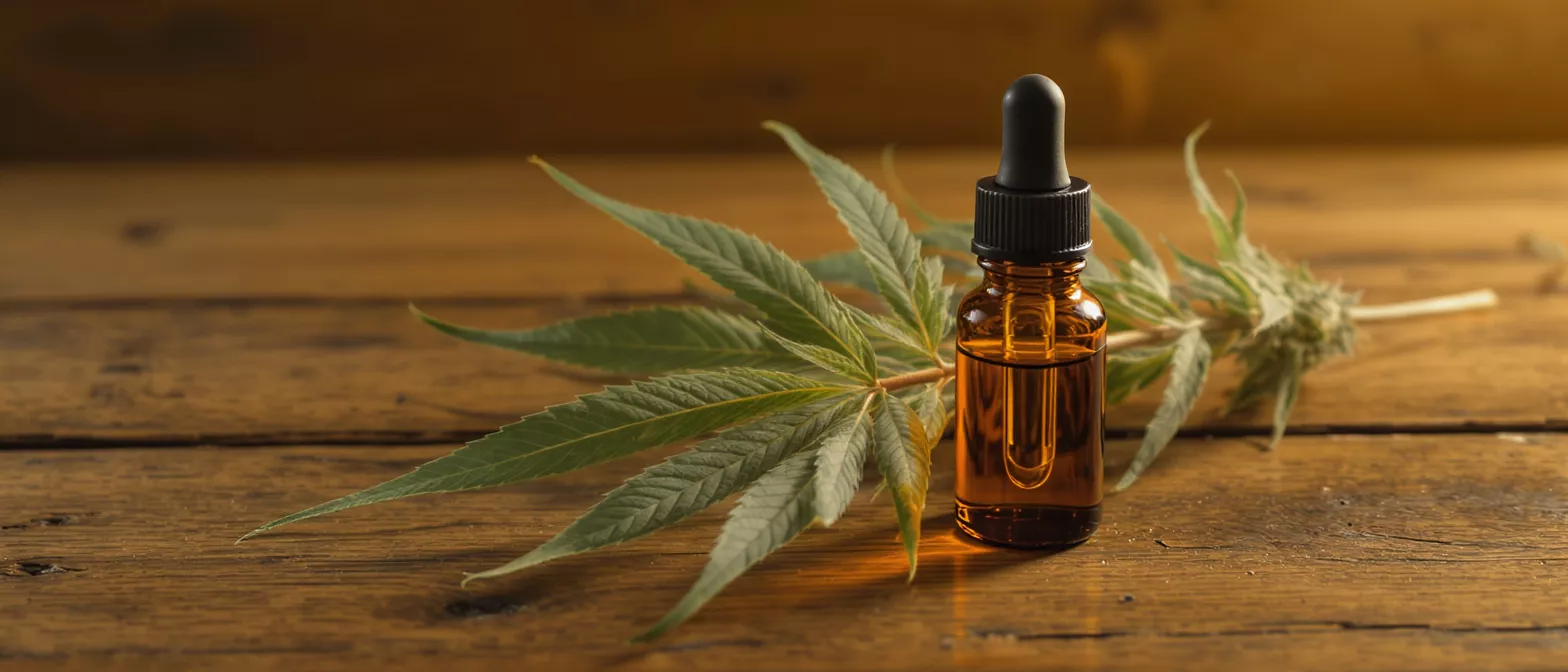
Edibles and tinctures for longer arcs: when you want a session that unfolds over an evening without repeated dosing, a measured edible or sublingual tincture is ideal. They demand patience but reward it with a smooth, predictable curve once you learn your personal dose.
Whatever you choose, reading the label and starting below your assumed limit is the throughline. A mindful session is built on knowing the milligrams in front of you, not guessing.
Are Cannabis Sessions Safe?
For most healthy adults, a moderate, well-paced cannabis session is generally low-risk, but safety depends heavily on dose, setting, and personal health context. The most common discomforts — anxiety, dizziness, or a racing heart — usually stem from consuming too much too fast rather than from cannabis itself. Pacing and modest dosing prevent the vast majority of unpleasant experiences.
Certain choices clearly raise risk. Never drive during or shortly after a session, since impairment lingers well past the perceived peak. Mixing cannabis with alcohol amplifies effects unpredictably, and combining high-THC products with little experience is a recipe for an overwhelming session. People who are pregnant, who have a history of psychosis, or who take interacting medications should consult a healthcare provider before sessioning.
If a session becomes too intense: remember that overconsumption is uncomfortable but not life-threatening. Move to a calm, familiar space, hydrate, breathe slowly, and let time do the work. CBD-forward products and a quiet environment can take the edge off. Knowing this in advance removes much of the fear that fuels a difficult experience in the first place.
Session Planning, Set and Setting
"Set and setting" — your mindset and your environment — shape a session more than most people realize. Set refers to your mood, expectations, and intentions going in; setting is the physical and social space around you. A calm mind in a comfortable room produces a very different session than a stressed mind in a chaotic one, even with identical cannabis.
Planning a session ahead of time turns these abstract ideas into concrete choices. Decide your goal, your dose, your method, and your time window before you begin, and you remove most of the guesswork that leads to overconsumption or an off-target experience.
A simple pre-session checklist keeps things grounded:
- 🎯 Set an intention: relaxation, creativity, socializing, or sleep — name it so you can choose the right product and dose.
- 🏠 Choose your setting: a comfortable, familiar space lowers anxiety and improves the whole session.
- 💧 Prepare the basics: water, a light snack, and anything you'll want within reach so you don't break the mood.
- ⏰ Define the window: decide roughly how long the session should last before you start.
Tracking and Improving Your Sessions
The fastest way to improve your sessions is to pay attention to them. Keeping a simple log — strain, format, dose, time, and how you felt — turns vague impressions into actionable patterns. Over a few weeks, you'll spot which products and doses reliably produce the experience you want and which ones miss.
What to track: note the product name, the cannabinoid and terpene profile if available, the amount you consumed, the onset and duration you experienced, and your mood before and after. Even rough notes reveal trends, like a strain that consistently helps you sleep or a dose that tips you past comfort.
This habit also reinforces the responsible practices woven through every section above: bounded length, mindful frequency, and intentional set and setting. A session that is observed becomes a session that improves, and over time your personal data becomes far more useful than any generic recommendation.
Ultimately, a great cannabis session is not about consuming more — it's about consuming with purpose. Whether you're sharing a joint in a relaxed group or quietly vaping alone, the principles stay the same: choose your method intentionally, bound your length, mind your frequency, and respect set and setting. Treat each session as a deliberate experience rather than a default routine, and cannabis becomes a more enjoyable, sustainable, and rewarding part of life.

Comments