Excipient
Learn what an excipient is and why it matters in cannabis formulations.
What Is an Excipient in Cannabis Products
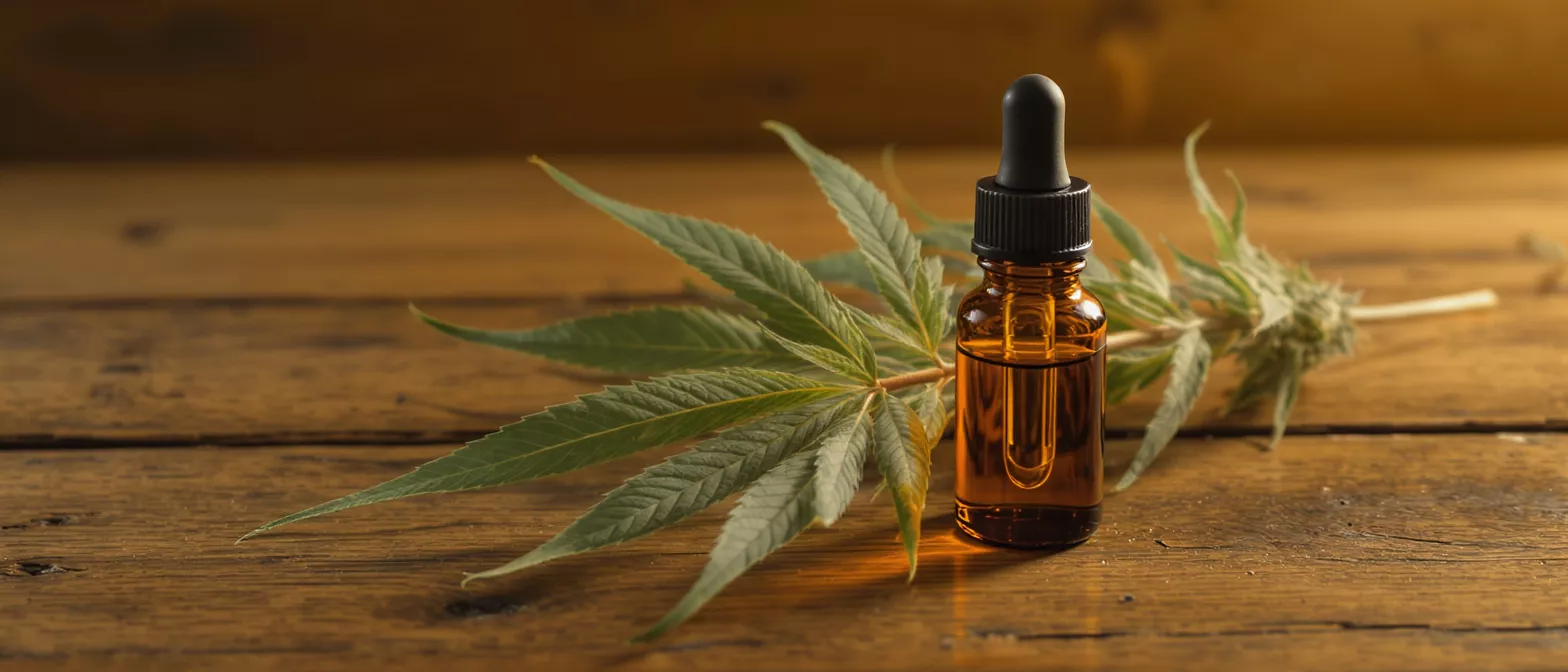
An excipient is any substance formulated into a cannabis product alongside the active compounds — the cannabinoids and terpenes that deliver the actual effects. While the term sounds technical, the concept is straightforward: an excipient cannabis ingredient is everything in the recipe that is not the drug itself. These materials give a product its shape, stability, texture, and shelf life, and they govern how the active ingredients are released once consumed.
In pharmaceutical science, excipients have always been the unsung workhorses behind every pill, capsule, syrup, and lozenge. The cannabis industry borrowed this vocabulary as it matured from raw flower into precisely dosed formulations. A gummy, a softgel, a sublingual oil, or a vaporizer cartridge each relies on a carefully chosen blend of inactive ingredients to perform consistently from batch to batch.
Understanding excipients helps consumers read labels with a more critical eye. When you see ingredients like medium-chain triglyceride oil, gelatin, pectin, or maltodextrin on a cannabis product, you are looking at excipients doing their quiet, essential work behind the cannabinoids that get all the attention.
Why Excipients Matter in Cannabis Formulation
Consistency from dose to dose: Cannabis extracts are sticky, concentrated, and notoriously difficult to measure in small quantities. A 10 mg dose of THC represents a tiny fraction of a gummy's total mass. Excipients dilute, suspend, and evenly distribute the active compound so each unit delivers the same dose. Without them, potency would vary wildly across a single batch.
Stability and shelf life: Cannabinoids degrade when exposed to oxygen, light, and heat. The right excipient system can shield active compounds from oxidation, control moisture, and slow the conversion of THC into CBN. This is why a well-formulated product retains its labeled potency months after manufacture while a poorly formulated one loses strength quickly.
Beyond consistency and stability, excipients shape the entire sensory experience. They determine whether a gummy is chewy or rubbery, whether an oil tastes earthy or neutral, and whether a capsule dissolves quickly or slowly. These choices are not cosmetic afterthoughts — they directly influence patient compliance, because people stick with products that taste good and work reliably.
Common Excipient Categories Explained
Excipients are grouped by the function they perform rather than by their chemical family. A single ingredient can wear several hats depending on the formulation, but the categories below describe the core jobs these materials handle in cannabis products.
- 🧱 Fillers and diluents: Add bulk so tiny active doses become a workable, measurable mass.
- 🔗 Binders: Hold tablet and capsule ingredients together so they do not crumble.
- 💧 Disintegrants: Help solid forms break apart and release their contents once swallowed.
- 🛢️ Carriers and solvents: Dissolve cannabinoids into a uniform liquid for oils and tinctures.
- 🍬 Sweeteners and flavors: Mask the bitter, grassy taste of raw extract in edibles.
- 🛡️ Preservatives and antioxidants: Protect against microbial growth and cannabinoid degradation.
Recognizing these roles makes any ingredient list far less intimidating. When you understand that pectin is a gelling agent or that lecithin is an emulsifier, the label stops reading like a chemistry exam and starts telling a clear story about how the product was built.
The art of formulation lies in balancing these categories. Too much filler dilutes flavor; too little binder produces a fragile tablet; the wrong solvent can leave cannabinoids unevenly dispersed. Experienced formulators treat excipient selection as a design discipline, weighing each material against the others.
Fillers and Diluents in Cannabis Excipients
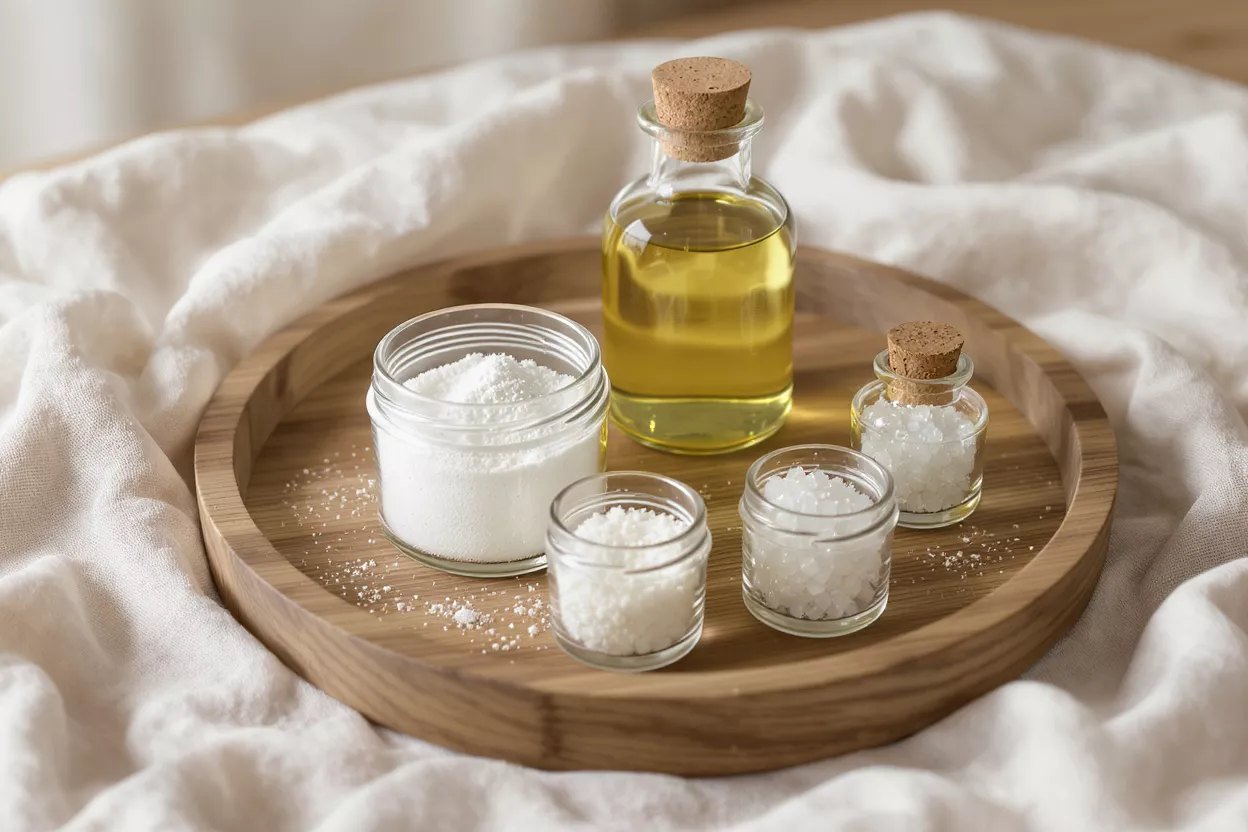
The bulking problem: A potent cannabis distillate might dose at just a few milligrams, far too small to handle, press, or fill into a capsule on its own. Fillers and diluents solve this by adding inert bulk. Common choices include microcrystalline cellulose, lactose, mannitol, and various starches, each chosen for how it flows through manufacturing equipment and how it behaves in the body.
In edibles, the diluent role is often played by sugars, syrups, and gelling agents that make up the vast majority of a gummy's weight. The cannabinoid content is a whisper within a much larger structure. This is why even small inconsistencies in mixing can create dramatic differences in potency between one gummy and the next — a problem good manufacturing controls are designed to eliminate.
Diluents also influence mouthfeel and dissolution. A sugar alcohol like mannitol or erythritol brings a cooling sweetness and dissolves cleanly, which is useful for lozenges and dissolvable tablets. The choice of filler is never arbitrary; it reflects how the maker wants the product to feel, taste, and release.
Binders and Disintegrants for Cannabis Tablets
Binders hold things together: When a cannabis tablet or capsule is compressed, binders provide the adhesive force that keeps the powder from crumbling back into dust. Materials like hydroxypropyl methylcellulose, povidone, and certain starches give tablets the mechanical strength to survive packaging and handling without falling apart.
Disintegrants do the opposite: Once a tablet reaches the digestive tract, it needs to break apart so the cannabinoids can be absorbed. Disintegrants such as croscarmellose sodium and sodium starch glycolate swell on contact with water, fracturing the tablet from within and exposing the active ingredients. The interplay between binders and disintegrants is a careful balancing act — a tablet must be sturdy enough to survive the shelf yet eager to dissolve when it matters.
This push and pull explains why two visually identical tablets can behave completely differently. One might release its dose within minutes while another lingers, producing a slower, more gradual onset. Formulators tune these properties deliberately to match the product's intended experience.
Excipients in Cannabis Edibles and Gummies
Edibles rely on a richer excipient palette than almost any other cannabis format because they must taste good, hold a defined shape, and survive temperature swings. Gelling agents form the backbone here. Gelatin yields a classic chewy bite, while pectin produces a softer, plant-based texture favored by vegan formulations.
Emulsifiers tame the oil: Cannabinoids are fat-soluble, which means they resist mixing into water-based candy syrups. Emulsifiers like lecithin act as molecular mediators, helping cannabinoid-rich oil disperse evenly throughout the batch. Without them, the active ingredient would pool unevenly, leaving some pieces strong and others weak. This is one of the most important and overlooked excipients in any edible.
Acids such as citric and malic acid do double duty, brightening flavor while helping pectin set into a firm gel. Sweeteners, colors, and flavor oils round out the recipe. Together these excipients transform a harsh, bitter extract into something people genuinely enjoy consuming — a critical factor for anyone using cannabis as part of a daily wellness routine. 🍬
Excipients for Cannabis Oils and Tinctures
Carrier oils are the foundation: Tinctures and oil-based products depend on a carrier that dissolves cannabinoids and delivers them to the body. Medium-chain triglyceride oil, derived from coconut, is the most popular choice because it is neutral in flavor, stable, and readily absorbed. Other carriers include olive oil, hemp seed oil, and grapeseed oil, each lending its own taste and absorption profile.
The carrier does more than dissolve — it shapes how quickly cannabinoids enter circulation. When a tincture is held under the tongue, the carrier helps deliver active compounds across the thin sublingual tissue, producing a faster onset than swallowing. Choose the wrong carrier and that delicate process becomes less efficient.
Some oils include flavoring agents, natural terpenes, or antioxidants such as vitamin E to extend shelf life and improve palatability. These secondary excipients are subtle but meaningful, turning a functional extract into a refined, repeatable product that consumers can rely on dose after dose.
How Excipients Affect Cannabis Bioavailability
Bioavailability describes how much of a consumed cannabinoid actually reaches your bloodstream, and excipients influence this profoundly. Cannabinoids are poorly water-soluble, so a basic edible can deliver a frustratingly small fraction of its labeled dose. The right excipient system can dramatically change that outcome.
Emulsification and nanotechnology: Advanced formulations break cannabinoid oil into microscopic droplets using emulsifiers and surfactants, creating water-compatible emulsions that the gut absorbs more efficiently. These nano and micro emulsions can speed onset and increase the amount of active compound that reaches circulation, making products feel stronger at the same milligram dose.
Fats and oils also play a role through what scientists call the food effect. Consuming cannabinoids alongside dietary fat — or formulating them in a fatty carrier — improves absorption because cannabinoids hitch a ride through the body's fat-processing pathways. The excipient is not a passive bystander; it is an active partner in determining how much benefit you actually receive.
- ⚡ Emulsifiers: Improve water compatibility for faster, more complete absorption.
- 🥑 Fatty carriers: Leverage the food effect to boost cannabinoid uptake.
- ⏱️ Disintegrants: Control how quickly a solid form releases its dose.
- 🔬 Nano-emulsions: Shrink droplet size for higher bioavailability at the same dose.
Are Cannabis Excipients Safe to Consume
The vast majority of excipients used in cannabis products are well-established ingredients with long histories in food and pharmaceutical use. Gelatin, pectin, MCT oil, lecithin, and common sweeteners are consumed daily by millions of people in countless products. Regulatory frameworks generally require that excipients be food-grade or pharmaceutical-grade, offering a baseline of safety assurance.
Where caution is warranted: Individual sensitivities matter. Some people react to specific sugar alcohols with digestive discomfort, while others avoid gelatin for dietary or ethical reasons. Artificial dyes and certain preservatives draw scrutiny from consumers seeking cleaner labels. Reading the ingredient panel lets you align a product with your personal needs and values.
The real safety concern in cannabis is less about the excipients themselves and more about manufacturing quality. Reputable producers source certified ingredients, test for contaminants, and document every batch. When you buy from a trusted source, the excipients in your product carry the same credibility as the cannabinoids they support.
Choosing Quality Cannabis Excipients
Read the label like a formulator: A short, recognizable ingredient list often signals thoughtful formulation. Look for clean carriers like MCT or olive oil, natural gelling agents, and minimal synthetic additives. An overly long list of unfamiliar chemicals is not automatically bad, but it deserves a second look and a quick search of anything you do not recognize.
Consider how the excipients align with your goals. If fast onset matters, seek emulsified or nano-formulated products. If you prefer plant-based options, pectin-based gummies and vegetable-derived capsules suit your needs. If you have sensitivities, scan for the specific ingredients you must avoid. The excipient profile is your map to a product that fits your body and lifestyle.
Excipients may live in the fine print, but they shape nearly everything you experience in a finished cannabis product — its potency, its taste, its onset, and its reliability. Understanding the role of an excipient cannabis ingredient transforms you from a passive consumer into an informed one, capable of choosing products that deliver consistent, enjoyable, and effective results every single time. The cannabinoids may be the stars, but excipients are the stage on which they perform.