Fractionated
Learn what fractionated cannabis is, how distillation and separation create pure extracts, and shop refined Canadian products.
What Is Fractionated Cannabis?
Fractionated cannabis refers to extracts that have been separated into distinct chemical components — or "fractions" — through controlled physical processes. Rather than delivering the whole-plant matrix in a single blend, fractionation isolates specific molecules such as individual cannabinoids, terpene groups, or fatty acids based on their physical and chemical properties. The result is a refined material where each fraction can be measured, characterized, and recombined with precision.
The term borrows directly from petroleum and food science, where crude inputs are split into useful streams. In cannabis production, the "crude" is a raw extract pulled from flower or biomass, typically rich in cannabinoids, terpenes, waxes, chlorophyll, and lipids. Fractionation pulls these apart so processors can keep what they want and discard what they don't.
Understanding fractionated cannabis matters because it underpins nearly every refined product on dispensary shelves today — from clear vape cartridges to precisely dosed edibles. When a label promises a specific cannabinoid ratio or a flavorless oil base, fractionation is usually the technology that made that claim possible.
How Cannabis Fractionation Works
At its core, fractionation exploits the fact that different molecules behave differently under heat, pressure, and solvent conditions. Cannabinoids like THC and CBD boil at higher temperatures than most terpenes, and waxes solidify at temperatures where oils remain liquid. By manipulating these variables, processors coax each component into separating out on its own schedule.
Boiling point separation is the foundational principle. Terpenes, being lighter and more volatile, vaporize first at lower temperatures. As heat increases, cannabinoids follow, and the heaviest residues — chlorophyll, fats, and degraded plant material — remain behind. Capturing each vapor stream at the right moment yields distinct fractions of escalating purity.
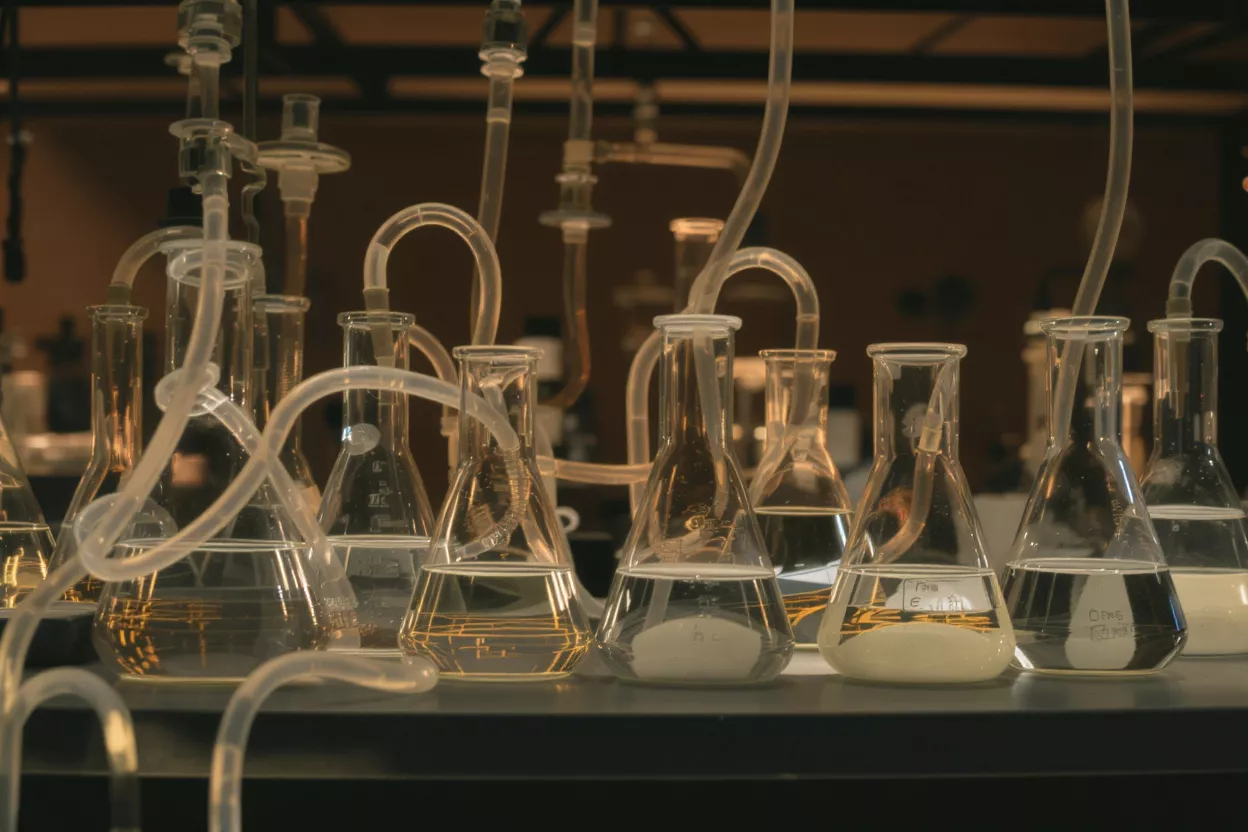
The process is rarely a single pass. Most refined products move through several stages — winterization to remove fats, decarboxylation to activate cannabinoids, then one or more fractionation runs to polish the result. Each stage trims the material closer to a target profile, which is why a finished distillate can reach cannabinoid concentrations north of 90 percent while a raw extract might sit closer to 60 or 70.
Fractionated Distillation Methods Explained
Distillation is the workhorse of fractionated cannabis production, and several methods compete depending on scale, budget, and the fragility of the target molecules. The goal in every case is the same: separate compounds by their boiling points without cooking them into degradation.
Short-path distillation shortens the distance vapor travels between the boiling flask and the condenser, which lets operators run at lower temperatures under vacuum. This gentleness preserves heat-sensitive cannabinoids and is a favorite for small to mid-size operations producing high-purity distillate.
Wiped-film and rolled-film systems spread the extract into a thin layer across a heated surface, dramatically increasing efficiency for continuous, large-volume processing. Because each molecule spends minimal time exposed to heat, thermal damage stays low even at industrial throughput.
- 🌡️ Short-path distillation: Low-temperature vacuum runs ideal for preserving delicate cannabinoids in smaller batches.
- 🎞️ Wiped-film distillation: Continuous thin-layer processing built for high-volume commercial output.
- 💧 Steam distillation: Gentle terpene recovery that captures aromatic fractions before cannabinoid refinement.
- ⚗️ Fractional reflux columns: Multi-stage separation for the sharpest cannabinoid purity targets.
Chromatographic Separation in Fractionated Cannabis
When distillation alone cannot achieve the desired purity — especially when isolating minor cannabinoids or removing trace THC — chromatography takes over. This technique separates molecules based on how strongly they interact with a stationary material as a liquid or gas carries them through a column.
Flash and column chromatography are common in cannabis labs for isolating specific cannabinoids like CBG or CBN that appear in only small quantities. Because different compounds move through the column at different speeds, operators can collect them in sequence as cleanly separated fractions.
Chromatographic methods are also the backbone of THC remediation for hemp-derived products, allowing producers to strip the molecule below legal thresholds while retaining the rest of the profile. The trade-off is cost and complexity — these systems demand skilled operators and significant solvent management, which is why they tend to appear in higher-end production lines.
Types of Fractionated Cannabis Products
The output of fractionation shows up across the entire product spectrum, often invisibly. Because each fraction can be measured and recombined, manufacturers build formulations with a precision that raw extracts simply cannot match.
Distillate is the most recognizable fractionated product — a thick, translucent oil that can exceed 90 percent cannabinoid content. Its near-neutral flavor and predictable potency make it the default base for vape cartridges, tinctures, and many edibles. Isolate takes refinement further, presenting a single cannabinoid in crystalline, flavorless form at upwards of 99 percent purity.
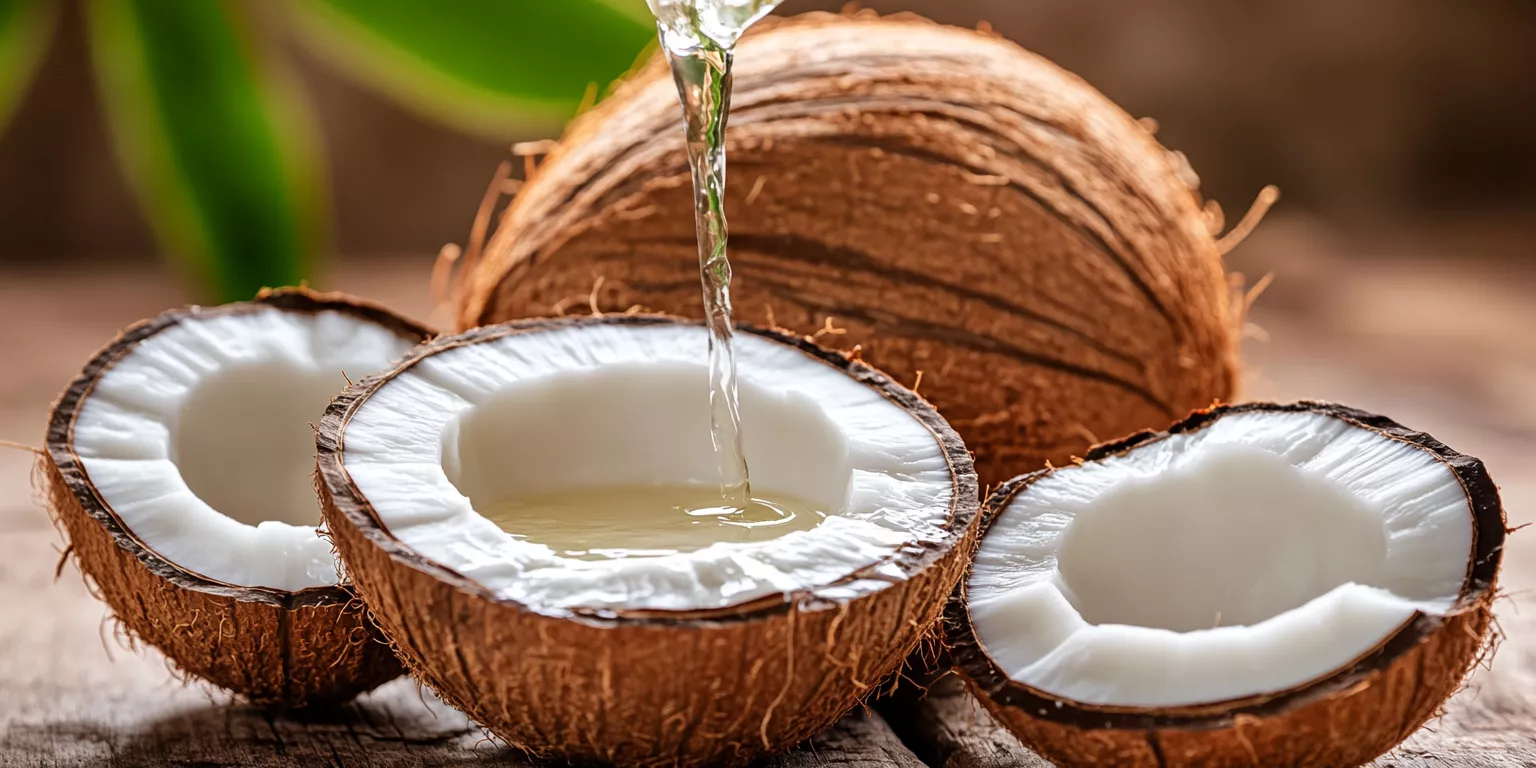
Beyond these familiar names, fractionation produces terpene blends recovered during early distillation passes, fractionated coconut oil carriers used in tinctures for their stability and clean mouthfeel, and custom cannabinoid mixtures formulated to hit specific ratios. Each represents a deliberate choice about which fractions to keep and how to reassemble them.
- 🧪 Distillate: High-potency, flavor-neutral oil for cartridges and edibles.
- 💎 Isolate: Single-cannabinoid crystalline powder at 99%+ purity.
- 🌿 Recovered terpenes: Aromatic fractions reintroduced for flavor and entourage effects.
- 🥥 Fractionated carrier oils: Stable, neutral bases that improve shelf life and absorption.
Fractionated Cannabis Benefits for Formulators
The appeal of fractionated cannabis comes down to control. When a formulator knows exactly what is in each fraction, they can build products that perform consistently from batch to batch — a non-negotiable requirement for any brand operating at scale.
Dosing precision is the headline benefit. With purified fractions, a manufacturer can calculate the exact milligrams of each cannabinoid going into a gummy or capsule, eliminating the variability that plagues whole-plant extracts where potency shifts with every harvest.
Flavor and texture control follows close behind. Removing chlorophyll, waxes, and harsh-tasting compounds yields a clean base that won't fight with added flavors, while fractionated carrier oils provide a neutral, stable medium that resists rancidity. For edibles and beverages especially, this refinement is the difference between a pleasant product and an unpalatable one.
Fractionated Oil vs Full-Spectrum Extracts
One of the most common questions about fractionated cannabis is how it compares to full-spectrum products. The distinction reflects a genuine philosophical split in how cannabis is formulated and consumed.
Full-spectrum extracts retain the plant's complete chemical profile — every cannabinoid, terpene, and flavonoid present in the original flower. Advocates point to the entourage effect, the theory that these compounds work synergistically and produce better outcomes together than in isolation.
Fractionated and isolated products take the opposite approach, trading that synergy for precision and purity. Many modern products split the difference: producers start with isolated fractions, then deliberately reintroduce measured amounts of terpenes and minor cannabinoids to build a "broad-spectrum" or custom profile. This best-of-both-worlds strategy is only possible because fractionation gave them clean components to start from.
Quality Considerations for Fractionated Products
Not all fractionated cannabis is created equal, and the refinement process itself introduces variables that affect final quality. The most important is residual solvent — if extraction or chromatography used solvents that weren't fully purged, traces can remain in the finished product.
Third-party lab testing is the single most reliable quality signal. A current certificate of analysis should confirm cannabinoid potency, verify that residual solvents fall below safe thresholds, and screen for pesticides and heavy metals that can concentrate during processing. Reputable producers make these documents easy to find.
Heat exposure during fractionation also matters. Overly aggressive distillation can degrade cannabinoids and create unwanted byproducts, which is why gentle, low-temperature methods command a premium. The clarity and color of a distillate often hint at its quality — though appearance alone should never replace a proper lab report.
Are Fractionated Cannabis Products Safe?
For most consumers, properly produced fractionated cannabis products are as safe as any other regulated cannabis format — and in some respects, their refinement offers advantages. Removing plant waxes, chlorophyll, and particulates can reduce the harshness of inhaled products and the digestive unpredictability of edibles.
The safety question hinges on production standards rather than fractionation itself. The process is well-established and benign when done correctly; risk enters through poor solvent management, contaminated source biomass, or inadequate testing. This is why buying from licensed producers who publish lab results is the most meaningful safety step a consumer can take.
It's also worth remembering that purity is not the same as potency safety. A 90-percent distillate is far more concentrated than flower, so dosing should be approached conservatively — especially with edibles, where onset is delayed and the temptation to redose can lead to uncomfortable experiences. Start low, wait, and adjust.
Choosing the Right Fractionated Cannabis Products
Selecting a fractionated cannabis product comes down to matching the refinement level to your goals. Someone seeking a flavorless, ultra-precise dose will gravitate toward isolate-based formulations, while a consumer chasing the full plant experience may prefer a broad-spectrum blend built from reintroduced fractions.
Read the lab report first. Before flavor or price, confirm the certificate of analysis matches the label, that solvents are within limits, and that the cannabinoid profile aligns with what you expect. A trustworthy product makes this information accessible rather than burying it.
Fractionated cannabis represents the maturation of an industry moving from rough, variable extracts toward pharmaceutical-grade precision. Whether you're a formulator building consistent products or a consumer seeking predictable effects, understanding how fractionation works empowers smarter choices — and reveals the quiet engineering behind nearly every refined product you encounter. As separation technology continues to advance, expect even cleaner, more targeted, and more customizable cannabis products to follow.