


Genotype
Discover how a cannabis genotype shapes cannabinoids, growth, and aroma.
What Is a Cannabis Genotype?
The genotype of a cannabis plant is its complete genetic blueprint — the full set of inherited DNA instructions encoded within the seed long before the plant ever breaks soil. Every cultivar you encounter, from a sleepy nighttime indica to an energizing daytime sativa, carries a unique genotype that defines its potential. Understanding genotype is the foundation for understanding why two seeds from the same parent plants can express subtly different traits, and why genetics sit at the heart of every conversation about quality, consistency, and breeding.
In the simplest terms, a genotype is the heritable code, while everything you can see, smell, and measure in the finished plant is the outcome of that code interacting with its environment. A breeder who understands a strain's genotype can predict — within limits — how the plant will grow, what cannabinoids it may produce, and which aromatic compounds it is likely to express.
Why genotype is the starting point for any strain: Without a stable genotype, there is no reliable strain. The reproducibility that lets a brand sell the same product month after month depends entirely on locking down a genetic profile and propagating it faithfully. This is why clones, which are exact genetic copies, remain a cornerstone of commercial cultivation — they preserve a proven genotype without the variation that comes from seed.
How Genotype Differs From Phenotype
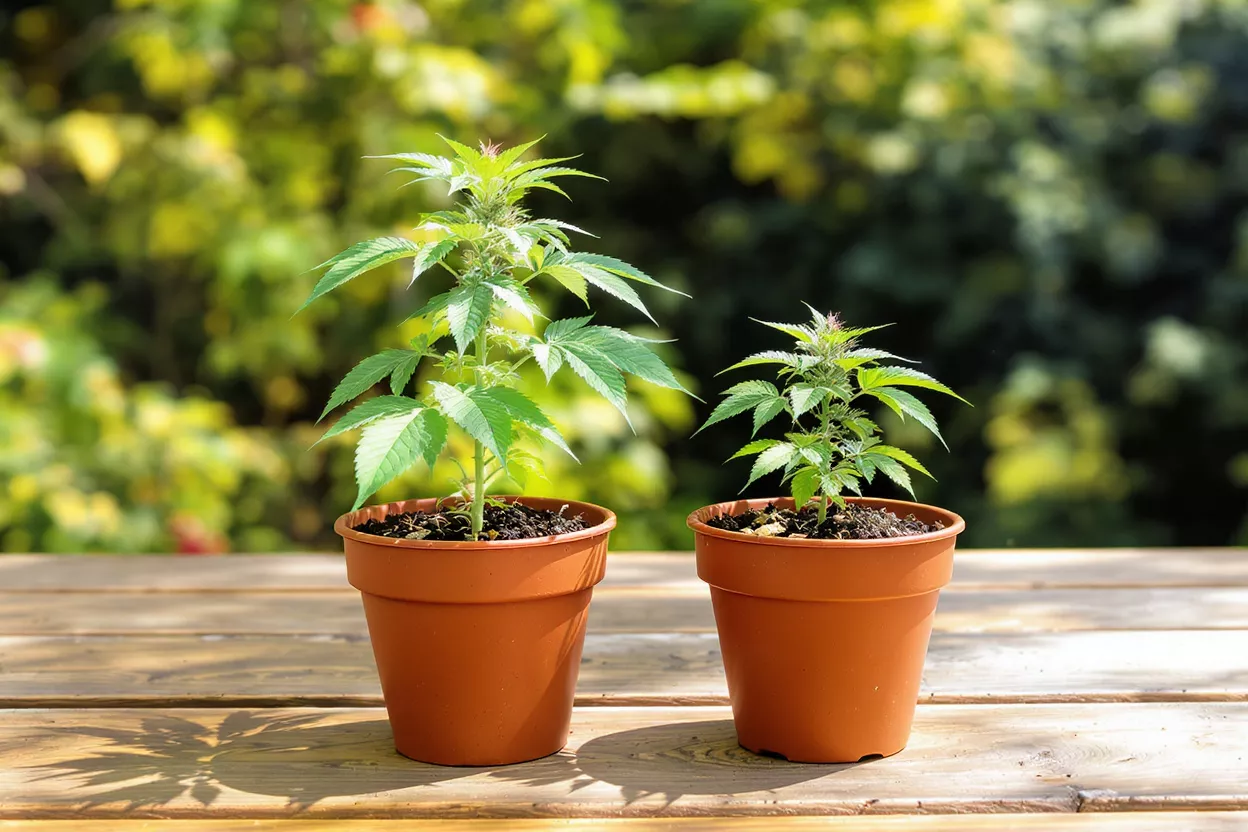
One of the most common points of confusion in cannabis genetics is the relationship between genotype and phenotype. The genotype is the underlying genetic code; the phenotype is the observable expression of that code once the plant has grown in a specific environment. Think of the genotype as a recipe and the phenotype as the finished dish — the same recipe can produce slightly different results depending on the oven, the ingredients, and the cook.
This distinction matters enormously in practice. A single genotype can produce multiple phenotypes when grown under different conditions of light, temperature, nutrients, and humidity. That is why a strain grown indoors under controlled lighting can look and smell noticeably different from the same genetics grown outdoors under natural sun.
The nature-versus-nurture balance in cannabis: Genetics set the ceiling, but environment determines how close a plant gets to that ceiling. A superb genotype grown poorly will underperform, while even modest genetics can be coaxed toward their full potential by a skilled grower. The interplay between fixed genetic potential and variable environmental input is the central drama of cultivation.
How Cannabis Genotypes Are Inherited
Cannabis is a diploid organism, meaning it carries two copies of each chromosome — one inherited from each parent. When a male plant pollinates a female, the offspring receive a shuffled combination of genes from both, which is why seeds from a single cross are not genetically identical to one another. This genetic recombination is the engine of variation and the reason breeding is part science, part patience.
Each gene can exist in different versions called alleles. Some alleles are dominant and mask the presence of others, while recessive alleles only express when inherited from both parents. This is why a trait can seem to disappear in one generation and reappear in the next — the recessive code was present in the genotype all along, simply hidden from view.
Heritability explains why responsible breeders track lineage with such care. Knowing the genetic history of parent plants lets a breeder anticipate which traits are likely to carry forward and which are unstable.
- 🧬 Dominant alleles: Express their trait even when only one copy is present, often masking recessive versions.
- 🌱 Recessive alleles: Only appear when inherited from both parents, which is why hidden traits resurface across generations.
- 🔀 Recombination: The reshuffling of parental genes during reproduction that creates sibling variation within a single seed batch.
- 📋 Lineage tracking: Documenting parentage so breeders can predict and stabilize desirable traits over time.
What the Genotype Controls in a Plant
The genotype influences nearly every meaningful characteristic of a cannabis plant, though always in partnership with the environment. Growth structure — whether a plant grows tall and lanky or short and bushy — is rooted in genetics, as is the timing of the flowering stage and the plant's overall resilience to stress, pests, and disease.
Genetics also lay the groundwork for chemical output. The plant's capacity to produce specific cannabinoids such as THC and CBD is encoded in its genotype, as is its terpene profile, which shapes aroma and flavor. A plant cannot produce a compound its genes do not equip it to make.
Traits most strongly governed by genotype: Some characteristics are tightly genetic and barely move regardless of growing conditions, while others flex significantly with environment. Knowing which is which helps growers focus their efforts where they will have the most impact.
- 🌿 Growth morphology: Plant height, branching pattern, and internodal spacing are largely set by genetics.
- ⏱️ Flowering time: How quickly a plant moves from vegetative growth to harvest-ready flower.
- 🧪 Cannabinoid potential: The maximum THC, CBD, or minor cannabinoid levels a plant can reach.
- 👃 Terpene expression: The aromatic and flavor compounds that define a strain's sensory signature.
- 🛡️ Disease resistance: Genetic resilience against mold, mildew, and pest pressure.
Types of Cannabis Genotypes
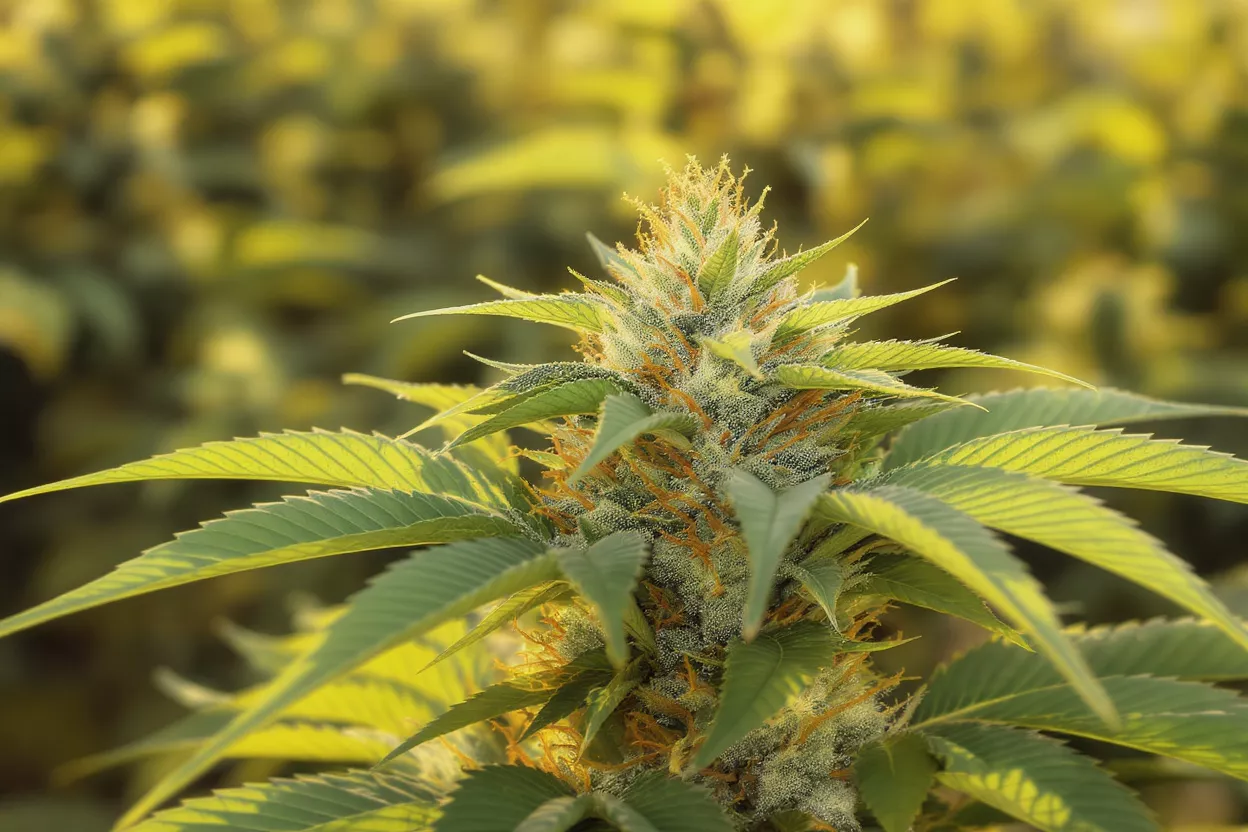
Historically, cannabis genotypes have been grouped into broad categories based on geographic origin and observable traits: indica, sativa, and ruderalis. These labels originated as botanical descriptions of plants adapted to different climates — indica genotypes from cooler mountainous regions, sativa genotypes from warm equatorial zones, and ruderalis from harsh northern latitudes.
Modern genetics has complicated this tidy picture. Decades of crossbreeding mean that almost every commercial strain today is a hybrid, a blend of multiple genetic lineages. The indica-versus-sativa framework still offers useful shorthand for growth habit, but it is an imperfect predictor of effect, since chemistry varies widely even within these groups.
Why the classic categories still matter: Despite their limitations, these genotype families remain a practical reference point for cultivators planning a grow. Ruderalis genetics, for instance, contribute the autoflowering trait prized by growers who want plants to flower based on age rather than light schedule.
- 🏔️ Indica genotypes: Typically short and bushy with broad leaves, adapted to shorter cooler growing seasons.
- ☀️ Sativa genotypes: Tall and slender with narrow leaves and longer flowering periods, suited to equatorial climates.
- ❄️ Ruderalis genotypes: Small, hardy, and autoflowering, valued for breeding day-length-independent flowering into hybrids.
- 🔬 Modern hybrids: Deliberate crosses that blend traits from multiple lineages for tailored growth and chemistry.
How Breeders Use Genotype Selection
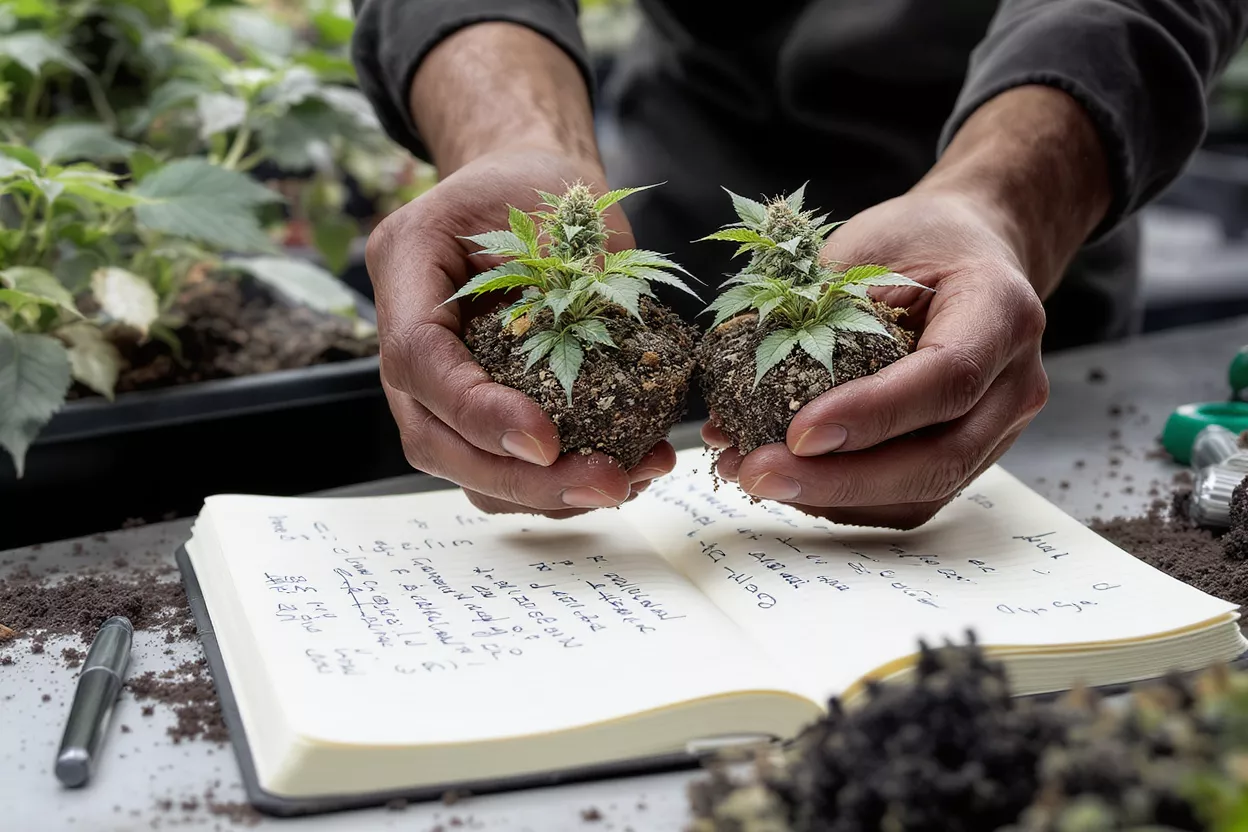
Selective breeding is the art of guiding genotypes toward desirable outcomes over successive generations. Breeders begin by identifying parent plants with traits worth preserving — perhaps a high cannabinoid yield, a distinctive aroma, or robust mold resistance — and then cross them to combine those strengths in the offspring.
The challenge is that desirable traits do not always travel together, and crossing two excellent plants does not guarantee excellent children. Breeders may grow out hundreds of seedlings from a single cross, then select only the few individuals — known as keepers — whose genotype best expresses the target traits. These keepers are then propagated by cloning or used as parents for further breeding.
Stabilizing a genotype is the long game. It can take many generations of careful selection and backcrossing before a strain breeds true, meaning its seeds reliably produce offspring with consistent characteristics. This painstaking work is what separates a stable, reputable cultivar from an unpredictable one.
Genotype and Cannabinoid Production
The cannabinoids a plant produces are dictated by specific genes that code for the enzymes responsible for building those molecules. Whether a plant becomes THC-dominant, CBD-dominant, or balanced between the two comes down to which versions of these enzyme genes it inherited. This is why some strains test high in THC while others, grown side by side under identical conditions, remain rich in CBD.
A key example is the gene controlling the enzyme that converts the precursor compound CBGA into either THCA or CBDA. The allele a plant carries at this genetic locus largely determines its cannabinoid ratio, which is one of the most genetically hardwired traits a cannabis plant has.
How genotype shapes minor cannabinoids: Beyond THC and CBD, genotype governs the production of less abundant cannabinoids like CBG, CBC, and THCV. Breeders increasingly select for genotypes that boost these minor compounds, opening the door to novel chemical profiles that were rare or unheard of a decade ago.
How Genotype Is Tested and Mapped
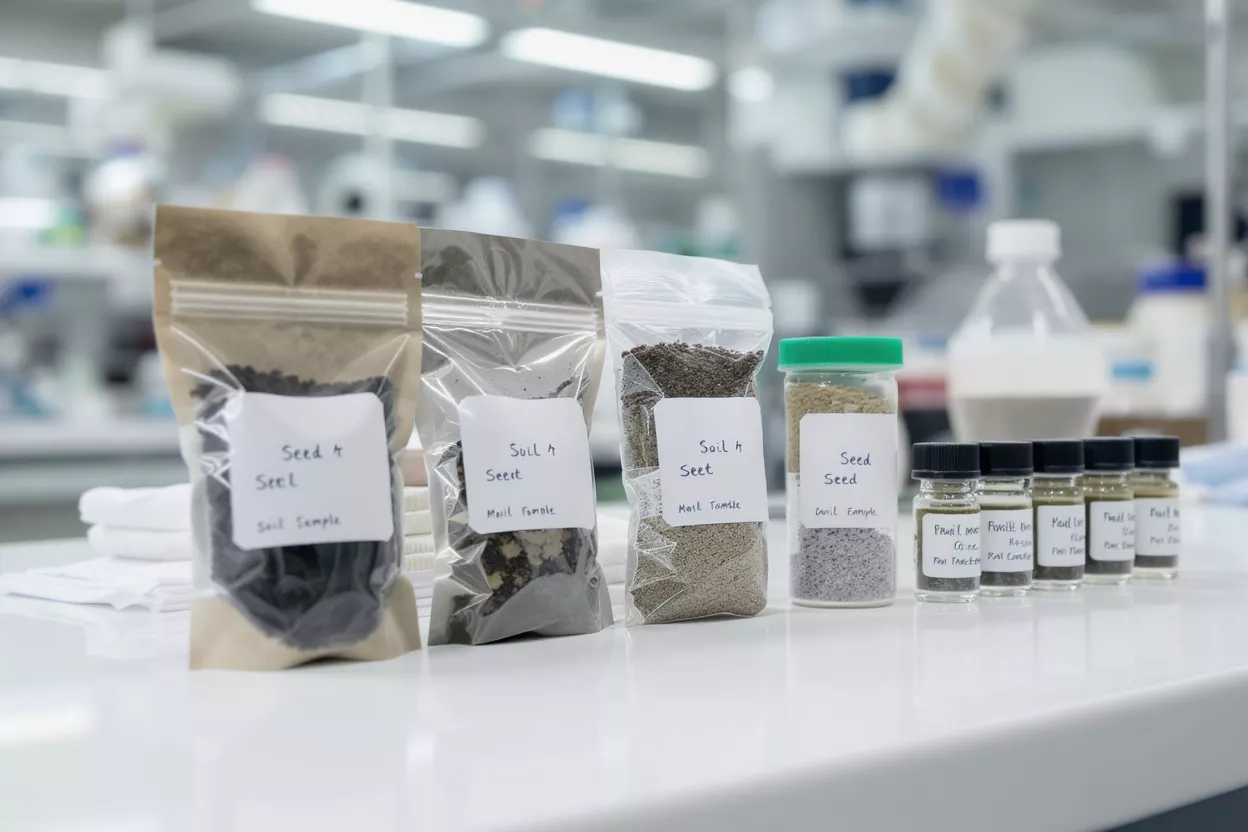
Advances in DNA sequencing have transformed how the industry understands cannabis genetics. Where breeders once relied solely on observable traits, laboratories can now read a plant's genotype directly, identifying specific genes and markers that predict everything from cannabinoid ratios to sex and disease resistance.
Genetic testing offers practical advantages at every stage. Early sex identification, for example, lets growers cull male plants before they waste resources, while marker-assisted selection helps breeders confirm that offspring carry the genes they were bred for — without waiting for the plant to mature and reveal those traits visually.
What genetic mapping reveals: Sequencing a genome also exposes the relatedness between strains, debunking marketing claims and clarifying true lineage. As reference genomes become more complete, the industry moves steadily toward genetics-driven cultivation where decisions are guided by data rather than guesswork.
Why Genotype Matters for Consumers
For the everyday consumer, genotype is the hidden foundation beneath every product on the shelf. The consistency you expect from a favorite strain — the same aroma, the same effects, batch after batch — depends on producers maintaining a stable genotype through faithful propagation. When that genetic integrity slips, so does the experience.
Genotype also explains why the same strain name can deliver different experiences from different producers. If two growers obtained their genetics from different sources, they may be working with genuinely distinct genotypes despite sharing a label. This is why discerning consumers learn to trust specific producers rather than relying on strain names alone.
Understanding genetics empowers more informed choices. A consumer who knows that cannabinoid ratios are genetically anchored can read a lab report with greater confidence, recognizing that the numbers reflect the plant's underlying genotype rather than random variation.
The Future of Cannabis Genetics
The frontier of cannabis genetics is moving quickly. As legalization expands and research barriers fall, scientists are assembling ever more detailed genetic maps that promise to make breeding faster, more precise, and more predictable. The era of breeding by intuition alone is giving way to one informed by genomic data.
Emerging tools may eventually allow breeders to target specific traits with remarkable accuracy — designing genotypes for particular cannabinoid blends, terpene profiles, or growth characteristics tailored to specific climates and growing systems. Tissue culture and genetic preservation are also helping safeguard rare and heritage genotypes that might otherwise be lost.
In sum, the genotype is the genetic foundation that makes every cannabis plant what it is. It dictates the limits of a plant's potential, partners with the environment to shape the final product, and underpins the consistency consumers rely on. As our ability to read and refine these genetic blueprints grows, so too does the precision with which the industry can cultivate quality, variety, and innovation — making a solid grasp of genotype one of the most valuable tools any grower, breeder, or curious consumer can possess.





Comments