


One-hitter
Learn how a one-hitter delivers precise, discreet cannabis doses with minimal waste.
What Is a One-Hitter and How It Works
A one-hitter is among the most pared-down tools in the cannabis world: a slender, tube-shaped pipe built to hold precisely enough ground flower for a single inhalation. The name describes the function exactly. You pack the narrow bowl, take one draw, and the chamber is finished. For anyone drawn to moderation, portability, and a quiet, unobtrusive way of enjoying ganja, this little pipe is hard to beat.
The mechanics could not be simpler. A tight, cylindrical chamber accepts a small pinch of ground flower at the open end. As you light the tip and draw, smoke travels straight through the bore to your mouth with no water, no percolation, no extra steps. Because the bowl holds so little, you naturally consume far less per session than you would from a packed pipe bowl or a water pipe.
The form has deep historical roots, echoing the Japanese kiseru and the chillum traditions of South Asia. Modern versions distill that heritage into pocket-sized practicality without changing the underlying idea: a measured dose, a clean draw, and minimal ceremony. According to Harvard Health Publishing, dose size is a genuine factor in how cannabis affects the body, and a one-hitter manages that variable almost automatically by limiting how much you can load at once.
Types of One-Hitters Explained
Classic chillum style: The most traditional one-hitter is a straight tube, often gently flared at the mouthpiece. Crafted from glass, ceramic, or stone, it gives an unobstructed draw and a pure expression of flavor. Smokers who care about taste tend to favor this shape because it lets terpenes such as humulene and eucalyptol come through cleanly.
Dugout combos: A dugout is a compact wooden or metal case that pairs a one-hitter with a sealed storage chamber for ground flower. The clever element is self-packing: press the pipe into the flower compartment, give it a twist, and it loads a tidy single hit on its own. For people who consume on the move, a well-built portable dugout kit turns the one-hitter into a complete, self-contained system.
Novelty "bat" styles imitate the look of an ordinary cigarette and appeal to those who prize discretion above everything else. They function perfectly well, but build quality varies enormously across this category. Since heat-stable, non-toxic materials matter for anything you inhale through, it is worth choosing a reputable piece rather than the cheapest lookalike on the shelf.
How to Use a One-Hitter Step by Step
Using a one-hitter is refreshingly intuitive, yet a touch of technique makes a real difference. It begins with the grind. A medium-fine consistency packs cleanly into the narrow chamber without choking off the airflow, much the way an even grind helps a preroll burn smoothly from end to end.
Run through this short sequence for a clean, satisfying pull:
- 🌿 Grind evenly: A medium-fine grind packs without blocking the narrow bore.
- 👌 Pack lightly: Twist the open end into your flower; over-stuffing only restricts airflow.
- 🔥 Light and draw together: Apply flame to the tip while inhaling steadily, never forcefully.
- 💨 Clear the chamber: A one-hitter is designed to finish in a single pull, leaving only ash.
- 🧹 Tap out the ash: Knock the spent ash free before loading the next hit.
The defining difference from a larger pipe is restraint. You are not trying to flood your lungs from one oversized bowl; you are taking a measured, controlled inhalation. That makes the one-hitter ideal for microdosing or for anyone who wants a predictable, repeatable experience without committing to more than they intend to consume.
One-Hitter Benefits for Dosing and Discretion
Precise dose control: The single biggest advantage of a one-hitter is portion control built directly into the hardware. Because the chamber accepts only a small pinch, you always have a rough sense of how much you are taking in. That predictability is genuinely valuable for newcomers and for experienced users keeping a careful eye on tolerance.
Discretion and portability: A one-hitter slips into a pocket, generates less smoke and odor than a joint, and attracts far less attention. For travelers and discreet consumers, that low profile is a defining draw. A slim glass design or a compact dugout case keeps everything tidy and out of sight.
Conservation is the quieter third benefit. By burning only what one hit requires, you waste less flower over time than you would lighting a joint you may not finish. Lower, controlled consumption generally carries a more favorable risk profile, and the one-hitter nudges you toward exactly that habit without any effort on your part.
One-Hitter Materials and Build Quality
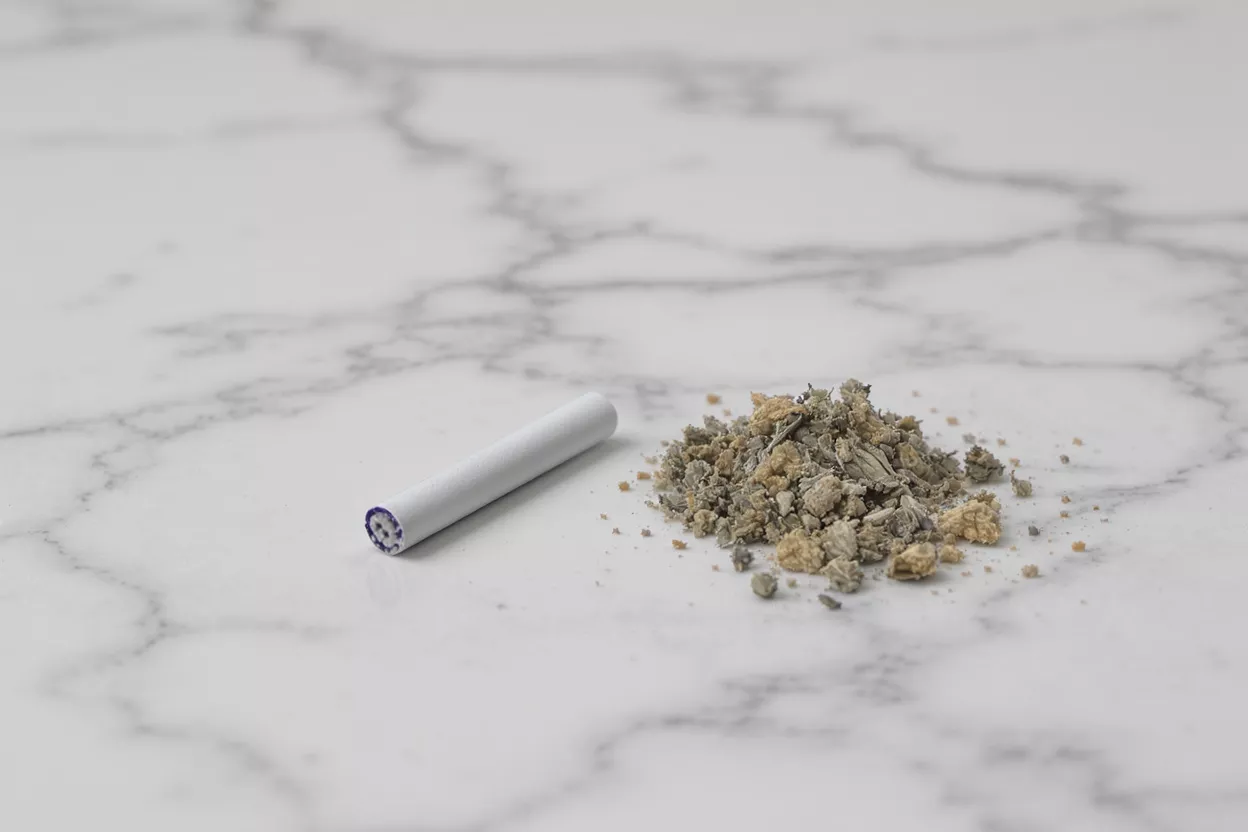
The material a one-hitter is made from shapes its flavor, durability, and feel in the hand. Borosilicate glass is widely regarded as the gold standard for purity, delivering clean draws that let the flower's true character come forward. Glass also reveals resin buildup at a glance, which conveniently tells you when a cleaning is due.
Here is how the common materials stack up against one another:
- 🧪 Borosilicate glass: Pure flavor and easy to inspect, though more fragile than metal.
- ⚙️ Anodized aluminum: Nearly indestructible and pocket-friendly, but can lend a faint taste when hot.
- 🏺 Ceramic: Strong heat retention and smooth flavor, with a pleasing weight in hand.
- 🪵 Wood and stone: Traditional and handsome, valued for their natural feel and unique grain.
Quality matters more than any marketing wrapped around it. A piece made in a licensed facility from food-grade, heat-stable materials is worth seeking out. Low-grade painted or cheap metal pipes can release unwanted compounds when heated, so a well-made glass or ceramic one-hitter is the sound long-term decision for regular use.
One-Hitter vs Other Smoking Methods
Set against a joint, the one-hitter wins on conservation and discretion but gives up the social, pass-around ritual. A joint burns continuously whether you are drawing or not, while a one-hitter combusts only when you actively pull, wasting nothing in the gaps. For solo sessions, that efficiency is tough to match.
One-hitter versus bong: A bong serves up larger, water-cooled hits and a more intense experience, often with smoother smoke thanks to filtration. The one-hitter embodies the opposite philosophy: small, controlled doses with zero setup. Neither is objectively better; they answer different intentions. Plenty of seasoned smokers keep both and reach for a borosilicate glass pipe set when they want choices on hand.
Against concentrates and dabs, which reach extreme potency through extracts like live resin and rosin, the one-hitter stays gentle and flower-focused. It will never rival the intensity of dabbing, but that restraint is exactly the appeal for users who prefer measured flower sessions to high-potency hits. It is a different relationship with the plant, built around moderation rather than maximum effect.
How to Clean a One-Hitter Properly
Regular cleaning keeps a one-hitter drawing smoothly and tasting clean. Resin accumulates quickly in the narrow bore, and a clogged pipe spoils both flavor and airflow. The upside is that the simple shape makes maintenance fast and forgiving compared to fussier glassware.
The classic method relies on isopropyl alcohol and coarse salt. Soak the pipe in 91% isopropyl alcohol, add salt to act as a gentle abrasive, then shake or swab to dislodge the resin. A pipe cleaner or thin brush clears the bore effectively. Rinse thoroughly with warm water and let the piece dry completely before the next use, since you never want residual solvent reaching your lips.
For routine upkeep between deep cleans, tap out the ash after every use and run a dry pipe cleaner through the chamber. Doing this consistently heads off the heavy buildup that makes a full soak necessary in the first place, and it keeps each hit tasting as fresh as the flower you packed.
Choosing the Best One-Hitter for You
Match the material to your habits: If you are hard on your gear or travel constantly, durable metal or a protective dugout makes practical sense. If flavor is your priority and you handle your equipment with care, glass or ceramic rewards you with a cleaner taste. Be honest about how and where the piece will actually live.
Consider the chamber size: One-hitters vary slightly in capacity. A truly tiny bore suits genuine microdosing, while a marginally larger chamber works for those who want a fuller single hit. Neither is wrong; it comes down to matching the tool to the dose you have in mind.
Finally, weigh the system as a whole. A standalone glass tube is elegant and minimal, but a dugout adds storage and self-packing convenience that many daily users come to rely on. Your favorite strain's genotype, your tolerance, and your lifestyle all feed into which one-hitter ends up feeling right in your hand.
Are One-Hitters Safe to Use
One-hitters are no more or less inherently risky than any other combustion method, but a few considerations help you use one wisely. Combustion always produces smoke, and inhaling any smoke carries respiratory considerations that Harvard Health Publishing has documented in depth. The small dose can mean less total smoke per session, which some users view as a meaningful harm-reduction angle.
Material safety is the larger variable. Heating low-quality painted metal or unknown alloys can release undesirable fumes, which is precisely why food-grade glass, ceramic, or properly anodized metal is the responsible choice. Cleanliness factors in too; a neglected, resin-caked pipe is harsher on the throat and lungs than a well-maintained one.
Temperature management rounds out safe use. The metal tip of a one-hitter gets genuinely hot, so give it a moment to cool before repacking and steer clear of the heated end. Treat the device with the same common sense you would bring to any small, heated tool, and it will serve reliably for years.
One-Hitter Tips for Beginners
If you are new to the one-hitter, start small and build from there. Because the dose is naturally modest, it makes an excellent introductory tool, though technique still counts. A gentle, steady draw beats a sharp, forceful pull every time, since pulling too hard can carry ash straight through to your mouth.
A handful of practical habits make the experience consistently better:
- 🌱 Grind fresh: Freshly ground flower packs better and tastes brighter than pre-ground material.
- 🔁 Pack consistently: Aim for the same firmness each time so every hit behaves predictably.
- 🧼 Clean often: A quick clean every few sessions keeps draws smooth and flavor true.
- 💧 Stay hydrated: Smoke dries the throat, so keep water within reach.
Beyond the basics, experimentation is part of the reward. Try different strains and notice how their distinct profiles, shaped by genotype and terpene content, come through in such a clean format. A one-hitter strips away distractions and lets the flower speak for itself. Whether you are conserving a head stash, prioritizing discretion, or simply enjoying measured sessions, this humble little pipe earns its lasting place in cannabis culture by doing one thing exceptionally well: delivering a clean, controlled, single hit every time.


Comments