

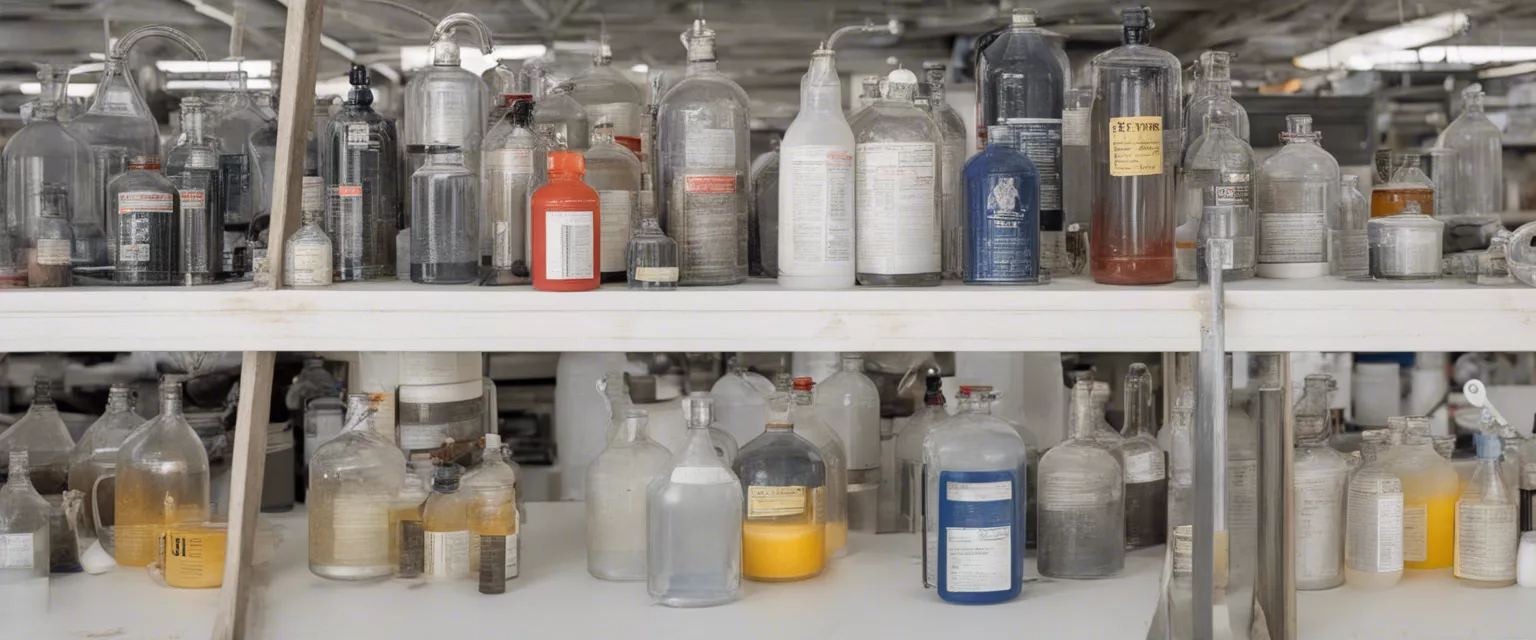
Open blasting
Open blasting is a dangerous, unregulated method of making BHO at home.
What Is Open Blasting in Cannabis Extraction
Open blasting is one of the most hazardous practices in the world of cannabis concentrate production. The term describes an amateur method of extracting cannabinoids from plant material using liquefied butane sprayed through an open tube — with no recovery system, no pressure containment, and no safeguards against the volatile solvent venting into open air. It is the unregulated, do-it-yourself shadow of legitimate hash oil manufacturing.
At its core, open blasting refers to the production of butane hash oil (BHO) without the closed, sealed equipment that professional labs rely on. A person packs ground cannabis into a metal or glass tube, forces butane through it to strip out the resinous compounds, and collects the solvent-soaked extract in a dish below. The butane is then evaporated off, leaving behind a sticky concentrate. The problem is everything that happens in between.
Understanding open blasting matters whether you are a curious consumer, a budding home grower, or simply someone trying to make sense of concentrate labels at a dispensary. The phrase carries a heavy reputation in the cannabis community, and for good reason: it has been linked to house fires, severe burns, and explosions that have injured both extractors and bystanders. Knowing what open blasting is helps you recognize why properly manufactured concentrates are worth seeking out.
How Open Blasting Works and Why It Is Risky
The mechanics of open blasting are deceptively simple, which is precisely what makes the practice so tempting and so dangerous. A length of pipe is packed tightly with cannabis, capped at one end with a filter, and a can of butane is discharged into the open top. The solvent passes through the plant material, dissolving cannabinoids and terpenes, and drips out the bottom as a butane-saturated liquid.
Why the open-air design is the fatal flaw: In a closed-loop system, butane is captured and recycled within sealed, pressure-rated vessels. In open blasting, the butane simply evaporates into the surrounding environment. Butane is heavier than air, so it pools invisibly near the ground and along surfaces, accumulating into an explosive cloud. A single spark — from a light switch, a pilot light, a refrigerator compressor cycling on, or even static electricity — can ignite the entire volume in an instant.
The purge problem: After collection, residual butane must be evaporated out of the extract, often using heat. Applying heat to a solvent-laden concentrate in an uncontrolled space compounds the risk, releasing even more flammable vapor into a room that may already be saturated. This is the stage where many open-blasting accidents reach their catastrophic peak.
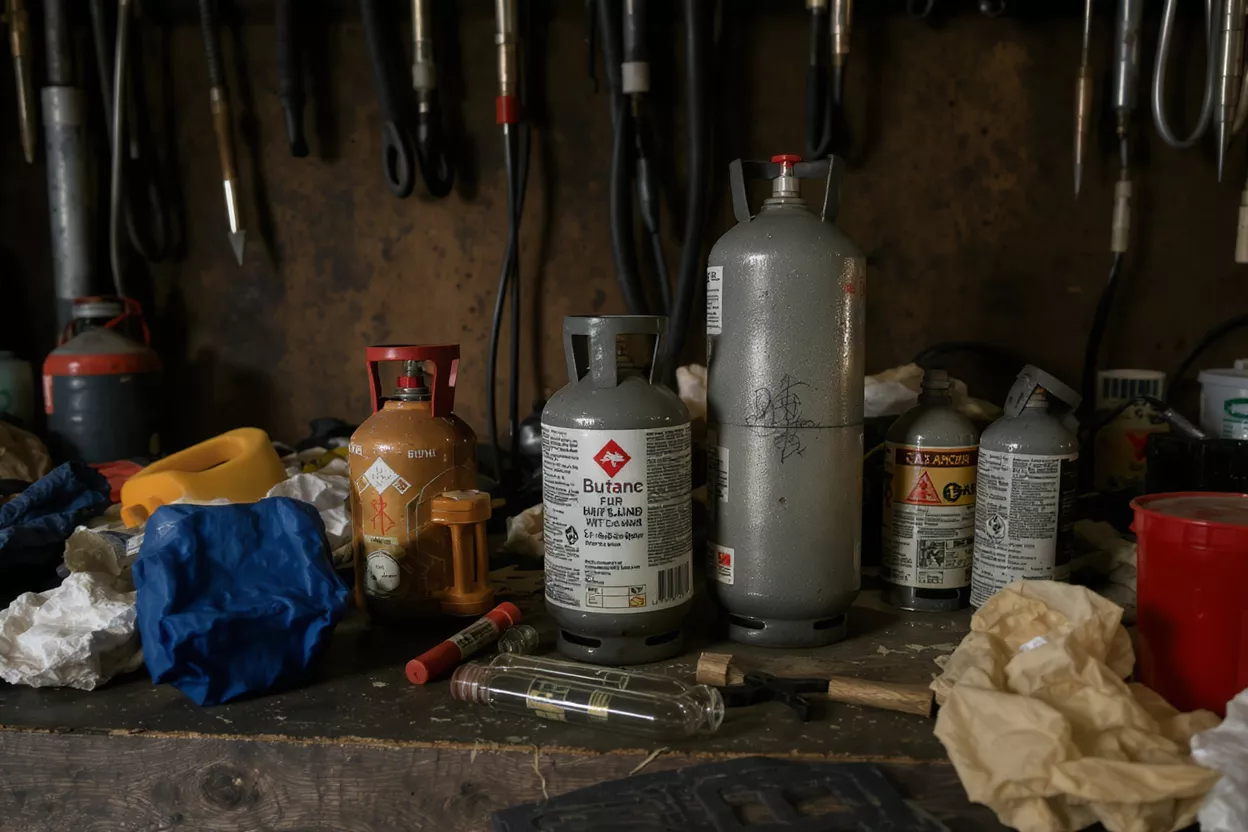
Open Blasting vs Closed-Loop Extraction
The single most important distinction in solvent-based extraction is the difference between open blasting and closed-loop systems. A closed-loop extraction setup is engineered specifically to contain the solvent at every stage, recover it for reuse, and prevent any vapor from escaping into the room. Open blasting does none of this.
The contrast becomes stark when you line the two methods up side by side. The differences are not cosmetic — they represent the gap between an industrial process governed by engineering controls and an improvised practice that treats one of the most flammable household chemicals with reckless informality.
- 🔒 Containment: Closed-loop systems seal butane inside pressure-rated steel; open blasting vents it directly into open air.
- ♻️ Solvent recovery: Closed loops recapture and reuse butane; open blasting wastes it entirely as flammable vapor.
- 🔥 Explosion risk: Closed systems are designed to eliminate ignition hazards; open blasting routinely creates explosive atmospheres.
- 🧪 Purity control: Professional setups allow precise purging and testing; open blasting offers no quality assurance.
- 📋 Legality: Licensed labs operate under permits and inspection; open blasting is illegal almost everywhere.
Once you see the comparison laid out, it becomes obvious why the cannabis industry has moved decisively toward closed-loop manufacturing and why regulators treat open blasting as a public safety threat rather than a quirky hobby.
The Real Dangers of Open Blasting
Fire and explosion are the headline hazards. News archives across North America are filled with reports of apartment explosions, blown-out windows, and gutted homes traced back to someone blasting butane in a kitchen or garage. Because butane vapor is invisible and odorized only faintly, extractors often have no warning before ignition. The resulting fireballs cause severe full-thickness burns, and survivors frequently endure months of grafts and rehabilitation.
Beyond the immediate blast, open blasting endangers entire buildings and neighborhoods. An explosion in a multi-unit dwelling does not respect the walls of the unit where it began. Neighbors, children, and first responders have all been harmed by accidents they had no part in creating. This collateral danger is a large part of why the practice draws such serious criminal penalties.
There is also a quieter, longer-term hazard tied to the product itself. Concentrates made through open blasting are routinely under-purged, leaving residual solvent trapped in the final extract. Inhaling vaporized butane and the contaminants that ride along with cheap, non-refined solvent is a genuine health concern that no consumer can detect by sight or smell.
Why Some People Still Attempt Open Blasting
If open blasting is so dangerous, why does it persist at all? The honest answer comes down to cost, access, and misinformation. A length of pipe and a few cans of butane cost a fraction of a professional closed-loop system, which can run into the tens of thousands of dollars. For someone chasing a cheap shortcut to homemade shatter or wax, the low barrier to entry is seductive.
Online tutorials have historically downplayed the risks, presenting open blasting as a simple weekend project rather than the volatile chemistry experiment it actually is. Early cannabis forums circulated step-by-step guides that normalized the practice long before the wave of accidents made its dangers undeniable. That legacy of casual instruction still lingers in corners of the internet.
There is also a persistent myth that doing it outdoors makes open blasting safe. While ventilation reduces vapor accumulation, it does not eliminate it — wind shifts, enclosed porches, and the heat-purging stage all reintroduce serious risk. Outdoor blasting has caused plenty of injuries, and treating fresh air as a substitute for proper engineering controls is a dangerous assumption.
How Open Blasting Affects Product Quality and Purity
Residual solvent is the defining quality problem. Without vacuum purging equipment and laboratory testing, open-blasted concentrates frequently retain butane and the impurities found in non-instrument-grade cans of fuel. Cheap butane often contains lubricants, mercaptans, and other additives never intended for human inhalation. These contaminants concentrate right alongside the cannabinoids you actually want.
Consistency suffers as well. Professional extractors control temperature, pressure, and purge time to produce stable, predictable textures — from glassy shatter to creamy budder. Open blasting yields wildly inconsistent results, and a batch that looks acceptable on the surface may hide pockets of trapped solvent or degraded terpenes underneath.
Crucially, none of this is verifiable without lab analysis. A regulated concentrate arrives with a certificate of analysis documenting potency and residual solvent levels. An open-blasted product offers nothing but the word of whoever made it, which is exactly why discerning consumers steer clear.
The Legal Status of Open Blasting
Even in regions where adult-use cannabis is fully legal, open blasting almost always remains a crime. Legalization frameworks distinguish sharply between licensed, inspected commercial extraction and unlicensed solvent processing performed at home. The latter is treated as a serious public safety offense regardless of how the underlying cannabis is regulated.
Why legal markets still prohibit home blasting: The danger to neighbors and first responders does not disappear simply because cannabis is legal to possess. Many jurisdictions explicitly outlaw the use of volatile solvents to manufacture concentrates outside of a licensed facility, with penalties that can include felony charges, particularly when an explosion damages property or injures someone.
In Canada, the Cannabis Act permits adults to make concentrates at home but specifically prohibits the use of organic solvents like butane to do so. That carve-out exists precisely because of the explosion hazard. The legal message across jurisdictions is consistent: leave volatile-solvent extraction to licensed professionals with the right equipment.
Safer Alternatives to Open Blasting
The good news is that home cannabis enthusiasts have access to genuinely safe extraction methods that require no flammable solvents at all. These approaches sacrifice nothing in terms of legality and very little in terms of quality, making the case against open blasting even stronger.
For those who simply want potent, flavorful concentrates without any risk, the solventless and professionally produced options below cover nearly every preference and budget.
- 💧 Solventless rosin: Heat and pressure squeeze resin from flower or hash — no chemicals, no explosion risk, made on a countertop press.
- ❄️ Ice water hash: Agitating cannabis in cold water separates trichomes mechanically, yielding a clean, full-spectrum product.
- 🧊 Dry sift kief: Sieving cured flower over fine screens collects resin glands with nothing but motion and mesh.
- 🏭 Licensed BHO and CO2 extracts: Buying from regulated producers delivers lab-tested concentrates made in proper closed-loop systems.
For most people, rosin is the standout choice: it delivers solvent-free purity, preserves terpene-rich flavor, and can be made with inexpensive equipment that poses no fire hazard. The rise of solventless extraction has given the home enthusiast a legitimate, satisfying path that simply did not exist when open blasting first gained traction.
How to Spot Open-Blasted Concentrates
Because open-blasted product sometimes circulates in unregulated markets, knowing the warning signs protects your health. The most reliable signal is the absence of a certificate of analysis — any concentrate sold without documented testing should be treated with suspicion, since legitimate producers test for residual solvent as a matter of course.
Sensory red flags worth noticing: Open-blasted extracts often carry a chemical or lighter-fluid smell that lingers beneath the cannabis aroma. A harsh, throat-burning vapor that tastes of solvent rather than terpenes is another strong indicator that the product was not properly purged. Genuine, well-made concentrate should taste like the plant it came from.
Appearance offers clues too, though it is far from foolproof. Bubbling that erupts the moment heat touches the concentrate can signal trapped butane releasing as vapor. When in doubt, the safest course is always to purchase from a licensed source that publishes its lab results — your lungs are not worth the gamble on an untested product.
Open Blasting Takeaways for Consumers
Open blasting represents the intersection of appealing chemistry and unacceptable risk. It promises potent concentrates at a low cost, but it delivers that promise alongside the genuine possibility of fires, explosions, severe burns, and a contaminated final product. Understanding the practice is the first step toward appreciating why the entire legitimate industry has moved away from it.
The contrast with safe alternatives could not be clearer. Solventless methods like rosin and ice water hash let enthusiasts make excellent concentrates at home with zero explosion risk, while licensed producers offer lab-tested BHO and CO2 extracts made in sealed, engineered systems. There is simply no quality argument that justifies the danger of open blasting.
If you take one thing away, let it be this: the few dollars saved by open blasting are never worth a house fire or a hospital stay. Whether you are sourcing concentrates or curious about making your own, choose tested products and solventless techniques. The cannabis world has moved on from open blasting for good reason, and your safety is the reason that matters most.





Comments