

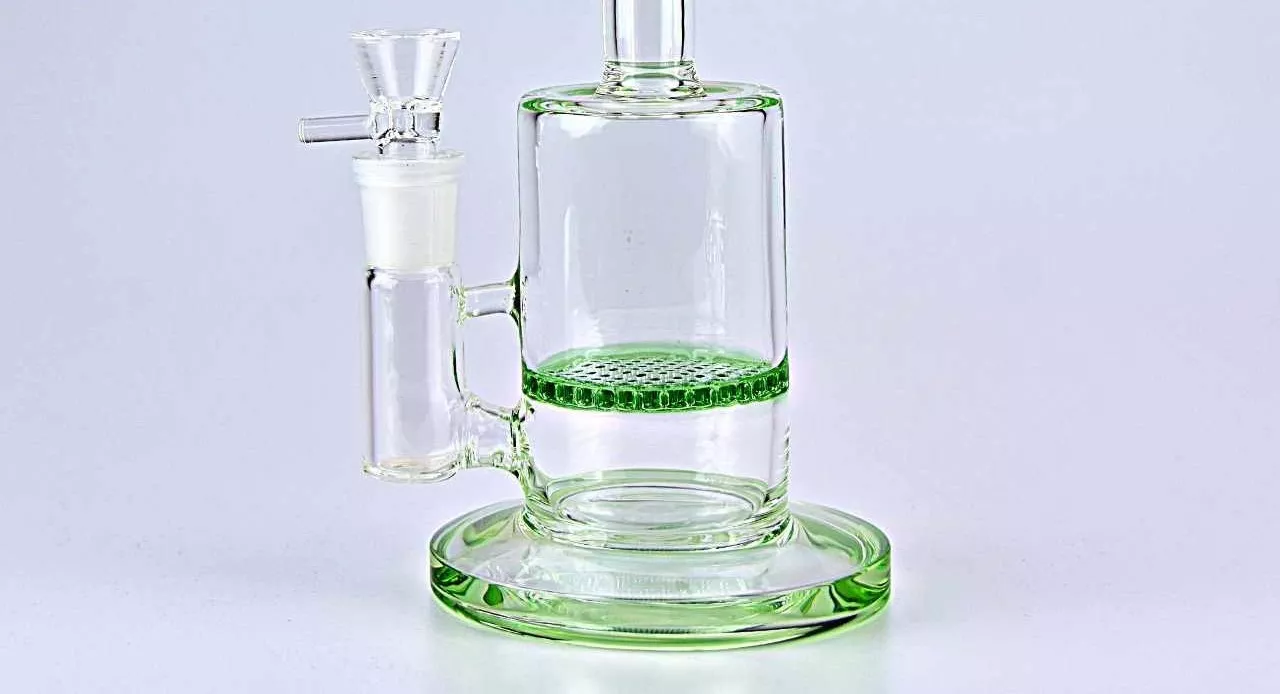
Percolator
Learn how a percolator filters and cools smoke in your water pipe.
What Is a Percolator in a Water Pipe
A Percolator is a glass filtration chamber built into a water pipe or bong that breaks smoke into a stream of tiny bubbles before it reaches your lungs. By forcing smoke through narrow openings submerged in water, the percolator dramatically increases the surface area where smoke and water make contact. That contact is the entire point: more contact means more cooling and more filtration of particulates and ash.
The word comes from the same root as a coffee percolator, where liquid is cycled through a system to extract and refine. In glassware, the percolator performs an analogous job by cycling smoke through water. While a basic water pipe already cools smoke once at the downstem, a percolator adds a second, third, or even fourth stage of diffusion, multiplying the effect.
Percolators are not a single design but a whole family of glass structures, each engineered to slice smoke into bubbles in a slightly different way. Some look like trees, some like honeycombs, others like spinning turbines. Understanding what a percolator does helps you choose glass that matches how you actually like to smoke rather than buying purely on appearance.
How Percolators Work to Diffuse Smoke
The physics of diffusion drives every percolator design. When smoke is pulled through a submerged piece of glass with small slits or holes, the single column of smoke is divided into dozens or hundreds of tiny bubbles. Each bubble exposes its contents to surrounding water, and because heat transfers fastest across large surface areas, the smoke cools rapidly as it rises through the chamber.
Filtration happens alongside cooling. Water-soluble particles, fine ash, and some of the harsher compounds in smoke get trapped in the water rather than traveling onward. This is why percolator water turns brown after a few sessions: it is holding material that would otherwise reach your throat and lungs. The cleaner the path of smoke, the smoother the inhale feels.
Airflow design matters as much as the bubble count. A well-built percolator balances diffusion against resistance, letting you draw enough air to clear the chamber without straining. Cheaply made percolators with too many tiny holes can choke airflow, while overly large openings barely diffuse at all. The best designs land in the middle, producing fine bubbles with a comfortable, even pull.

Types of Percolators Explained
There is no shortage of percolator styles, and each carries a reputation among enthusiasts for how it balances smoothness, airflow, and durability. Knowing the major types makes shopping far easier because the names describe the internal shape of the glass.
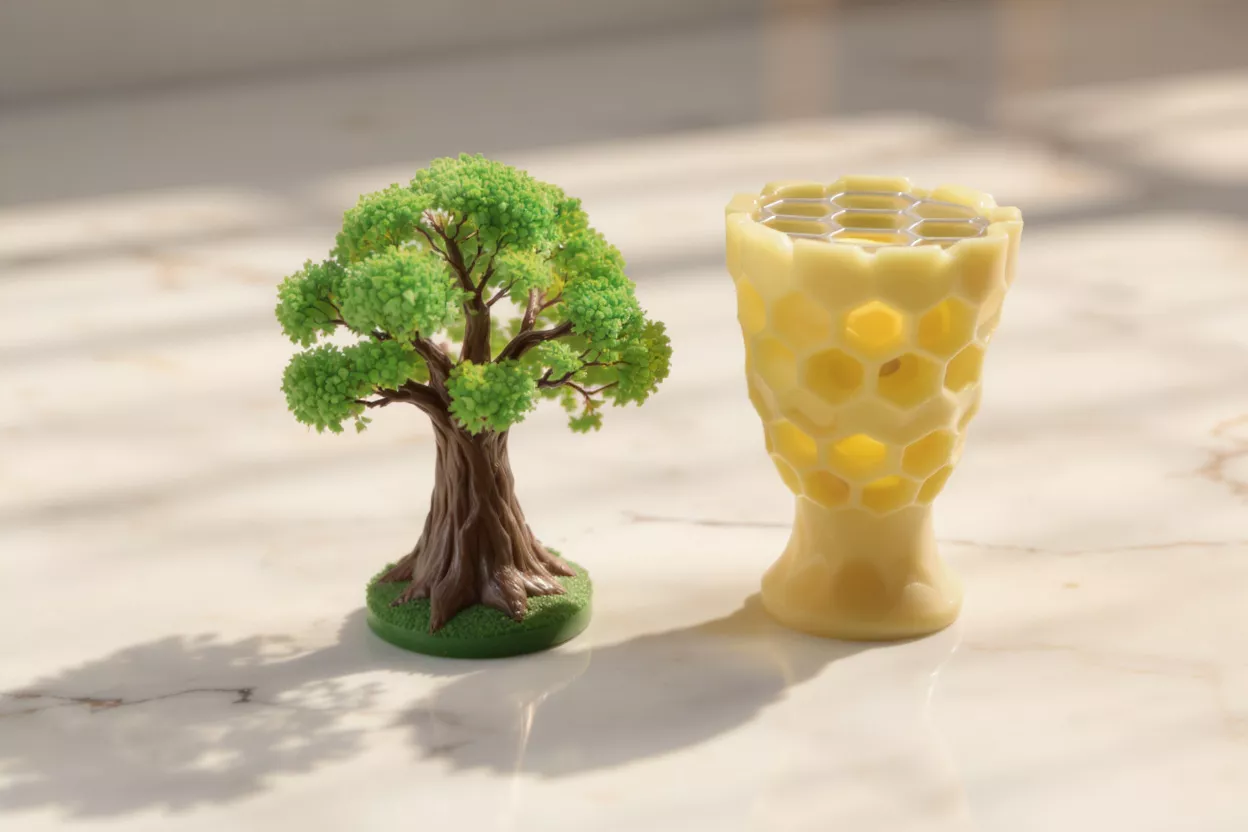
- 🌳 Tree percolator: Multiple vertical rods, or arms, each slitted at the bottom to release bubbles. More arms generally means more diffusion.
- 🍯 Honeycomb percolator: A flat disc drilled with many small holes, producing a dense cloud of fine bubbles with low drag.
- 🌀 Turbine percolator: A disc with angled slits that spin the water into a cyclone, prized for both function and visual flair.
- 💧 Showerhead percolator: A vertical tube flaring into a slitted dome that pushes smoke outward like a shower nozzle.
- 🔘 Inline percolator: A horizontal tube with slits along its length, simple and easy to clean.
- ⭐ Fritted disc percolator: A porous glass disc that creates an enormous number of microscopic bubbles for maximum diffusion.
Each type trades something for something else. Honeycombs and fritted discs deliver intense diffusion but can be harder to clean. Inline and showerhead designs are easier to maintain while still cooling effectively. Tree percolators offer a satisfying middle ground but their delicate arms are prone to breaking if handled roughly.
Most modern water pipes combine these elements, pairing a honeycomb with a turbine or stacking two tree percs. The combination you prefer comes down to how smooth you want each hit versus how much effort you are willing to spend cleaning the glass afterward.
Tree and Honeycomb Percolators Compared
Tree percolators were among the first multi-arm designs to gain popularity, and they remain a favorite for their balance of looks and performance. The vertical arms create distinct streams of bubbles, and watching them fill a chamber is part of the appeal. The downside is fragility, since each thin arm is a potential break point during cleaning or transport.
Honeycomb percolators took diffusion in a different direction by using a single flat disc packed with holes. Because the disc sits horizontally and the holes are uniform, the bubble stream is remarkably even and the airflow stays smooth. Honeycombs also resist breakage better than tree arms, which has made them a default choice in many production pipes.
If you stack two honeycomb discs, smoke gets diffused twice in quick succession, and the result is one of the smoothest hits available without exotic glasswork. Many smokers who try a double-honeycomb pipe describe the draw as deceptively gentle, sometimes underestimating how much smoke they have actually pulled.
Percolator Benefits for a Smoother Hit
The headline benefit of a percolator is comfort. By cooling smoke and diffusing it into bubbles, a percolator reduces the heat and harshness that make people cough, allowing for fuller, more relaxed inhales. For anyone with a sensitive throat or who finds dry pipes uncomfortable, the difference is immediate and obvious.
Filtration is the second clear advantage. While water and percolators do not remove everything, they do trap a meaningful portion of ash and water-soluble compounds, leaving the smoke cleaner on the way in. This is the same logic behind a basic water pipe, just amplified by additional diffusion stages.
- ❄️ Cooler smoke: Extra water contact lowers temperature, easing the burn on your throat.
- 🫧 Better filtration: Fine bubbles trap more particulates than a single chamber of water.
- 😌 Easier inhales: Smoother hits mean less coughing and more controlled sessions.
- 👀 Visual appeal: Cascading bubbles make percolator pipes genuinely fun to watch.
It is worth keeping expectations realistic. A percolator improves the experience of smoking, but it is not a health filter and does not make smoke safe. The benefit is comfort and a cleaner-tasting draw, not protection from the inherent risks of inhaling combusted material.
Single vs Multi-Percolator Pipes
Single-percolator pipes keep things simple. One diffusion chamber cools and filters smoke effectively while remaining easy to clean and quick to clear. For daily use, many experienced smokers prefer a single quality percolator over an elaborate multi-stage piece because maintenance is far less of a chore.
Multi-percolator pipes chain two or more chambers so smoke is diffused repeatedly before it reaches you. The payoff is exceptionally smooth, cool smoke. The cost is more drag, slower clearing, and considerably more surface area to clean, since residue collects at every stage. These pipes shine as centerpieces and for users who prize smoothness above all.
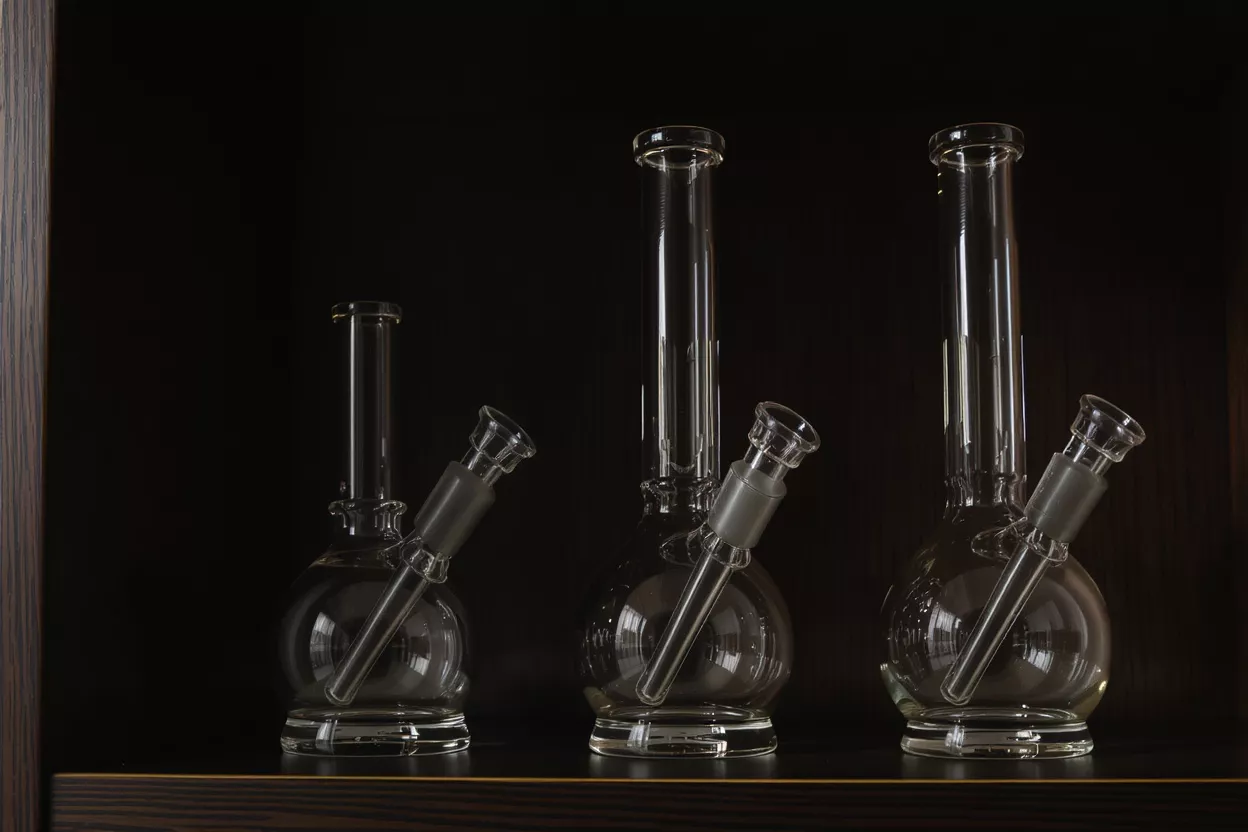
The right choice depends on your priorities. If you value low maintenance and a brisk session, a single percolator is hard to beat. If you chase the smoothest possible hit and do not mind the upkeep, a multi-percolator setup rewards the effort. There is no universally correct answer, only what fits your habits.
Do Percolators Add Drag and Reduce Airflow
Every percolator adds some resistance because forcing smoke through small openings naturally requires more effort to pull. Whether that drag is noticeable depends on the design. A single honeycomb with well-sized holes feels nearly effortless, while a fritted disc or a stack of multiple percs can demand a stronger, slower draw.
Drag is not inherently bad. A slower pull gives smoke more time in contact with water, which improves both cooling and filtration. Many smokers come to enjoy the controlled pace a percolator encourages. The problem only arises when resistance becomes so high that clearing the chamber feels like work, which usually signals an over-engineered or poorly designed piece.
Water level is the easiest lever for tuning airflow. Too much water raises resistance and risks splashback into your mouth, while too little fails to submerge the percolator and ruins diffusion. Finding the right fill line for your specific pipe is a small adjustment that makes a large difference in how the draw feels.
How to Clean a Percolator Properly
Why cleaning matters goes beyond appearance. Resin and ash build up inside percolator slits and holes, gradually restricting airflow and dulling flavor. A clogged percolator drags harder and tastes stale, so regular cleaning keeps both function and taste at their best.
The standard method uses isopropyl alcohol and coarse salt. The salt acts as an abrasive while the alcohol dissolves resin, and shaking the mixture through the chamber scrubs the interior surfaces you cannot reach by hand. For intricate percolators with many fine holes, repeated soaks and gentle agitation work better than aggressive shaking that risks cracking delicate glass.
- 🧂 Salt and alcohol: The classic combo dissolves resin and scrubs interior glass.
- 🔥 Warm water rinse: Loosens fresh residue before it hardens into stubborn buildup.
- ⏱️ Frequent maintenance: Cleaning often is far easier than rescuing a badly clogged perc.
- 🧤 Gentle handling: Support fragile arms and discs to avoid cracks during cleaning.
Plug the openings, add your solution, agitate, soak, and rinse thoroughly with warm water until no alcohol smell remains. A clean percolator not only performs better but lasts longer, since trapped residue can stress glass over time and harbor unpleasant odors between sessions.
Choosing the Best Percolator for Your Setup
The best percolator is the one that matches your personal balance of smoothness, maintenance, and durability. If you want maximum filtration and do not mind frequent cleaning, a honeycomb or fritted disc delivers. If you travel with your glass or handle it roughly, a sturdier inline or showerhead design will survive better than fragile tree arms.
Consider how the percolator pairs with the rest of your piece. A heavily diffused percolator on a tall pipe can produce a wonderfully cool hit but may drag noticeably, while the same perc on a compact pipe clears faster. Matching the percolator to the chamber size and your typical draw strength prevents the frustration of a piece that fights you.
Glass quality is the factor people most often overlook. Thicker borosilicate glass and clean, even slit work signal a percolator that will diffuse properly and resist breakage. Cheap percolators with uneven holes diffuse poorly and crack easily, so spending a little more on well-made glass usually pays off in both performance and longevity.
Are Percolators Worth It
For most people who use a water pipe regularly, a percolator is a genuine upgrade. The smoother, cooler smoke is immediately noticeable, and once you grow used to a percolated hit, a plain pipe can feel surprisingly harsh by comparison. The improvement in comfort alone justifies the choice for many users.
The honest tradeoffs are maintenance and cost. Percolators require more diligent cleaning and tend to raise the price of a piece, especially multi-stage designs. If you smoke rarely or prefer minimal upkeep, a simpler pipe may suit you better, and there is no shame in keeping things straightforward.
Ultimately a percolator is about refining an experience you already enjoy. It will not transform smoke into something it is not, but it makes each draw smoother, cleaner-tasting, and more pleasant to take. For anyone who values that comfort and is willing to maintain their glass, the percolator earns its place as one of the most worthwhile features a water pipe can have.



Comments