Tocopherol
Learn how tocopherol cannabis products use vitamin E to preserve potency and shelf life.
What Is Tocopherol in Cannabis?
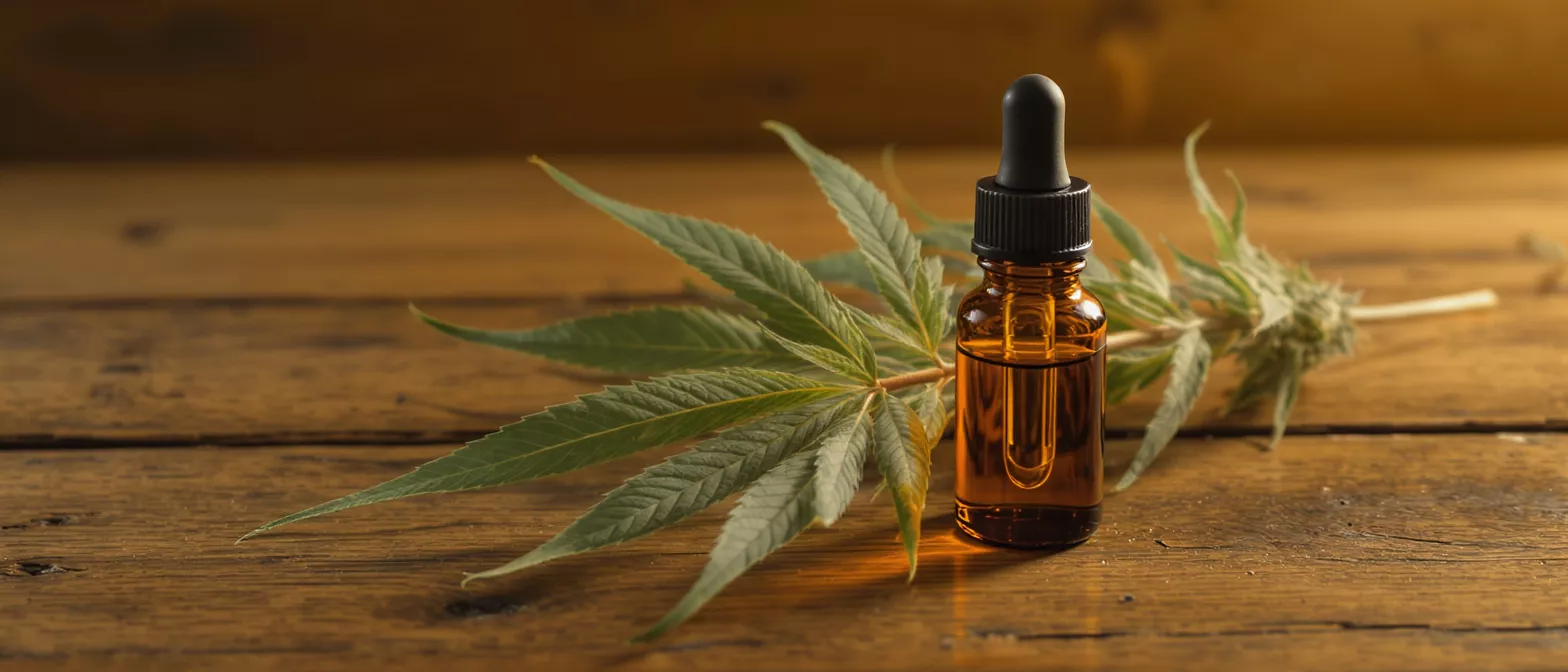
Tocopherol is a fat-soluble compound belonging to the vitamin E family, and in the world of cannabis it plays a quiet but important role in product stability and formulation. While most consumers focus on cannabinoids and terpenes, the supporting cast of ingredients that keeps an extract fresh, potent, and shelf-stable deserves attention too. Tocopherol in cannabis products is one of the most common antioxidants used to slow oxidation, preserve quality, and extend the usable life of oils, tinctures, edibles, and concentrates.
Chemically, tocopherol exists in four main forms — alpha, beta, gamma, and delta — each distinguished by the placement of methyl groups on its molecular ring. Alpha-tocopherol is the form with the highest vitamin E activity in humans, while gamma and delta forms are often prized for their superior antioxidant performance in oils and fats. This distinction matters because the cannabis industry borrows heavily from food science and supplement manufacturing, where these molecules have decades of established use.
The relevance of tocopherol grew alongside the rise of cannabis concentrates and vape products. As extraction technology advanced, formulators needed reliable ways to protect delicate compounds from breaking down, and naturally derived antioxidants became a go-to solution drawn straight from the nutritional sciences.
How Tocopherol Works as an Antioxidant
The core function of tocopherol revolves around its ability to interrupt oxidation — the chemical chain reaction that degrades fats, oils, and the active compounds suspended within them. When cannabis extracts are exposed to oxygen, light, and heat, free radicals form and begin attacking molecular bonds. Left unchecked, this process degrades cannabinoids, dulls flavor, and shortens product life.
Free radical scavenging in practice: Tocopherol donates a hydrogen atom to neutralize free radicals before they can propagate further damage. This sacrificial chemistry means the antioxidant itself is consumed over time, which is why concentration and storage conditions both matter. A well-dosed product maintains its protective buffer longer, keeping the active ingredients intact.
Why fat solubility matters: Because cannabis oils are lipid-based, a fat-soluble antioxidant integrates seamlessly into the matrix rather than separating out. Tocopherol dissolves into the oil phase where oxidation actually occurs, positioning itself exactly where protection is needed. This compatibility is a major reason it outperforms water-soluble alternatives in cannabis formulations.
Types of Tocopherol in Cannabis Products
Not all tocopherol is created equal, and the specific form used in a product influences both its function and its safety profile. Manufacturers select from several variants depending on whether they want maximum antioxidant power, vitamin activity, or formulation stability.
The most common forms you will encounter in cannabis and supplement labeling include the following:
- 🧪 Alpha-tocopherol: The most biologically active vitamin E form, often listed simply as "vitamin E" on labels.
- 🌿 Mixed tocopherols: A blend of alpha, beta, gamma, and delta forms valued for broad-spectrum antioxidant coverage.
- ⚗️ Tocopheryl acetate: A stabilized ester form, more shelf-stable but the subject of significant vaping safety scrutiny.
- 🌻 Natural vs. synthetic: Natural tocopherol (d-form) sourced from plant oils versus synthetic (dl-form) produced in a lab.
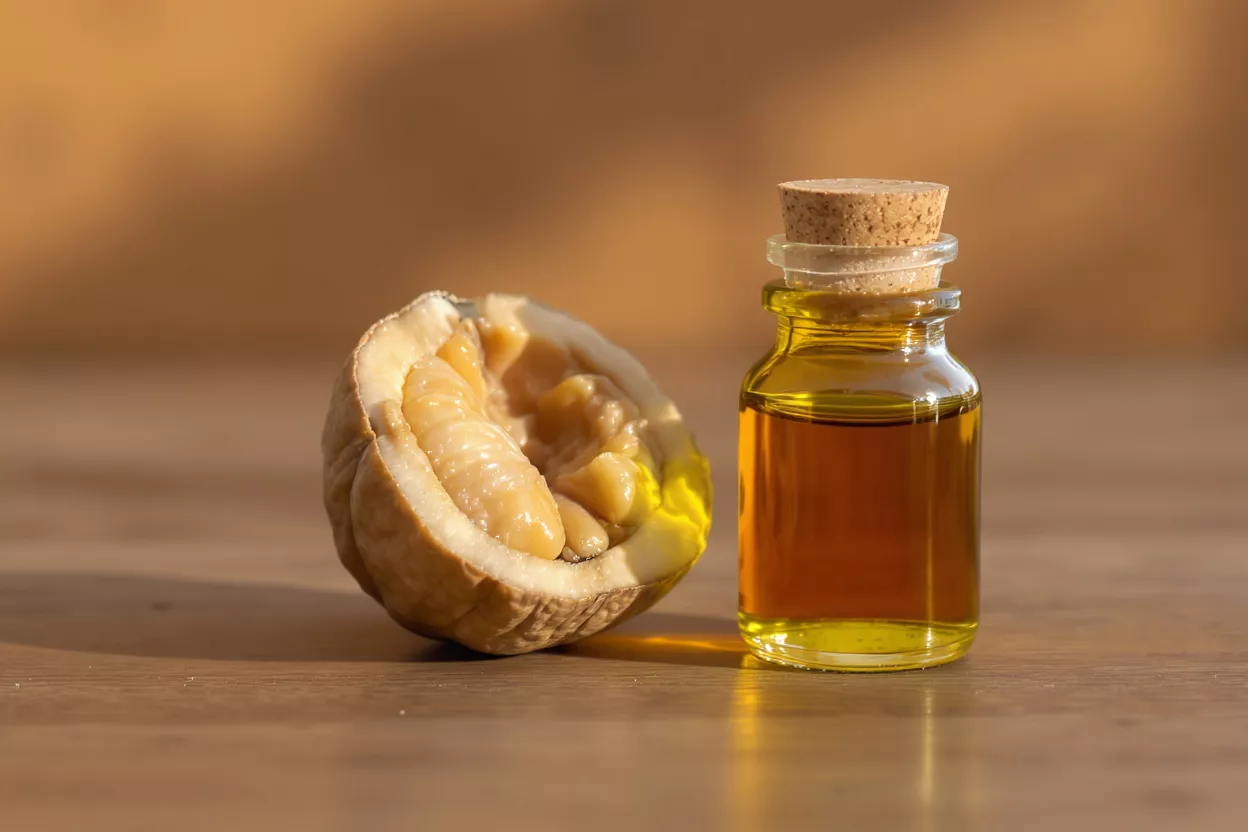
Natural mixed tocopherols derived from sunflower, soy, or other vegetable oils tend to be favored in premium products because they offer robust antioxidant activity without the controversy attached to certain ester forms. Understanding which version a brand uses gives you meaningful insight into their formulation priorities.
Tocopherol in Vape Cartridge Formulation
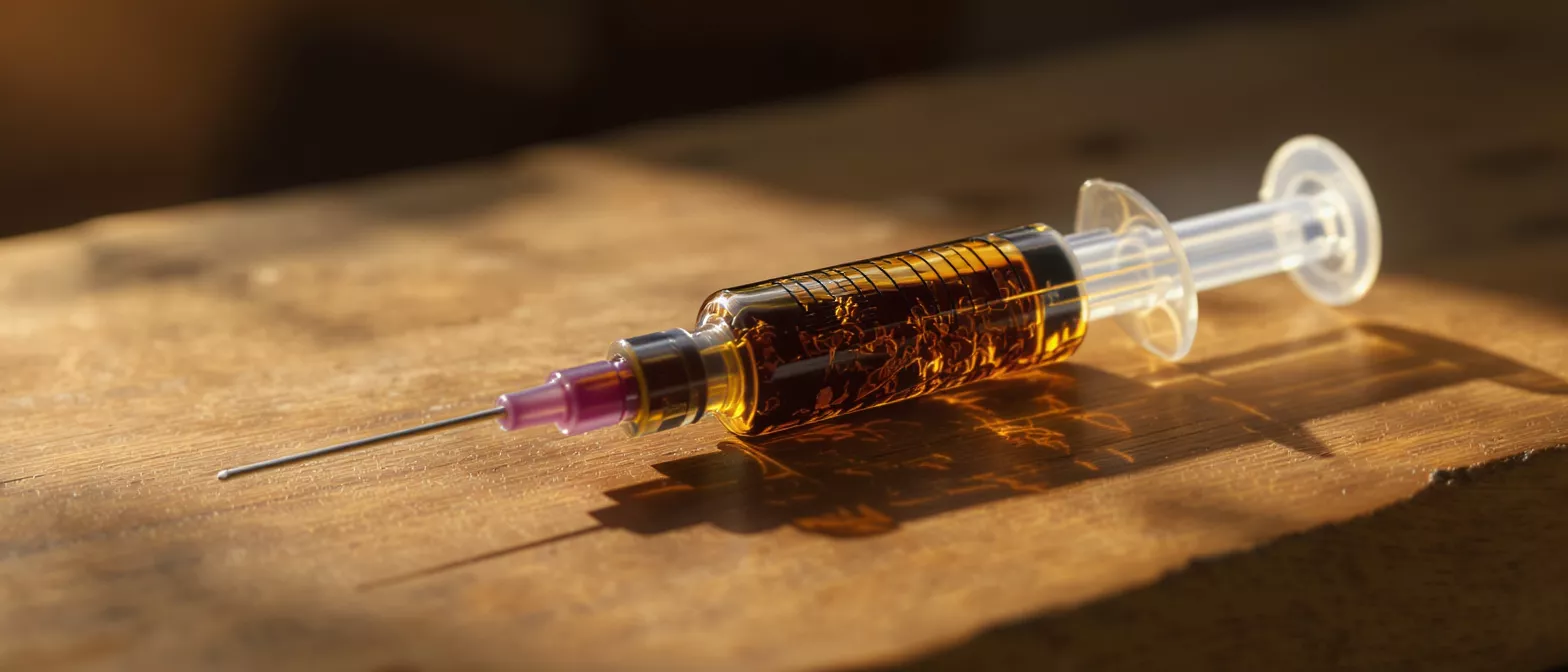
Vape cartridges represent one of the most discussed applications of tocopherol in cannabis, and the topic carries important nuance. Formulators historically used certain tocopherol derivatives as thinning or thickening agents to adjust the viscosity of distillate, helping it flow correctly through a cartridge atomizer.
The viscosity problem: Pure distillate can be thick and difficult to vaporize evenly. Cutting agents were added to modify texture, and tocopheryl acetate in particular became popular because it was inexpensive, clear, and effective at thinning oil. This usage, however, is where the most serious concerns arose.
Modern, reputable manufacturers have largely moved toward terpene-based or botanically derived approaches to viscosity management rather than relying on ester additives. The lesson from this evolution is that a compound's safety can depend entirely on how it is used — an antioxidant that is perfectly safe in an edible is not automatically safe when heated and inhaled.
Tocopheryl Acetate and Vaping Safety Concerns
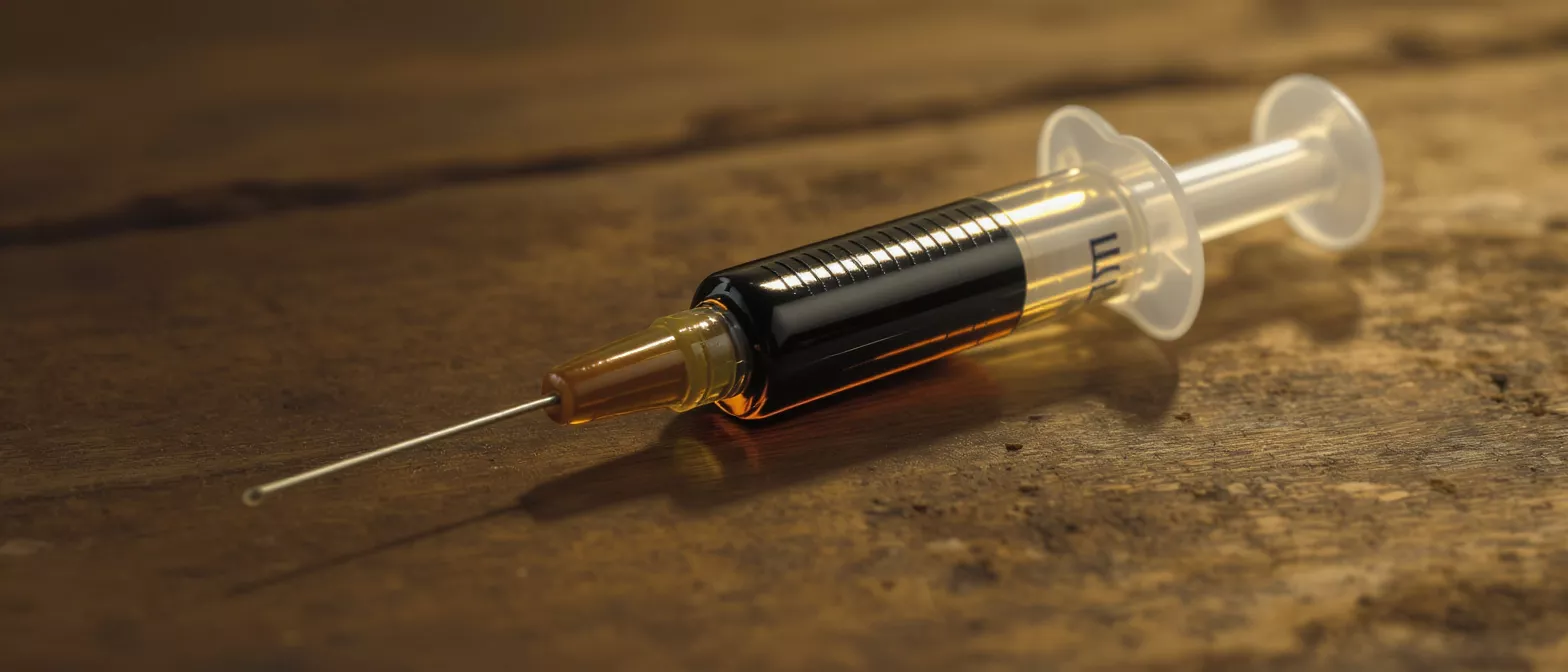
No discussion of tocopherol in cannabis is complete without addressing the EVALI episode — the outbreak of e-cigarette or vaping product use-associated lung injury that drew national attention. Investigations identified tocopheryl acetate as a substance of concern strongly associated with cases, primarily in illicit-market cartridges.
Why heating changes everything: Tocopheryl acetate is benign when swallowed or applied to skin, but when heated to vaporization temperatures it can behave very differently. Research suggested that thermal decomposition could produce compounds that interfere with normal lung function, transforming a harmless additive into a respiratory hazard. The chemistry of inhalation is fundamentally different from ingestion.
The regulated-market response: Licensed producers responded by removing tocopheryl acetate from vape formulations and tightening testing protocols. Today, legitimate vape products are screened for cutting agents, and the additive is widely prohibited in inhalable goods. This is a clear example of why purchasing from regulated sources matters for consumer safety.
Tocopherol and Edible Shelf Life
Where tocopherol genuinely shines is in cannabis edibles, oils, and tinctures meant to be consumed orally. In these applications it functions exactly as it does in the broader food industry — as a trusted, well-studied preservative that keeps products tasting fresh and performing consistently over time.
Cannabis-infused oils contain fats that naturally go rancid as they oxidize, and rancidity affects both flavor and the integrity of the active cannabinoids. By incorporating a small amount of tocopherol, manufacturers slow this decline considerably. The benefits for edible products include:
- 🛡️ Rancidity prevention: Protects the carrier oils and fats from developing off-flavors and unpleasant aromas.
- ⏳ Extended freshness: Lengthens the window during which a product retains peak quality and potency.
- 💪 Cannabinoid preservation: Helps shield cannabinoids like THC and CBD from oxidative breakdown.
- 🌱 Clean-label appeal: Offers a naturally derived alternative to synthetic preservatives consumers may wish to avoid.
Because the human body already processes vitamin E as an essential nutrient, oral tocopherol carries an exceptionally strong safety record. This makes it an ideal preservative for ingestible cannabis goods, where it does its job invisibly while contributing a modest nutritional bonus.
Tocopherol Benefits in Cannabis Extracts
Beyond simple preservation, tocopherol contributes several practical advantages to cannabis extracts that explain its enduring popularity among formulators. Its multifunctional nature lets it serve more than one purpose in a single formulation.
Stability across the supply chain: Cannabis products travel through warehouses, delivery vehicles, retail shelves, and home cupboards, encountering temperature swings and light exposure along the way. Tocopherol provides a buffer against these stresses, helping the product that reaches a consumer match the quality it had at production. This consistency is invaluable for brands building a reputation.
Synergy with natural compounds: Tocopherol works alongside the plant's own protective compounds. Many terpenes carry mild antioxidant properties, and adding tocopherol reinforces this natural defense system, creating a more resilient extract overall.
There is also a nutritional angle worth noting. Because tocopherol is vitamin E, its inclusion in an orally consumed product means a small but genuine contribution of an essential micronutrient. While no one should view a cannabis edible as a vitamin supplement, the presence of a beneficial nutrient rather than an inert chemical is a meaningful distinction for health-conscious consumers.
Is Tocopherol in Cannabis Safe?
Safety is the question that matters most, and the honest answer depends entirely on context — specifically, how the product is consumed. This nuance is the single most important thing to understand about tocopherol in cannabis.
Oral consumption: When ingested in edibles, tinctures, or capsules, tocopherol is considered very safe. It is a recognized dietary nutrient with a long history of use across the food and supplement industries, and regulatory bodies treat it as a well-established ingredient with generally recognized safe status.
Inhalation is the exception: The picture changes dramatically with vaping. Tocopheryl acetate in inhaled products is the additive associated with serious lung injury, which is why it has no place in legitimate vape cartridges. If you vape, choosing products from licensed producers that test for and exclude this additive is essential.
The practical takeaway is straightforward: read labels, buy from regulated sources, and understand that the route of administration determines the risk profile. A compound being safe to eat does not guarantee it is safe to inhale, and responsible manufacturers respect that distinction in their formulation choices.
Tocopherol Quality and Sourcing Considerations
For consumers and producers alike, the source and quality of tocopherol influence the final product. Not all antioxidant additives are equal, and discerning brands pay attention to where their ingredients come from and how they are produced.
Natural tocopherol extracted from non-GMO plant oils such as sunflower is generally preferred over synthetic versions, both for performance and for clean-label transparency. Sunflower-derived tocopherol in particular has become a favorite because it sidesteps common allergen concerns associated with soy. When evaluating cannabis products, several sourcing markers signal thoughtful formulation:
- 🌻 Plant source disclosure: Brands that name their tocopherol source demonstrate transparency about what goes into their products.
- 🔬 Third-party testing: Lab results confirming the absence of harmful cutting agents in inhalable goods.
- 📋 Form clarity: Labels specifying mixed tocopherols versus acetate forms, especially for vape products.
- ♻️ Non-GMO and natural: Preference for naturally derived d-form tocopherol over synthetic dl-form.
A brand that is forthcoming about its antioxidant sourcing usually applies the same rigor across its entire formulation. In a market where transparency varies widely, these details function as useful proxies for overall product quality and integrity.
Tocopherol and Cannabis Regulations
Regulatory frameworks around tocopherol in cannabis have tightened considerably in the wake of the vaping safety crisis, and understanding the current landscape helps consumers make informed choices. Regulations now distinguish sharply between ingestible and inhalable applications.
In regulated markets, inhalable products face strict scrutiny, and many jurisdictions explicitly prohibit tocopheryl acetate and similar cutting agents in vape cartridges. Mandatory testing requirements mean licensed products must demonstrate they are free of restricted additives before reaching shelves. For edibles and tinctures, tocopherol remains an accepted and common ingredient, consistent with its long-standing role in food preservation.
The contrast between regulated and unregulated markets could not be starker. Illicit-market products carry no such guarantees, and the substances most strongly linked to lung injury circulated almost exclusively through unregulated channels. Choosing licensed, tested products from a reputable dispensary is the most reliable way to ensure any tocopherol present is used appropriately and safely.
Tocopherol ultimately tells a larger story about cannabis formulation: an ingredient can be both genuinely useful and potentially problematic depending entirely on how it is applied. As a preservative in edibles and oils, it is a well-studied ally that protects quality and freshness. As a heated additive in vapes, it became a cautionary tale that reshaped industry standards. Understanding this distinction empowers you to read labels critically, appreciate the science behind your products, and trust the regulated supply chain that keeps these nuances in check.