


Vape pen
Discover everything about the vape pen — how it works, types, cartridges & safety.
What Is a Vape Pen and How Does It Work
A vape pen is a slim, portable device that heats cannabis oil, distillate, or dried flower to a temperature high enough to release active compounds as vapour, without ever reaching the point of combustion. Shaped roughly like a writing pen — hence the name — these devices have become one of the most popular ways to consume both recreational and therapeutic cannabis, prized for their discretion, convenience, and ease of use.
At its core, every vape pen relies on the same basic principle. A rechargeable battery sends power to a heating element, often called an atomizer or coil, which warms the cannabis material to a vapour-producing temperature. The user then draws on the mouthpiece, inhaling a smooth aerosol that carries cannabinoids and terpenes into the lungs. Because the material is heated rather than burned, no smoke, ash, or many of the byproducts associated with combustion are produced.
The appeal of vaporization over smoking: Vaping occurs at lower temperatures than smoking, which means fewer harsh compounds are created in the process. Many users find vapour gentler on the throat and lungs compared to inhaling smoke from a joint or pipe. The portable design also lets people dose discreetly, with far less odour and visual presence than traditional methods. For those exploring cannabis for the first time, the simplicity of a vape pen removes much of the intimidation that comes with rolling, grinding, or packing a bowl.
Types of Vape Pens for Cannabis and CBD
Not all vape pens are built the same way, and understanding the categories helps you match a device to your lifestyle. The market has expanded dramatically over the past decade, producing everything from single-use pens designed for travel to sophisticated devices with adjustable settings and replaceable parts.
Broadly, vape pens fall into a few distinct families based on what they are designed to vaporize and whether they are meant to be reused. The right choice depends on how often you vape, what kind of cannabis product you prefer, and how much control you want over the experience.
- 🔋 Oil and distillate pens: Designed to work with cartridges filled with concentrated cannabis oil. These are the most common consumer pens and the easiest to operate.
- 🌿 Dry herb vaporizers: Built to heat ground flower directly, preserving the full spectrum of the plant without combustion. These tend to be bulkier than oil pens.
- 💧 Wax and concentrate pens: Equipped with specialized coils or chambers to vaporize thicker concentrates like shatter, budder, or rosin.
- 🚀 All-in-one devices: Combine battery, tank, and mouthpiece into a single unit, often refillable and rechargeable for longer-term use.
CBD-specific pens vs THC pens: While the hardware is often interchangeable, many manufacturers market dedicated CBD pens for users seeking the therapeutic benefits of cannabis without the intoxicating effects of THC. The internal mechanics remain the same — the difference lies entirely in the oil loaded into the cartridge.
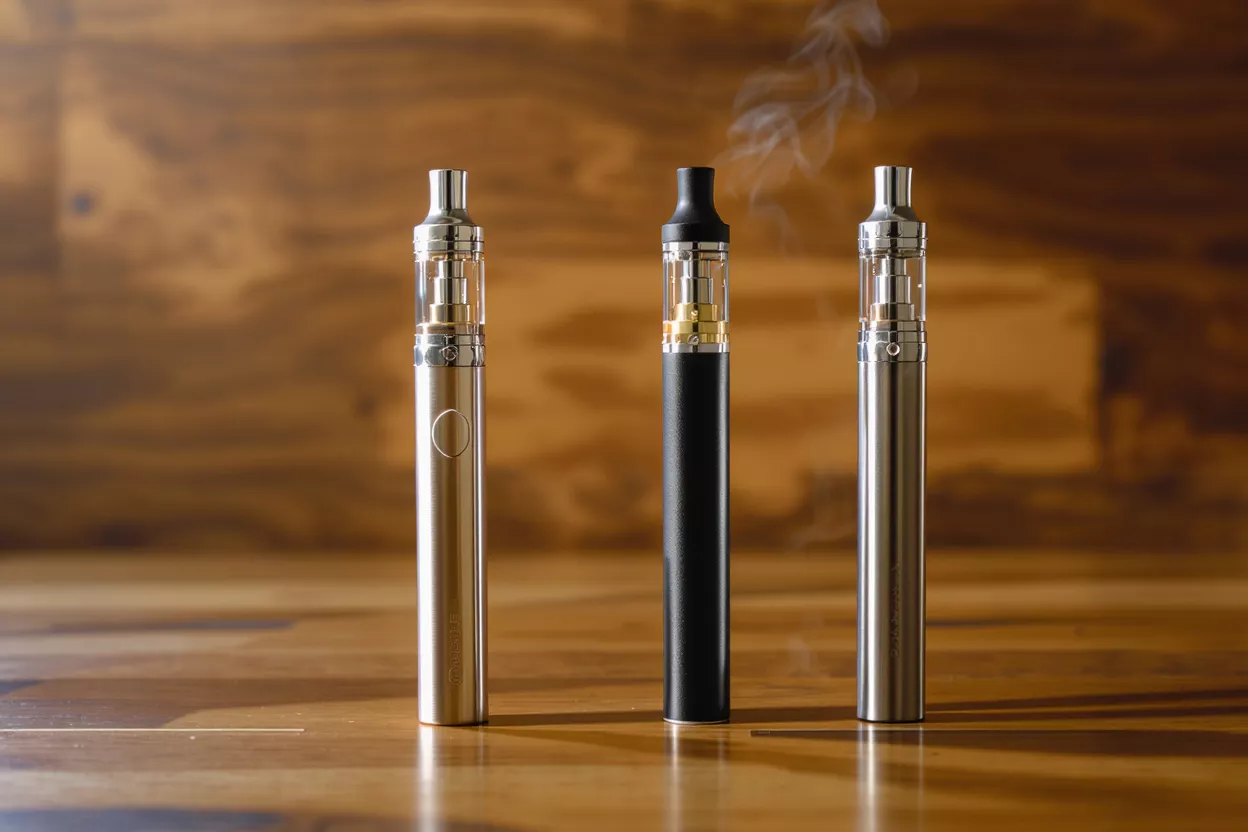
Disposable vs Refillable Vape Pen: Which Is Right for You
One of the first decisions a new user faces is whether to choose a disposable vape pen or invest in a refillable system. Each approach carries its own trade-offs in cost, convenience, and environmental impact, and neither is universally better — it comes down to how you intend to use it.
Disposable vape pens arrive pre-filled and pre-charged, ready to use straight out of the package. When the oil runs out, the entire unit is set aside. They appeal to occasional users, travellers, and anyone who values simplicity over long-term savings. There are no cartridges to swap, no batteries to charge, and no maintenance to worry about.
Refillable and reusable devices, by contrast, are built around a rechargeable battery and either replaceable cartridges or a refillable tank. The upfront cost is higher, but over months of regular use these devices typically prove more economical and produce less waste. They also tend to offer more features, such as adjustable voltage and superior build quality.
- 💰 Cost over time: Disposables cost less upfront but more per use; refillables save money for frequent users.
- ♻️ Environmental footprint: Reusable devices generate far less electronic and packaging waste.
- 🎚️ Control and customization: Refillable pens often allow temperature and airflow adjustments.
- ✈️ Convenience: Disposables shine for travel, special occasions, or trying a new strain without commitment.
Understanding Vape Pen Cartridges and Oils
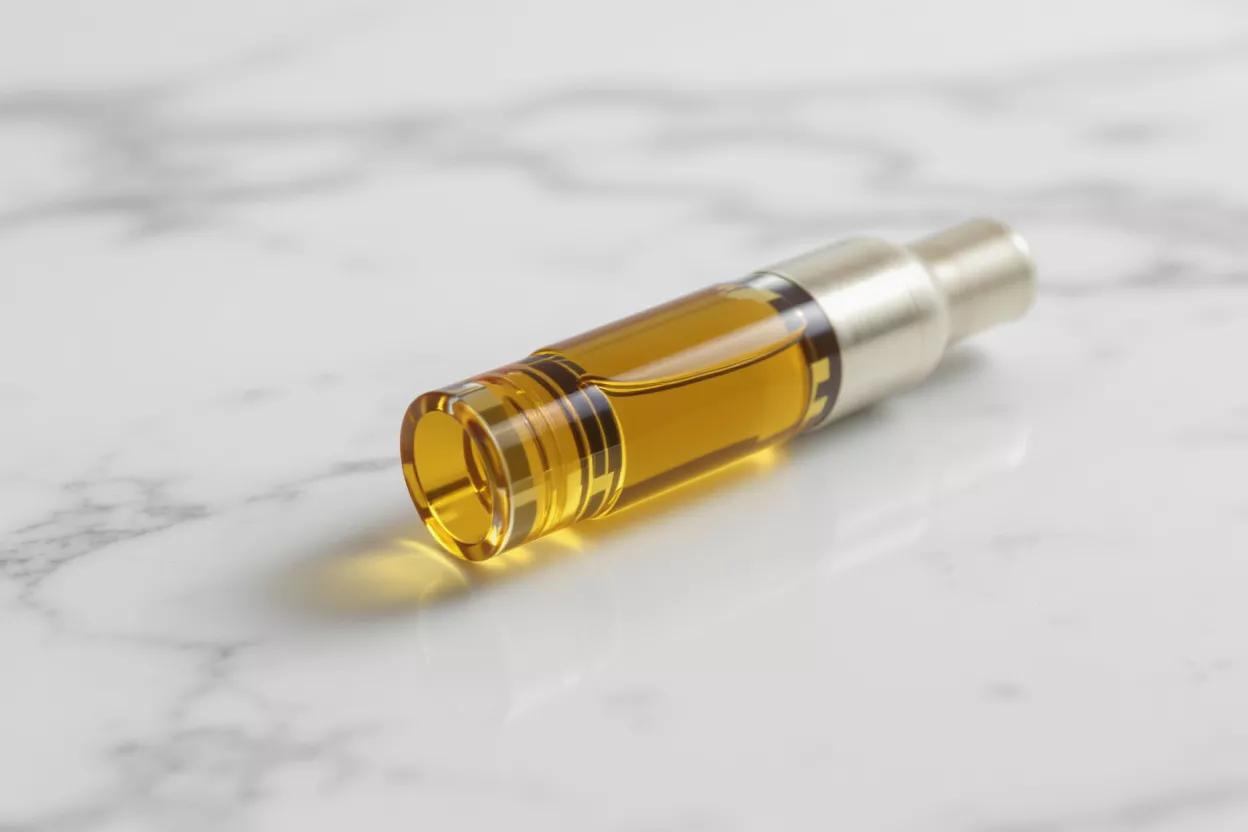
The cartridge is where the magic happens. This small, often glass component holds the cannabis oil and contains the heating coil that turns liquid into vapour. Most modern cartridges use a standardized 510-thread connection, meaning they screw onto a wide variety of compatible batteries — a convenience that has made the 510 cart something of an industry default.
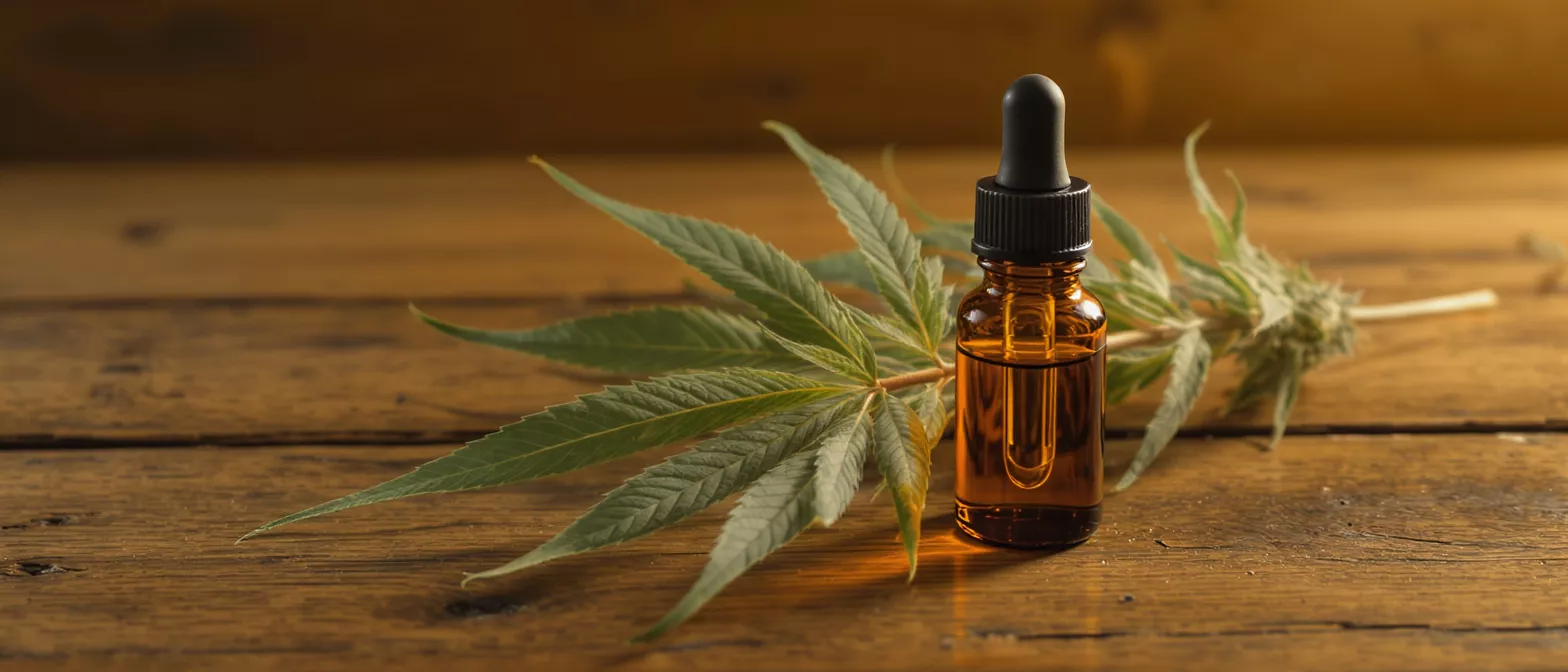
What goes inside a cartridge: Cannabis oil cartridges typically contain distillate, a highly refined extract that can exceed 90% cannabinoid content, sometimes blended with reintroduced terpenes for flavour and effect. Some premium cartridges use live resin or rosin, which preserve a fuller terpene profile harvested from fresh or freshly frozen plant material. The quality of the oil matters enormously: clean, lab-tested extracts free of cutting agents deliver a better and safer experience.
Reading a cartridge label is a skill worth developing. Look for the cannabinoid breakdown, the terpene content, the extraction method, and crucially, third-party lab testing results. Reputable producers make this information transparent, allowing you to verify potency and confirm the absence of contaminants, residual solvents, or unwanted additives.
How to Use a Vape Pen for the First Time
Using a vape pen for the first time is refreshingly simple, but a few pointers will help you get the most from the experience and avoid common beginner mistakes. The exact steps vary slightly between disposable and refillable models, though the fundamentals are consistent across the board.
Getting started step by step: If you have a refillable device, begin by fully charging the battery and attaching a filled cartridge. Many pens activate automatically when you inhale, while others require you to press a button while drawing. Start with a short, gentle puff of two to three seconds rather than a deep, lung-filling pull. Wait several minutes to gauge the effect before taking more, since cannabis vapour can take time to register fully.
Patience is the golden rule for newcomers. Unlike edibles, the onset from vaping is relatively quick — often within minutes — but the temptation to keep puffing before the effects arrive leads many beginners to overdo it. Start low, go slow, and let your body tell you when you have had enough. This measured approach makes the difference between a pleasant introduction and an overwhelming one.
Why Vape Pen Temperature Settings Matter
Temperature is one of the most underappreciated variables in the vaping experience. Different cannabinoids and terpenes vaporize at different temperatures, which means the heat setting you choose directly shapes both the flavour and the effects you feel.
Low versus high temperatures: At lower temperatures, roughly 160 to 180 degrees Celsius, vapour is cooler, smoother, and richer in flavour, since delicate terpenes vaporize before they degrade. The effects tend to feel clearer and more functional. At higher temperatures, approaching 200 degrees and above, you extract more cannabinoids per puff and produce thicker clouds, but at the cost of harsher vapour and some terpene loss.
Many fixed-voltage disposable pens are calibrated to a moderate middle ground that works well for most oils. Variable-temperature devices, however, let you fine-tune the experience to your preference and to the specific extract you are using. Experimenting within the recommended range is the best way to discover what suits your palate and desired effect.
Vape Pen Maintenance and Cleaning Tips
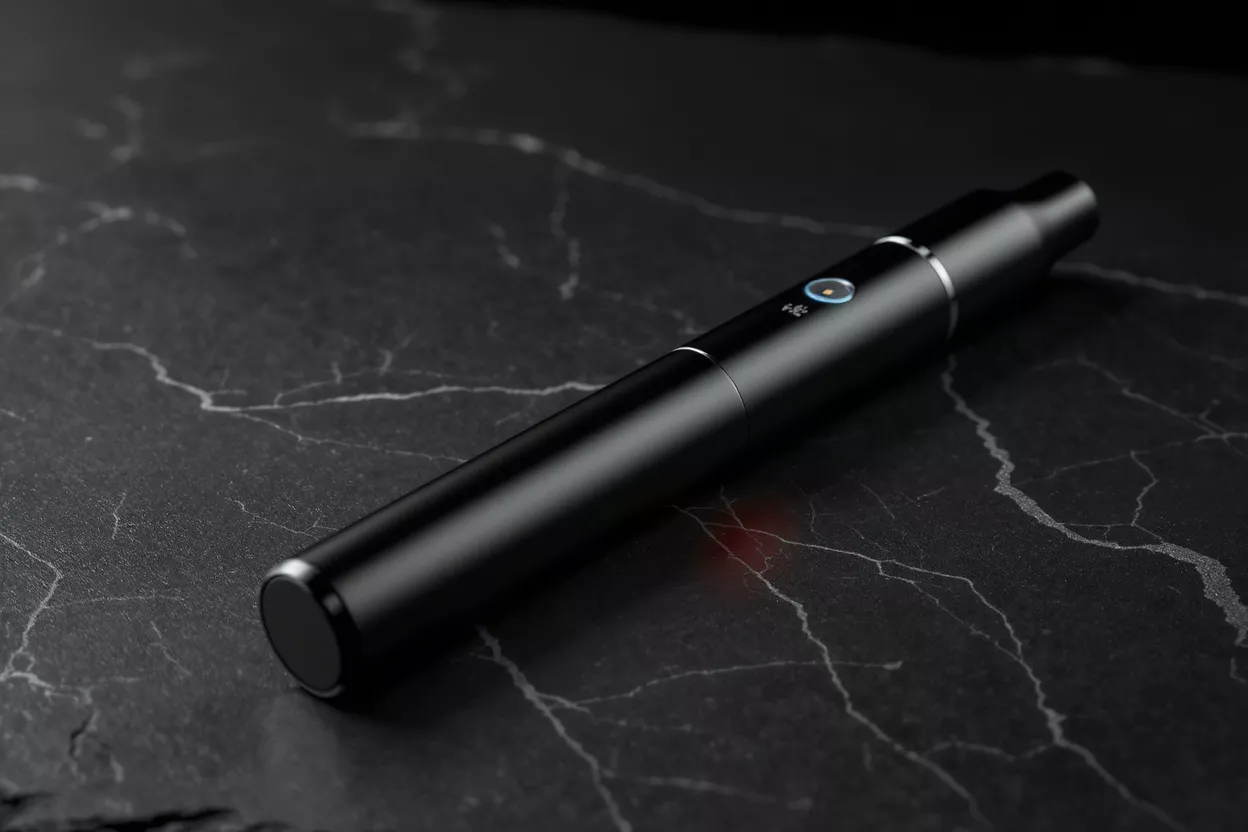
A little maintenance goes a long way toward keeping a vape pen performing at its best. Residue buildup, clogged airways, and a depleted battery are the most common culprits behind disappointing performance, and nearly all of them are preventable with simple care.
For refillable devices, the mouthpiece and connection threads benefit from occasional cleaning with a cotton swab lightly dampened with isopropyl alcohol. This clears away sticky oil residue that can restrict airflow or interfere with the electrical connection. Always let components dry fully before reassembling and using the device again.
- 🧼 Clean the mouthpiece: Wipe down regularly to prevent clogs and preserve flavour.
- 🔌 Mind the battery: Avoid overcharging and store with a partial charge for longevity.
- 🌡️ Store properly: Keep cartridges upright in a cool, dark place to prevent leaks and oil degradation.
- 🔧 Check the connection: Loose or dirty threads are a frequent cause of a pen that won't fire.
Storage matters as much as cleaning. Heat and sunlight degrade cannabis oil over time, dulling both potency and flavour, so a cool, dark drawer is the ideal home for your cartridges and pen between sessions.
Are Vape Pens Safe to Use
Safety is a reasonable concern for anyone considering a vape pen, and the honest answer is that it depends heavily on what you put inside it and where it comes from. The hardware itself is generally reliable when purchased from reputable manufacturers, but the contents of the cartridge are where attention is most warranted.
The importance of regulated products: The widely reported vaping illness outbreak of 2019 was traced largely to illicit-market cartridges cut with vitamin E acetate, a thickening agent that proved hazardous when inhaled. Products sold through legal, regulated channels are subject to testing standards that prohibit such additives. Buying from licensed sources and verifying lab results is the single most effective way to protect yourself.
Beyond the contents, sensible habits reduce risk. Use the charger designed for your device, avoid leaving batteries in extreme heat, and inspect cartridges for leaks or cloudiness before use. As with any form of cannabis consumption, moderation and self-awareness remain important, particularly for those new to THC or sensitive to its effects.
Choosing the Best Vape Pen for Your Needs
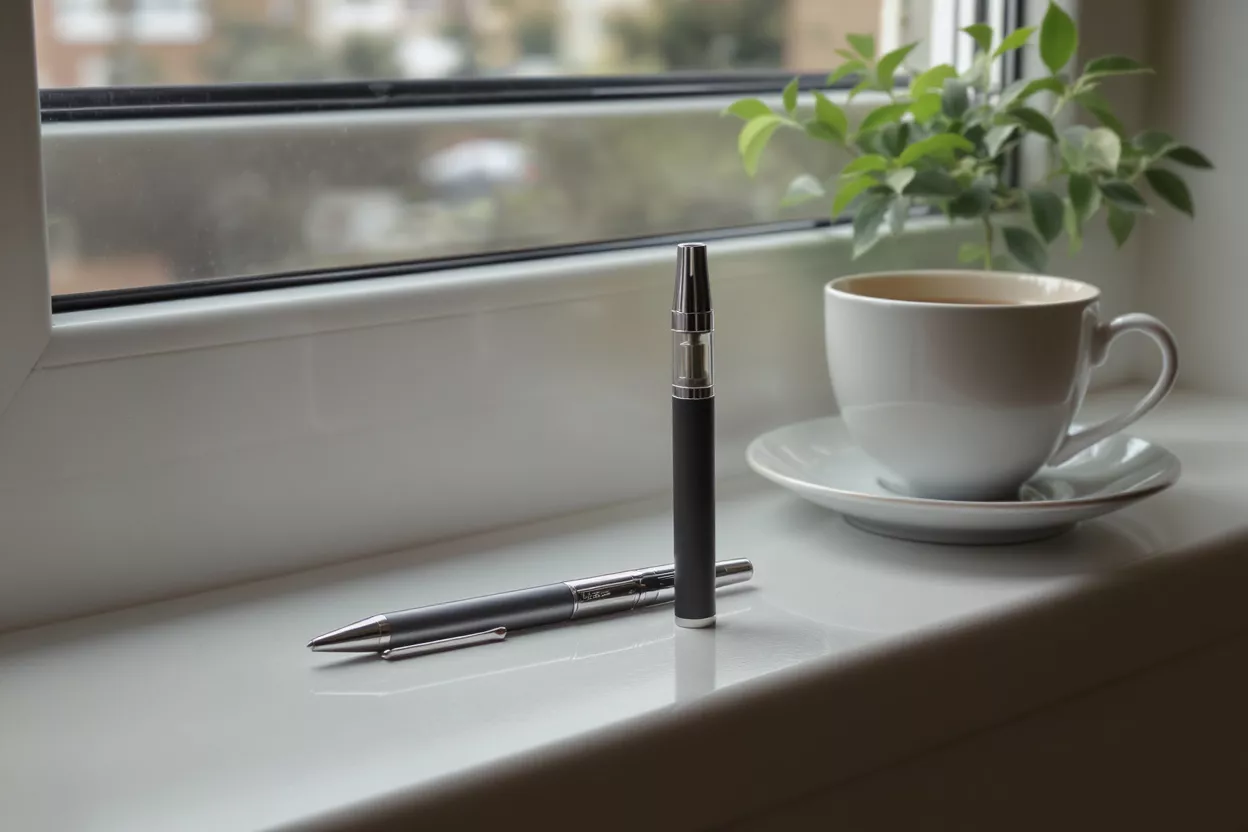
With so many options on the market, selecting the right vape pen can feel overwhelming. The good news is that narrowing the field comes down to a handful of practical questions about how, where, and how often you intend to use it.
Match the device to your habits: Occasional users and travellers are often best served by a quality disposable or a simple all-in-one device that requires no fuss. Frequent or daily users tend to benefit from a refillable system with a sturdy rechargeable battery and variable temperature control, which pays for itself over time and offers a more tailored experience. Concentrate enthusiasts will want a pen built specifically for wax or rosin rather than a standard oil cartridge battery.
Build quality, battery life, and brand reputation are worth weighing before you buy. A slightly more expensive device from a trusted maker often outperforms and outlasts a bargain alternative, sparing you the frustration of leaks, weak vapour, or a battery that fades within weeks. Reading reviews and checking that replacement parts are easy to source can save considerable hassle down the line.
Common Vape Pen Questions Answered
Even after understanding the basics, new and experienced users alike tend to circle back to a few recurring questions. Addressing them directly clears up the most common points of confusion around owning and using a vape pen.
How long does a vape pen last? The answer depends on the type. A disposable typically delivers a set number of puffs corresponding to its oil capacity, often a few hundred draws. A refillable battery, meanwhile, can last for years with proper care, while individual cartridges last as long as the oil inside them. Battery life between charges varies by model and usage but generally covers a full day of moderate use.
Why isn't my vape pen working? The usual suspects are a dead battery, a dirty or loose connection, or a clogged cartridge. Recharging the battery, cleaning the threads, and gently warming a thickened cartridge in your hand resolve the majority of issues. If a pen still refuses to fire, the heating coil may have failed, which is common at the end of a cartridge's life.
From understanding how a vape pen vaporizes cannabis without combustion to choosing between disposable and refillable designs, the world of portable vaping rewards a little knowledge. The key takeaways are simple: buy from regulated sources, mind your temperature, maintain your device, and start low and slow if you are new. With those principles in hand, a vape pen offers one of the most convenient, discreet, and customizable ways to enjoy cannabis available today.

Comments