Cannabis Campbell River
Explore cannabis Campbell River with a full menu of flower, edibles, vapes & more.
Searching for a dispensary near me in Campbell River opens the door to a surprisingly deep world of cannabis products, from sun-grown flower to precision-dosed edibles. Whether you are a curious newcomer or a seasoned consumer who likes to wake and bake on a slow morning, knowing what is available and how to navigate it makes all the difference. This guide walks through everything you need to shop with confidence on Vancouver Island's east coast.
Campbell River sits at the gateway to the north island, and its cannabis scene has matured rapidly since legalization. The convenience of browsing a full menu, comparing options, and arranging pickup or delivery has transformed how people access cannabis. Below, we break down the products, the process, and the practical know-how that helps you make smart choices every time you shop.
What Is a Dispensary Near Me in Campbell River
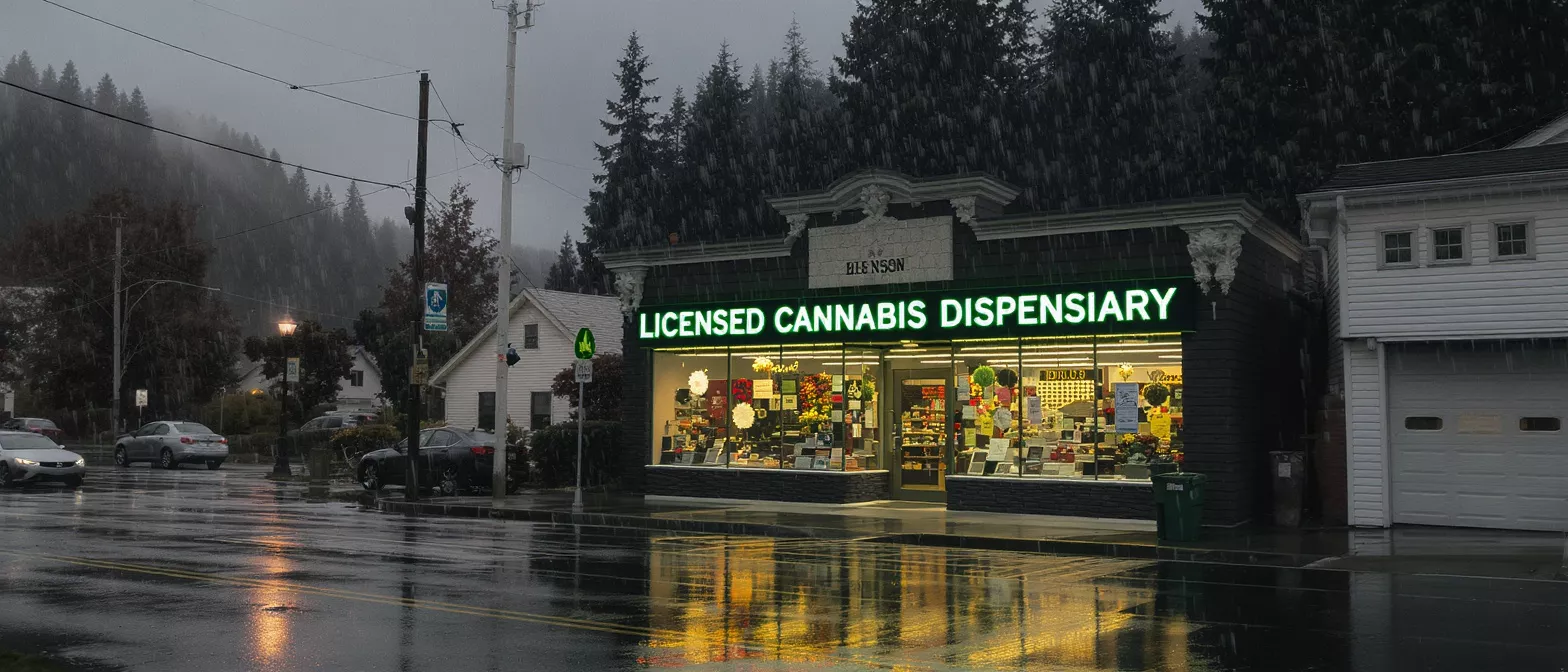
A modern cannabis retailer is more than a storefront. When you look up a dispensary near me in Campbell River, you are tapping into a regulated network of licensed retailers and online platforms that carry tested, compliant products. These outlets stock everything from dried flower and pre-rolls to vape cartridges, tinctures, and topicals. The emphasis is on transparency: lab results, cannabinoid percentages, and terpene profiles are typically available so you know exactly what you are getting.
Local access reflects regional demand. Campbell River's population skews toward outdoor enthusiasts, retirees, and working professionals, which shapes the inventory. You will find products geared toward relaxation, sleep, and gentle daytime function alongside higher-potency options for experienced users. Many shoppers appreciate being able to grab a balanced 1:1 CBD tincture for daytime calm without the heavy intoxication of high-THC products.
The phrase "dispensary near me" has become shorthand for convenience and trust. According to industry analysts at Analytical Cannabis, regulated retail has dramatically improved product safety and consumer confidence compared to the unregulated market. That means consistent dosing, contaminant testing, and accurate labelling are now the baseline expectation rather than a luxury.
How Online Cannabis Ordering Works in Campbell River
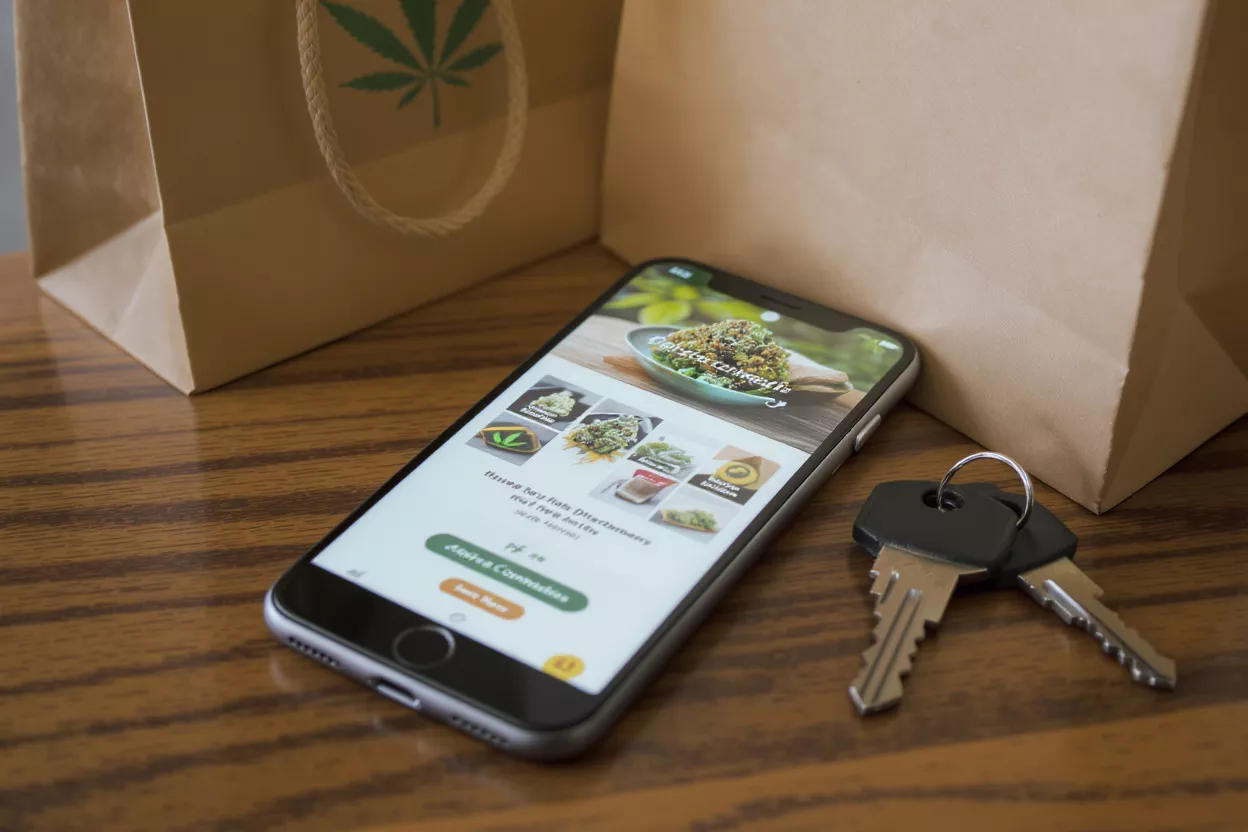
Ordering online is straightforward once you understand the flow. You browse a digital menu, filter by category or effect, add items to a cart, verify your age, and complete checkout. Most platforms confirm you are of legal age both at order placement and again at delivery or pickup. The whole process can take just a few minutes, and saved preferences make repeat orders even faster.
Delivery windows and pickup options vary by retailer. Some offer same-day service within Campbell River, while others operate on next-day schedules. Many shoppers who enjoy a relaxed evening ritual order ahead so their preferred products are ready when they want to settle in for a spliff or a quiet 420 session.
Payment and privacy are handled discreetly. Reputable platforms encrypt your information and ship in plain, odour-proof packaging. Your purchase history stays confidential, and customer support teams can answer questions about products, dosing, or order status. This combination of ease and discretion is a big reason online cannabis shopping has grown so quickly across the island.
Types of Cannabis Products You Can Find
The variety available at a Campbell River dispensary can feel overwhelming at first, but products fall into a handful of clear categories. Understanding these helps you match a format to your lifestyle, tolerance, and the experience you are after.
Here is a quick overview of the main product types you will encounter:
- 🌿 Dried flower: Classic buds for smoking or vaporizing, available in indica, sativa, and hybrid varieties.
- 💧 Concentrates: Potent extracts like shatter, rosin, and live resin for experienced users.
- 🍬 Edibles: Gummies, chocolates, and beverages with precise, predictable dosing.
- 🧴 Topicals: Creams and balms for localized relief without intoxication.
- 💨 Vapes: Cartridges and disposables compatible with 510 thread batteries.
Each category serves a different purpose. Someone seeking quick onset might reach for flower or a vape, while a person wanting long-lasting, controllable effects often prefers edibles. The breadth of choice is one of the biggest advantages of shopping a well-stocked menu.
Flower Strains and What They Offer
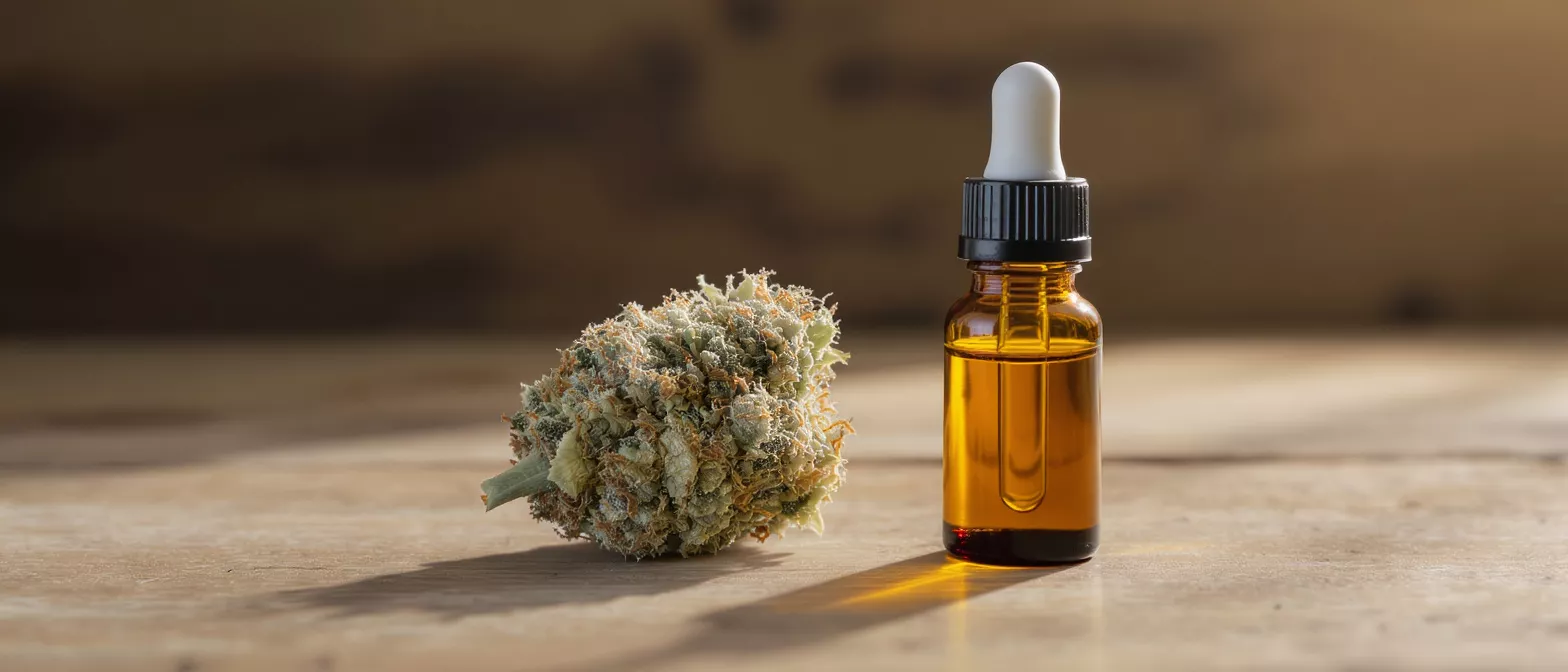
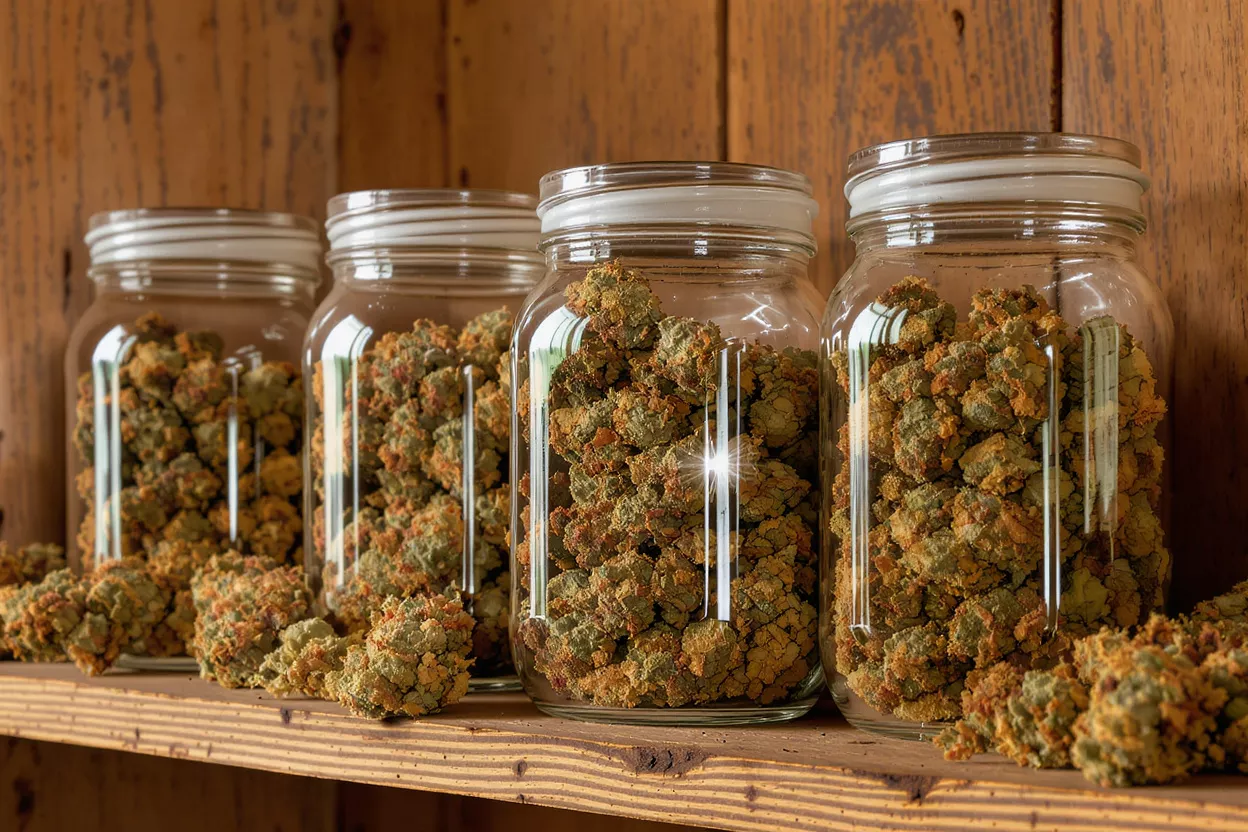
Flower remains the heart of cannabis culture. Dried bud delivers the full plant experience, complete with the aromas and flavours produced by terpenes. Strains high in valencene carry bright citrus notes, while others lean earthy, piney, or sweet. The visible structure of the bud, including the stamen and trichome coverage, often signals quality and freshness to discerning buyers.
Strains are commonly sorted into indica, sativa, and hybrid categories, though the real story lies in their cannabinoid and terpene chemistry. Potent, trendy cultivars sometimes labelled zaza command premium prices, but a moderate hybrid can offer a more balanced, approachable high. A well-cured hybrid flower is a smart starting point for anyone exploring the range.
Proper storage protects your investment. Keep flower in airtight containers away from light and heat to preserve potency and aroma. Some products undergo winterization during extraction to remove fats and waxes, but for raw flower, simple climate control is what keeps your buds fresh and flavourful over time.
Concentrates and Extracts Explained
Concentrates pack the plant's compounds into a potent form. Products like a thc shatter bar, wax, budder, and live resin can reach cannabinoid levels far above flower. These are best suited to experienced consumers who understand their tolerance. The category nods to 710 culture, the dab-focused counterpart to 420, celebrated by enthusiasts who appreciate full-flavour extracts.
Extraction methods matter enormously. Alcohol extraction and hydrocarbon processing each yield different textures and flavour profiles, and quality producers test rigorously for residual solvents. Winterization further refines many extracts, stripping unwanted lipids to produce a cleaner, more stable end product.
Here are the main concentrate types and what sets them apart:
- 🔥 Shatter: Glass-like and brittle, prized for purity and easy handling.
- 🌬️ Live resin: Flash-frozen fresh plant material for vivid terpene preservation.
- 🧈 Budder: Whipped, creamy texture that is easy to dose.
- 💎 Rosin: Solventless extract made with heat and pressure.
Edibles and Topicals for Every Lifestyle
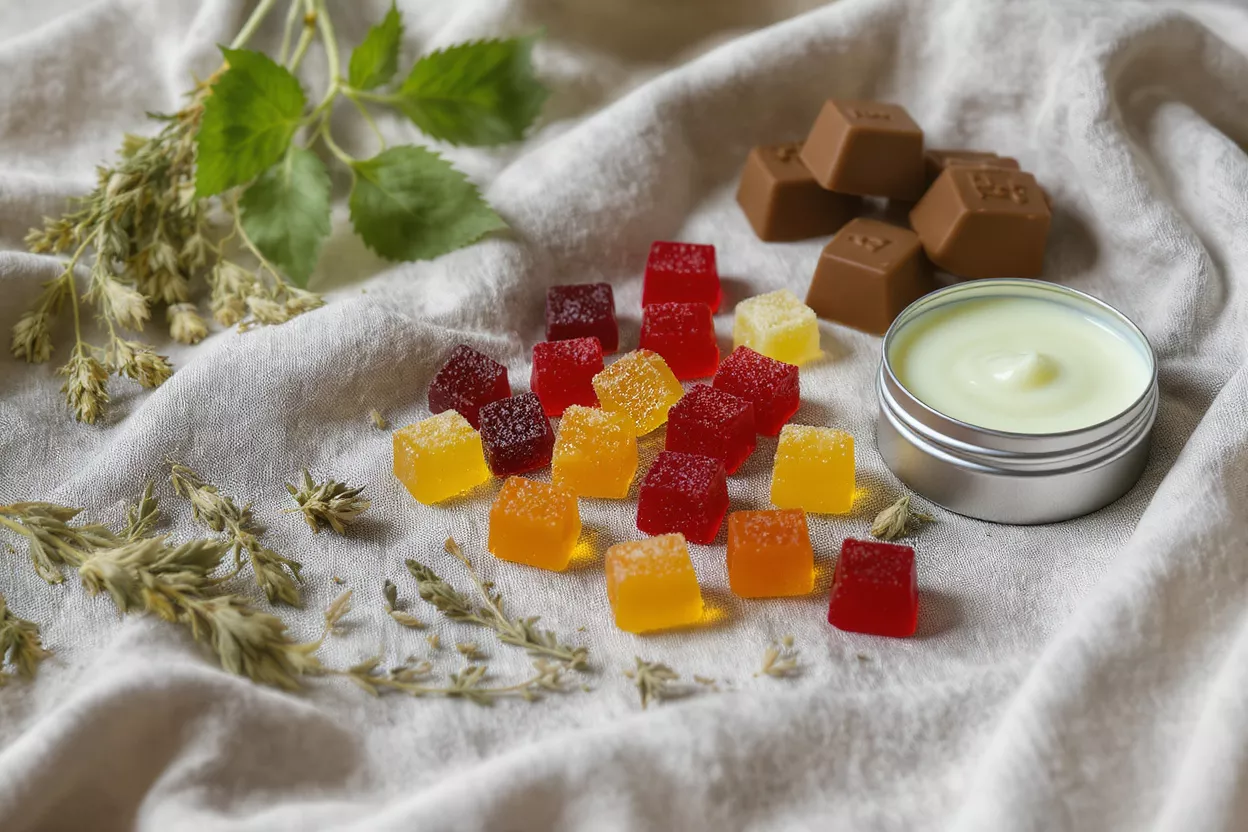
Edibles offer discretion and precision. Gummies, chocolates, and infused beverages deliver consistent doses without smoke or vapour, making them ideal for people who prefer not to inhale. Many edibles use xanthan gum as a stabilizer to keep cannabinoids evenly distributed, ensuring each piece carries the dose stated on the label. Onset is slower, typically thirty minutes to two hours, so patience is key.
Topicals address a different need entirely. Creams, balms, and salves are absorbed through the skin to target localized discomfort, and because they do not enter the bloodstream in significant amounts, they produce no intoxication. The growing topical 2025 wellness trend has expanded this category with formulations enriched by botanical ingredients and pleasant scents.
For newcomers, edibles and topicals provide an approachable entry point. A low-dose gummy or a soothing cooling muscle balm lets you explore cannabis benefits gently. Start low, go slow, and give products time to work before increasing your dose.
Vaping Hardware and Accessories
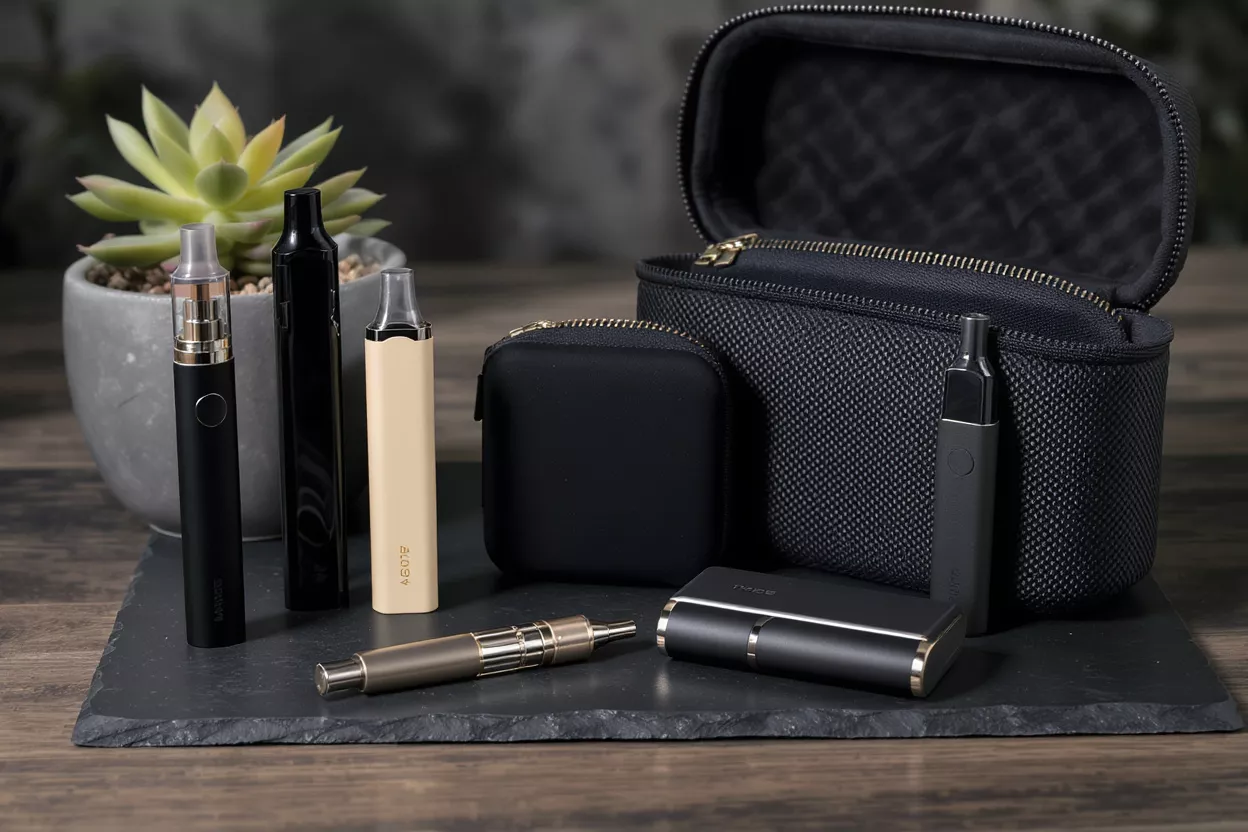
Vaping hardware bridges convenience and flavour. The ubiquitous 510 thread connection means most cartridges fit a wide range of batteries, giving you flexibility in your setup. Adapters extend compatibility further, letting you pair different cartridges and devices. For those who dab, a quality rig with the right perc design transforms the experience entirely.
Percolators filter and cool vapour or smoke for smoother draws. You will see references to a Swiss perc, tree perc, and waffle perc, each engineered to maximize diffusion in its own way. The choice comes down to personal preference for drag, cooling, and ease of cleaning.
Maintenance keeps your gear performing. Regularly clean cartridges, batteries, and glass to preserve flavour and function. A well-maintained setup not only tastes better but also lasts longer, protecting your investment in quality accessories over the long run.
Daily Deals and How to Save on Cannabis
Smart shopping starts with timing. Many retailers rotate daily deals, ounce specials, and bundle pricing that can significantly cut your cost per gram. Signing up for newsletters or loyalty programs often unlocks early access to promotions and exclusive discounts not advertised publicly.
Buying in larger quantities usually lowers your unit price, but only commit to bulk once you know a product suits you. Sampling smaller amounts first prevents waste and helps you build a curated stash of favourites you will actually use.
Watch for these common savings opportunities:
- 💰 Ounce deals: Bulk flower pricing for regular consumers.
- 🎁 Bundle offers: Pairing complementary products at a discount.
- ⭐ Loyalty rewards: Points that accumulate toward future purchases.
- 📅 Weekday specials: Recurring discounts tied to specific days.
Are Cannabis Dispensaries Safe and Legal
Legal cannabis retail in British Columbia operates under strict provincial and federal regulation. Every product sold through a licensed channel undergoes testing for potency, pesticides, and contaminants, giving you assurance that what is on the label matches what is in the package. This oversight is the core difference between regulated retail and the unregulated market.
Age verification protects both consumers and retailers. You must be of legal age to purchase, and platforms confirm this at multiple points in the transaction. Responsible retailers also provide clear dosing guidance and educational resources to help you consume safely.
Trust your senses and the paperwork. Quality flower should look, smell, and feel fresh, and lab reports should be readily available. If something seems off, ask questions. A reputable dispensary welcomes scrutiny because transparency is central to building lasting customer relationships.
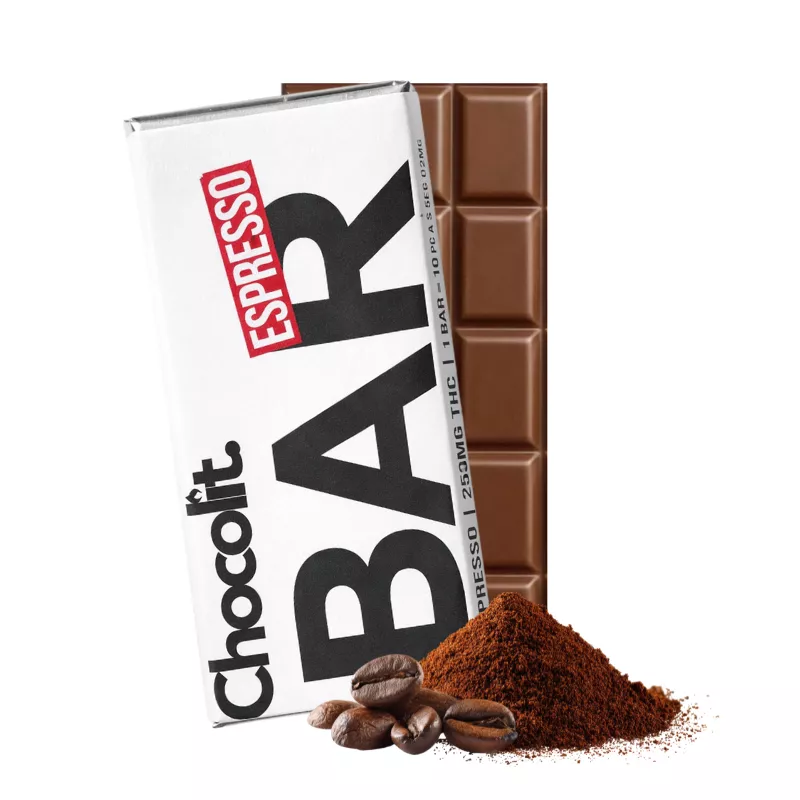

Espresso THC Milk Chocolate 250mg / 15pcs – Chocolit
Coffee flavour, cannabis lift, zero caffeine. Chocolit's Espresso THC milk chocolate bar carries 250mg of hybrid THC across 15 scored squares — rich espresso taste without the jitters. Balanced and creative-leaning, it's the after-dinner square for a mellow, flavourful evening. Smooth onset, consistent dosing, all the coffee-shop comfort and none of the caffeine.
- Creative Enhancement : The hybrid profile stimulates imagination and artistic thinking while maintaining mental clarity
- Pain Management : THC's analgesic properties provide relief from chronic discomfort and muscle tension
- Sleep Preparation : Caffeine-free formulation makes this ideal for evening use without disrupting sleep cycles
- Anxiety Reduction : Gentle onset and balanced effects help calm racing thoughts and physical restlessness
- Digestive Comfort : Natural appetite stimulation combined with milk chocolate's soothing qualities
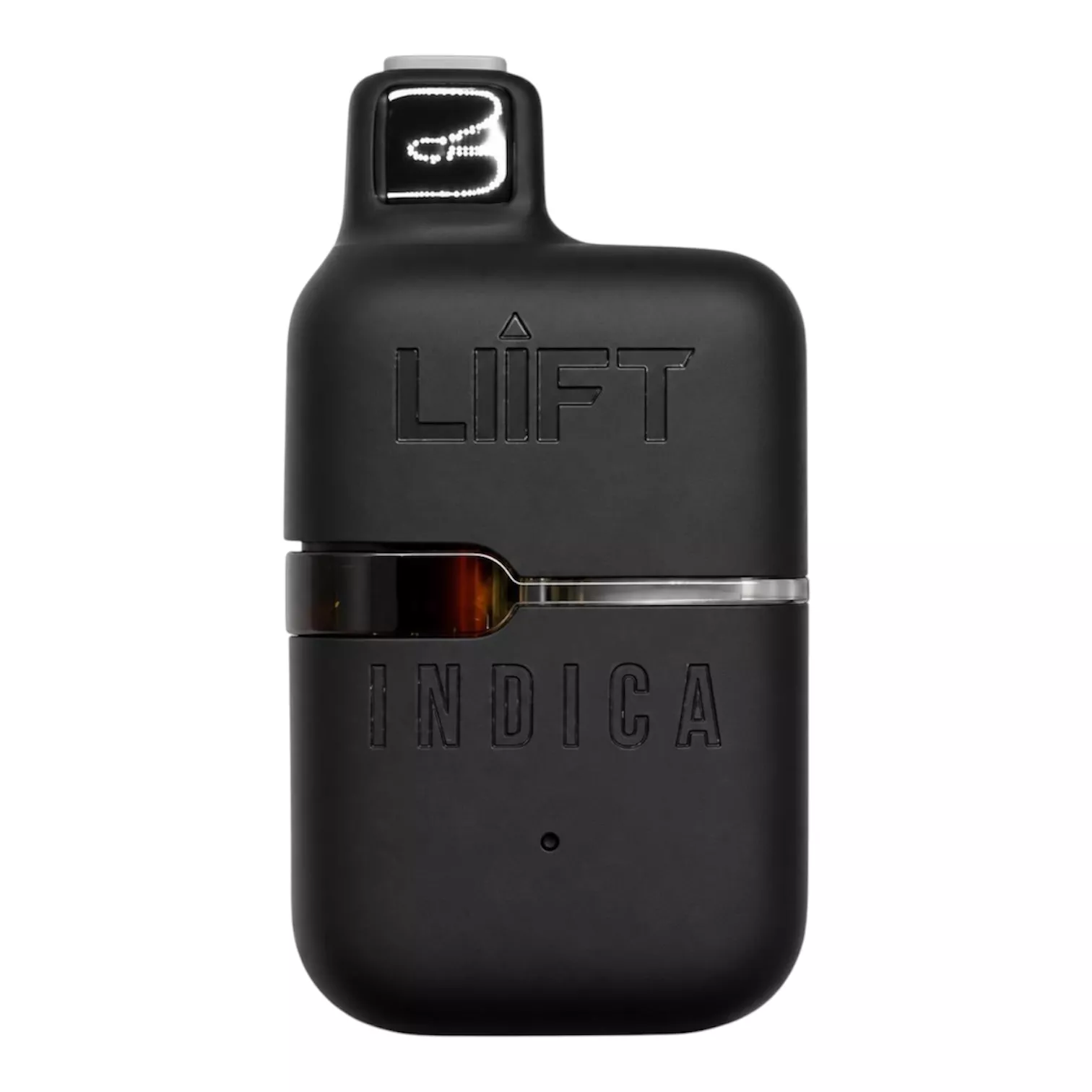
Indica Raspberry Thc Vape Pen 1g – Liift
Liift's Indica Raspberry pen reimagines the evening wind-down as a single, effortless draw. One full gram of premium indica THC oil sits in a sleek, button-free bar — no settings, no learning curve, just inhale and let the day loosen its grip. The raspberry note is bright and natural, carried by cannabis-derived terpenes rather than added sweeteners, and the indica lineage leans toward calm and stillness. It's built for the hours after the work is done: dim the lights, find the couch, and let a couple of slow draws carry you toward rest.
- Button-free draw — just inhale, no settings or guesswork
- A full gram of premium indica THC oil for a long-lasting pen
- Raspberry flavour from cannabis-derived terpenes, not added sugar
- Indica profile leans toward calm, easy evenings
- Type-C rechargeable bar in a slim, pocket-ready format
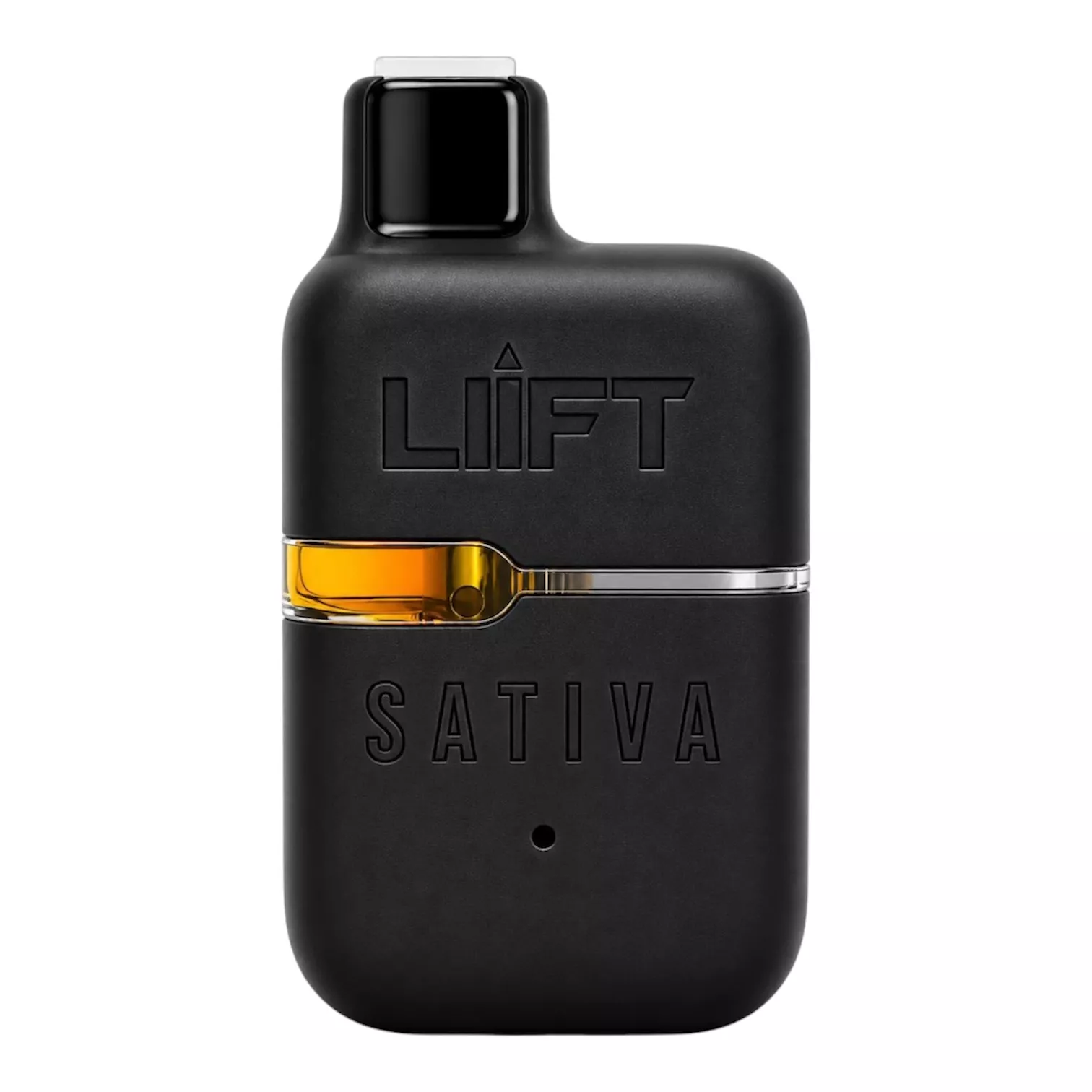
Sativa Mango Thc Vape Pen 1g – Liift
Brighten your day in a single draw. LIIFT's Sativa Mango pen holds a full gram of premium sativa THC oil in a sleek, button-free bar — just inhale and the tropical mango lift kicks in fast. Heady, social, and creatively loose, it's the daytime go-to, with Type-C recharging so you finish every last drop. No buttons, no waste, no fuss.
- Effortless Activation : The button-free draw means a perfect hit every time with zero learning curve
- Uplifting Energy : Sativa effects spark the mind toward focus during any daytime session
- Social Spark : Buzzy, head-forward character keeps conversation flowing at gatherings
- Creative Flow : Bright oil helps loosen ideas and boost everyday inspiration
- Zero Waste Charging : Type-C recharging lets you finish the entire gram of oil
Tips for First-Time Cannabis Buyers
Start with your goals, not the strongest product. Decide whether you want relaxation, focus, sleep support, or social ease, then choose a format and potency that fits. Beginners often do best with low-dose edibles or mild flower, building up gradually as they learn how their body responds. Compounds called agonists bind to your body's cannabinoid receptors, and starting low lets you gauge that interaction safely.
Ask staff or support teams for guidance. They can explain terpene profiles, recommend products for specific effects, and clarify confusing terminology, from xanthophyll pigments in plant chemistry to the practical difference between aeroponics and soil cultivation methods. There is no such thing as a silly question when you are learning.
Keep a simple journal of what you try and how it affects you. Note the strain, dose, format, and outcome so you can refine future purchases. Over time this record becomes a personal roadmap to the products and experiences you enjoy most, making every trip to a dispensary near me in Campbell River more rewarding.
Shopping for cannabis in Campbell River has never been easier or more reliable. With a deep menu of flower, concentrates, edibles, topicals, and accessories, plus the convenience of online ordering and regular deals, there is something for every preference and experience level. Approach your purchases informed, start with modest doses, and lean on the transparency that regulated retail provides. Whether you are restocking favourites or exploring something new, a thoughtful approach turns each visit into a genuinely satisfying experience.