

Indica
Explore Indica cannabis from botanical roots to modern science.
Indica Cannabis
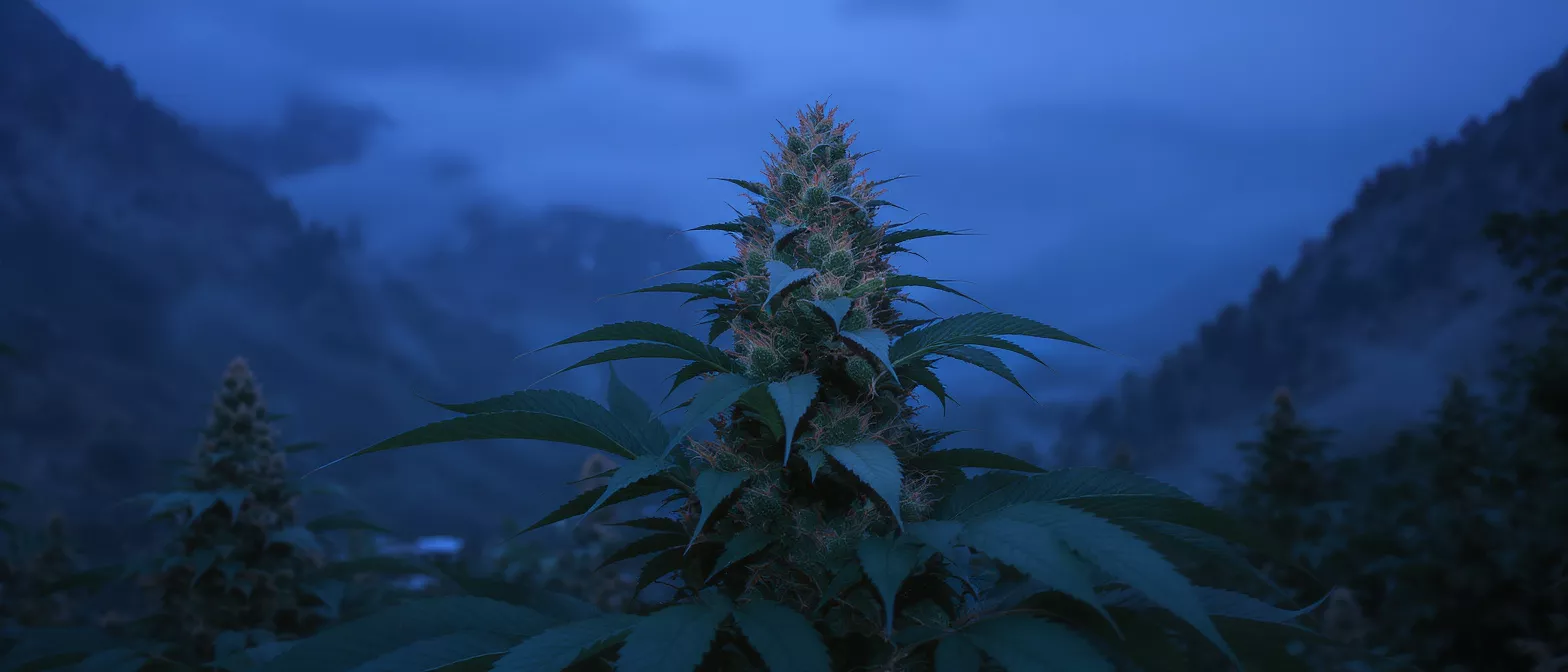
Cannabis indica represents one of the primary taxonomic classifications within the cannabis genus, traditionally associated with short, bushy plants producing sedating, body-focused effects that have shaped consumer expectations and industry breeding programs for decades. Originally described by French naturalist Jean-Baptiste Lamarck in 1785, who distinguished it from Cannabis sativa based on specimens from India, the indica designation encompasses varieties adapted to mountainous regions of Afghanistan, Pakistan, India, and surrounding areas. These plants evolved distinct characteristics suited to harsh, high-altitude environments with short growing seasons, including compact stature, broad leaves, dense flower structure, and rapid maturation cycles that made them valuable for cultivation in challenging climates.
The popular understanding of indica effects as producing "couch-lock," deep relaxation, and body-centered sensations has profoundly influenced cannabis marketing and consumer choice, though modern science reveals this binary classification oversimplifies the complex interplay of cannabinoids, terpenes, and individual biochemistry. Traditional indica varieties often feature terpene profiles rich in myrcene, linalool, and beta-caryophyllene, which may contribute to sedating effects, while their typically higher CBD ratios compared to sativa varieties could modulate THC's psychoactive properties. However, decades of hybridization have blurred genetic lines to the point where visual appearance poorly predicts effects, leading many researchers to advocate for chemotype-based classification systems over morphological categories.
Contemporary cannabis markets continue to rely heavily on indica/sativa/hybrid labeling despite scientific evidence suggesting these terms better describe plant morphology and growth characteristics than predictable effect profiles. The persistence of indica terminology reflects both consumer familiarity and the genuine utility of these classifications for cultivation purposes, as indica-dominant varieties generally exhibit traits valuable for indoor growing including shorter stature, faster flowering, and resistance to temperature fluctuations. Understanding indica's historical context, botanical characteristics, and evolving scientific perspective helps navigate the gap between traditional cannabis knowledge and emerging evidence-based approaches to variety selection and effect prediction.
Botanical Characteristics
Morphological features distinguishing indica varieties include compact growth patterns rarely exceeding 6 feet in height, with dense branching creating bushy structures ideal for maximizing yields in limited spaces. The characteristic broad, dark green leaves with wide leaflets evolved to capture maximum sunlight in mountainous environments where light intensity varies with altitude and weather. Internodal spacing remains tight throughout growth, contributing to the dense, Christmas tree-like structure that supports heavy flower production. Root systems develop robust lateral spread rather than deep tap roots, adapting to rocky mountain soils where water and nutrients concentrate in upper soil layers. These structural adaptations made indica varieties naturally suited for modern indoor cultivation even before such practices existed.
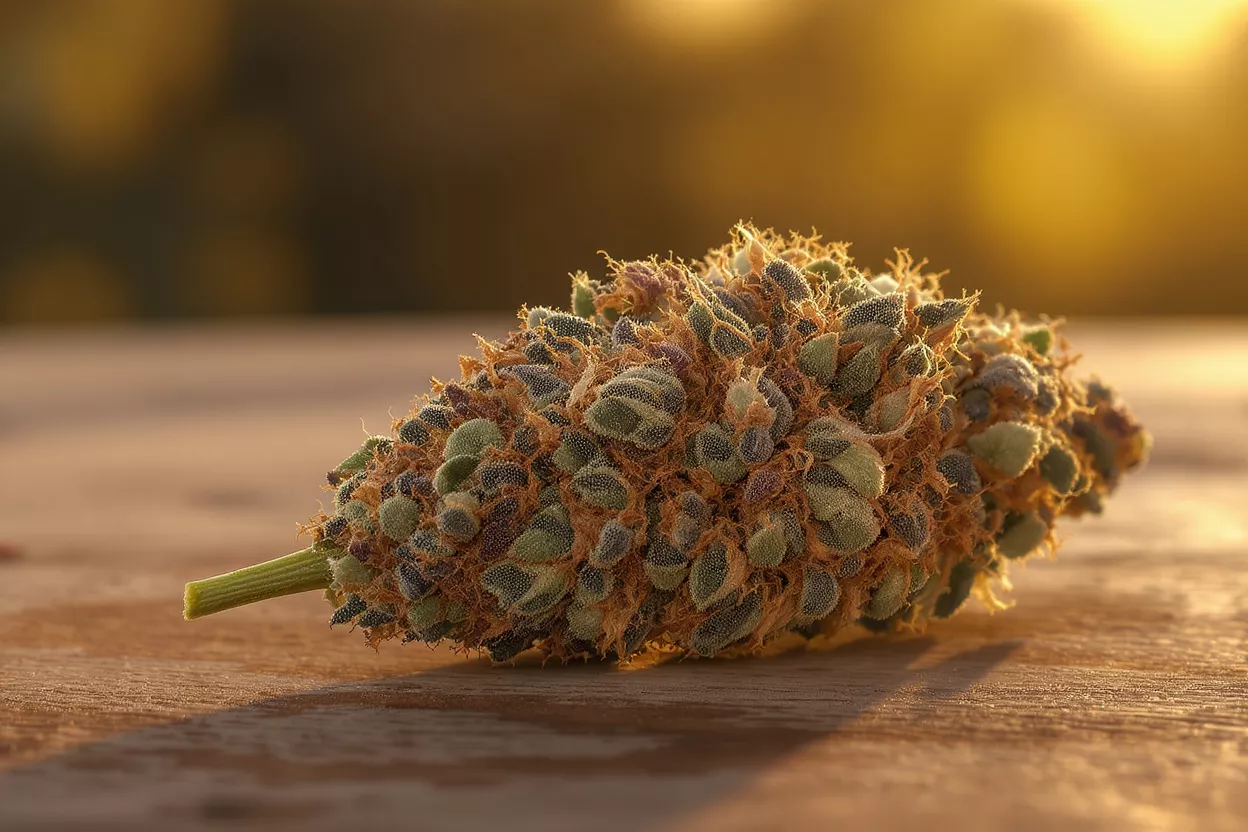
Flowering characteristics of indica varieties demonstrate adaptation to short mountain growing seasons, with most pure indica strains completing flowering in 7-9 weeks compared to 10-16 weeks for tropical sativas. Flower development produces dense, compact buds with high calyx-to-leaf ratios, minimizing trimming labor while maximizing marketable yield. The tight bud structure that helped protect developing seeds from harsh weather unfortunately also increases susceptibility to mold in humid environments, requiring careful environmental management. Trichome development tends toward high density with shorter stalks compared to sativa varieties, creating the frosty appearance prized by consumers. These flowering traits revolutionized commercial cultivation by enabling more harvest cycles per year and predictable production schedules.
Geographic origins of indica varieties center on the Hindu Kush mountain range, with distinct regional variations developing in isolated valleys throughout Central and South Asia. Afghan indicas developed extreme resin production for hashish making, while Pakistani varieties from the Chitral and Swat valleys show unique terpene profiles. Indian indicas from Himalayan foothills demonstrate greater sativa influence, creating intermediate forms. These landrace populations represent irreplaceable genetic resources as political instability and modernization threaten traditional cultivation regions. Understanding geographic origins helps predict cultivation requirements and potential trait combinations when breeding with indica genetics.
Chemical Profiles
Cannabinoid patterns in traditional indica varieties often feature more balanced THC:CBD ratios compared to modern sativa-dominant hybrids, though selective breeding has created high-THC indicas matching any sativa. Historical indica landraces commonly contained 1-4% CBD alongside 10-15% THC, providing modulated psychoactive effects that may explain traditional associations with body relaxation over cerebral stimulation. Minor cannabinoids like CBN appear in higher concentrations in indica varieties, possibly due to dense bud structure promoting THC degradation during curing. The cannabinoid synthase enzyme variants in indica populations show subtle differences affecting end-product ratios. Modern analytical testing reveals enormous variation within indica-labeled products, reinforcing that morphology alone cannot predict cannabinoid content.

Terpene profiles traditionally associated with indica varieties include high myrcene content, often exceeding 0.5% of flower weight, which may contribute to sedating effects through synergy with cannabinoids. Beta-caryophyllene, the only terpene known to activate CB2 receptors, frequently appears in significant concentrations in indica varieties, potentially contributing to anti-inflammatory effects. Linalool, also found in lavender, commonly occurs in indica profiles and possesses documented anxiolytic properties. However, terpene profiles vary dramatically even within pure indica lines based on environmental factors and specific genetics. The correlation between certain terpenes and indica effects remains stronger than cannabinoid patterns, suggesting terpenes play crucial roles in effect determination.
Chemotype diversity within indica populations challenges simplistic effect predictions, as analytical testing reveals indica-labeled products with chemical profiles spanning the full spectrum of cannabis chemistry. Some indica varieties produce THCV, traditionally associated with African sativas, while others lack myrcene entirely despite typical indica morphology. This chemical diversity reflects complex evolutionary pressures and extensive human selection throughout indica's cultivation history. Modern breeding further complicates chemotype prediction as breeders combine diverse genetics seeking novel trait combinations. Understanding chemotype complexity helps explain why individual responses to indica varieties vary dramatically and why chemical testing provides better effect prediction than morphological classification.
Cultivation Considerations
Environmental adaptations of indica varieties reflect evolution in continental climates with hot summers and cold winters, creating robust plants tolerating temperature extremes better than tropical-adapted sativas. These varieties often display purple coloration when exposed to cool nighttime temperatures, a trait linked to anthocyanin production protecting against UV damage at high altitudes. Indica varieties generally tolerate lower humidity than sativas, though their dense bud structure requires careful moisture management during flowering. Nutrient requirements tend toward efficiency, with indicas thriving on moderate feeding schedules that would leave sativas undernourished. These adaptations make indica genetics valuable for outdoor cultivation in temperate climates and indoor grows where environmental control costs matter.
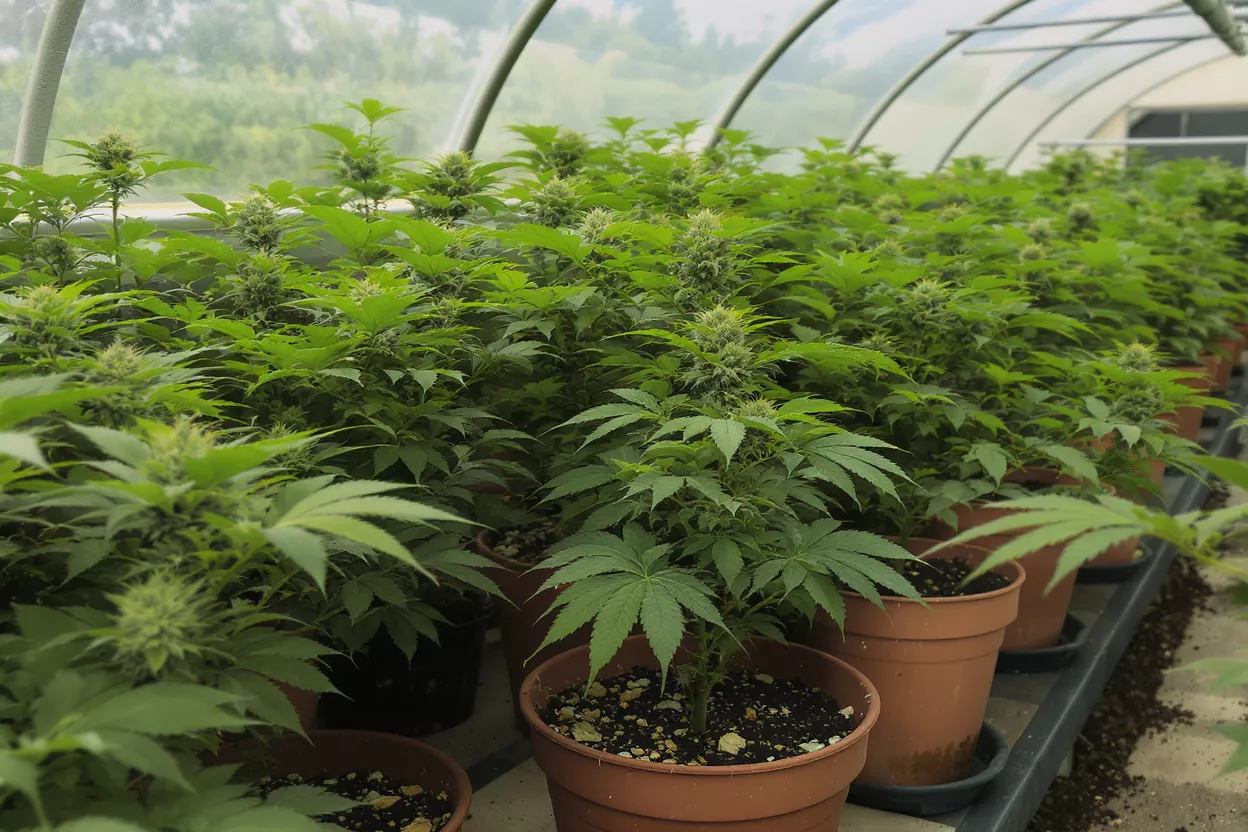
Indoor cultivation advantages of indica varieties revolutionized commercial cannabis production by enabling year-round harvests in compact facilities. The short stature rarely requiring height management techniques simplifies cultivation in rooms with limited vertical space. Rapid flowering reduces electricity costs and enables more harvest cycles annually, improving facility ROI. Dense branching maximizes canopy coverage in sea-of-green configurations. The predictable growth patterns facilitate standardized operating procedures crucial for consistent commercial production. These cultivation advantages explain why indica genetics dominate many commercial breeding programs despite market demand for sativa effects.
Pest and disease resistance in indica varieties varies by regional origin, with Afghan genetics often showing excellent mold resistance despite dense bud structure, likely due to evolutionary pressure in harsh climates. Many indica varieties demonstrate natural resistance to spider mites and other common cannabis pests, possibly due to thicker leaf cuticles and different terpene profiles. However, the dense canopy structure can harbor pests and create microenvironments favoring pathogen development without proper airflow. Root aphid susceptibility appears higher in some indica lines, particularly those selected for indoor cultivation over many generations. Understanding specific resistance traits helps integrate indica genetics into IPM programs effectively.
Modern Understanding
Scientific debate surrounding indica classification intensifies as genetic research reveals extensive hybridization and questions the validity of subspecies designations within Cannabis sativa L. Genomic studies suggest all drug-type cannabis shares recent common ancestry with minimal genetic differentiation supporting distinct species or subspecies. The morphological traits defining indica appear controlled by relatively few genes, making them poor predictors of overall genetic relationships or chemical profiles. Some researchers propose abandoning indica/sativa terminology entirely in favor of chemical fingerprinting. However, other scientists argue these terms retain utility for describing morphological and agricultural traits even if effect prediction requires chemical analysis.
Market evolution continues reinforcing indica terminology despite scientific uncertainty, as consumers demonstrate strong preferences and preconceptions about indica effects that influence purchasing decisions. Dispensary organization systems, product naming conventions, and marketing strategies all rely heavily on indica/sativa distinctions. Some progressive retailers experiment with effect-based or chemotype-based organization, but consumer education challenges and entrenched expectations slow adoption. The legal cannabis industry's rapid growth occurred alongside traditional terminology, creating institutional momentum resistant to change. Understanding market dynamics helps explain why scientifically questionable classifications persist and how they might eventually evolve.
Future perspectives on indica cannabis likely involve reconciling traditional knowledge with scientific understanding, potentially preserving useful cultivation distinctions while adopting chemical profiling for effect prediction. Breeding programs increasingly focus on specific chemotypes rather than maintaining pure indica lines, though indica growth characteristics remain valuable for certain applications. Consumer education about terpenes and minor cannabinoids may eventually reduce reliance on indica/sativa effect associations. Preservation of landrace indica genetics gains urgency as traditional cultivation regions modernize. The evolution from morphological to chemical classification systems represents broader cannabis industry maturation from underground culture to legitimate science-based medicine and agriculture.




Comments